Food grade Polyamide Film
CN → US| HS Code | Tariff Rate | Origin | Destination | Doc |
|---|---|---|---|---|
| 3908100000 | 41.3% | CN | US | Official Doc |
| 3908907000 | 41.5% | CN | US | Official Doc |
| 5407410030 | 48.6% | CN | US | Official Doc |
| 3920920000 | 39.2% | CN | US | Official Doc |
| 3920991000 | 41.0% | CN | US | Official Doc |
Product Images
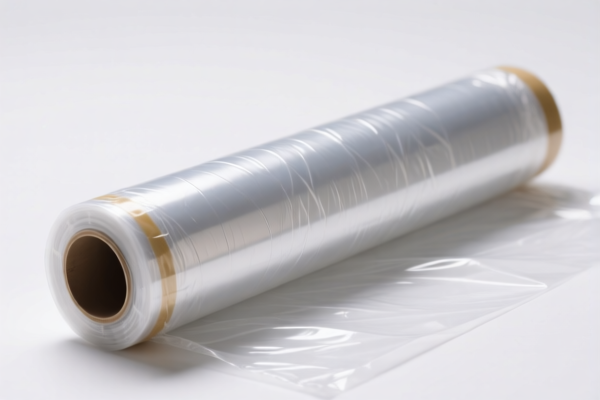
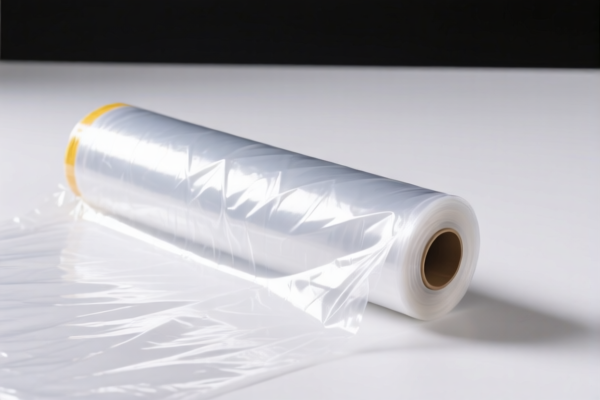
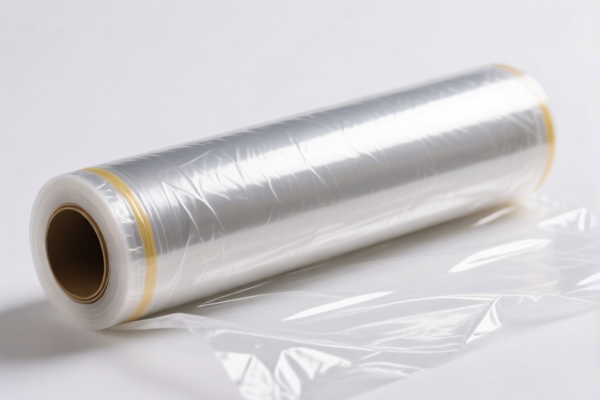
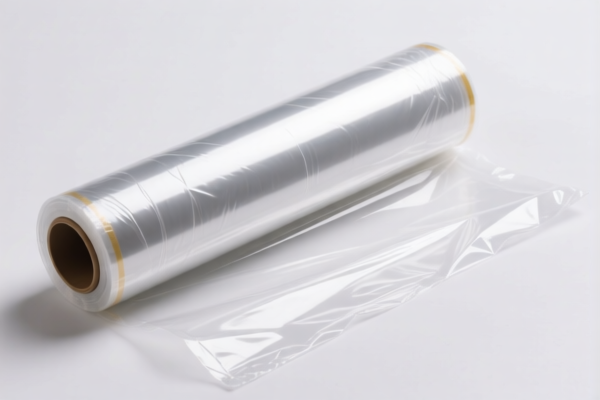
AI Analysis
🧪 Food Grade Polyamide Film (PA Film)
🌐 HS Code Reference & Customs Clearance Guide | 2026 Latest Tariff Analysis | Professional Customs Strategy
📌 I. Product Definition & Classification: Do You Really Understand "Polyamide Film"?
Polyamide (PA) film, commonly known as Nylon film, is a high-performance plastic film with excellent barrier properties, mechanical strength, and temperature resistance. In international trade, especially for Food Grade applications, its classification depends on the material composition and physical form.
Key Distinction Points:
- If the film is pure polyamide (e.g., Nylon 6, Nylon 66) and meets the definition of a plastic film → It falls under Chapter 39 (Plastics).
- If the film is woven or has a fabric-like structure → It may be classified under Chapter 54 (Man-made filaments).
- ⚠️ Critical Note: Food grade status does not change the HS Code classification but is crucial for regulatory compliance (FDA, EU 10/2011, GB 4806 in China).
📦 II. HS Code Classification Details (2026 Latest Tariff Authority Comparison)
Based on the provided data, here are the 5 most likely HS Codes for Food Grade Polyamide Film, along with their tax implications for imports into the US (assuming Chinese origin):
| HS Code | Product Description | Application Scenario | Total Tax Rate (US) | Key Tax Components |
|---|---|---|---|---|
3908.10.00.00 |
Polyamide, in primary forms (films counted as primary forms if not further processed) | Pure PA film, unblended, primary form | 41.3% | Base: 6.3% + 301 Tariff: 25% + 122 Section: 10% |
3908.90.70.00 |
Other polyamides (films) | Blended PA films or other polyamide types | 41.5% | Base: 6.5% + 301 Tariff: 25% + 122 Section: 10% |
5407.41.00.30 |
Woven fabrics of synthetic filaments (PA/Nylon) | If the film is woven or has a fabric structure | 48.6% | Base: 13.6% + 301 Tariff: 25% + 122 Section: 10% |
3920.92.00.00 |
Other plates, sheets, film, foil, and strip (of plastics) | Polyamide film classified as "other plastics" | 39.2% | Base: 4.2% + 301 Tariff: 25% + 122 Section: 10% |
3920.99.10.00 |
Other plates, sheets, film, foil, and strip (of other plastics) | General PA film under "other plastics" | 41.0% | Base: 6.0% + 301 Tariff: 25% + 122 Section: 10% |
🔍 Priority Recommendation:
- For pure, non-woven polyamide film,3908.10.00.00or3920.92.00.00are the most accurate classifications.
-3908.10.00.00is generally preferred for primary form polyamide films, with a total tax of 41.3%.
- If the film is woven,5407.41.00.30applies, but the tax is higher (48.6%).
-3920.92.00.00offers the lowest total tax (39.2%) but requires the film to be classified under "other plastics" rather than "polyamides in primary forms." Consult a customs broker for final determination.
💰 III. 2026 Latest Tariff Rate Breakdown (Including Additional Taxes)
✅ Applicable Country: United States (US)
✅ Country of Origin: China (CN)
✅ Effective Date: Ongoing (as of 2026)
🎯 1. 3908.10.00.00 —— Polyamide, in Primary Forms (Film)
| Item | Content |
|---|---|
| Base Tariff Rate | 6.3% |
| Section 301 Additional Tariff | +25.0% |
| Section 122 Additional Tariff | +10.0% |
| Total Tax Rate | 41.3% |
| Tax Calculation | CIF Value × 41.3% |
| De Minimis Exemption | ❌ Not Eligible (USITC Section 301/122 goods are excluded) |
| Legal Basis | HTSUS:3908.10.00.00 → Section 301: Footnote 9903.88.01 → Section 122: IEEPA Authority |
📌 Explanation:
- Base Rate (6.3%): Standard US Most Favored Nation (MFN) rate for polyamide in primary forms.
- Section 301 (25%): Retaliatory tariff against Chinese goods.
- Section 122 (10%): Additional tariff under IEEPA for specific Chinese imports.
- Total: 41.3%. This is a high tariff burden. Early planning is essential.
🎯 2. 3920.92.00.00 —— Other Plastic Films (Lowest Tax Option)
| Item | Content |
|---|---|
| Base Tariff Rate | 4.2% |
| Section 301 Additional Tariff | +25.0% |
| Section 122 Additional Tariff | +10.0% |
| Total Tax Rate | 39.2% |
| Tax Calculation | CIF Value × 39.2% |
| De Minimis Exemption | ❌ Not Eligible |
| Legal Basis | HTSUS:3920.92.00.00 → Section 301: Footnote 9903.88.01 → Section 122: IEEPA Authority |
📌 Note:
- This code has the lowest total tax (39.2%).
- It classifies the film as "other plastics" rather than "polyamides in primary forms."
- Risk: Customs may challenge this classification if the film is clearly polyamide. Ensure technical documentation supports this classification.
🎯 3. 5407.41.00.30 —— Woven Polyamide Fabric (Highest Tax)
| Item | Content |
|---|---|
| Base Tariff Rate | 13.6% |
| Section 301 Additional Tariff | +25.0% |
| Section 122 Additional Tariff | +10.0% |
| Total Tax Rate | 48.6% |
| Tax Calculation | CIF Value × 48.6% |
| De Minimis Exemption | ❌ Not Eligible |
📌 Note:
- Only applicable if the film is woven.
- Highest tax rate (48.6%). Avoid this classification unless necessary.
🛠️ IV. Customs Clearance Practical Advice (Real-World Pitfall Prevention)
✅ 1. Required Documentation Checklist (Mandatory)
| Document | Must Provide | Description |
|---|---|---|
| ✅ Product Specification Sheet | ✔️ | Material composition (e.g., Nylon 6, Nylon 66), thickness, width, food grade certification |
| ✅ FDA Compliance Certificate | ✔️ | Proof of food contact safety (FDA 21 CFR) |
| ✅ EU 10/2011 Compliance | ✔️ | If exporting to Europe, proof of migration limits compliance |
| ✅ Commercial Invoice | ✔️ | Clearly state "Polyamide Film, Food Grade, HTS Code: XXXX" |
| ✅ Packing List | ✔️ | Detail roll dimensions, weight, and quantity |
| ✅ Certificate of Origin (CO) | ✔️ | Essential for tariff calculation |
✅ 2. Declaration Strategy (Key Tips)
🔥 "Accurate Material Description, Correct HTS, Avoid Misclassification!"
| Scenario | Correct Declaration | Wrong Practice |
|---|---|---|
| Pure Polyamide Film | 3908.10.00.00 or 3920.92.00.00 |
Misclassify as "plastic sheet" without specifying material |
| Woven Polyamide Fabric | 5407.41.00.30 |
Declare as "film" → Customs may reclassify and penalize |
| Blended Film (PA + PE) | 3908.90.70.00 or 3920.99.10.00 |
Declare as pure PA → Inaccurate declaration |
✅ 3. Special Cases
| Scenario | Handling Advice |
|---|---|
| Multi-layer Co-extruded Film (e.g., PA/EVOH/PE) | Declare based on the major component or functional layer. If PA is the main barrier layer, use 3908.10.00.00. |
| Food Grade Certification | Provide FDA Letter of Guarantee and Migration Test Reports. Customs may request these for random inspections. |
| Small Quantity Samples | Still subject to full tariffs. No de minimis exemption for Section 301/122 goods. |
🌍 V. Global Market Comparison (2026 Latest)
| Country/Region | Recommended HS Code | Total Tariff | Certification Requirements | Remarks |
|---|---|---|---|---|
| 🇺🇸 US | 3908.10.00.00 |
41.3% | FDA 21 CFR | High tariff, strict food safety checks |
| 🇨🇳 China | 3908.10.00.00 |
6.3% | GB 4806 | No additional tariffs |
| 🇪🇺 EU | 3908.10.00.00 |
0%~6% | EU 10/2011 | Favorable for food contact materials |
| 🇦🇺 Australia | 3908.10.00.00 |
5% | FSANZ | Low tariff, clear regulations |
| 🇯🇵 Japan | 3908.10.00.00 |
6% | JFSL | No additional tariffs |
📌 Conclusion:
- The US imposes the highest tariffs (41.3%) due to Section 301 and 122.
- Other markets have significantly lower tariffs.
- US importers must plan for high costs or consider supply chain diversification.
📌 VI. Common Mistakes & Pitfalls (Lessons Learned)
❌ Mistake 1: Declaring "Plastic Film" without specifying "Polyamide"
👉 Consequence: Customs may reclassify to a higher tariff code → Higher taxes + delays.
❌ Mistake 2: Using "Food Grade" as the HS Code basis
👉 Consequence: Food grade is a compliance requirement, not a classification criterion → No impact on HS Code.
❌ Mistake 3: Misclassifying woven fabric as film
👉 Consequence: Tax jumps from 41.3% to 48.6% → Unnecessary cost increase.
❌ Mistake 4: Ignoring Section 122 tariffs
👉 Consequence: Underpayment of tariffs → Penalties + interest.
✅ Correct Practice:
"Polyamide (Nylon 6) Film, Food Grade, 50μm, 100cm Width, HTS: 3908.10.00.00, FDA Compliant"
🎯 VII. Conclusion: Precision Declaration Saves Money!
🎯 Remember:
🔹 "Material First, Form Second, Food Grade Compliance"
🔹 "HTS Code Determines Tariff, Misclassification Costs Thousands"
📌 Pro Tip:
- If your polyamide film is sourced from Vietnam, Mexico, or Malaysia, you may be eligible for IEEPA exemptions or FTAs (Free Trade Agreements), reducing tariffs to 0%~5%.
- Apply for Advance Rulings from US Customs to avoid disputes.
📣 Take Action Now:
📞 Contact a Professional Customs Broker + Provide Product Specs + Apply for HS Code Advance Ruling
🚀 Ensure Smooth Clearance, Maximize Profits, Stay Compliant!
✨ Professional Customs Clearance Starts with Accurate Classification!
💼 Every Dollar Saved is a Dollar Earned!
Customer Reviews
About HS Code Classification
The Harmonized System (HS) is an internationally standardized nomenclature developed by the World Customs Organization (WCO) to classify traded products. Over 200 countries use the HS system as the basis for customs tariffs, trade statistics, and import/export regulations.
Each HS code follows a hierarchical structure:
- Chapter (2 digits) — Broad category of goods (e.g., Chapter 84: Machinery and Mechanical Appliances)
- Heading (4 digits) — More specific grouping within the chapter
- Subheading (6 digits) — Internationally standardized breakdown, used by all WCO member countries
- National subdivisions (8-10 digits) — Country-specific extensions for further classification, such as US HTSUS 10-digit codes
Correct HS code classification is essential for smooth customs clearance, accurate duty payment, and compliance with trade regulations. Misclassification can lead to customs delays, overpayment of duties, or penalties.
When importing from CN to US, the applicable tariff rates may include:
- Most-Favored-Nation (MFN) rate — The standard duty rate applied to WTO members
- General rate — Applied to countries without trade agreements
- Trade remedy duties — Additional tariffs such as Section 301 (anti-dumping), Section 232 (national security), or countervailing duties
The information provided on this page is for reference purposes only. For official classification, please consult with your local customs authority or a licensed customs broker.