Food grade packaging bag
CN → US| HS Code | Tariff Rate | Origin | Destination | Doc |
|---|---|---|---|---|
| 3923290000 | 38.0% | CN | US | Official Doc |
| 3923210095 | 38.0% | CN | US | Official Doc |
| 3920591000 | 41.0% | CN | US | Official Doc |
| 3920992000 | 39.2% | CN | US | Official Doc |
| 7326901000 | 85.0% | CN | US | Official Doc |
Product Images
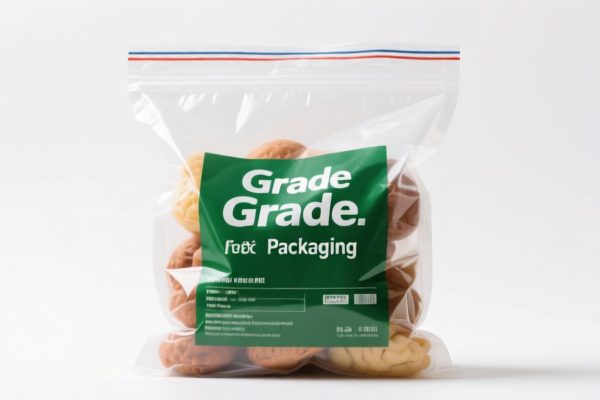
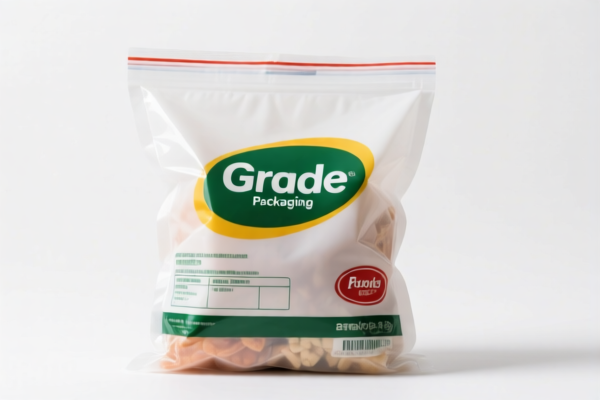
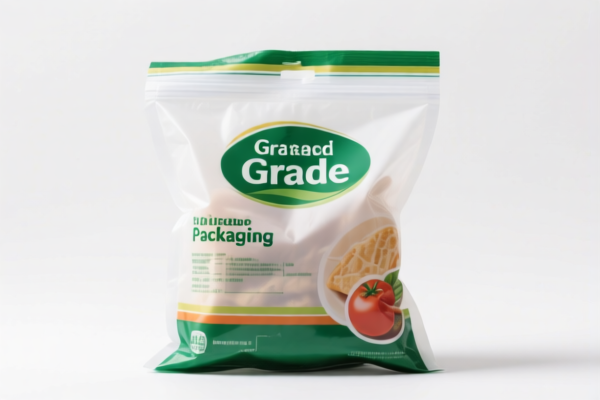
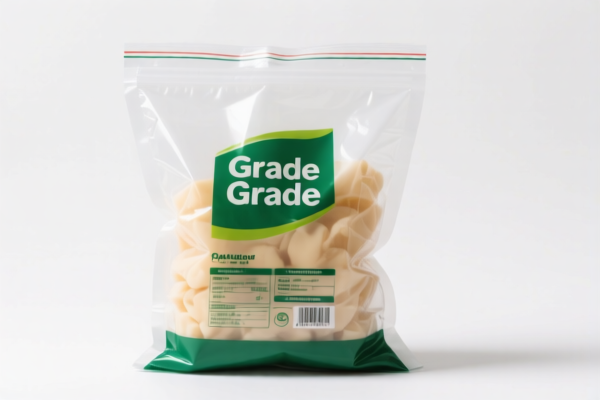
AI Analysis
🥨 Food Grade Packaging Bags (Specifically Piping Bags & Containers)
🌐 HS Code Reference & Customs Clearance Guide | 2026 Latest Tariff Breakdown | Professional Import Strategy for US Markets
📌 I. Product Definition & Classification: Are You Importing Bags or Sheets?
"Food Grade Packaging Bag" is a broad commercial term. In international trade, it is not a valid HS Code description. To classify correctly, we must distinguish between the physical form (bag vs. sheet/film) and the material composition (polymer type).
For Food Grade Plastic Piping Bags (conical bags for decorating cakes/cream), customs authorities look at two critical factors: 1. Form Factor: Is it a sealed container with a tip (pouch/bag)? → Chapter 39, Heading 3923. 2. Material: Is it a specific polymer (e.g., Vinyl, Acrylic) or a general plastic?
⚠️ Critical Distinction:
- If it is a sealed bag with a tip, used for holding food → It generally falls under 3923 (Articles for the conveyance or packing of goods).
- If it is an unsealed sheet/film or a bag made of specific plastics like Vinyl (PVC) that are classified as plates/sheets → It may fall under 3920.
- Mistake Alert: Do not confuse "Food Grade" with "Packaging Material" broadly. A tin container is not plastic (Chapter 73).
📦 II. HS Code Classification Details (2026 Latest Tariff Authority对照)
Based on the provided data, here are the specific classifications for Food Grade Plastic Piping Bags and related packaging items. Note the significant tax differences based on material and form.
| HS Code | Product Description & Summary | Key Characteristics |
|---|---|---|
| 3923.29.00.00 | Food Grade Plastic Piping Bag | Material: Plastic. Form: Pouch (including conical bags). Fits "Other plastics" category. |
| 3923.21.00.95 | Food Grade Plastic Piping Bag | Material: Vinyl Polymers (PVC). Form: Pouch. Falls under "Other兜底" (catch-all) for vinyl bags. |
| 3920.59.10.00 | Food Grade Plastic Piping Bag | Material: Plastic (Acrylic or others). Form: Strip/Film/Sheet extension. Treated as rigid/film plastic rather than a finished bag. |
| 3920.99.20.00 | Food Grade Plastic Piping Bag | Material: Plastic. Form: Bag/Film. Categorized as "Other plastic products" under film/chapter 39. |
| 7326.90.10.00 | Food Grade Tin Container | ⚠️ Different Material: Material: Tinplate (Iron/Steel). Form: Food Packaging Box. Not plastic! |
🔍 重点提醒 (Critical Reminder):
- 3923.29 and 3923.21 are the most common for actual piping bags (conical with tips).
- 3920 codes apply if the item is considered a roll of film or a non-sealed sheet even if intended for bags.
- 7326 is ONLY for metal/tin containers. If your "bag" is actually a tin canister, use this code.
💰 III. 2026 Latest Tariff Rate Breakdown (Including Supplementary Taxes)
✅ Applicable Country: United States (US)
✅ Origin: China (CN)
✅ Effective Time: Current tariffs apply (including Section 301 and IEEPA measures).
🎯 1. 3923.29.00.00 — Plastic Piping Bags (General Plastic)
| Item | Content |
|---|---|
| Base Duty Rate | 3.0% |
| Section 301 Tariff | +25.0% (Added tax on Chinese goods) |
| Section 122 Tariff | +10.0% (Specific clause for certain plastic products) |
| Total Tax Rate | 38.0% |
| Tax Calculation | CIF Value × 38% |
| De Minimis Exemption | ❌ Not Eligible (Value > $800 threshold for Section 301/IEEPA often applies; check specific de minimis rules for HTS 3923) |
| Legal Basis Path | HTS:3923.29.00.00 → USITC Footnote 9903.88.01 → IEEPA:9903.01.25 |
📌 Explanation:
- This is a standard plastic bag classification.
- The 25% is the standard Section 301 tariff.
- The 10% is a specific additional duty under "Section 122" (likely referring to specific trade remedy measures or recent executive orders on plastics).
- Total 38% is the landed cost multiplier.
🎯 2. 3923.21.00.95 — Vinyl Plastic Piping Bags (PVC)
| Item | Content |
|---|---|
| Base Duty Rate | 3.0% |
| Section 301 Tariff | +25.0% |
| Section 122 Tariff | +10.0% |
| Total Tax Rate | 38.0% |
| Tax Calculation | CIF Value × 38% |
| De Minimis Exemption | ❌ Not Eligible |
| Legal Basis Path | HTS:3923.21.00.95 → USITC Footnote 9903.88.01 → IEEPA:9903.01.25 |
📌 Note:
- Even though it is Vinyl (PVC), because it is a finished bag (3923), it gets the same 38% rate as general plastic bags.
- Do not assume PVC always has different duties if it's a finished packing article.
🎯 3. 3920.59.10.00 — Plastic Film/Sheet (Acrylic/Other)
| Item | Content |
|---|---|
| Base Duty Rate | 6.0% |
| Section 301 Tariff | +25.0% |
| Section 122 Tariff | +10.0% |
| Total Tax Rate | 41.0% |
| Tax Calculation | CIF Value × 41% |
| De Minimis Exemption | ❌ Not Eligible |
| Legal Basis Path | HTS:3920.59.10.00 → USITC Footnote 9903.88.01 → IEEPA:9903.01.25 |
📌 Warning:
- If customs classifies your "bag" as a plastic sheet/film instead of a bag (perhaps because it’s sold in rolls or lacks a sealed tip), the base duty is higher (6% vs 3%).
- Total 41% is higher than the bag classification. Always ensure your product is clearly a finished bag to qualify for 3923.
🎯 4. 3920.99.20.00 — Other Plastic Bags/Films
| Item | Content |
|---|---|
| Base Duty Rate | 4.2% |
| Section 301 Tariff | +25.0% |
| Section 122 Tariff | +10.0% |
| Total Tax Rate | 39.2% |
| Tax Calculation | CIF Value × 39.2% |
| De Minimis Exemption | ❌ Not Eligible |
| Legal Basis Path | HTS:3920.99.20.00 → USITC Footnote 9903.88.01 → IEEPA:9903.01.25 |
📌 Note:
- A middle-ground classification. If the material is unspecified or "other," base duty is 4.2%.
- Total 39.2% is slightly lower than the acrylic film (41%) but higher than standard bags (38%).
🎯 5. 7326.90.10.00 — Tinplate Food Containers
| Item | Content |
|---|---|
| Base Duty Rate | 0.0% |
| Section 301 Tariff | +25.0% |
| Section 122 Tariff | +10.0% |
| Steel/Aluminum/Copper Surcharge | +50.0% (Specific add-on for steel/aluminum products) |
| Total Tax Rate | 85.0% |
| Tax Calculation | CIF Value × 85% |
| De Minimis Exemption | ❌ Not Eligible |
| Legal Basis Path | HTS:7326.90.10.00 → USITC Footnote 9903.88.01 → IEEPA:9903.01.25 → Steel Surcharge: 50% |
🚨 CRITICAL ALERT:
- If your "Food Grade Packaging" is made of Tinplate (Metal), the tariff is 85%!
- The 50% steel surcharge is added on top of the 25% and 10%.
- Do NOT use this code for plastic bags! Using this for plastic will cause customs rejection. Using this for metal bags will cost you double in taxes compared to plastic.
🛠️ IV. Customs Clearance Practical Advice (Real-World Pitfall Guide)
✅ 1. Required Documentation Checklist
| Document | Mandatory? | Notes |
|---|---|---|
| ✅ Product Specification Sheet | ✔️ | Must state: Material (e.g., PE, PVC, PP), Thickness, Food Grade Certification (FDA, LFGB). |
| ✅ Commercial Invoice | ✔️ | Must explicitly say "Food Grade Plastic Piping Bag" or "Conical Pastry Bag". Avoid vague "Packaging Material." |
| ✅ Material Safety Data Sheet (MSDS) | ✔️ | For plastic pellets/resin proof if required by port. |
| ✅ FDA Registration Proof | ✔️ | Essential for "Food Grade" claims. Without it, customs may detain for food safety violations. |
| ✅ Packing List | ✔️ | Show net weight and quantity. |
✅ 2. Declaration Tips (Key Mantra)
🔥 "Form Defines Code, Material Defines Base, Metal is 85%!"
| Scenario | Correct HS Code | Incorrect Code | Consequence |
|---|---|---|---|
| Conical Piping Bag (Plastic) | 3923.29.00.00 or 3923.21.00.95 |
3920.xxxx |
Risk of reclassification to higher base duty (38% vs 41%). |
| Plastic Film Roll (Not Bag) | 3920.59.10.00 |
3923.29 |
Must declare as "Film," not "Bag." |
| Tin/Metal Container | 7326.90.10.00 |
3923.29 |
85% Tax vs 38% Tax. Huge difference! |
| Vague "Packaging Bag" | N/A | N/A | Customs will request clarification, causing delays. |
✅ 3. Special Cases
| Situation | Handling Advice |
|---|---|
| Mixed Materials | If bag is plastic with a metal tip, it may still be classified as plastic if metal is <5%. Provide proof. |
| FDA Non-Compliance | If no FDA registration, shipment may be refused entry regardless of HS Code. |
| Dropshipping/De Minimis | ❌ No Exemption. Section 301 and IEEPA taxes apply to all Chinese-origin goods, even under $800. |
🌍 V. Global Market Comparison (2026)
| Country/Region | Recommended HS Code | Total Tariff (China Origin) | Certification | Notes |
|---|---|---|---|---|
| 🇺🇸 USA | 3923.29.00.00 |
38% (Plastic) 85% (Metal) |
FDA, CPSIA (if applicable) | High Section 301 + IEEPA taxes. |
| 🇨🇳 China | 3923.29.00.00 |
~5-10% | GB4806 (Food Contact) | Lower domestic import tax. |
| 🇪🇺 EU | 3923.29.00.00 |
6.5% | EU 10/2011 (Plastic Food Contact) | No Section 301, but higher base duty than US base. |
| 🇬🇧 UK | 3923.29.00.00 |
6.5% | UK Food Standards Agency | Post-Brexit rules apply. |
📌 Conclusion:
- USA is the most expensive market due to the 38% total tax on plastic bags.
- Metal packaging is extremely expensive (85%) in the US due to steel tariffs.
- Ensure your HS Code matches the material exactly. Plastic is cheaper than metal for import into the US.
📌 VI. Common Mistakes & Pitfalls (Lessons Learned)
❌ Mistake 1: Declaring "Plastic Bags" for Tin Containers
👉 Result: Under-declaration of tax. 38% vs 85%. Heavy fines and back taxes!
❌ Mistake 2: Declaring "Piping Bags" as "Plastic Film" (3920)
👉 Result: Higher base duty (6% vs 3%). Total tax rises from 38% to 41%.
❌ Mistake 3: Ignoring FDA Certification
👉 Result: Cargo detained at US port for "Food Safety Violation." Return or Destroy.
❌ Mistake 4: Assuming De Minimis applies
👉 Result: No exemption for Section 301/IEEPA taxes on Chinese goods. Full 38-85% tax applies.
✅ Correct Declaration Example:
"Food Grade Plastic Conical Piping Bags, 12-inch, Material: Polyethylene (PE), FDA Compliant, 100pcs/box, HS Code: 3923.29.00.00"
🎯 VII. Conclusion: Precise Classification Saves Money!
🎯 Remember the Mantra:
🔹 "Plastic Bag = 38%, Plastic Film = 41%, Metal Container = 85%!"
🔹 "FDA is Mandatory, No De Minimis for China!"
📌 Pro Tip:
- If your product is made of Vinyl (PVC), use 3923.21.00.95.
- If your product is PE/PP, use 3923.29.00.00.
- Always verify Material Safety before shipping to avoid FDA holds.
📣 Immediate Action:
📞 Contact your customs broker with material specs and product photos.
🚀 Apply for Advance Ruling if importing high volume.
💼 Optimize for 3923.29 to minimize tax burden compared to 3920 or 7326.
✨ Professional Customs Clearance Starts with Accurate Classification!
💼 Your Every Dollar Matters, Calculate Precisely!
Customer Reviews
About HS Code Classification
The Harmonized System (HS) is an internationally standardized nomenclature developed by the World Customs Organization (WCO) to classify traded products. Over 200 countries use the HS system as the basis for customs tariffs, trade statistics, and import/export regulations.
Each HS code follows a hierarchical structure:
- Chapter (2 digits) — Broad category of goods (e.g., Chapter 84: Machinery and Mechanical Appliances)
- Heading (4 digits) — More specific grouping within the chapter
- Subheading (6 digits) — Internationally standardized breakdown, used by all WCO member countries
- National subdivisions (8-10 digits) — Country-specific extensions for further classification, such as US HTSUS 10-digit codes
Correct HS code classification is essential for smooth customs clearance, accurate duty payment, and compliance with trade regulations. Misclassification can lead to customs delays, overpayment of duties, or penalties.
When importing from CN to US, the applicable tariff rates may include:
- Most-Favored-Nation (MFN) rate — The standard duty rate applied to WTO members
- General rate — Applied to countries without trade agreements
- Trade remedy duties — Additional tariffs such as Section 301 (anti-dumping), Section 232 (national security), or countervailing duties
The information provided on this page is for reference purposes only. For official classification, please consult with your local customs authority or a licensed customs broker.