Food grade plastic pipe
CN → US| HS Code | Tariff Rate | Origin | Destination | Doc |
|---|---|---|---|---|
| 3917230000 | 38.1% | CN | US | Official Doc |
| 3917320010 | 38.1% | CN | US | Official Doc |
| 3916200091 | 40.8% | CN | US | Official Doc |
| 3916200020 | 40.8% | CN | US | Official Doc |
| 3926909987 | 22.8% | CN | US | Official Doc |
Product Images
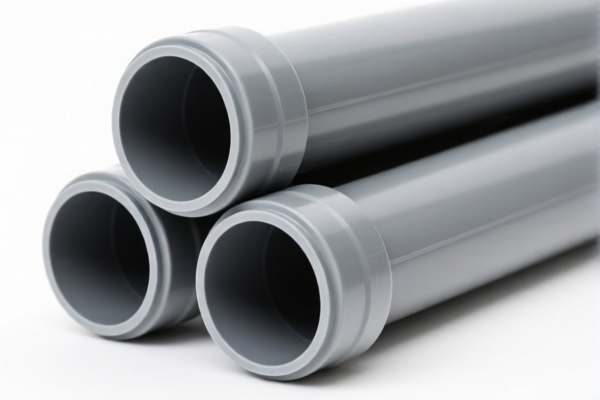
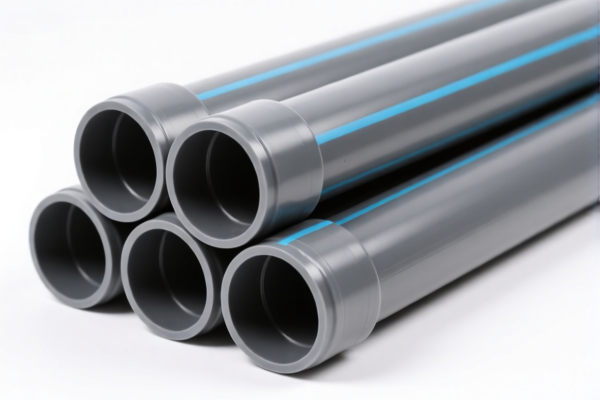
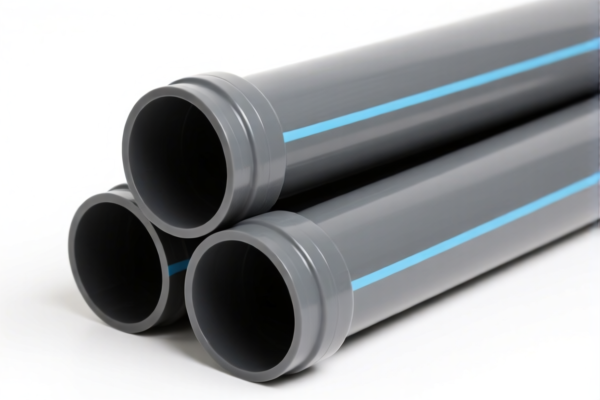
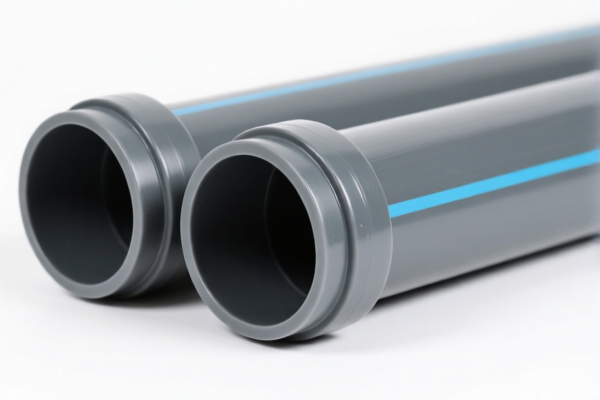
AI Analysis
🚰 Food Grade PVC Plastic Pipes (Polyvinyl Chloride)
🌐 HS Code Reference & Customs Clearance Guide | 2026 Latest Tariff Analysis | Professional Level Clearance Strategy
📌 I. Product Definition and Classification: Do You Really Understand "Food Grade PVC Pipes"?
Food grade plastic pipes are critical components in the distribution of drinking water, food processing liquids, and pharmaceutical fluids. In international trade, they are classified primarily by Material Composition and Physical Form.
- Primary Pipes (HS 3917): Products explicitly designed and shaped as pipes for conveying fluids.
- Profiles/Extrusions (HS 3916): Semi-finished products like rods, bars, and profiles that may be further processed into pipes but are classified based on their immediate shape.
- Other Plastic Articles (HS 3926): Catch-all categories for plastic tubes that do not fit standard pipe definitions or are considered "other" manufactured articles.
⚠️ Key Distinction Point:
- If the product is explicitly a pipe used for fluid transport → Look at 3917.
- If the product is a rod/bar/profile (even if meant for pipe manufacturing) → Look at 3916.
- If the product is a "tube" or unclassified plastic article → Look at 3926.
📦 II. HS Code Classification Details (2026 Latest Tariff Authority Match)
| HS Code | Product Description | Application Scenario | Tax Rate | Tax Detail Breakdown |
|---|---|---|---|---|
3917.23.00.00 |
Food-grade PVC plastic pipes, material: PVC, form: Pipes | Standard drinking water pipes, food process lines | 38.1% | Base: 3.1% + Section 301: 25.0% + Section 122: 10% |
3917.32.00.10 |
Food-grade PVC plastic pipes, material & form meet classification requirements | High-grade PVC pipes meeting specific statutory definitions | 38.1% | Base: 3.1% + Section 301: 25.0% + Section 122: 10% |
3916.20.00.91 |
Food-grade PVC plastic pipes, material: Vinyl Polymer, form: Rods, Bars, Profiles | Semi-finished PVC extrusions, not yet formed into final pipes | 40.8% | Base: 5.8% + Section 301: 25.0% + Section 122: 10% |
3916.20.00.20 |
Food-grade PVC plastic pipes, material: PVC, form: Pipes | Note: Data indicates this code is categorized under Profiles/Rods despite summary saying "Pipes". Risk of Misclassification. | 40.8% | Base: 5.8% + Section 301: 25.0% + Section 122: 10% |
3926.90.99.87 |
Food-grade PVC plastic pipes, material: Plastic, form: Tubes | "Tube" classification, often for less rigid or specific non-standard pipe applications | 22.8% | Base: 5.3% + Section 301: 7.5% + Section 122: 10% |
3926.90.99.89 |
Food-grade PVC plastic pipes, material: Plastic, form: Other Plastic Articles | Unlisted plastic articles, used when pipe/tube classification is disputed or ambiguous | 22.8% | Base: 5.3% + Section 301: 7.5% + Section 122: 10% |
🔍 Critical Reminder:
- The Tariff Rate varies significantly based on whether the item is classified as a Pipe (3917), Profile/Rod (3916), or Other Article (3926).
- 3917 codes incur a higher base duty (3.1%-5.8%) but are standard for pipes.
- 3926 codes have a lower Section 301 rate (7.5% vs 25%), resulting in a much lower total tax, but require strong justification that the product is NOT a standard pipe.
- 3916 codes attract the highest total tax (40.8%) due to the higher base duty (5.8%).
💰 III. 2026 Latest Tariff Rate Explanation (Detailed Clauses)
✅ Applicable Country: United States (US)
✅ Origin: China (CN)
✅ Effective Time: Current rates apply as per latest USITC rulings.
🎯 1. 3917.23.00.00 & 3917.32.00.10 —— PVC Pipes (The Standard Pipe Classification)
| Item | Content |
|---|---|
| Base Duty | 3.1% |
| Section 301 Additional Duty | +25.0% |
| Section 122 Duty | +10.0% |
| Total Effective Rate | 38.1% |
| Tax Calculation | CIF Value × 38.1% |
| De Minimis Exemption | ❌ Not Eligible (High tax rate disqualifies from $800 de minimis) |
| Legal Basis Path | USITC:3917.23.00.00 → Footnote 301 → IEEPA:122 |
📌 Explanation:
- These codes represent the most direct classification for PVC pipes.
- The 25% Section 301 tariff applies to PVC pipes from China.
- The 10% Section 122 tariff applies under the International Emergency Economic Powers Act for certain imports.
- Total 38.1% is the standard high-cost bracket for genuine PVC pipes.
🎯 2. 3916.20.00.91 & 3916.20.00.20 —— PVC Rods/Bars/Profiles (Semi-Finished Goods)
| Item | Content |
|---|---|
| Base Duty | 5.8% |
| Section 301 Additional Duty | +25.0% |
| Section 122 Duty | +10.0% |
| Total Effective Rate | 40.8% |
| Tax Calculation | CIF Value × 40.8% |
| De Minimis Exemption | ❌ Not Eligible |
| Legal Basis Path | USITC:3916.20.00.20 → Footnote 301 → IEEPA:122 |
📌 Explanation:
- If customs determines your "pipes" are actually extruded rods or bars (even if used for pipes), they fall under Chapter 3916.
- The Base Duty is higher (5.8% vs 3.1%), leading to a 40.8% total rate.
- Risk: Misclassifying a finished pipe as a rod/profile does NOT save money; it increases costs.
🎯 3. 3926.90.99.87 & 3926.90.99.89 —— Other Plastic Articles/Tubes (The Lower-Tax Strategy)
| Item | Content |
|---|---|
| Base Duty | 5.3% |
| Section 301 Additional Duty | +7.5% |
| Section 122 Duty | +10.0% |
| Total Effective Rate | 22.8% |
| Tax Calculation | CIF Value × 22.8% |
| De Minimis Exemption | ❌ Not Eligible |
| Legal Basis Path | USITC:3926.90.99.87 → Footnote 301 (7.5%) → IEEPA:122 |
📌 Explanation:
- This category has a significantly lower Section 301 rate (7.5% vs 25%).
- Why? The USITC may apply a lower 301 duty to "other plastic articles" or "tubes" if they are not considered standard rigid pipes.
- Strategy: If your product is a flexible hose, a specific "tube," or an unlisted plastic fluid conveyance article, arguing for 3926 can save 15.3% in total tariffs.
- Risk: Must strictly prove the product is NOT a standard PVC pipe under 3917.
🛠️ IV. Customs Clearance Practical Advice (Battle-Tested Pitfall Guide)
✅ 1. Document Checklist (Non-Negotiable)
| Document | Required | Description |
|---|---|---|
| ✅ Product Specification Sheet | ✔️ | Detail material (PVC), dimensions, wall thickness, pressure rating. |
| ✅ Product Photos | ✔️ | Clear images showing cross-section, length, and any "food grade" markings. |
| ✅ Food Grade Certification | ✔️ | FDA 21 CFR compliance, NSF/ANSI 61, or equivalent local standards. |
| ✅ Commercial Invoice | ✔️ | Must clearly state "Plastic Pipe" or "Plastic Tube" – avoid vague terms like "Plastic Item". |
| ✅ Packing List | ✔️ | List units, weight, and dimensions. |
| ✅ Certificate of Origin | ✔️ | Proves Chinese origin (subject to Section 301). |
✅ 2. Declaration Tips (Key Mantra)
🔥 "Shape Dictates Code, Tax Rate Fluctuates! Be Precise, Save 15%!"
| Scenario | Correct Declaration | Wrong Approach |
|---|---|---|
| Rigid PVC Pipe | 3917.23.00.00 or 3917.32.00.10 |
Misclassifying as "Tube" to save tax → Audit Risk & Penalties |
| PVC Rods/Bars | 3916.20.00.91 |
Calling them "Pipes" → 40.8% Tax (Higher) |
| Flexible Hose/Tube | 3926.90.99.87 |
Calling it "Pipe" → 38.1% Tax (Missed Savings) |
| Unlisted Plastic Article | 3926.90.99.89 |
Guessing 3917 → Potential Rejection |
✅ 3. Special Circumstances Handling
| Situation | Handling Advice |
|---|---|
| Mixed Shipments (Pipes + Fittings) | Declare pipes under 3917, fittings under 3917.99 or 3926. Do NOT lump fittings into pipe rate if they differ. |
| "Food Grade" Claim | Ensure FDA Compliance documentation is attached. Customs may ask for proof of food contact safety. |
| Dispute on Classification | If customs insists on 3917 but you want 3926, provide engineering drawings showing the product is a "tube" (flexible, non-rigid) rather than a rigid "pipe". |
| Section 122 Duty | This 10% duty applies regardless of the HS code change. Budget for it in all scenarios. |
🌍 V. Global Market Comparison (2026 Latest)
| Country/Region | Recommended HS Code | Tariff (China Origin) | Certification | Remarks |
|---|---|---|---|---|
| 🇺🇸 USA | 3917.23.00.00 |
38.1% | FDA | High Section 301 (25%) |
| 🇺🇸 USA | 3926.90.99.87 |
22.8% | FDA | Lower Section 301 (7.5%) if justified |
| 🇨🇳 China | 3917.23.00.00 |
~5-7% | CCC/GB | No Section 301 or 122 |
| 🇪🇺 EU | 3917.23.00 |
~2.5-5% | CE/REACH | No Section 301 |
| 🇯🇵 Japan | 3917.23.00 |
~5-10% | JIS/KOHL | Varies by type |
📌 Conclusion:
- USA is the most complex market due to Section 301 and Section 122 duties.
- Strategic Opportunity: If your product is a flexible tube or non-standard plastic article, pursuing 3926 can reduce the US tariff from 38.1% to 22.8%.
- Do NOT misclassify rigid pipes as tubes; the savings are not worth the customs penalty risk.
📌 VI. Common Errors & Pitfall Guide (Lessons Learned)
❌ Error 1: Declaring all PVC items as 3926 to save tax.
👉 Consequence: Customs examines product shape. If it’s a rigid pipe, they reclassify to 3917 → Back Taxes + Interest.
❌ Error 2: Ignoring the Section 122 Duty (10%).
👉 Consequence: This duty applies to most PVC imports from China. Forgetting it leads to underpayment.
❌ Error 3: Confusing 3916 (Profiles) with 3917 (Pipes).
👉 Consequence: 3916 has a 40.8% total rate, which is higher than 3917 (38.1%). Don’t assume profiles are cheaper.
❌ Error 4: Vague Description "Plastic Pipe".
👉 Consequence: Customs may ask for clarification, causing delays. Use precise terms: "Rigid PVC Drinking Water Pipe, 2-inch Diameter."
✅ Correct Approach:
"Rigid Polyvinyl Chloride (PVC) Pipe, Food Grade, Certified to FDA 21 CFR, OD 2 inch, Wall Thickness 0.1 inch, for Drinking Water Distribution."
🎯 VII. Conclusion: Precise Classification Saves Money!
🎯 Remember the Mantra:
🔹 "Pipe is 38%, Tube is 22%, Rod is 40% – Check the Shape First!"
🔹 "Section 122 is 10% – Always Add It!"
🔹 "Food Grade Needs Proof – Keep Your FDA Docs Ready!"
📌 Pro Tip:
If your product is a flexible PVC hose or a specialized plastic tube that doesn't fit rigid pipe definitions, consult a customs broker to argue for 3926.90.99.87. The 15.3% savings is significant for bulk shipments.
📣 Immediate Action:
📞 Engage a Licensed Customs Broker
📄 Prepare FDA/NSF Certifications
📐 Measure Product Dimensions & Material Rigidity
🚀 Get an Advance Ruling if Shipment Value is High
✨ Professional Clearance Starts with Accurate Classification!
💼 Every Percent Saved is Profit Retained!
Customer Reviews
About HS Code Classification
The Harmonized System (HS) is an internationally standardized nomenclature developed by the World Customs Organization (WCO) to classify traded products. Over 200 countries use the HS system as the basis for customs tariffs, trade statistics, and import/export regulations.
Each HS code follows a hierarchical structure:
- Chapter (2 digits) — Broad category of goods (e.g., Chapter 84: Machinery and Mechanical Appliances)
- Heading (4 digits) — More specific grouping within the chapter
- Subheading (6 digits) — Internationally standardized breakdown, used by all WCO member countries
- National subdivisions (8-10 digits) — Country-specific extensions for further classification, such as US HTSUS 10-digit codes
Correct HS code classification is essential for smooth customs clearance, accurate duty payment, and compliance with trade regulations. Misclassification can lead to customs delays, overpayment of duties, or penalties.
When importing from CN to US, the applicable tariff rates may include:
- Most-Favored-Nation (MFN) rate — The standard duty rate applied to WTO members
- General rate — Applied to countries without trade agreements
- Trade remedy duties — Additional tariffs such as Section 301 (anti-dumping), Section 232 (national security), or countervailing duties
The information provided on this page is for reference purposes only. For official classification, please consult with your local customs authority or a licensed customs broker.