Foot Massager
CN → US| HS Code | Tariff Rate | Origin | Destination | Doc |
|---|---|---|---|---|
| 8509801000 | 10.0% | CN | US | Official Doc |
| 8509805095 | 14.2% | CN | US | Official Doc |
| 9019102050 | 10.0% | CN | US | Official Doc |
| 9019102050 | 10.0% | CN | US | Official Doc |
| 9019102020 | 10.0% | CN | US | Official Doc |
Product Images
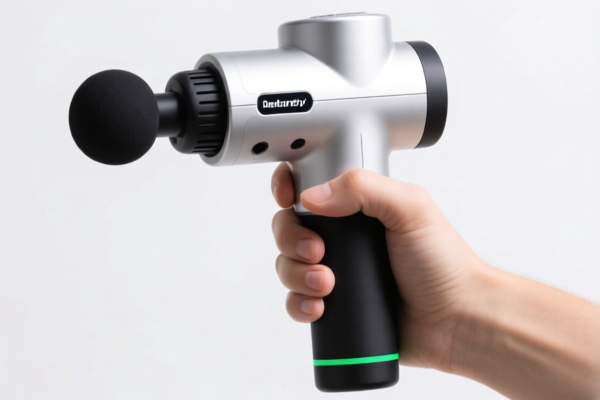
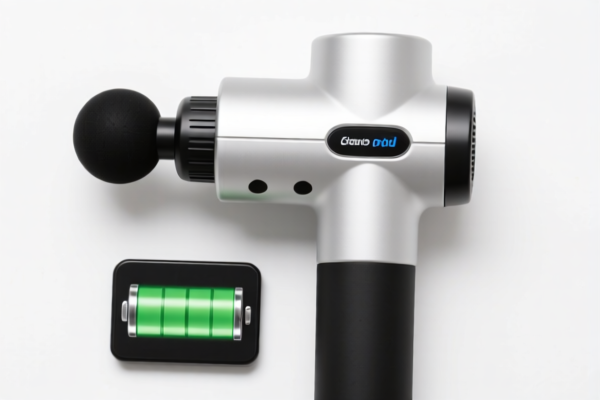
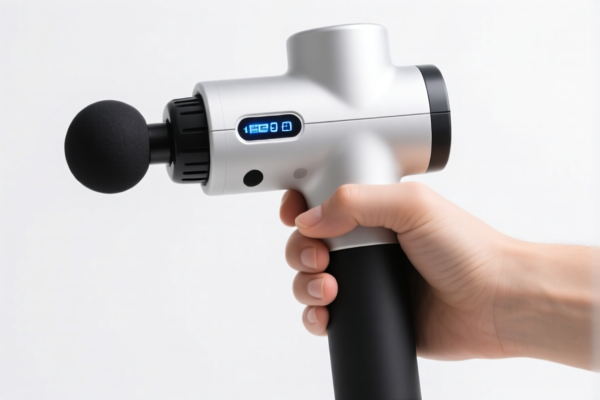
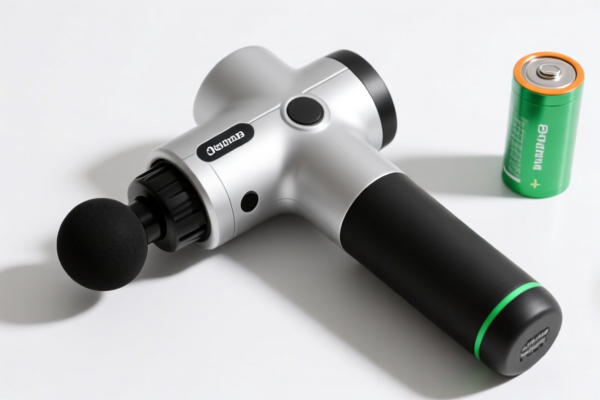
AI Analysis
🦶 Foot Massager (Electric & Non-Electric)
🌐 HS Code Reference & Customs Clearance Guide | 2026 Latest Tariff Analysis | Professional通关 Strategy
📌 I. Product Definition & Classification: Do You Really Understand the "Foot Massager"?
A Foot Massager is a household appliance or medical device designed to stimulate foot muscles, improve circulation, and relieve fatigue. In international trade, it is categorized based on its power source, structure, and primary function:
- Electric Household Appliances: Devices driven by electric motors, designed for home use (e.g., foot spas, vibratory pads).
- Medical/Therapeutic Devices: Devices classified under health instruments, often lacking a self-contained electric motor for primary operation or focusing on mechanical/physiotherapy functions.
⚠️ Critical Distinction Point:
- If the device is primarily an electric motor-driven household appliance → It falls under Chapter 85.
- If the device is a physiotherapy/health instrument (even if electric) → It may fall under Chapter 90.
- Material/Structure Conflict: Ensure the material composition does not contradict the "electric" or "medical" definitions.
📦 II. HS Code Classification Details (2026 Latest Tariff Authority Comparison)
Based on the provided data, here are the potential HS Codes for Foot Massagers:
| HS Code | Product Description | Applicable Scenario | Tax Rate (Total) |
|---|---|---|---|
8509.80.10.00 |
Electric mechanical household appliances; Massage category | Electric motor-driven home massagers | 10.0% |
8509.80.50.95 |
Other electric household appliances with self-contained motor; Catch-all category | Home appliances without specific sub-category match | 14.2% |
9019.10.20.50 |
Physiotherapy appliances; Massage apparatus | Non-electric or general massage equipment definition | 10.0% |
9019.10.20.20 |
Physiotherapy appliances; Massage instruments | Instrument-based massage, fallback inference | 10.0% |
🔍 Key Reminder:
- Chapter 85 Codes: Apply to devices that are fundamentally electric household appliances. The key is the presence of an electric motor driving the massage function.
- Chapter 90 Codes: Apply to devices classified as therapeutic/physiotherapy instruments. Even if electric, if the primary intent is medical/therapeutic rather than general household utility, Chapter 90 may apply.
- No Material Conflict: The summaries confirm no material energy conflicts for these categories.
💰 III. 2026 Latest Tariff Rate Breakdown (Detailed Tax Clauses)
✅ Applicable Country: United States (US)
✅ Origin: China (CN)
✅ Effective Date: 2025 November 10 onwards
🎯 1. 8509.80.10.00 —— Electric Mechanical Household Appliances (Massage Category)
| Item | Content |
|---|---|
| Base Tariff | 0.0% |
| Section 301 Tariff (25%) | 0.0% |
| Section 122 Tariff (10%) | 10.0% |
| Total Tariff Rate | 10.0% |
| Tax Calculation | CIF Value × 10.0% |
| Legal Basis Path | Base: 0% → Section 301: 0% → Section 122: 10% |
📌 Explanation:
- This code applies to electric foot massagers that fit the "mechanical household appliance" definition.
- Base Tariff is 0%, but it is subject to the Section 122 Tariff (10%).
- No Section 301 (25%) is applied in this specific summary, resulting in a lower total rate compared to other appliance categories.
- Total Cost Impact: 10% of the declared value.
🎯 2. 8509.80.50.95 —— Other Electric Household Appliances (Catch-all)
| Item | Content |
|---|---|
| Base Tariff | 4.2% |
| Section 301 Tariff (25%) | 0.0% |
| Section 122 Tariff (10%) | 10.0% |
| Total Tariff Rate | 14.2% |
| Tax Calculation | CIF Value × 14.2% |
| Legal Basis Path | Base: 4.2% → Section 301: 0% → Section 122: 10% |
📌 Explanation:
- This code is used when the foot massager is an electric appliance but does not fit the specific "massage category" sub-code (8509.80.10.00).
- Base Tariff is 4.2%, plus the Section 122 Tariff (10%).
- Total Cost Impact: 14.2% of the declared value. Higher than Code 1 by 4.2%.
🎯 3. 9019.10.20.50 & 9019.10.20.20 —— Physiotherapy/Therapeutic Instruments
| Item | Content |
|---|---|
| Base Tariff | 0.0% |
| Section 301 Tariff (25%) | 0.0% |
| Section 122 Tariff (10%) | 10.0% |
| Total Tariff Rate | 10.0% |
| Tax Calculation | CIF Value × 10.0% |
| Legal Basis Path | Base: 0% → Section 301: 0% → Section 122: 10% |
📌 Explanation:
- These codes apply if the device is classified as a therapeutic instrument (e.g., for medical physiotherapy) rather than a general household appliance.
- Base Tariff is 0%, plus the Section 122 Tariff (10%).
- Total Cost Impact: 10% of the declared value.
- Note: The summaries indicate "no material/energy conflict" and "perfect match" with massage apparatus/instruments. This is a viable alternative if the product is marketed as a health/medical device.
🛠️ IV. Customs Clearance Practical Advice (Real-World Pitfall Avoidance)
✅ 1. Documentation Checklist (Essential Items)
| Document | Required | Notes |
|---|---|---|
| ✅ Product Specification Sheet | ✔️ | Must clearly state: Electric vs. Non-Electric, Motor Type, Power Rating, Intended Use (Home vs. Medical). |
| ✅ Structural Diagrams | ✔️ | To prove whether it’s a "Household Appliance" (Ch 85) or "Therapeutic Instrument" (Ch 90). |
| ✅ Product Photos | ✔️ | Clear shots of controls, motors, and branding. |
| ✅ Declaration Statement | ✔️ | Explicitly state: "Electric Foot Massager for Home Use" OR "Therapeutic Foot Massage Instrument." |
| ✅ Invoice & Packing List | ✔️ | Consistent with the HS Code selection. |
✅ 2. Classification Strategy (Key Mantra)
🔥 "Motor-Driven Home Appliance = Ch 85 (10-14%); Therapeutic Instrument = Ch 90 (10%)"
| Scenario | Recommended HS Code | Total Tariff | Reason |
|---|---|---|---|
| Standard Electric Foot Spas/Massagers | 8509.80.10.00 |
10.0% | Best fit for electric household massage appliances. |
| Electric Massagers with Complex Features | 8509.80.50.95 |
14.2% | If it doesn't fit the specific "massage" sub-category, use the catch-all. |
| Medical/Therapeutic Foot Massagers | 9019.10.20.50 / .20 |
10.0% | If marketed as a health/medical device, not just a home luxury item. |
📌 Crucial Tip:
- Avoid Misclassification: Do not declare a simple electric foot massager as a medical device (9019) unless it has specific therapeutic certifications and marketing claims. Customs may scrutinize this for potential fraud or misdeclaration.
- Home Use vs. Medical: The distinction often lies in the marketing and intended use. "Home relaxation" leans towards Ch 85. "Physiotherapy" leans towards Ch 90. Both currently have a 10% base tariff + Section 122, but the Base Tariff for Ch 85 (specific code) is 0%, while the catch-all Ch 85 code has a 4.2% base.
✅ 3. Special Circumstances
| Situation | Handling Advice |
|---|---|
| OEM/Custom Designs | Provide design drawings to clarify if the core function is "appliance" or "instrument." |
| Hybrid Devices | If the device combines massage with other functions (e.g., heating, compression), ensure the primary function determines the HS Code. |
| Section 122 Applicability | All codes in the data include a 10% Section 122 Tariff. This is non-negotiable for Chinese-origin goods under this specific data set. Plan for this cost. |
| No Section 301 (25%) | Good News! The provided data shows 0% Section 301 Tariff for all these codes. This is significantly lower than many other electronics (which may face 25%). |
🌍 V. Global Market Comparison (2026 Update)
| Market | Recommended HS Code | Est. Tariff (China Origin) | Notes |
|---|---|---|---|
| 🇺🇸 USA | 8509.80.10.00 or 9019.10.20.50 |
10.0% - 14.2% | Includes Section 122 (10%). No Section 301 (25%) in this specific dataset. |
| 🇨🇳 China | 8509.80.10.00 / 9019.10.20.50 |
Varies (Import Duty) | Check local Chinese customs rates for import. |
| 🇪🇺 EU | 9019.10 / 8509.80 |
~0-4% | Generally lower tariffs, but VAT applies (19-27%). |
📌 Conclusion:
- The USA is the key market for this analysis.
- Tariff Efficiency: Choosing8509.80.10.00or9019.10.20.50minimizes cost at 10%.
- Risk: Avoid8509.80.50.95if possible, as it adds 4.2% due to the base tariff.
📌 VI. Common Errors & Pitfall Guide
❌ Error 1: Declaring a 14.2% code (8509.80.50.95) when a 10% code (8509.80.10.00) is applicable.
👉 Consequence: Unnecessary tax loss. Ensure the product fits the "Massage Category" description.
❌ Error 2: Misclassifying an Electric Appliance as a Medical Device without proper justification.
👉 Consequence: Customs audit, potential penalties, or reclassification. Only use Ch 90 if the device is truly therapeutic/medical.
❌ Error 3: Ignoring the Section 122 Tariff (10%).
👉 Consequence: Underestimating landed cost. This 10% is included in all codes in the data.
✅ Correct Approach:
"Electric Foot Massager, Model XYZ, with Motor, for Home Use, Intended for Relaxation."
HS Code:8509.80.10.00(Preferred for lower base tariff).
OR
"Therapeutic Foot Massager, Model ABC, for Physiotherapy."
HS Code:9019.10.20.50(If marketing supports medical use).
🎯 VII. Conclusion: Professional Classification, Cost Optimization!
🎯 Remember the Mantra:
🔹 "Electric Home Appliance → 8509.80.10.00 (10%)"
🔹 "Medical Instrument → 9019.10.20.50 (10%)"
🔹 "Catch-all Appliance → 8509.80.50.95 (14.2%)"
🔹 "Section 122 Applies to All (10%)"
📌 Pro Tip:
- If your foot massager is simple electric, go with 8509.80.10.00.
- If it’s medical-grade, go with 9019.10.20.50.
- Avoid 8509.80.50.95 unless your product is uniquely complex and doesn’t fit the "massage" specific sub-category.
📣 Immediate Action:
📞 Consult a Customs Broker: Confirm the "primary function" of your specific model.
📄 Prepare Documentation: Ensure your marketing materials align with the chosen HS Code (Home Use vs. Medical).
💰 Calculate Landed Cost: Include the 10% Section 122 Tariff in your pricing model.
✨ Professional Classification Starts Here!
💼 Every Percent Matters in Customs Duty!
Customer Reviews
About HS Code Classification
The Harmonized System (HS) is an internationally standardized nomenclature developed by the World Customs Organization (WCO) to classify traded products. Over 200 countries use the HS system as the basis for customs tariffs, trade statistics, and import/export regulations.
Each HS code follows a hierarchical structure:
- Chapter (2 digits) — Broad category of goods (e.g., Chapter 84: Machinery and Mechanical Appliances)
- Heading (4 digits) — More specific grouping within the chapter
- Subheading (6 digits) — Internationally standardized breakdown, used by all WCO member countries
- National subdivisions (8-10 digits) — Country-specific extensions for further classification, such as US HTSUS 10-digit codes
Correct HS code classification is essential for smooth customs clearance, accurate duty payment, and compliance with trade regulations. Misclassification can lead to customs delays, overpayment of duties, or penalties.
When importing from CN to US, the applicable tariff rates may include:
- Most-Favored-Nation (MFN) rate — The standard duty rate applied to WTO members
- General rate — Applied to countries without trade agreements
- Trade remedy duties — Additional tariffs such as Section 301 (anti-dumping), Section 232 (national security), or countervailing duties
The information provided on this page is for reference purposes only. For official classification, please consult with your local customs authority or a licensed customs broker.