Foot Scrubber
CN → US| HS Code | Tariff Rate | Origin | Destination | Doc |
|---|---|---|---|---|
| 9603298090 | 0.0% | CN | US | Official Doc |
| 9603294090 | 0.0% | CN | US | Official Doc |
| 6805305000 | 35.0% | CN | US | Official Doc |
| 6805100000 | 35.0% | CN | US | Official Doc |
Product Images
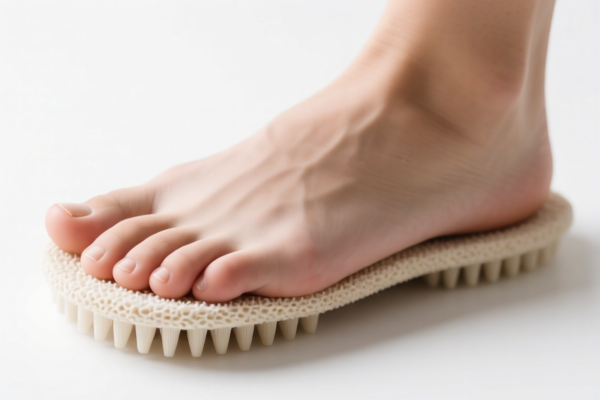
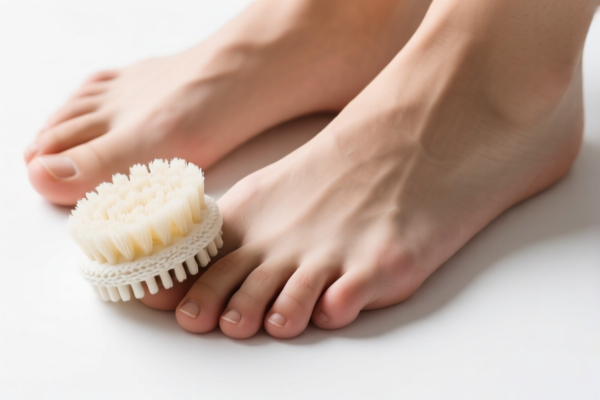
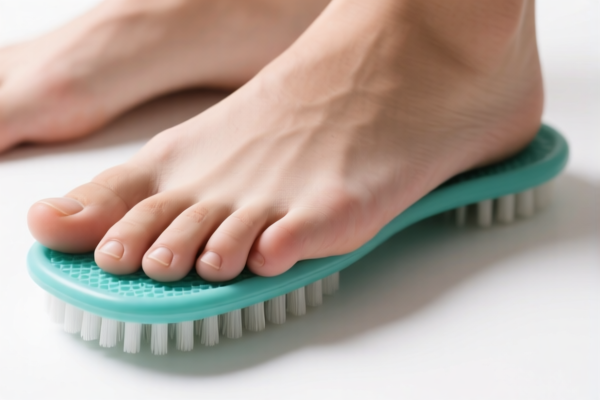

AI Analysis
🦶 Foot Scrubber (Hygienic Cleaning Tools)
🌐 HS Code Reference & Customs Clearance Guide | 2026 Latest Tariff Analysis | Professional Clearance Strategy
📌 I. Product Definition & Classification: Do You Really Understand "Foot Scrubbers"?
A Foot Scrubber generally refers to a tool designed for cleaning, exfoliating, or massaging the feet. In international trade, its classification depends strictly on its composition and primary function. It is primarily categorized under Chapter 68 (Stone, Plaster, Cement, Asbestos, Mica or Similar Materials) or Chapter 96 (Brushes, Cleaning Mops).
The critical distinction lies in whether the product is: 1. Abrasive Material on a Base: A stone, pumice, or artificial abrasive grain attached to a backing material (textile, paper, plastic). 2. A Personal Care Brush: A bristled brush specifically designed for toilet hygiene (using on the person).
⚠️ Key Differentiator:
- If it is a pumice stone, emery board, or abrasive pad (solid abrasive on a base) →归入 Chapter 68 (HS: 6805.xx)
- If it is a brush with bristles/tufts used for personal hygiene →归入 Chapter 96 (HS: 9603.29)
📦 II. HS Code Classification Details (2026 Latest Tariff Authority对照)
Based on the provided data, the Foot Scrubber is classified into four specific HS Codes depending on its material base and value.
| HS Code | Product Description | Key Characteristics | Total Tax Rate (US/CN) |
|---|---|---|---|
6805.30.50.00 |
Abrasive powder/grain on a base of other materials | Abrasive (e.g., pumice, emery) on non-textile/non-paper base (e.g., plastic/rubber backing). | 25.0% |
6805.10.00.00 |
Abrasive powder/grain on a base of woven textile fabric only | Abrasive material glued/stitched onto woven fabric. | 25.0% |
9603.29.80.90 |
Other toilet brushes (valued over 40¢ each) | Brush-type foot scrubbers (bristles/tufts), priced >$0.40/unit. | 0.0% |
9603.29.40.90 |
Other toilet brushes (valued not over 40¢ each) | Brush-type foot scrubbers (bristles/tufts), priced ≤$0.40/unit. | 0.0% |
🔍 Critical Note:
- Chapter 68 (6805) covers abrasive blocks/pads (e.g., pumice stones, nail files, emery boards). These are subject to 25% additional tariffs. - Chapter 96 (9603) covers brushes (e.g., rubber bristle scrubbers, nylon bristle foot brushes). These are subject to 0% additional tariffs. - Misclassification Risk: Declaring a pumice stone as a "brush" to avoid tariffs is a common customs violation. The physical nature (abrasive grain vs. bristle) determines the code.
💰 III. 2026 Latest Tariff Rate Detail (Tax Clauses Explained)
✅ Applicable Country: United States (US)
✅ Origin: China (CN)
✅ Effective Time: Current rates apply (Subject to Section 301 & IEEPA adjustments)
🎯 1. 6805.30.50.00 & 6805.10.00.00 —— Abrasive Scrubbers (Pumice/Emery on Base)
| Item | Detail |
|---|---|
| Base Tariff | 0.0% |
| Additional Tariff | +25.0% |
| Total Tax | 25.0% |
| Tax Detail | "Base Tariff: 0.0%, Additional Tariff: 25.0%" |
| Applicable Scenarios | - Pumice stones on plastic/rubber bases (6805.30.50.00) - Abrasive pads on woven fabric ( 6805.10.00.00) - Emery boards or nail cleaning pads with abrasive grains |
| Legal Basis | Section 301 Tariff List (China Origin) |
📌 Explanation:
- These items are considered industrial or semi-industrial abrasive goods. - The 25% additional tariff is imposed under US Trade Act Section 301 on specific Chinese imports. - Cost Impact: High. A $10 FOB item incurs an extra $2.50 in duties.
🎯 2. 9603.29.80.90 & 9603.29.40.90 —— Brush-Type Foot Scrubbers
| Item | Detail |
|---|---|
| Base Tariff | 0.0% |
| Additional Tariff | 0.0% |
| Total Tax | 0.0% |
| Tax Detail | "Base Tariff: 0.0%, Additional Tariff: 0.0%" |
| Applicable Scenarios | - Rubber-bristle foot scrubbers - Nylon-bristle foot cleaning brushes - Exfoliating brushes for personal use |
| Valuation Threshold | - Over 40¢/ea: 9603.29.80.90 - Not over 40¢/ea: 9603.29.40.90 |
| Legal Basis | General Tariff Schedule (No Section 301 impact for this subheading) |
📌 Explanation:
- These items are classified as personal hygiene brushes (Toilet Brushes). - They are exempt from the 25% additional tariff. - Strategic Advantage: If your product can be technically defined as a "brush" (with bristles/tufts) rather than an "abrasive block," you save 25% in duties.
🛠️ IV. Customs Clearance Practical Advice (Pitfall Avoidance Guide)
✅ 1. Preparation Checklist (Essential Documents)
| Document | Required? | Description |
|---|---|---|
| ✅ Product Specification | ✔️ | Must clearly state: "Foot Scrubber - Brush Type" OR "Foot Scrubber - Abrasive Stone/Pumice". |
| ✅ Material Composition | ✔️ | Detail the base material (e.g., "Nylon bristles on plastic handle") vs. Abrasive base (e.g., "Pumice grain on rubber pad"). |
| ✅ Unit Price Declaration | ✔️ | For HS 9603.29, the unit price (≤$0.40 or >$0.40) determines the specific sub-code. |
| ✅ Photos | ✔️ | Close-ups of the working surface: Bristles (Brush) vs. Rough Grain (Abrasive). |
| ✅ Commercial Invoice | ✔️ | Clearly describe the product, avoiding vague terms like "Cleaning Tool." |
✅ 2. Declaration Tips (Critical Mnemonic)
🔥 "Brush Zero, Abrasive Twenty-Five; Material Dictates the Life!"
| Scenario | Correct HS Code | Tax Rate | Common Mistake |
|---|---|---|---|
| Pumice Stone / Emery Board | 6805.30.50.00 or 6805.10.00.00 |
25% | Declaring as "Brush" to save tax → Customs Penalty |
| Rubber/Nylon Bristle Brush | 9603.29.80.90 (>40¢) |
0% | Declaring as "Abrasive Pad" → Overpaying |
| Low-Value Brush (≤40¢) | 9603.29.40.90 |
0% | N/A |
| Mixed Items (Kit) | See Specific Sub-items | Depends on Kit | Declaring as single HS code → Audit Risk |
✅ 3. Special Case Handling
| Case | Handling Suggestion |
|---|---|
| Rubber Bristle Scrubber | Classify under 9603.29 (Brush). It is not an "abrasive grain" but a flexible bristle. Tax: 0%. |
| Pumice Stone with Handle | Classify under 6805.30.50.00. It is an abrasive on a base. Tax: 25%. |
| Nail File / Emery Board | Classify under 6805.30.50.00 (if on other base) or 6805.10.00.00 (if on woven fabric). Tax: 25%. |
| Product Name on Invoice | Use precise terms: - "Nylon Bristle Foot Brush" - "Pumice Foot Scrubber Pad" |
🌍 V. Global Market Comparison (2026 Latest)
| Country/Region | Recommended HS Code (Brush Type) | Tax Rate | Notes |
|---|---|---|---|
| 🇺🇸 USA | 9603.29.80.90 |
0% | Avoid 6805 codes (25% tax) if possible by using bristles. |
| 🇨🇳 China | 9603.29 |
5-10% | Import duties vary; check specific entry codes. |
| 🇪🇺 EU | 9603.29 |
0% (Most) | Standard MFN rate; check for anti-dumping if applicable. |
| 🇬🇧 UK | 9603.29 |
0% | Post-Brexit tariff alignment. |
| 🇨🇦 Canada | 9603.29 |
0% | FTA benefits may apply for specific materials. |
📌 Conclusion:
- USA is the most critical market due to the 25% penalty on abrasive goods (6805) vs. 0% for brushes (9603). - Design Strategy: If exporting to the US, consider designing foot scrubbers with bristles (rubber/nylon) instead of abrasive stones/pumice to save 25% in tariffs.
📌 VI. Common Errors & Pitfall Guide (Lessons Learned)
❌ Error 1: Calling a Pumice Stone a "Brush"
👉 Consequence: Customs inspection reveals abrasive grain → Re-classification to 6805 → 25% tax + penalties.
❌ Error 2: Misdeclaring Unit Price for Brushes
👉 Consequence: Declaring a $1.00 brush as "under 40¢" → False declaration → Seizure or fines.
❌ Error 3: Confusing "Textile Base" with "Plastic Base"
👉 Consequence: Abrasive on plastic is 6805.30 (25%), not 6805.10 (25% but different sub-code). While tax is same, incorrect code leads to audit flags.
✅ Correct Practice:
- For Brushes: "Foot Cleaning Brush, Nylon Bristles, Plastic Handle, Retail Packaged"
- For Abrasives: "Pumice Foot Stone, Raw Pumice, No Handle" or "Abrasive Pad, Pumice Grain on Rubber Base"
🎯 VII. Conclusion: Professional Declaration, Cost Optimization!
🎯 Remember the Mantra:
🔹 "Brush Zero, Abrasive Twenty-Five; Material is the Key!"
🔹 "0% Savings on Brush, 25% Hit on Stone; Choose Design Wisely!"
📌 Pro Tip:
If your product is a combined tool (e.g., a brush with a pumice stone attachment), declare separately if packaged separately. If sold as a single unit, consult a customs broker for principal component determination, as misclassification can lead to significant retroactive taxes.
📣 Immediate Action:
📞 Verify product material composition (Bristle vs. Grain).
🚀 Optimize design for HS 9603 (0% tax) when targeting the US market.
✨ Precise classification saves thousands in duties!
Customer Reviews
About HS Code Classification
The Harmonized System (HS) is an internationally standardized nomenclature developed by the World Customs Organization (WCO) to classify traded products. Over 200 countries use the HS system as the basis for customs tariffs, trade statistics, and import/export regulations.
Each HS code follows a hierarchical structure:
- Chapter (2 digits) — Broad category of goods (e.g., Chapter 84: Machinery and Mechanical Appliances)
- Heading (4 digits) — More specific grouping within the chapter
- Subheading (6 digits) — Internationally standardized breakdown, used by all WCO member countries
- National subdivisions (8-10 digits) — Country-specific extensions for further classification, such as US HTSUS 10-digit codes
Correct HS code classification is essential for smooth customs clearance, accurate duty payment, and compliance with trade regulations. Misclassification can lead to customs delays, overpayment of duties, or penalties.
When importing from CN to US, the applicable tariff rates may include:
- Most-Favored-Nation (MFN) rate — The standard duty rate applied to WTO members
- General rate — Applied to countries without trade agreements
- Trade remedy duties — Additional tariffs such as Section 301 (anti-dumping), Section 232 (national security), or countervailing duties
The information provided on this page is for reference purposes only. For official classification, please consult with your local customs authority or a licensed customs broker.