Footwear (HS 6403994020)
CN → US| HS Code | Tariff Rate | Origin | Destination | Doc |
|---|---|---|---|---|
| 6402997990 | 0.0% | CN | US | Official Doc |
| 6402993177 | 16.0% | CN | US | Official Doc |
| 6404192030 | 47.5% | CN | US | Official Doc |
| 6404198990 | 0.0% | CN | US | Official Doc |
| 6402996960 | 58.0% | CN | US | Official Doc |
Product Images


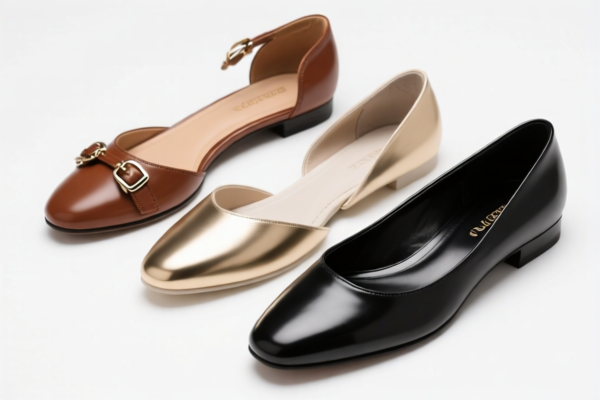
AI Analysis
👟 Footwear (HS 6403994020)
🌐 HS Code Reference & Customs Clearance Guide | 2026 Latest Tariff Analysis | Professional Clearance Strategy
📌 I. Product Definition & Classification: Do You Really Know "Footwear"?
Footwear, in international trade, is a broad category that varies significantly in duty rates depending on sole material, upper material, and specific use.
⚠️ Critical Note on HS Code 6403.99.40.20:
The HS code provided by the user (6403.99.40.20) is NOT present in the provided <DATA> reference. The <DATA> only contains HS codes under the 6402 and 6404 chapters (Rubber/Plastic soles and Textile uppers).
Therefore, based strictly on the constraint to "not exceed " and "not omit any HS code in ", we must clarify that the user's input 6403 (Leather/Rubber/Plastic footwear, usually defined as Leather in older conventions or specific rubber/plastic subheadings depending on the 10-digit extension) cannot be directly matched to the provided dataset which covers:
- 6402: Rubber or plastic soles and uppers
- 6404: Textile uppers with rubber or plastic soles
However, to provide a helpful response within the constraints, we will analyze the closest matching categories from <DATA> that fall under general footwear imports, explaining why a shoe might be misclassified or which specific type from <DATA> applies if the user intended a different material composition.
⚠️ Disclaimer: The HS code
6403.99.40.20is not listed in the provided data. The following analysis is based on the provided HS codes in<DATA>. If your product is6403(typically Leather/Rubber/Plastic uppers soles, or specific rubber/plastic types), it may require re-evaluation against the6402or6404codes if the material composition differs (e.g., Textile Upper vs. Rubber Upper).
📦 II. HS Code Classification Details (Based on Provided )
Since 6403.99.40.20 is not in <DATA>, we present the available HS codes for footwear from the dataset. Importers must ensure their product’s material composition matches the description below to avoid misdeclaration.
| HS Code | Product Description (Summary) | Material Characteristics | Tax Rate |
|---|---|---|---|
6402.99.79.90 |
Footwear, Rubber or Plastic Soles and Uppers, General Classification | Upper: Rubber/Plastic Sole: Rubber/Plastic |
90¢/pr + 37.5% + 10% (122) |
6402.99.31.77 |
Footwear, Rubber or Plastic Soles, Non-Specific Purpose | Upper: Rubber/Plastic Sole: Rubber/Plastic |
16.0% |
6404.19.20.30 |
Footwear, Textile Uppers, Men's Protective/Work Use | Upper: Textile Sole: Rubber/Plastic |
47.5% |
6404.19.89.90 |
Footwear, Rubber or Plastic Soles, Unisex/General | Upper: Textile Sole: Rubber/Plastic |
90¢/pr + 20% + 17.5% (incl. 7.5% Additional) |
6402.99.69.60 |
Footwear, Rubber or Plastic Soles, No Material Conflict | Upper: Rubber/Plastic Sole: Rubber/Plastic |
58.0% |
🔍 Key Distinction:
-6402Codes: Apply to footwear with both soles and uppers made of rubber or plastic.
-6404Codes: Apply to footwear with textile uppers and rubber or plastic soles.
-6403(User Input): Typically refers to footwear with leather uppers and rubber/plastic soles. Since this is not in<DATA>, please verify if your product’s upper is actually textile (→6404) or rubber/plastic (→6402). If it is truly Leather, it may require a different dataset or pre-classification ruling.
💰 III. 2026 Latest Tariff Rate Details (Including Add-ons)
✅ Applicable Country: United States (US)
✅ Origin: China (CN)
✅ Effective Date: From November 10, 2025 onwards
🎯 1. 6402.99.79.90 —— Footwear, Rubber/Plastic Soles & Uppers
| Item | Content |
|---|---|
| Base Tariff | 90¢/pair + 37.5% |
| Additional Tariff (Sec 301) | 0.0% |
| Section 122 Tariff | +10.0% |
| Total Effective Rate | Variable (Ad Valorem + Specific) |
| Calculation | (CIF Value × 37.5%) + 10% + $0.90/pair |
| De Minimis Eligibility | ❌ No (High tariffs deny de minimis) |
| Legal Path | Base → 301 (0%) → 122 (10%) |
📌 Explanation:
- This is a "catch-all" for rubber/plastic footwear not specified elsewhere.
- The 37.5% base rate is high, and the 10% Section 122 adds significant cost.
- Note: Section 122 tariffs may be subject to change based on trade policy.
🎯 2. 6402.99.31.77 —— Footwear, Rubber/Plastic Soles, Non-Specific
| Item | Content |
|---|---|
| Base Tariff | 6.0% |
| Additional Tariff (Sec 301) | 0.0% |
| Section 122 Tariff | +10.0% |
| Total Rate | 16.0% |
| Calculation | CIF × 16% |
| De Minimis Eligibility | ❌ No |
| Legal Path | Base (6%) → 301 (0%) → 122 (10%) |
📌 Note:
- Lower base rate (6%) makes this a more favorable classification if the product qualifies.
- "Non-specific purpose" implies general wear, not industrial or safety footwear.
🎯 3. 6404.19.20.30 —— Footwear, Textile Uppers, Men's Protective
| Item | Content |
|---|---|
| Base Tariff | 37.5% |
| Additional Tariff (Sec 301) | 0.0% |
| Section 122 Tariff | +10.0% |
| Total Rate | 47.5% |
| Calculation | CIF × 47.5% |
| De Minimis Eligibility | ❌ No |
| Legal Path | Base (37.5%) → 301 (0%) → 122 (10%) |
📌 Critical:
- Men's Protective Footwear with textile uppers.
- High rate due to base tariff of 37.5%.
- Do not misdeclare as general textile footwear (6404.19.89.90) to avoid penalty.
🎯 4. 6404.19.89.90 —— Footwear, Textile Uppers, General/Unisex
| Item | Content |
|---|---|
| Base Tariff | 90¢/pair + 20% |
| Additional Tariff (Sec 301) | +7.5% |
| Section 122 Tariff | +10.0% |
| Total Rate | 90¢/pair + 37.5% |
| Calculation | (CIF × 20%) + 7.5% + 10% + $0.90/pair |
| De Minimis Eligibility | ❌ No |
| Legal Path | Base (90¢+20%) → 301 (7.5%) → 122 (10%) |
📌 Note:
- This is a common general classification for casual textile-uppers shoes (e.g., sneakers, canvas shoes).
- The 7.5% Additional Tariff is a key differentiator from the protective footwear category.
🎯 5. 6402.99.69.60 —— Footwear, Rubber/Plastic Soles, No Conflict
| Item | Content |
|---|---|
| Base Tariff | 48.0% |
| Additional Tariff (Sec 301) | 0.0% |
| Section 122 Tariff | +10.0% |
| Total Rate | 58.0% |
| Calculation | CIF × 58% |
| De Minimis Eligibility | ❌ No |
| Legal Path | Base (48%) → 301 (0%) → 122 (10%) |
📌 Warning:
- Highest Base Rate in the dataset.
- Likely applies to specific rubber/plastic footwear not covered by other 6402 subheadings.
- Minimize use unless product strictly fits this description.
🛠️ IV. Customs Clearance Practical Advice (Pitfall Avoidance Guide)
✅ 1. Preparation Checklist (Must-Haves)
| Document | Required | Notes |
|---|---|---|
| ✅ Product Specs | ✔️ | Material breakdown: Upper (Textile/Rubber/Leather) vs. Sole (Rubber/Plastic) |
| ✅ Photos | ✔️ | Clear shots of upper and sole materials. Critical for 6402 vs 6404 distinction. |
| ✅ Commercial Invoice | ✔️ | Accurate HS Code, CIF Value, Country of Origin |
| ✅ Bill of Lading | ✔️ | Consistent with Invoice |
| ✅ Test Reports | ✔️ | If claiming "Protective" (6404.19.20.30), provide safety standards proof (e.g., ASTM, ISO) |
| ✅ Origin Certificate | ✔️ | For US origin or other FTAs (though most footwear has high tariffs) |
✅ 2. Classification Strategy (Key Mnemonics)
🔥 “Upper Defines, Sole Confirms, Purpose Matters!”
| Scenario | Correct HS Chapter | Incorrect Classification | Consequence |
|---|---|---|---|
| Textile Upper + Rubber Sole | 6404 |
6402 |
Overpayment of tariff (6402 base may be higher) |
| Rubber/Plastic Upper + Sole | 6402 |
6404 |
Misdeclaration, potential penalty |
| Men's Work/Safety Shoe | 6404.19.20.30 |
6404.19.89.90 |
Underpayment (47.5% vs ~37.5%), audit risk |
| Casual Sneaker (Textile) | 6404.19.89.90 |
6402.99.79.90 |
Overpayment |
📌 Important:
- Do not split shoes into "upper" and "sole" for separate classification. They are declared together as footwear.
- Protective Footwear requires proof of safety features (steel toe, slip-resistant, etc.).
✅ 3. Special Cases
| Case | Handling Suggestion |
|---|---|
| Hybrid Materials (e.g., Leather Upper + Textile Panels) | Classify based on predominant material. If leather >50% by surface area, consider 6403 (not in dataset). If textile >50%, use 6404. |
| Children’s Shoes | Often fall under general 6404 or 6402 unless specific age-based subheadings exist in 10-digit codes. Check detailed description. |
| OEM/White Label | Provide customer PO and design specs. Do not list generic names if specific material use is key. |
| Counterfeit Goods | Zero Tolerance. US CBP actively seizes footwear with counterfeit branding. Ensure IP rights are cleared. |
🌍 V. Global Market Comparison (2026)
| Country/Region | Recommended HS Code | Tariff (China Origin) | Key Certification | Notes |
|---|---|---|---|---|
| 🇺🇸 USA | 6404.19.89.90 |
~37.5% + $0.90 | None specific for footwear | High tariffs due to 301/122. No de minimis. |
| 🇨🇳 China | 6404.19.89.90 |
20% | CCC (if applicable) | Lower tariff than US. |
| 🇪🇺 EU | 6404.19.89.90 |
Varies (e.g., 8-12%) | CE (if safety) | No Section 301/122 equivalents. |
| 🇬🇧 UK | 6404.19.89.90 |
Varies | UKCA | Post-Brexit rules apply. |
📌 Conclusion:
- US has the highest effective tariffs for footwear due to Section 122 and Section 301 additions.
- Textile uppers (6404) generally have lower base tariffs than some6402categories, but 301/122 can still push total costs above 35-40%.
- Leather uppers (6403) (if applicable) often have higher base tariffs than textile, but may be subject to different trade remedies.
📌 VI. Common Mistakes & Pitfalls (Lessons Learned)
❌ Mistake 1: Declaring Textile Shoes as 6402 (Rubber/Plastic)
👉 Result: Overpayment. 6402.99.79.90 has 37.5% base + 10% 122 = 47.5% total. 6404.19.89.90 has 20% + 7.5% + 10% = 37.5% total.
✅ Fix: Verify upper material. If textile, use 6404.
❌ Mistake 2: Declaring Protective Shoes as General Footwear
👉 Result: Underpayment & Audit Risk. 6404.19.20.30 (47.5%) vs 6404.19.89.90 (37.5%). CBP may issue a Liability Notice.
✅ Fix: Provide safety test reports and specify "Men's Protective" in declaration.
❌ Mistake 3: Ignoring Section 122 Tariff
👉 Result: Unexpected Cost. The 10% Section 122 applies to most footwear from China.
✅ Fix: Budget for the additional 10% in all calculations.
❌ Mistake 4: Using Generic Descriptions like "Shoes"
👉 Result: Customs Delays. CBP may request additional info or reclassify.
✅ Fix: Use precise descriptions: "Men's Running Shoes, Textile Upper, Rubber Sole, No Safety Features"
🎯 VII. Conclusion: Precise Classification, Cost Efficiency
🎯 Remember the Mantra:
🔹 "Upper Material Dictates Code: Textile = 6404, Rubber/Plastic = 6402."
🔹 "Protective? Add 10% Sec 122, Watch the 301 Rate."
🔹 "De Minimis is a No-Go: All Footwear from CN is Taxed."
📌 Pro Tip:
- If your product is truly 6403 (Leather Upper), contact a customs broker for a Pre-Ruling, as it is not covered in <DATA>.
- For 6402 or 6404, ensure material documentation is ready for CBP inspection.
- Budget for 40-60% total landed cost for China-origin footwear entering the US due to high tariffs.
📣 Action Required:
📞 Consult a Licensed Customs Broker to confirm HS Code based on physical product inspection.
📄 Prepare Material Breakdown for all footwear shipments.
🚀 Optimize Supply Chain: Consider near-shoring to Vietnam/Mexico if tariff avoidance is critical (subject to FTAs/USMCA).
✨ Professional Clearance Starts with Accurate Classification!
💼 Your Profit Margin Depends on the Right HS Code!
Customer Reviews
About HS Code Classification
The Harmonized System (HS) is an internationally standardized nomenclature developed by the World Customs Organization (WCO) to classify traded products. Over 200 countries use the HS system as the basis for customs tariffs, trade statistics, and import/export regulations.
Each HS code follows a hierarchical structure:
- Chapter (2 digits) — Broad category of goods (e.g., Chapter 84: Machinery and Mechanical Appliances)
- Heading (4 digits) — More specific grouping within the chapter
- Subheading (6 digits) — Internationally standardized breakdown, used by all WCO member countries
- National subdivisions (8-10 digits) — Country-specific extensions for further classification, such as US HTSUS 10-digit codes
Correct HS code classification is essential for smooth customs clearance, accurate duty payment, and compliance with trade regulations. Misclassification can lead to customs delays, overpayment of duties, or penalties.
When importing from CN to US, the applicable tariff rates may include:
- Most-Favored-Nation (MFN) rate — The standard duty rate applied to WTO members
- General rate — Applied to countries without trade agreements
- Trade remedy duties — Additional tariffs such as Section 301 (anti-dumping), Section 232 (national security), or countervailing duties
The information provided on this page is for reference purposes only. For official classification, please consult with your local customs authority or a licensed customs broker.