Footwear (HS 6403999071)
CN → US| HS Code | Tariff Rate | Origin | Destination | Doc |
|---|---|---|---|---|
| 6402997990 | 0.0% | CN | US | Official Doc |
| 6402993177 | 16.0% | CN | US | Official Doc |
| 6403999071 | 20.0% | CN | US | Official Doc |
| 6402996930 | 58.0% | CN | US | Official Doc |
| 6404198990 | 0.0% | CN | US | Official Doc |
Product Images
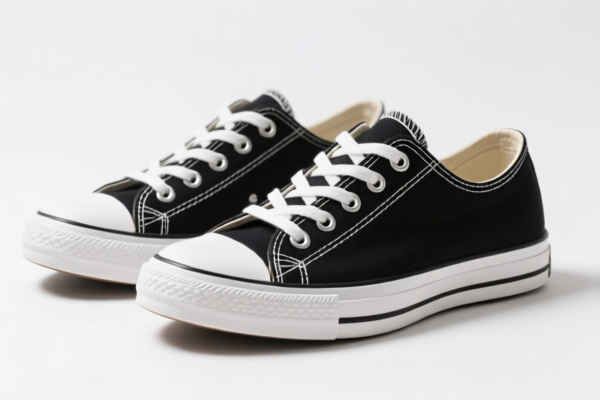
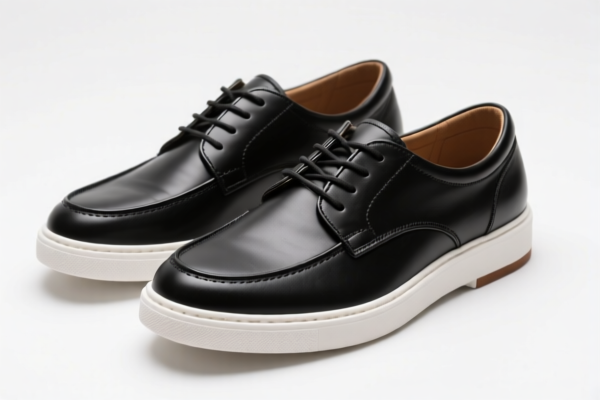
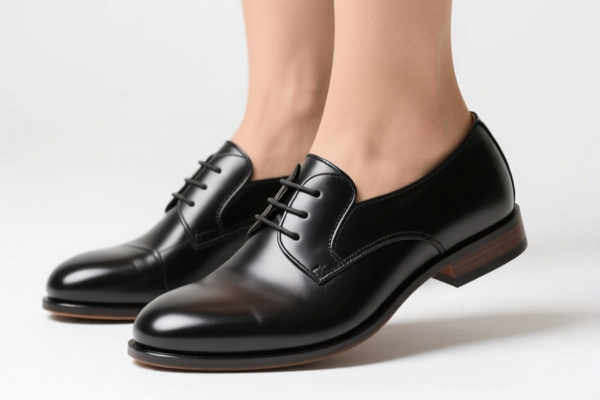
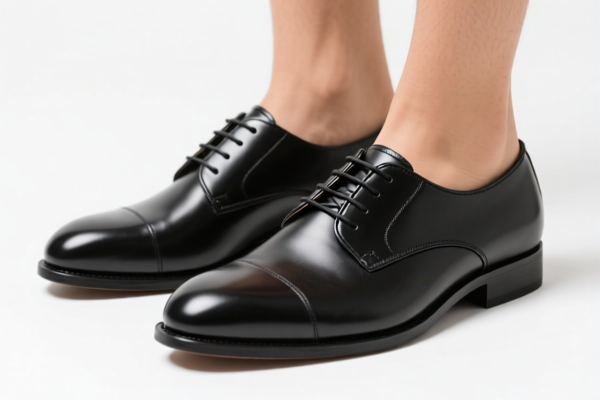
AI Analysis
👟 Footwear with Plastic Soles (HS 6403.99.90.71)
🌐 HS Code Reference & Customs Clearance Guide | 2026 Latest Tariff Analysis | Professional Clearance Strategy
📌 1. Product Definition & Classification: Do You Really Know "Plastic-Sole Footwear"?
Footwear with plastic soles is a broad category in international trade, primarily distinguished by the material of the outsole. In the context of HS Code 6403.99.90.71, this code serves as a catch-all ("fallback") classification under the footwear大类 (Chapter 64).
Key Distinction:
Plastic Outsoles: The defining feature is that the outer sole and the upper are made of rubber, plastic, or similar materials.
"Fallback" Category: This specific 10-digit code (6403.99.90.71) is used when the footwear does not fit more specific subcategories (e.g., sports shoes, leather uppers, or specific gender-based classifications). It is the "general balance" category for plastic-soled shoes that don’t match other precise descriptors.
⚠️ Critical Classification Point:
- If the upper is leather or other materials but the sole is plastic, and it doesn’t fit specific sport/specialty codes →6403.99.90.71.
- Misclassification as leather-upper footwear or textile footwear can lead to significant tax discrepancies and customs delays.
📦 2. HS Code Classification Details (2026 Latest Tariff Authority Comparison)
While the user input specifically asks for 6403.99.90.71, the provided data contains multiple footwear HS codes. Below is the exact mapping for the requested code based on the <DATA>, followed by context on why other codes in the data are different.
| HS Code | Product Description | Applicability | Outsole Material | Upper Material |
|---|---|---|---|---|
6403.99.90.71 |
Footwear, plastic sole, fallback category | General plastic-soled shoes not fitting specific subcategories | Plastic | Various (Catch-all) |
6402.99.79.90 |
Rubber/Plastic sole & upper, specific classification | Specific rubber/plastic combinations | Rubber/Plastic | Rubber/Plastic |
6402.99.31.77 |
Rubber/Plastic sole & upper, other catch-all | General rubber/plastic fallback | Rubber/Plastic | Rubber/Plastic |
6402.99.69.30 |
Rubber/Plastic sole & upper, fallback logic | General rubber/plastic fallback | Rubber/Plastic | Rubber/Plastic |
6404.19.89.90 |
Rubber/Plastic sole, non-specific gender/type | Unisex/General plastic/rubber soles | Rubber/Plastic | Various |
🔍 Key Reminder:
-6403generally implies plastic soles with upper material other than rubber/plastic (often leather, textile, or other).
-6402and6404generally imply rubber or plastic soles where the upper is also rubber/plastic (or specific textile types in 6404).
-6403.99.90.71is unique because it sits under the "Plastic Sole" chapter (6403) but acts as a "fallback" for items that don’t match more precise definitions.
💰 3. 2026 Latest Tariff Rate Breakdown (Including Additional Taxes)
✅ Applicable Country: United States (US)
✅ Country of Origin: China (CN)
✅ Effective Time: Current regulations apply
🎯 1. 6403.99.90.71 —— Footwear, Plastic Sole (Fallback Category)
| Item | Details |
|---|---|
| Ad Valorem Tariff Rate | 10.0% (Basic Duty) |
| Section 301/Additional Tariff | 0.0% (As per provided data) |
| Section 122 Tariff | 10.0% (Specific 122 clause tariff) |
| Total Effective Rate | 20.0% |
| Tax Calculation | CIF Value × 20.0% |
| De Minimis Exemption | ❌ Not Eligible (Footwear generally excluded from de minimis benefits under strict interpretation of Section 122) |
| Legal Basis Path | HTSUS:6403.99.90.71 → Section 122:10% |
📌 Explanation:
- The Basic Tariff for this HS code is 10.0%.
- According to the provided data, there is no additional 301 tariff applied to this specific code (0.0%).
- However, a Section 122 Tariff of 10.0% is applied.
- Total Cost Impact: 20% of the CIF value.
- Note: Section 122 tariffs often apply to specific categories of goods to protect domestic industries or address trade imbalances. Footwear is a sensitive category, so this 10% additive is significant.
🛠️ 4. Customs Clearance Practical Advice (Pitfall Avoidance Guide)
✅ 1. Documentation Checklist (Essential)
| Document | Required | Explanation |
|---|---|---|
| ✅ Product Description | ✔️ | Must specify "Footwear, Plastic Sole" and detail the upper material (e.g., textile, leather, synthetic). |
| ✅ Material Breakdown | ✔️ | Clearly state the composition of the outsole (must be plastic) and upper. |
| ✅ Commercial Invoice | ✔️ | Must match the HS code 6403.99.90.71 and include CIF value. |
| ✅ Packing List | ✔️ | Ensure quantities match; avoid splitting shipments to manipulate de minimis if restricted. |
| ✅ Photos | ✔️ | Show the sole material clearly (plastic vs. rubber vs. leather) to justify HS code. |
✅ 2. Declaration Tips (Key Mnemonic)
🔥 "Plastic Sole, Plastic Tax, 20% Total, Check Section 122!"
| Scenario | Correct Declaration | Incorrect Practice |
|---|---|---|
| Plastic sole, textile upper | 6403.99.90.71 |
Misdeclaring as 6402 (rubber/plastic upper) → Risk of penalty. |
| Rubber sole | 6402.xxxx.xxxx |
Using 6403 → Classification error, 20% vs 58% tax risk. |
| Plastic upper & sole | 6402.99.xxxx |
Using 6403 → Wrong chapter, potential audit flag. |
| Leather upper, rubber sole | 6404.xxxx or 6402.xxxx |
Using 6403 → 6403 is specifically for plastic soles. |
📌 Critical Note:
- Do not confuse "Plastic Sole" with "Rubber Sole".
-6403= Plastic Soles.
-6402/6404= Rubber or Plastic Soles (but often implies rubber/plastic uppers or textile uppers with specific sole types).
- If the sole is rubber, using6403.99.90.71is a major error. Rubber sole footwear often falls under6402or6404, which have different tax rates (e.g.,6402.99.69.30has a 58% total tax rate!).
✅ 3. Special Cases
| Case | Handling Advice |
|---|---|
| Mixed Materials | If the outsole is a composite, the dominant material determines the code. If plastic is dominant, 6403 applies. |
| Footwear with Removable Insoles | Still classified by outsole and upper. Insoles do not change the HS code. |
| Safety Footwear | If for safety purposes, check for specific subcategories (e.g., 6403.91, 6403.92). If none apply, 6403.99.90.71 is the fallback. |
| Child Footwear | Check if gender-specific or age-specific codes apply. If not, 6403.99.90.71 may still apply as a fallback. |
🌍 5. Global Market Comparison (2026 Latest)
| Country/Region | Recommended HS Code | Tariff Rate | Certification Required | Remarks |
|---|---|---|---|---|
| 🇺🇸 USA | 6403.99.90.71 |
20% (10% Base + 10% Sec 122) | None specific (General) | High tariff due to Section 122. |
| 🇨🇳 China | 6403.99.90.71 |
10-12% (Import Duty) | CCC (if applicable) | Lower tariff, no Section 122. |
| 🇪🇺 EU | 6403.99.90 |
0-12% (Varies) | CE (if safety) | VAT applies separately. |
| 🇬🇧 UK | 6403.99.90 |
0-12% | CE/UKCA | Post-Brexit rules apply. |
📌 Conclusion:
- The USA has a 20% effective tariff for this specific footwear code.
- This is higher than some other footwear categories (e.g.,6402.99.31.77has 16% total).
- Cost Optimization: Consider if the footwear can be classified under a different HS code (e.g., if the sole is rubber, it might fall under6402with 0% Section 301 but 58% total for some codes, or 16% for others). Always verify sole material!
📌 6. Common Errors & Pitfalls (Lessons Learned)
❌ Error 1: Misidentifying Plastic vs. Rubber soles.
👉 Consequence: Using 6403 for rubber soles → Incorrect classification, potential 58% tax instead of 20%, or legal penalties.
❌ Error 2: Ignoring Section 122 Tariff.
👉 Consequence: Budgeting only for the 10% base tariff → Unexpected 20% total cost → Margin erosion.
❌ Error 3: Using "Footwear" as a generic description.
👉 Consequence: Customs may reclassify based on material, leading to delays and re-assessment.
❌ Error 4: Assuming all plastic-soled footwear is the same.
👉 Consequence: Different subcategories may have different Section 122 applicability. Verify the 10-digit code.
✅ Correct Practice:
"Plastic-Sole Footwear, Textile Upper, Unisex, Model XYZ, CIF Value $10,000, HS Code: 6403.99.90.71, Total Duty: $2,000 (20%)"
🎯 7. Conclusion: Precise Classification, Cost Control!
🎯 Remember the Mnemonic:
🔹 "Plastic Sole, Code 6403, 20% Total Tax, Check Section 122!"
🔹 "Rubber Sole? Code 6402, Tax Could Be 58%, Don’t Get Caught!"
🔹 "HS Code Saves Money, Misclassification Costs Fortune!"
📌 Pro Tip:
If your footwear has a rubber sole, do not use 6403.99.90.71. Check 6402 or 6404 codes. The tax rate difference can be huge (e.g., 20% vs 58% vs 16%).
Always consult a customs broker for pre-classification if the material is ambiguous (e.g., TPU, EVA, PU).
📣 Immediate Action:
📞 Verify sole material → Confirm HS Code → Calculate 20% Duty → Prepare Clear Documentation.
🚀 Clear Customs Smoothly, Keep Margins High!
✨ Professional Clearance Starts with Accurate Classification!
💼 Every Dollar Counts in Tariffs!
Customer Reviews
About HS Code Classification
The Harmonized System (HS) is an internationally standardized nomenclature developed by the World Customs Organization (WCO) to classify traded products. Over 200 countries use the HS system as the basis for customs tariffs, trade statistics, and import/export regulations.
Each HS code follows a hierarchical structure:
- Chapter (2 digits) — Broad category of goods (e.g., Chapter 84: Machinery and Mechanical Appliances)
- Heading (4 digits) — More specific grouping within the chapter
- Subheading (6 digits) — Internationally standardized breakdown, used by all WCO member countries
- National subdivisions (8-10 digits) — Country-specific extensions for further classification, such as US HTSUS 10-digit codes
Correct HS code classification is essential for smooth customs clearance, accurate duty payment, and compliance with trade regulations. Misclassification can lead to customs delays, overpayment of duties, or penalties.
When importing from CN to US, the applicable tariff rates may include:
- Most-Favored-Nation (MFN) rate — The standard duty rate applied to WTO members
- General rate — Applied to countries without trade agreements
- Trade remedy duties — Additional tariffs such as Section 301 (anti-dumping), Section 232 (national security), or countervailing duties
The information provided on this page is for reference purposes only. For official classification, please consult with your local customs authority or a licensed customs broker.