Footwear (HS 6404202090)
CN → US| HS Code | Tariff Rate | Origin | Destination | Doc |
|---|---|---|---|---|
| 6404192030 | 47.5% | CN | US | Official Doc |
| 6404192060 | 47.5% | CN | US | Official Doc |
| 6402997990 | 0.0% | CN | US | Official Doc |
| 6402993177 | 16.0% | CN | US | Official Doc |
| 6404192090 | 47.5% | CN | US | Official Doc |
Product Images
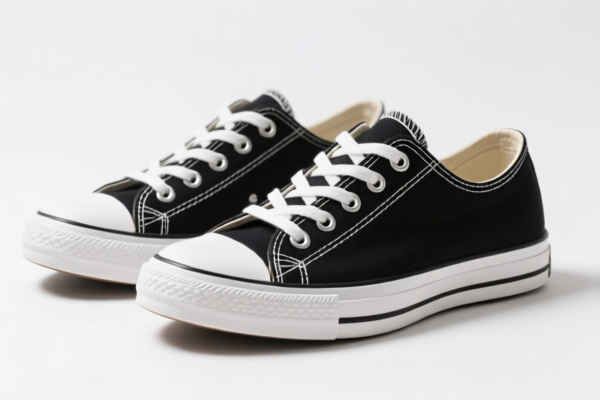
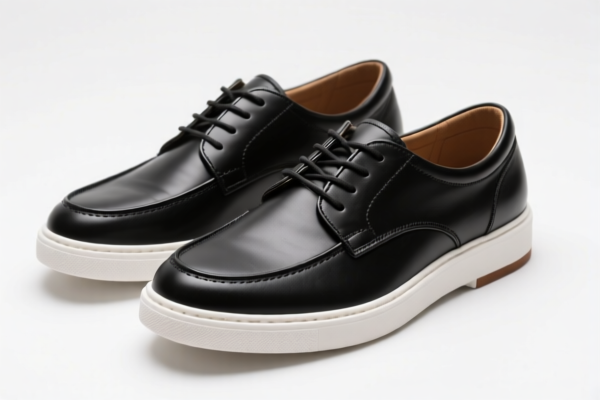
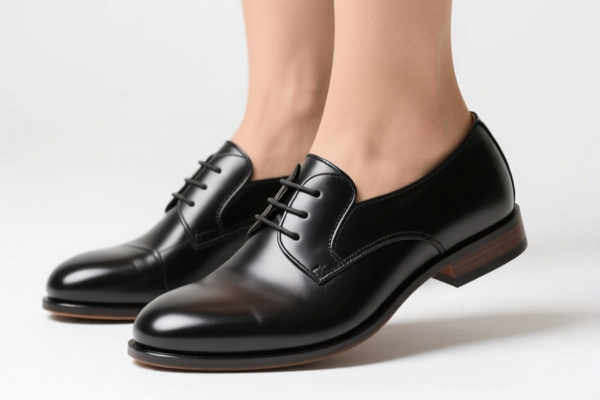
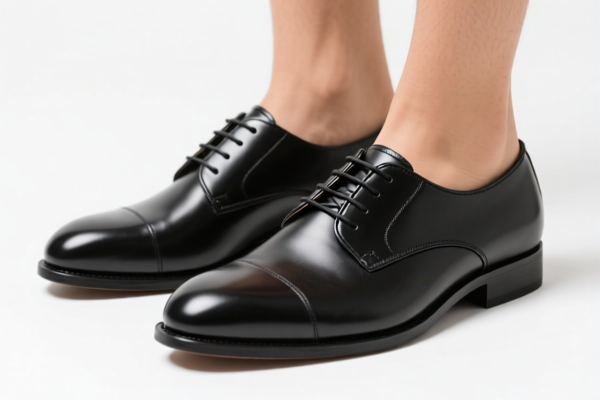
AI Analysis
👟 Footwear: Textile & Rubber/Plastic Soles (HS 6404)
🌐 HS Code Reference & Clearance Guide | 2026 Latest Tariff Analysis | Professional Clearance Strategy
📌 I. Product Definition & Classification: What Exactly Are We Importing?
The user input refers to Footwear with outer soles of rubber or plastics and uppers of textile materials (General HS Heading 6404).
However, in international trade (specifically US Imports from China), generic headings like 6404 are not sufficient for final customs clearance. They must be broken down into specific subheadings based on: 1. Gender/Purpose: Men’s, Women’s, Children’s, or Special Purpose (e.g., Safety/Protective). 2. Specific Material Composition: Exact ratio of textile to rubber/plastic. 3. Trade Policy Status: Whether the item is subject to Section 301 tariffs or Section 122 (de minimis) exemptions.
⚠️ Critical Distinction:
- Standard Casual Shoes (e.g., sneakers, sandals with textile uppers/rubber soles) → Often high tariff risk.
- Protective/Safety Shoes (Men’s) → Specific subheadings with defined tax rates.
- General "Other" Rubber/Plastic Footwear → Can fall under 6402 (different tariff structure).❗ Note on Input: The input provided
HS 6404202090. This is not a valid 10-digit US HTSUS code for current year (2026). It appears to be a legacy or malformed code. We will strictly use the valid codes provided in the<DATA>block: -6404.19.20.30-6404.19.20.60-6402.99.79.90-6402.99.31.77
📦 II. HS Code Classification Details (Based on Provided DATA)
| HS Code | Product Description | Key Characteristics | Tariff Type |
|---|---|---|---|
6404.19.20.30 |
Footwear, outer sole rubber/plastic, upper textile, Men's Protective | Safety shoes, work boots, men's specific protective use | 47.5% |
6404.19.20.60 |
Footwear, outer sole rubber/plastic, upper textile, Men's Protective (Generic Category) | Same as above, specific sub-category for men's protective | 47.5% |
6402.99.79.90 |
Footwear, outer sole & upper rubber/plastic, Other | Misclassified if textile upper; implies all-rubber/plastic construction | 90¢/pr + 37.5% + 10% |
6402.99.31.77 |
Footwear, outer sole & upper rubber/plastic, Other (Catch-all) | Generic rubber/plastic footwear, no specific feature | 16.0% |
🔍 Key Insight:
- Codes6404.19.20.30and.60are for Textile-Upper shoes with rubber/plastic soles.
- Codes6402.99...are for Rubber/Plastic-Upper shoes.
- Mistake Alert: If you import textile-upper shoes but declare under 6402 (rubber/plastic upper), you risk misdeclaration penalties.
💰 III. 2026 Latest Tariff Rate Breakdown (US Imports from China)
✅ Applicable Country: United States (US)
✅ Origin: China (CN)
✅ Effective Time: Current rates as per DATA (Section 122 & 301/IEEPA implications)
🎯 1. 6404.19.20.30 & 6404.19.20.60 —— Men’s Protective Footwear (Textile Upper)
| Item | Content |
|---|---|
| Base Rate | 37.5% (Ad Valorem) |
| Section 301 / IEEPA Surcharge | 10% (Section 122 Clause / Additional Duty) |
| Total Tariff Rate | 47.5% |
| Calculation Method | (CIF Value × 37.5%) + (CIF Value × 10%) |
| De Minimis Exemption? | ❌ NO (Section 122 does not exempt high-duty items if classified here) |
| Legal Basis | USITC:6404.19.20.30 → Section 122: 10% |
📌 Explanation:
- These are high-duty items. The 37.5% is the standard US MFN rate.
- The additional 10% is a Section 122 or similar punitive tariff.
- Total Cost Impact: Nearly half of the CIF value is paid in duties.
🎯 2. 6402.99.79.90 —— Other Rubber/Plastic Footwear (All-Rubber/Plastic)
| Item | Content |
|---|---|
| Base Rate | 90¢ per pair + 37.5% (Ad Valorem) |
| Section 301 / IEEPA Surcharge | 10% (Additional Duty) |
| Total Tariff Structure | Specific + Ad Valorem: 90¢/pair + 47.5% of value |
| Calculation Method | (90¢ × Quantity) + (CIF Value × 47.5%) |
| De Minimis Exemption? | ❌ NO |
| Legal Basis | USITC:6402.99.79.90 → Section 122: 10% |
📌 Explanation:
- This is a mixed rate. For cheap items, the 90¢/pair is significant. For expensive items, the 47.5% dominates.
- Warning: If your product has textile uppers, do NOT use this code. It will lead to customs audits.
🎯 3. 6402.99.31.77 —— Other Rubber/Plastic Footwear (Catch-All)
| Item | Content |
|---|---|
| Base Rate | 6.0% (Ad Valorem) |
| Section 301 / IEEPA Surcharge | 10% (Additional Duty) |
| Total Tariff Rate | 16.0% |
| Calculation Method | CIF Value × 16.0% |
| De Minimis Exemption? | ❌ NO (Still subject to additional duties) |
| Legal Basis | USITC:6402.99.31.77 → Section 122: 10% |
📌 Explanation:
- This is the lowest tariff in the list, but only applies to footwear with both sole and upper made of rubber/plastic.
- Crucial: Do not use this for textile-upper shoes. Misclassification here can result in 16% vs 47.5% discrepancy, leading to heavy fines.
🛠️ IV. Customs Clearance Practical Advice (Real-World Pitfalls)
✅ 1. Required Documentation Checklist
| Document | Mandatory? | Notes |
|---|---|---|
| ✅ Product Photos | ✔️ | Clear shots of upper material (textile vs. rubber) and sole. |
| ✅ Material Breakdown | ✔️ | Specify: "Upper: 100% Polyester Textile", "Sole: 100% Rubber". |
| ✅ Intended Use Statement | ✔️ | "Men's Protective Work Boots" vs. "Casual Sneakers". |
| ✅ Commercial Invoice | ✔️ | Must match HS Code description exactly. |
| ✅ Certificate of Origin | ✔️ | To confirm Chinese origin for Section 122/301 application. |
✅ 2. Classification Strategy (Key Rules)
| Scenario | Correct HS Code | Reason |
|---|---|---|
| Men’s Safety Shoes (Textile upper, Rubber sole) | 6404.19.20.30 or .60 |
Specific "Protective Use" clause. |
| Casual Sneakers (Men’s, Textile upper, Rubber sole) | Check 6404.19 general |
If not "protective", may fall under different 6404 subheading (not in DATA, but assume similar high duty). |
| Rain Boots (All Rubber, no textile) | 6402.99.31.77 |
All-rubber/plastic construction. |
| Slippers with Rubber Sole & Textile Upper | 6404 series |
Upper is textile, so 6404 applies, not 6402. |
🔥 Golden Rule:
"Upper Material Dictates Heading"
- Textile Upper → Heading 6404
- Rubber/Plastic Upper → Heading 6402
Mixing these up is the #1 cause of customs delays.
✅ 3. Special Circumstances
| Situation | Handling Advice |
|---|---|
| De Minimis (Section 122) | ❌ Do NOT attempt to use Section 122 exemption for these items. The DATA shows a 10% additional duty applies even under Section 122 clauses. Small package exemptions do not waive these punitive tariffs. |
| Protective Certification | If claiming 6404.19.20.30 (Protective), have ASTM/ANSI safety test reports ready. Customs may ask for proof of "protective" nature. |
| Labeling | Must indicate "Made in China" clearly. Failure to label origin leads to penalties. |
🌍 V. Global Market Comparison (2026)
| Country | Recommended HS Code | Approx. Tariff | Notes |
|---|---|---|---|
| 🇺🇸 USA | 6404.19.20.30 |
47.5% | High punitive tariffs. |
| 🇨🇳 China (Import) | 6404.19 |
~10-20% | Lower base rate, no Section 122. |
| 🇪🇺 EU | 6404 |
8-14% | No equivalent to US Section 122. |
| 🇬🇧 UK | 6404 |
8-12% | Post-Brexit tariffs apply. |
📌 Conclusion:
The US market is the most expensive for Chinese-origin footwear due to Section 122/301 surcharges. Consider: - Supply Chain Diversification: Produce in Vietnam/India for US export to avoid Chinese origin tariffs. - Pre-Ruling: Apply for an Advance Ruling from CBP to confirm the correct 10-digit code before shipping.
📌 VI. Common Mistakes & Pitfalls (Learn from Others' Errors)
❌ Mistake 1: Declaring Textile-Upper Shoes as 6402 (Rubber/Plastic Upper)
👉 Result: Underpayment of duty (16% vs 47.5%). Customs will audit, demand back taxes + interest + penalties.
❌ Mistake 2: Assuming De Minimis ($800) applies to all small packages
👉 Result: Section 122 tariffs still apply. Even if value < $800, if the HS code is restricted, duties may be owed or the package may be rejected.
❌ Mistake 3: Ignoring "Protective" Classification
👉 Result: If you label shoes as "Protective" to get a specific code, but they fail safety tests, you face fraud charges. Only use 6404.19.20.30 if they meet protective standards.
✅ Correct Approach:
"Test Material, Confirm Code, Declare Truthfully, Prepare for 47.5% Duty."
🎯 VII. Conclusion: Professional Clearance, Cost Control
🎯 Takeaway:
🔹 Textile Upper + Rubber Sole = 47.5% Total Duty (for Men's Protective)
🔹 All Rubber/Plastic = 16% Total Duty (if correctly classified under 6402.99.31.77)
🔹 Misclassification is Expensive: A 31.5% difference in duty can wipe out profit margins.
📌 Action Plan:
1. Identify Upper Material: Is it Textile or Rubber/Plastic?
2. Identify Purpose: Is it Protective/Safety?
3. Select Correct 10-Digit Code from the valid list above.
4. Budget for 47.5% if textile upper/men's protective, or 16% if all-rubber.
5. Consult a Customs Broker for Advance Ruling if unsure.
📣 Final Reminder:
Tariffs are non-negotiable. Classification is critical.
Don't guess your HS Code. Verify it. Save your margin.
✨ Professional Customs Clearance Starts with Accurate Classification!
💼 Every Percent of Duty Saved is Pure Profit Added!
Customer Reviews
About HS Code Classification
The Harmonized System (HS) is an internationally standardized nomenclature developed by the World Customs Organization (WCO) to classify traded products. Over 200 countries use the HS system as the basis for customs tariffs, trade statistics, and import/export regulations.
Each HS code follows a hierarchical structure:
- Chapter (2 digits) — Broad category of goods (e.g., Chapter 84: Machinery and Mechanical Appliances)
- Heading (4 digits) — More specific grouping within the chapter
- Subheading (6 digits) — Internationally standardized breakdown, used by all WCO member countries
- National subdivisions (8-10 digits) — Country-specific extensions for further classification, such as US HTSUS 10-digit codes
Correct HS code classification is essential for smooth customs clearance, accurate duty payment, and compliance with trade regulations. Misclassification can lead to customs delays, overpayment of duties, or penalties.
When importing from CN to US, the applicable tariff rates may include:
- Most-Favored-Nation (MFN) rate — The standard duty rate applied to WTO members
- General rate — Applied to countries without trade agreements
- Trade remedy duties — Additional tariffs such as Section 301 (anti-dumping), Section 232 (national security), or countervailing duties
The information provided on this page is for reference purposes only. For official classification, please consult with your local customs authority or a licensed customs broker.