Footwear (HS Code 6402199031)
CN → US| HS Code | Tariff Rate | Origin | Destination | Doc |
|---|---|---|---|---|
| 6402997990 | 0.0% | CN | US | Official Doc |
| 6402993177 | 16.0% | CN | US | Official Doc |
| 6404192030 | 47.5% | CN | US | Official Doc |
| 6402914050 | 16.0% | CN | US | Official Doc |
| 6405100090 | 27.5% | CN | US | Official Doc |
Product Images
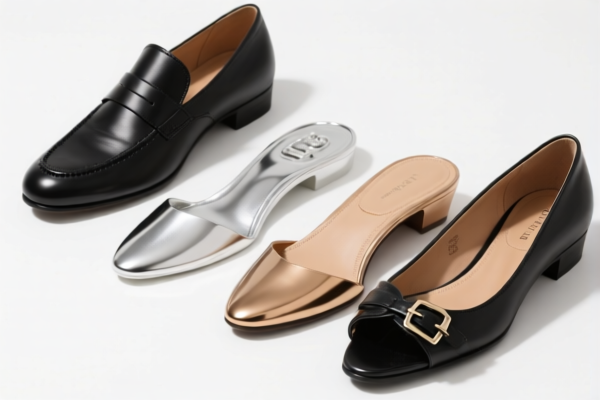


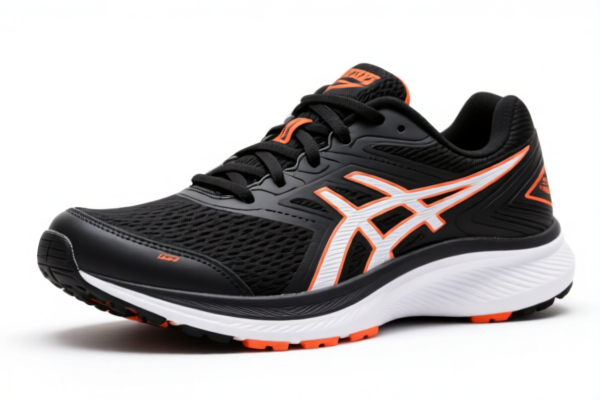
AI Analysis
👟 Footwear (Rubber/Plastic Soles & Uppers - Specific Categories)
🌐 HS Code Reference & Clearance Guide | 2026 Latest Tariff Analysis | Professional Clearance Strategy
📌 I. Product Definition & Classification: Understanding "Footwear" in Trade
Footwear, classified under Chapter 64 (Footwear, Headgear, Umbrellas...), is a broad category. However, HS Code 6402.19.90.31 (and related codes in the dataset) refers specifically to:
- Material Composition: Footwear with outer soles and uppers of rubber or plastics.
- Specific Classification: Often categorized under "Other footwear" or specific sub-categories like "Non-sporting," "Protective," or "Generic" depending on the exact suffix (e.g., .31, .79, .40, .20).
- Key Distinction: Unlike textile-based footwear (e.g., sneakers with canvas/mesh), these are defined by their rubber/plastic construction. This triggers different tariff treatments, especially under US Section 301 and Section 232/122 tariffs.
⚠️ Critical Note:
- The provided data includes multiple sub-headings under 6402 and 6404 (Textile).
- 6402 = Rubber/Plastic soles/uppers.
- 6404 = Textile uppers.
- 6405 = Other footwear (often rubber/plastic but distinct classification).
- All listed items are subject to significant US additional tariffs.
📦 II. HS Code Classification Details (From Provided DATA)
| HS Code | Product Description (Summary) | Total Tax Rate | Tax Breakdown |
|---|---|---|---|
6402.99.79.90 |
Footwear, rubber/plastic sole/upper, "Other" classification | 90¢/pr. + 37.5% + 10.0% | Base: 90¢/pr. + 37.5% Addl: 0% 122: 10% |
6402.99.31.77 |
Footwear, rubber/plastic sole/upper, Non-specific purpose | 16.0% | Base: 6.0% Addl: 0% 122: 10% |
6404.19.20.30 |
Footwear, textile upper, Men's protective footwear | 47.5% | Base: 37.5% Addl: 0% 122: 10% |
6402.91.40.50 |
Footwear, rubber/plastic sole/upper, "Other" classification | 16.0% | Base: 6.0% Addl: 0% 122: 10% |
6405.10.00.90 |
Footwear, rubber/plastic sole, Other category compatibility | 27.5% | Base: 10.0% Addl: 7.5% 122: 10% |
🔍 Key Observation:
- Base Duties vary significantly: From 6% to 37.5%.
- Section 122 Tariff: A flat 10% is applied to ALL items in the dataset.
- Section 301 (37.5%): Applies only to specific sub-headings (e.g., 6402.99.79.90, 6404.19.20.30).
- Ad Valorem vs. Specific: Some items have a per-pair charge (90¢) PLUS percentage duty.
💰 III. 2026 Latest Tariff Rate Details (Including Additional Taxes)
✅ Applicable Country: USA (US)
✅ Origin: China (CN) (Implied by Section 122 and typical trade context)
✅ Effective Date: Current (2025–2026)
🎯 1. 6402.99.79.90 — Rubber/Plastic Footwear, "Other"
| Item | Detail |
|---|---|
| Base Duty | 90¢/pair + 37.5% (Ad Valorem) |
| Section 301 Addl | Included in the 37.5% (High rate) |
| Section 122 Addl | +10% (Flat percentage on CIF) |
| Total Effective Rate | Complex: 90¢ per pair + 47.5% of value |
| Calculation | (90¢ × Qty) + (CIF Value × 47.5%) |
| De Minimis Exemption | ❌ Not Eligible |
📌 Explanation:
- This is a high-cost category. The 37.5% base rate suggests it’s classified under Section 301 high-tariff goods.
- The 10% Section 122 is added on top.
- Warning: Per-pair charges make small shipments disproportionately expensive.
🎯 2. 6402.99.31.77 — Non-Specific Purpose Rubber/Plastic Footwear
| Item | Detail |
|---|---|
| Base Duty | 6.0% |
| Section 301 Addl | 0% (Not listed) |
| Section 122 Addl | +10% |
| Total Effective Rate | 16.0% |
| Calculation | CIF Value × 16% |
| De Minimis Exemption | ❌ Not Eligible |
📌 Note:
- Lower base duty (6%) makes this more favorable.
- Still subject to the 10% Section 122 tariff.
- Ideal for "general purpose" footwear not falling into high-risk sub-categories.
🎯 3. 6404.19.20.30 — Textile Upper, Men’s Protective Footwear
| Item | Detail |
|---|---|
| Base Duty | 37.5% |
| Section 301 Addl | Included in 37.5% |
| Section 122 Addl | +10% |
| Total Effective Rate | 47.5% |
| Calculation | CIF Value × 47.5% |
| De Minimis Exemption | ❌ Not Eligible |
📌 Warning:
- Despite being "textile upper" (6404), this is a high-tariff item.
- Likely classified as "protective footwear" triggering higher scrutiny.
- Not eligible for de minimis.
🎯 4. 6402.91.40.50 — Rubber/Plastic Footwear, "Other"
| Item | Detail |
|---|---|
| Base Duty | 6.0% |
| Section 301 Addl | 0% |
| Section 122 Addl | +10% |
| Total Effective Rate | 16.0% |
| Calculation | CIF Value × 16% |
| De Minimis Exemption | ❌ Not Eligible |
📌 Note:
- Same rate as6402.99.31.77.
- Favorable for standard rubber/plastic footwear.
🎯 5. 6405.10.00.90 — Other Rubber/Plastic Footwear
| Item | Detail |
|---|---|
| Base Duty | 10.0% |
| Section 301 Addl | +7.5% |
| Section 122 Addl | +10% |
| Total Effective Rate | 27.5% |
| Calculation | CIF Value × 27.5% |
| De Minimis Exemption | ❌ Not Eligible |
📌 Note:
- Mid-range tariff.
- Combination of base, Section 301 (7.5%), and Section 122 (10%).
🛠️ IV. Clearance Practical Advice (Avoid Pitfalls)
✅ 1. Required Documents Checklist
| Document | Required | Notes |
|---|---|---|
| ✅ Commercial Invoice | ✔️ | Must clearly state "Footwear with Rubber/Plastic Sole & Upper" |
| ✅ Packing List | ✔️ | Specify quantity, pairs, and materials |
| ✅ Product Photos | ✔️ | Show sole material and upper material clearly |
| ✅ Material Declaration | ✔️ | Confirm % of rubber/plastic vs. textile |
| ✅ Origin Certificate | ✔️ | If applicable for other markets, not for US duty reduction |
| ✅ Section 122 Form | ✔️ | Ensure compliance with US customs requirements |
✅ 2. Declaration Tips (Key Mantras)
🔥 "Material Matters, Section 122 Always Applies, De Minimis Never!"
| Scenario | Correct HS Code | Wrong Action |
|---|---|---|
| Rubber sole + textile upper | 6404.xxxx |
Misclassifying as 6402 → Risk of penalty |
| All rubber/plastic | 6402.xxxx or 6405.xxxx |
Incorrect sub-category → Higher duty |
| Small shipment (<$800) | Still Pay Duties | Assuming de minimis → Seizure! |
| Protective footwear | 6404.19.20.30 |
Misclassifying as general → 47.5% vs 16% |
✅ 3. Special Cases
| Case | Recommendation |
|---|---|
| Mixed Materials | If upper is textile but sole is rubber, use 6404 (textile upper) |
| Protective Footwear | Ensure description highlights "safety/toe cap" → may affect classification |
| Samples | Still subject to duties if not properly declared as samples (rarely exempt now) |
| High-Value Shipments | Consider Advance Ruling to confirm HS code before shipment |
🌍 V. Global Market Comparison (2026)
| Market | Recommended HS Code | Tariff (China Origin) | Notes |
|---|---|---|---|
| 🇺🇸 USA | 6402.xxxx / 6404.xxxx |
16% – 47.5% + 90¢/pr. | High tariffs due to Sec 122 & 301 |
| 🇨🇳 China | 6402.xxxx |
~10–15% | Lower than US |
| 🇪🇺 EU | 6402.xxxx |
~17.5% | No Section 122 equivalent |
| 🇬🇧 UK | 6402.xxxx |
~17.5% | Post-Brexit alignment |
| 🇨🇦 Canada | 6402.xxxx |
~12–15% | CUSMA may apply for certain goods |
📌 Conclusion:
- USA has the highest effective duties due to Section 122 (10%) and Section 301 (up to 37.5%).
- De Minimis exemption ($800) does NOT apply to Chinese footwear.
- Cost impact is severe: A $100 shoe could incur $16–$47.50+ in duties.
📌 VI. Common Mistakes & Pitfalls
❌ Mistake 1: Assuming de minimis applies to shipments < $800
👉 Consequence: Seizure or forced duty payment + penalties.
❌ Mistake 2: Misclassifying textile uppers as rubber soles
👉 Consequence: Wrong HS code → Incorrect duty rate → Audit risk.
❌ Mistake 3: Ignoring Section 122 (10%)
👉 Consequence: Underpayment of duties → Late fees.
❌ Mistake 4: Using generic descriptions like "Shoes"
👉 Consequence: Customs may assign highest duty rate by default.
✅ Correct Practice:
"Men’s Leather Upper Rubber Sole Shoes, Safety Toe, Model XYZ, Made in China"
→ Use precise material description.
🎯 VII. Conclusion: Professional Classification Saves Money
🎯 Remember the Mantra:
🔹 "Rubber/Plastic = 6402, Textile = 6404, Section 122 = 10% Always, De Minimis = Never!"
🔹 "HS Code Determines Duty, Misclassification Costs Thousands!"
📌 Tips:
- If your footwear is not made in China (e.g., Vietnam, India), Section 122 may not apply. Verify origin carefully.
- For high-volume imports, consult a customs broker for Advance Ruling.
- Section 122 tariffs are ongoing, not temporary.
📣 Action Now:
📞 Engage a licensed customs broker
📄 Prepare material declarations
🚀 Ensure accurate HS code classification to avoid costly delays!
✨ Professional Clearance Starts with Accurate Classification!
💼 Every Duty Saved is Profit Gained!
Customer Reviews
About HS Code Classification
The Harmonized System (HS) is an internationally standardized nomenclature developed by the World Customs Organization (WCO) to classify traded products. Over 200 countries use the HS system as the basis for customs tariffs, trade statistics, and import/export regulations.
Each HS code follows a hierarchical structure:
- Chapter (2 digits) — Broad category of goods (e.g., Chapter 84: Machinery and Mechanical Appliances)
- Heading (4 digits) — More specific grouping within the chapter
- Subheading (6 digits) — Internationally standardized breakdown, used by all WCO member countries
- National subdivisions (8-10 digits) — Country-specific extensions for further classification, such as US HTSUS 10-digit codes
Correct HS code classification is essential for smooth customs clearance, accurate duty payment, and compliance with trade regulations. Misclassification can lead to customs delays, overpayment of duties, or penalties.
When importing from CN to US, the applicable tariff rates may include:
- Most-Favored-Nation (MFN) rate — The standard duty rate applied to WTO members
- General rate — Applied to countries without trade agreements
- Trade remedy duties — Additional tariffs such as Section 301 (anti-dumping), Section 232 (national security), or countervailing duties
The information provided on this page is for reference purposes only. For official classification, please consult with your local customs authority or a licensed customs broker.