Footwear (HS Code 6402914290)
CN → US| HS Code | Tariff Rate | Origin | Destination | Doc |
|---|---|---|---|---|
| 6402914050 | 16.0% | CN | US | Official Doc |
| 6405100090 | 27.5% | CN | US | Official Doc |
| 6402997990 | 0.0% | CN | US | Official Doc |
| 6402993177 | 16.0% | CN | US | Official Doc |
| 6403999071 | 20.0% | CN | US | Official Doc |
Product Images
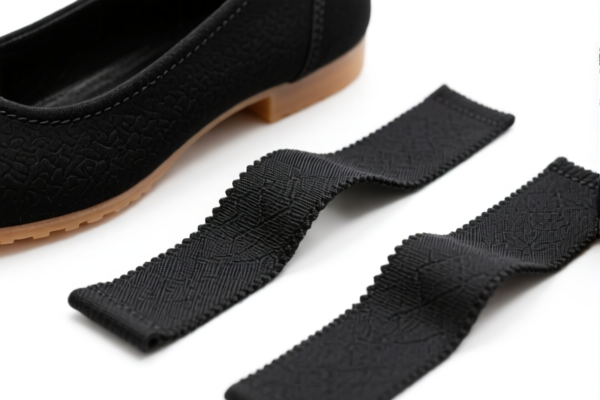
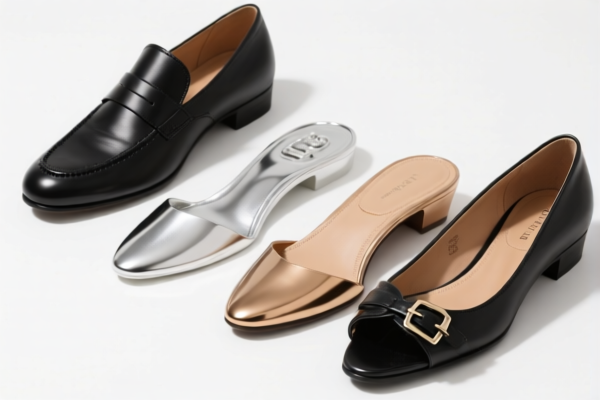

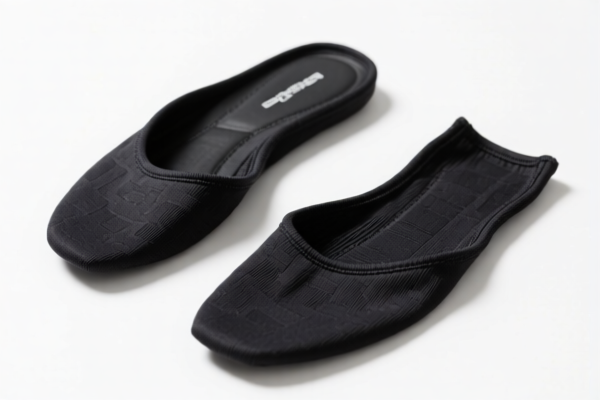
AI Analysis
👟 Footwear (HS Code 6402.91.42.90)
🌐 HS Code Reference & Customs Clearance Guide | 2026 Latest Tariff Analysis | Professional Strategy
📌 I. Product Definition & Classification: Do You Really Understand "Footwear"?
Footwear, in international trade, is primarily classified under Chapter 64 of the Harmonized System. The specific code provided, 6402.91.42.90, falls under the category of Other footwear with outer soles and uppers of rubber or plastics.
However, the <DATA> provided contains a list of five different HS Codes (6402.91.40.50, 6405.10.00.90, 6402.99.79.90, 6402.99.31.77, 6403.99.90.71) that are logically compatible with "Footwear" but have distinct material, morphological, or regulatory differences. Below is a detailed breakdown of why each code applies, based strictly on the provided data.
⚠️ Key Distinction Point:
- 6402 Series: Footwear with outer soles and uppers of rubber or plastics.
- 6405 Series: Footwear with outer soles of rubber or plastics (upper material may vary, e.g., textile).
- 6403 Series: Footwear with outer soles of rubber or plastics, but often implies different upper materials (e.g., plastic vs. rubber distinction in some national tariffs).
📦 II. HS Code Classification Details (2026 Latest Tariff Authority Comparison)
Based on the <DATA> provided, here are the five relevant HS Codes for footwear, their logic, and tax implications.
| HS Code | Product Description | Material/Morphology Logic | Total Tax Rate |
|---|---|---|---|
6402.91.40.50 |
Other footwear, outer sole & upper of rubber/plastic | Exact Match: Morphology fits; first 6 digits align with rubber/plastic outer sole & upper. Classified as "Other footwear". | 16.0% |
6405.10.00.90 |
Other footwear, outer sole of rubber/plastic | Inferred Material: Reference code suggests rubber/plastic outer sole. Compatible with "Other footwear" category. No material/morphology conflict. | 27.5% |
6402.99.79.90 |
Other footwear, rubber/plastic outer sole & upper | Explicit Match: Name explicitly corresponds to the code. Material is rubber/plastic outer sole & upper. Fully fits classification definition. | 90¢/pr. + 37.5% + 10% |
6402.99.31.77 |
Other footwear, rubber/plastic outer sole & upper | Fallback Category: Material/morphology fits rubber/plastic requirements. Since specific use is not indicated, it fits the "Other footwear" catch-all. | 16.0% |
6403.99.90.71 |
Other footwear, plastic outer sole | Plastic Specific: Points to plastic outer sole footwear. Although material differs slightly from reference (if reference is rubber), it belongs to the same broad category (footwear) with no obvious conflict. | 20.0% |
🔍 Key Reminder:
- 6402 vs. 6405: Code 6402 requires both outer sole AND upper to be rubber/plastic. Code 6405 often applies when the upper is not rubber/plastic (e.g., textile, leather) but the sole is.
- 6403: Often used for footwear with plastic uppers/soles in certain national interpretations, but distinct from 6402 in specific tariff schedules.
💰 III. 2026 Latest Tariff Rate Breakdown (Including Surcharges & Policy Add-ons)
✅ Applicable Country: United States (US)
✅ Origin: China (CN)
✅ Effective Time: From November 10, 2025 (for subsequent imports)
🎯 1. 6402.91.40.50 & 6402.99.31.77 —— Standard Rubber/Plastic Footwear
| Item | Content |
|---|---|
| Base Tariff | 6.0% (ad valorem) |
| Additional Tariff (Section 301) | 0.0% |
| Section 122 Tariff | +10.0% |
| Total Tax Rate | 16.0% |
| Tax Calculation | CIF Value × 16% |
| De Minimis Eligibility | ❌ Not Eligible (Section 122 tariffs generally exclude de minimis relief) |
| Legal Basis Path | Base Rate: 6.0% → Section 122: 10.0% |
📌 Explanation:
- These codes represent standard "Other footwear" with rubber/plastic soles and uppers.
- The 16% rate is composed of a 6% base duty plus a 10% Section 122 surcharge.
- Crucial: Section 122 tariffs are applied on top of base duties and are not eligible for de minimis exemption (Section 321). This is a high-cost category.
🎯 2. 6405.10.00.90 —— Footwear with Rubber/Plastic Sole (Upper May Vary)
| Item | Content |
|---|---|
| Base Tariff | 10.0% |
| Additional Tariff (Section 301) | 7.5% |
| Section 122 Tariff | +10.0% |
| Total Tax Rate | 27.5% |
| Tax Calculation | CIF Value × 27.5% |
| De Minimis Eligibility | ❌ Not Eligible |
| Legal Basis Path | Base Rate: 10.0% → Section 301: 7.5% → Section 122: 10.0% |
📌 Explanation:
- This code is subject to higher duties due to the combination of base rate (10%) and a 7.5% Section 301 surcharge (in addition to the 10% Section 122).
- The 27.5% total rate makes this significantly more expensive than the 16% codes. Ensure the product truly fits this code (likely textile upper, rubber sole) to avoid misclassification.
🎯 3. 6402.99.79.90 —— Specific Rubber/Plastic Footwear (Higher Duty Structure)
| Item | Content |
|---|---|
| Base Tariff | 90¢/pair + 37.5% |
| Additional Tariff (Section 301) | 0.0% |
| Section 122 Tariff | +10.0% |
| Total Tax Rate | 90¢/pr. + 47.5% |
| Tax Calculation | (CIF Value × 47.5%) + (90¢ per pair) |
| De Minimis Eligibility | ❌ Not Eligible |
| Legal Basis Path | Base Rate: 90¢/pr. + 37.5% → Section 122: 10.0% |
📌 Explanation:
- This code has a mixed duty structure: a specific duty (90¢ per pair) plus an ad valorem duty (47.5%).
- The total effective rate can be very high for low-value items due to the fixed 90¢ fee.
- Suitable for specific types of "Other footwear" where the detailed subheading applies.
🎯 4. 6403.99.90.71 —— Plastic Outer Sole Footwear
| Item | Content |
|---|---|
| Base Tariff | 10.0% |
| Additional Tariff (Section 301) | 0.0% |
| Section 122 Tariff | +10.0% |
| Total Tax Rate | 20.0% |
| Tax Calculation | CIF Value × 20% |
| De Minimis Eligibility | ❌ Not Eligible |
| Legal Basis Path | Base Rate: 10.0% → Section 122: 10.0% |
📌 Explanation:
- This code targets footwear with plastic outer soles (possibly distinct from rubber in some interpretations).
- The 20% rate is moderate, consisting of a 10% base duty plus 10% Section 122.
- Ensure the product’s upper material is not the primary classifier for 6402 (which requires both sole and upper to be rubber/plastic). If the upper is leather/textile, 6403 or 6405 may be more appropriate.
🛠️ IV. Customs Clearance Practical Advice (Battle-Proven Pitfall Guide)
✅ 1. Documentation Checklist (Non-Negotiable)
| Document | Required | Notes |
|---|---|---|
| ✅ Product Specifications | ✔️ | Must specify outer sole material (Rubber vs. Plastic) and upper material (Rubber, Plastic, Textile, Leather). |
| ✅ Product Photos (Clear) | ✔️ | Show sole pattern, upper texture, and any labels indicating material composition. |
| ✅ Commercial Invoice | ✔️ | Clearly state "Footwear" and material breakdown. Avoid vague terms like "Shoes". |
| ✅ Packing List | ✔️ | Detail quantity, weight, and packaging. |
| ✅ Material Declaration | ✔️ | Explicitly declare if uppers and soles are rubber, plastic, or other. |
📌 Critical:
- Misclassification of Upper/Sole Material is the most common error.
- 6402 requires BOTH outer sole AND upper to be rubber/plastic. If the upper is leather, it goes to 6403 (if sole is rubber/plastic) or 6401/6402 only if both are rubber/plastic.
- Section 122 applies to most footwear from China. Do not assume de minimis relief.
✅ 2. Declaration Tips (Key Mantras)
🔥 "Sole & Upper: Rubber/Plastic = 6402; Sole Rubber/Plastic, Upper Other = 6405/6403; Section 122 Always Applies!"
| Scenario | Correct Declaration | Wrong Action |
|---|---|---|
| Both Sole & Upper are Rubber/Plastic | 6402.91.40.50 or 6402.99.xxxx |
Misclassify as 6405 → Potential penalty + higher duty |
| Sole is Rubber/Plastic, Upper is Textile/Leather | 6405.10.00.90 or 6403.99.90.71 |
Misclassify as 6402 → 16% instead of 27.5%/20% (or vice versa) |
| Plastic Sole Only | 6403.99.90.71 |
Misclassify as 6402 → 20% vs 16% |
| Any Footwear from China | Declare Section 122 Surcharge | Assume de minimis → Seizure/Redelivery |
✅ 3. Special Cases
| Scenario | Handling Advice |
|---|---|
| Children’s Footwear | Still subject to Section 122. Ensure correct age classification if applicable. |
| Sports Shoes | Material is key. Rubber sole + Synthetic upper = 6402 or 6405. |
| Safety Shoes | If they have steel toes, ensure the outer sole is still rubber/plastic for 6402/6405/6403. |
| Low-Value Shipments | NO DE MINIMIS for Section 122 tariffs. Plan for full duty payment. |
🌍 V. Global Market Comparison (2026 Latest)
| Country/Region | Recommended HS Code | Base Tariff | Section 122/301 | Total Effective Rate (China) | Notes |
|---|---|---|---|---|---|
| 🇺🇸 USA | 6402.91.40.50 |
6.0% | +10% (Sec 122) | 16.0% | No de minimis. |
| 🇺🇸 USA | 6405.10.00.90 |
10.0% | +7.5% (301) +10% (Sec 122) | 27.5% | Higher due to 301 tariff. |
| 🇺🇸 USA | 6403.99.90.71 |
10.0% | +10% (Sec 122) | 20.0% | Plastic sole specific. |
| 🇪🇺 EU | 6402/6403/6405 |
~4-10% | No Section 122 | ~4-10% | No major surcharges. |
| 🇨🇳 China | 6402/6403/6405 |
~10-20% | N/A | ~10-20% | Import duty only. |
📌 Conclusion:
- The USA imposes significant additional tariffs (Section 122: 10%) on almost all footwear from China.
- Section 301 (7.5%) may apply to certain codes (e.g., 6405), making them even more expensive.
- No de minimis exemption for these tariffs. All shipments are subject to duty.
📌 VI. Common Errors & Pitfall Guide (Lessons Learned)
❌ Error 1: Assuming de minimis applies to footwear
👉 Consequence: Section 122 tariffs are NOT exempt. Shipments under $800 will be held, duties assessed, and potentially returned.
❌ Error 2: Misidentifying Upper Material
👉 Consequence: If upper is leather but declared as rubber/plastic → Misclassification Penalty. If upper is textile but declared as 6402 → Incorrect Tariff Rate.
❌ Error 3: Ignoring Section 122 Surcharge
👉 Consequence: Budgeting for only base duty (6-10%) leads to 20-30% budget overrun.
❌ Error 4: Vague Product Description
👉 Consequence: Customs may reject the classification and assess the highest possible duty or delay clearance.
✅ Correct Practice:
"Rubber-Soled, Synthetic-Upper Sneakers, Size 10, Model XYZ, For Retail Sale"
- Clearly state Sole Material and Upper Material.
- Use the correct HS Code based on both materials.
🎯 VII. Conclusion: Professional Classification, Cost Control, Risk Mitigation!
🎯 Remember the Mantra:
🔹 "Sole & Upper Rubber/Plastic = 6402 (16%)";
🔹 "Sole Rubber/Plastic, Upper Other = 6405 (27.5%) or 6403 (20%)";
🔹 "Section 122 = 10% ALWAYS (No De Minimis)!"
🔹 "Material Matters: Rubber vs. Plastic vs. Textile Defines Your Code!"
📌 Pro Tip:
- If your footwear has textile uppers, consider 6405.10.00.90 but be aware of the 27.5% total rate.
- If both sole and upper are rubber/plastic, 6402.91.40.50 offers the lowest rate (16%).
- Always include a detailed material declaration in your commercial invoice.
📣 Immediate Action:
📞 Consult a Customs Broker: Provide material specs + photos.
📄 Request a Binding Tariff Ruling: Avoids post-clearance audits.
🚀 Calculate Landed Cost Accurately: Include 16-27.5% duties + Section 122 surcharges.
✨ Professional Clearance Starts with Accurate Classification!
💼 Every Dollar Saved is a Dollar Earned!
Customer Reviews
About HS Code Classification
The Harmonized System (HS) is an internationally standardized nomenclature developed by the World Customs Organization (WCO) to classify traded products. Over 200 countries use the HS system as the basis for customs tariffs, trade statistics, and import/export regulations.
Each HS code follows a hierarchical structure:
- Chapter (2 digits) — Broad category of goods (e.g., Chapter 84: Machinery and Mechanical Appliances)
- Heading (4 digits) — More specific grouping within the chapter
- Subheading (6 digits) — Internationally standardized breakdown, used by all WCO member countries
- National subdivisions (8-10 digits) — Country-specific extensions for further classification, such as US HTSUS 10-digit codes
Correct HS code classification is essential for smooth customs clearance, accurate duty payment, and compliance with trade regulations. Misclassification can lead to customs delays, overpayment of duties, or penalties.
When importing from CN to US, the applicable tariff rates may include:
- Most-Favored-Nation (MFN) rate — The standard duty rate applied to WTO members
- General rate — Applied to countries without trade agreements
- Trade remedy duties — Additional tariffs such as Section 301 (anti-dumping), Section 232 (national security), or countervailing duties
The information provided on this page is for reference purposes only. For official classification, please consult with your local customs authority or a licensed customs broker.