Footwear parts
CN → US| HS Code | Tariff Rate | Origin | Destination | Doc |
|---|---|---|---|---|
| 4205008000 | 35.0% | CN | US | Official Doc |
| 6406909000 | 17.5% | CN | US | Official Doc |
| 4205002000 | 35.0% | CN | US | Official Doc |
| 6217108500 | 24.6% | CN | US | Official Doc |
| 7117909000 | 28.5% | CN | US | Official Doc |
Product Images
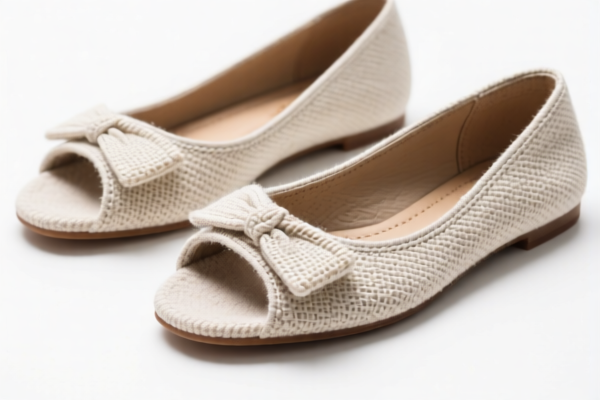
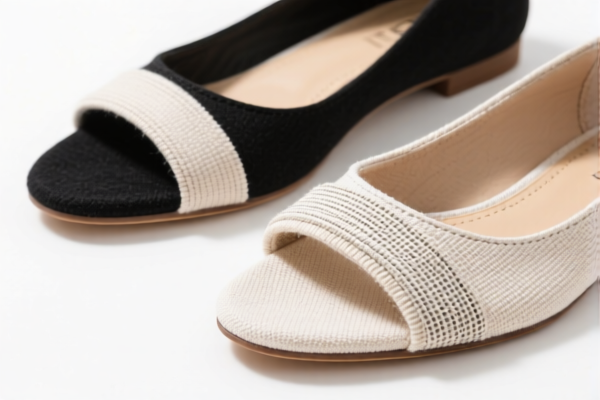
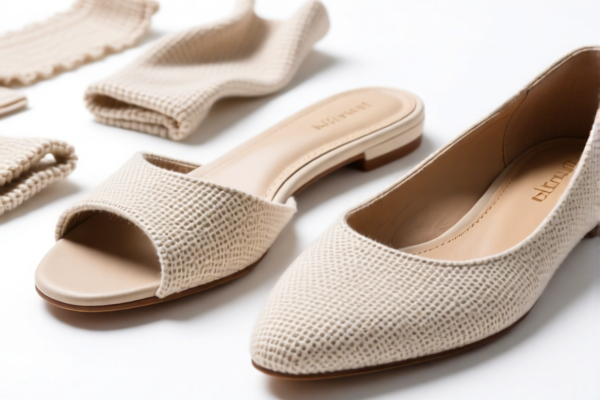
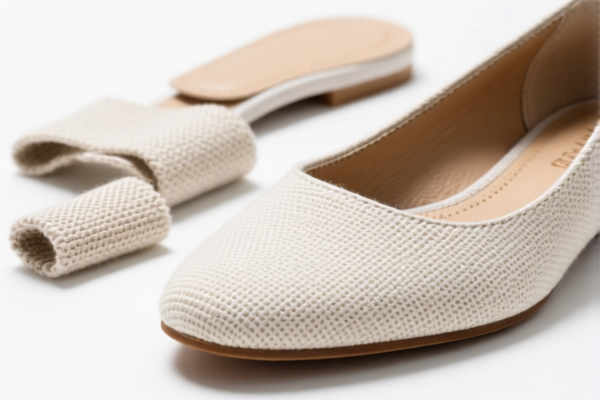
AI Analysis
👟 Footwear Parts (鞋类配件) — HS Code & Tax Deep Dive 2026
🌐 HS Code Reference & Clearance Guide | Latest 2026 Tariff Analysis | Professional Customs Strategy
📌 一、Product Definition: What Exactly Are "Footwear Parts"?
"Footwear parts" is a broad category in international trade, encompassing any component used in the manufacture, assembly, or repair of shoes and boots. However, customs classification depends heavily on the material and specific function of the part.
Two main classification paths exist:
- Leather/Regenerated Leather Components: If the part is made of leather or regenerated leather, it generally falls under Chapter 42 (Articles of Leather).
- Other Materials (Rubber, Plastic, Textile, etc.): If the material is not leather, it typically falls under Chapter 64 (Footwear, Gaiters, and Similar Articles) or sometimes Chapter 62/71 depending on whether it’s a garment accessory or jewelry-like accessory.
⚠️ Key Distinction:
- If the part is leather (e.g., leather straps, leather heel counters) → Chapter 42 (Higher tax due to trade wars).
- If the part is non-leather (e.g., rubber soles, plastic eyelets, fabric lining) → Chapter 64 (Lower base tax, but still subject to additional tariffs).
📦 二、HS Code Classification Details (2026 Latest Tariff Reference)
| HS Code | Product Description | Material | Application |
|---|---|---|---|
| 4205.00.80.00 | Other articles of leather or regenerated leather | Leather / Composite Leather | General leather footwear accessories (e.g., leather straps, decorative leather pieces) |
| 6406.90.90.00 | Other parts of footwear | Non-Leather (Rubber, Plastic, Textile, etc.) | Generic footwear parts (e.g., rubber soles, plastic eyelets, textile linings) |
| 4205.00.20.00 | Shoe laces and other accessories | Leather / Regenerated Leather | Specifically shoe laces made of leather |
| 6217.10.85.00 | Other made-up clothing accessories | Non-Specific Material | Garment accessories (e.g., fabric tags, non-leather decorative trims) |
| 7117.90.90.00 | Imitation Jewelry / Accessories | Non-Precious Metal | Decorative, jewelry-like footwear accessories (e.g., metal buckles, embellishments) |
🔍 Important Notes:
- 4205.00.80.00 and 4205.00.20.00 are Leather-based. These are subject to higher additional tariffs due to US-China trade tensions.
- 6406.90.90.00 is the fallback category for non-leather footwear parts when the material is not explicitly specified.
- 6217.10.85.00 and 7117.90.90.00 apply only if the item is clearly a garment accessory or jewelry-like accessory, not a standard structural part of footwear.
💰 三、2026 Latest Tariff Rate Breakdown (Including Additional Taxes & Policy Add-ons)
✅ Applicable Country: United States (US)
✅ Origin: China (CN)
✅ Effective Date: November 10, 2025 (and subsequent imports)
🎯 1. 4205.00.80.00 — Other Articles of Leather or Regenerated Leather (Non-Specific)
| Item | Details |
|---|---|
| Base Tariff | 0% (ad valorem) |
| USITC Additional Tariff | +25% (Section 301) |
| IEEPA Additional Tariff | +10% (China/HK-specific, effective Nov 10, 2025) |
| Total Rate | 45.0% |
| Calculation | CIF Value × 45% |
| De Minimis Eligibility | ❌ No (deny_de_minimis) |
| Legal Basis | IEEPA:9903.01.25 → USITC:4205.00.80.00 → FOOTNOTE:9903.88.01 |
📌 Explanation:
- Leather footwear parts are classified under Chapter 42, which is heavily taxed due to Section 301 and IEEPA provisions.
- Total 45% is extremely high. Importers must plan accordingly.
🎯 2. 6406.90.90.00 — Other Parts of Footwear (Non-Leather, Fallback)
| Item | Details |
|---|---|
| Base Tariff | 0% (ad valorem) |
| USITC Additional Tariff | +7.5% (Section 301) |
| IEEPA Additional Tariff | +10% (China/HK-specific, effective Nov 10, 2025) |
| Total Rate | 24.6% |
| Calculation | CIF Value × 24.6% |
| De Minimis Eligibility | ❌ No (deny_de_minimis) |
| Legal Basis | IEEPA:9903.01.24 → USITC:6406.90.90.00 |
📌 Explanation:
- This is the most common classification for generic non-leather footwear parts (rubber, plastic, textile).
- Total 24.6% is significantly lower than leather-based parts.
- Crucial: If the material is not specified, customs will likely default to this code.
🎯 3. 4205.00.20.00 — Shoe Laces and Other Accessories (Leather)
| Item | Details |
|---|---|
| Base Tariff | 0% (ad valorem) |
| USITC Additional Tariff | +25% (Section 301) |
| IEEPA Additional Tariff | +10% (China/HK-specific, effective Nov 10, 2025) |
| Total Rate | 45.0% |
| Calculation | CIF Value × 45% |
| De Minimis Eligibility | ❌ No (deny_de_minimis) |
| Legal Basis | IEEPA:9903.01.25 → USITC:4205.00.20.00 |
📌 Explanation:
- Specifically for leather shoe laces or leather-based decorative accessories.
- Same high tax rate as other leather items (45%).
🎯 4. 6217.10.85.00 — Other Made-Up Clothing Accessories
| Item | Details |
|---|---|
| Base Tariff | 14.6% |
| USITC Additional Tariff | 0% |
| IEEPA Additional Tariff | +10% (China/HK-specific) |
| Total Rate | 24.6% |
| Calculation | CIF Value × 24.6% |
| De Minimis Eligibility | ❌ No (deny_de_minimis) |
| Legal Basis | IEEPA:9903.01.24 → USITC:6217.10.85.00 |
📌 Explanation:
- Applies to garment accessories (e.g., fabric tags, decorative trims) that are not structural footwear parts.
- Base tax is higher (14.6%), but no Section 301 add-on. Total is 24.6%.
🎯 5. 7117.90.90.00 — Imitation Jewelry / Accessories
| Item | Details |
|---|---|
| Base Tariff | 11.0% |
| USITC Additional Tariff | +7.5% (Section 301) |
| IEEPA Additional Tariff | +10% (China/HK-specific) |
| Total Rate | 28.5% |
| Calculation | CIF Value × 28.5% |
| De Minimis Eligibility | ❌ No (deny_de_minimis) |
| Legal Basis | IEEPA:9903.01.24 → USITC:7117.90.90.00 |
📌 Explanation:
- Applies to jewelry-like accessories (e.g., metal buckles, decorative embellishments) that are not primarily functional footwear parts.
- Total rate is 28.5%.
🛠️ 四、Customs Clearance Practical Advice (Avoiding Pitfalls)
✅ 1. Documentation Checklist (Mandatory)
| Document | Required | Notes |
|---|---|---|
| ✅ Product Specification Sheet | ✔️ | Must include material composition (critical for HS code determination) |
| ✅ Product Photos (Clear) | ✔️ | Show entire item, labels, and any distinctive features |
| ✅ Commercial Invoice | ✔️ | Must clearly describe the item (e.g., "Leather Shoe Strap" vs. "Plastic Eyelet") |
| ✅ Packing List | ✔️ | Detail contents to avoid "mixed shipment" issues |
| ✅ Origin Certificate (CO) | ✔️ | If non-China origin, may qualify for lower rates |
✅ 2. Classification Strategy (Key Rules)
🔥 "Material Determines Code: Leather = Ch42, Non-Leather = Ch64!"
| Scenario | Correct HS Code | Wrong Approach |
|---|---|---|
| Leather heel counter / leather strap | 4205.00.80.00 or 4205.00.20.00 |
Misclassified as non-leather → 24.6% (underpayment, risk of penalty) |
| Rubber sole / plastic eyelet | 6406.90.90.00 |
Misclassified as leather → 45% (overpayment, but less risky than underpayment) |
| Fabric tag / decorative trim | 6217.10.85.00 |
Misclassified as footwear part → Incorrect tax rate |
| Metal buckle / decorative metal piece | 7117.90.90.00 |
Misclassified as generic footwear part → Incorrect tax rate |
✅ 3. Special Cases
| Scenario | Handling Advice |
|---|---|
| Mixed Material Parts (e.g., leather with metal buckle) | Classify based on principal material or essential character. If leather dominates → Chapter 42. |
| OEM Custom Parts | Provide design drawings + material specs to avoid classification disputes. |
| Samples / Small Shipments | Still subject to full tariffs. No de minimis exemption for China-origin goods. |
| Non-China Origin | If parts are made in Vietnam, Mexico, etc., IEEPA 10% may be waived. Seek advance ruling. |
🌍 五、Global Market Comparison (2026)
| Country/Region | Recommended HS Code | Tariff (China Origin) | Certification | Notes |
|---|---|---|---|---|
| 🇺🇸 USA | 6406.90.90.00 (Non-Leather) |
24.6% | N/A | Leather parts: 45% |
| 🇺🇸 USA | 4205.00.80.00 (Leather) |
45.0% | N/A | High tariff due to trade wars |
| 🇨🇳 China | 6406.90.90.00 |
5% | N/A | No additional tariffs |
| 🇪🇺 EU | 6406.90.90.00 |
0-3% | CE (if applicable) | Low tariffs for footwear parts |
| 🇬🇧 UK | 6406.90.90.00 |
0-3% | UKCA | Post-Brexit rules apply |
| 🇦🇺 Australia | 6406.90.90.00 |
5% | N/A | No additional tariffs |
📌 Conclusion:
- USA is the most challenging market for footwear parts due to high additional tariffs.
- Leather parts face 45% total tariff, while non-leather parts face 24.6%.
- Non-China origins can significantly reduce costs (especially under IEEPA).
📌 六、Common Mistakes & Pitfalls (Lessons Learned)
❌ Mistake 1: Classifying leather parts as non-leather (6406.90.90.00)
👉 Consequence: Underpayment of taxes → Penalties + Back Taxes + Potential Audit
❌ Mistake 2: Not specifying material in commercial invoice
👉 Consequence: Customs may default to highest possible rate (45%) or hold shipment for inspection
❌ Mistake 3: Assuming de minimis exemption applies to China-origin goods
👉 Consequence: All shipments subject to full tariffs, including Section 301 + IEEPA
❌ Mistake 4: Misclassifying jewelry-like accessories as generic footwear parts
👉 Consequence: Incorrect tax rate (28.5% vs. 24.6% or 45%) → Over/Underpayment
✅ Correct Approach:
"Rubber Outsole for Athletic Shoes, Made in China, Model XYZ, Non-Leather"
vs.
"Leather Decorative Strap for Boots, Made in China, Model ABC, Leather Material"
🎯 七、Conclusion: Precision in Classification Saves Money!
🎯 Key Takeaways:
🔹 "Leather = 45%, Non-Leather = 24.6%"
🔹 "Specify Material Clearly: Customs Will Classify Based on It"
🔹 "No De Minimis for China: Plan for Full Tariffs"
🔹 "Non-China Origin? Seek IEEPA Exemption!"
📌 Pro Tips:
- If your footwear parts are non-China origin (e.g., Vietnam, Bangladesh), IEEPA 10% may be waived.
- For high-value shipments, consider Advance Ruling from CBP to lock in classification.
- Use professional customs brokers with experience in footwear classification.
📣 Action Items:
📞 Engage a licensed customs broker
📄 Prepare detailed product specs with material breakdown
📋 Apply for CBP Advance Ruling if shipment value is high
🚀 Ensure smooth, compliant clearance!
✨ Professional Clearance Starts with Accurate Classification!
💼 Every Dollar Saved on Tariffs Is Profit Gained!
Customer Reviews
About HS Code Classification
The Harmonized System (HS) is an internationally standardized nomenclature developed by the World Customs Organization (WCO) to classify traded products. Over 200 countries use the HS system as the basis for customs tariffs, trade statistics, and import/export regulations.
Each HS code follows a hierarchical structure:
- Chapter (2 digits) — Broad category of goods (e.g., Chapter 84: Machinery and Mechanical Appliances)
- Heading (4 digits) — More specific grouping within the chapter
- Subheading (6 digits) — Internationally standardized breakdown, used by all WCO member countries
- National subdivisions (8-10 digits) — Country-specific extensions for further classification, such as US HTSUS 10-digit codes
Correct HS code classification is essential for smooth customs clearance, accurate duty payment, and compliance with trade regulations. Misclassification can lead to customs delays, overpayment of duties, or penalties.
When importing from CN to US, the applicable tariff rates may include:
- Most-Favored-Nation (MFN) rate — The standard duty rate applied to WTO members
- General rate — Applied to countries without trade agreements
- Trade remedy duties — Additional tariffs such as Section 301 (anti-dumping), Section 232 (national security), or countervailing duties
The information provided on this page is for reference purposes only. For official classification, please consult with your local customs authority or a licensed customs broker.