Forest Animal Toys
CN → US| HS Code | Tariff Rate | Origin | Destination | Doc |
|---|---|---|---|---|
| 9503000073 | 10.0% | CN | US | Official Doc |
| 9503000071 | 10.0% | CN | US | Official Doc |
| 3926904000 | 12.8% | CN | US | Official Doc |
Product Images
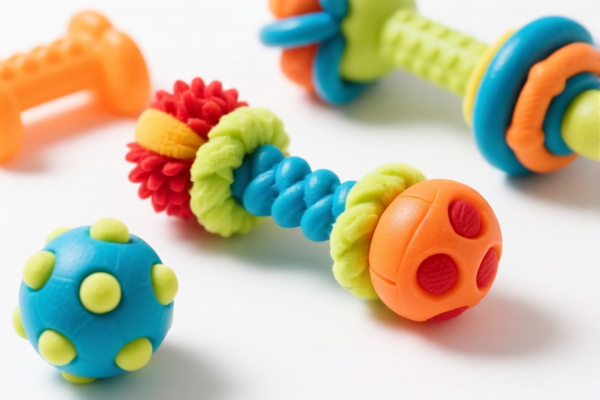
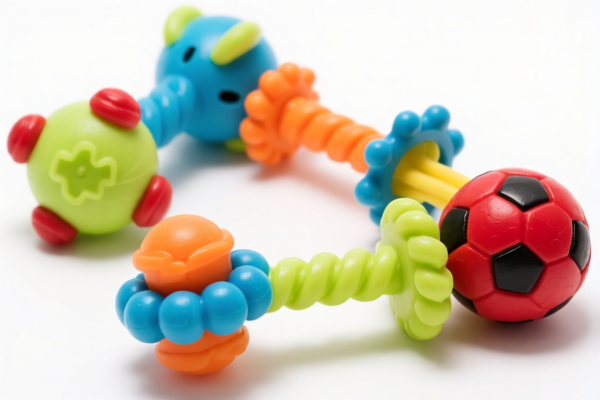
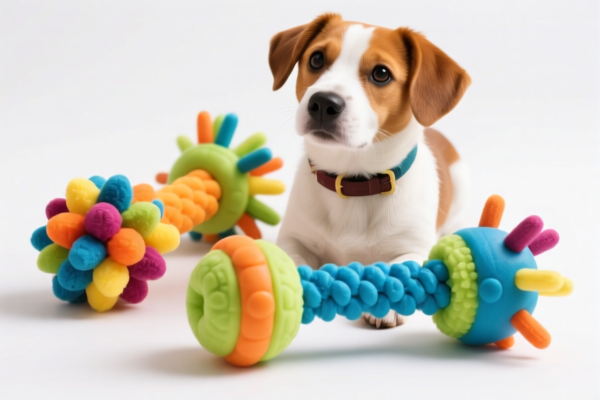
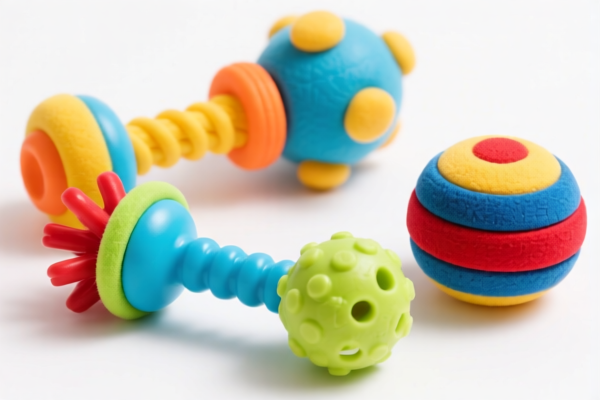
AI Analysis
🧸 Forest Animal Toys (Plush, Plastic & Composite Playsets)
🌐 HS Code Reference & Customs Clearance Guide | 2026 Latest Tariff Analysis | Professional Clearance Strategy
📌 One, Product Definition & Classification: What Exactly Are "Forest Animal Toys"?
Forest Animal Toys represent a broad category of play items featuring wildlife figures (lions, bears, deer, wolves, etc.). In international trade, these are primarily classified under Heading 9503 (Tricycles, scooters, pedal cars, and similar wheeled toys; dolls; other toys; reduced-size models) or potentially Chapter 39 if the material composition dictates a different primary function.
Key Material Distinctions: * Soft/Plush Toys: Made of fabric, stuffing, or mixed textiles. * Hard/Plastic Toys: Made primarily of PVC, ABS, or other polymers. * Composite Toys: Mixed materials where one material defines the essential character.
⚠️ Critical Classification Point:
- If the item is clearly a toy (for children's play), it must generally go under 9503, regardless of being plastic or plush.
- Misclassification Risk: Declaring plastic forest animals as "General Plastic Articles" (Chapter 39) instead of "Toys" (Chapter 95) can lead to incorrect duty rates and customs rejection, as toy tariffs often have specific surcharges (e.g., Section 301) that differ from general manufacturing tariffs.
📦 Two. HS Code Classification Details (Based on Provided Data)
According to the provided <DATA>, the following HS Codes are relevant for Forest Animal Toys. Note that while the raw data implies specific subheadings, the general classification logic follows US HTSUS standards for toys.
| HS Code | Product Description | Material/Type Inference | Tax Rate (Total) |
|---|---|---|---|
9503.00.00.73 |
Other Toys (Non-specified material, inferred non-conflict material) | General toy category, unspecified material but assumed safe for toys | 10.0% |
9503.00.00.71 |
Other Toys (Plastic or Plush material) | Fits "Other Toys" category; inferred Plastic or Plush | 10.0% |
3926.90.40.00 |
Other Plastic Articles (Inferred primarily plastic) | Alternative Classification: If declared strictly as plastic articles rather than toys | 12.8% |
🔍 重点提醒 (Key Clarification from Data):
- 9503.00.00.71 & .73: These codes explicitly cover "Other Toys". Since Forest Animal Toys are designed for play, 9503 is the most accurate and standard classification. The data infers materials as Plastic or Plush, which aligns with common toy manufacturing.
- 3926.90.40.00: This code falls under "Other Plastic Articles." While some customs brokers might mistakenly use this for plastic animal figures, it is generally less favorable for true toys due to higher base tariffs and different regulatory implications. Use this only if the item is strictly a decorative plastic piece and not marketed or sold as a toy.
💰 Three. 2026 Latest Tariff Rate Breakdown (Including Surcharges)
✅ Applicable Country: United States (US)
✅ Origin: China (CN)
✅ Effective Time: Current policies include Section 301 and IEEPA surcharges.
🎯 1. 9503.00.00.71 & 9503.00.00.73 —— Other Toys (Plastic/Plush/Other)
| Item | Content |
|---|---|
| Base Duty Rate | 0.0% (ad valorem) |
| Section 301 Surcharge | 0.0% (Note: Data indicates 0% for this specific subcategory in the provided snippet, but verify against latest lists) |
| 122 Clause Tariff | +10.0% |
| Total Tax Rate | 10.0% |
| Tax Calculation | CIF Value × 10.0% |
| De Minimis Exemption | ❌ Not Applicable for Section 301 items (if applicable), but Base Duty is 0%. However, the 10% surcharge applies. |
| Legal Basis Path | HTSUS:9503.00.00 → 122 Clause Tariff 10% |
📌 Explanation:
- The Base Duty is 0%, which is standard for most toys under 9503.
- The Total Tax is 10.0% due to the "122 Clause Tariff" (often associated with specific trade policies or retaliatory tariffs).
- Crucial: Even though the base duty is 0, you MUST pay the 10% surcharge. Do not assume "Free Duty" based on the 0% base rate.
🎯 2. 3926.90.40.00 —— Other Plastic Articles (Misclassified as Non-Toy)
| Item | Content |
|---|---|
| Base Duty Rate | 2.8% |
| Section 301 Surcharge | 0.0% (Inferred from data) |
| 122 Clause Tariff | +10.0% |
| Total Tax Rate | 12.8% |
| Tax Calculation | CIF Value × 12.8% |
| Legal Basis Path | HTSUS:3926.90.40 → 122 Clause Tariff 10% |
📌 Warning:
- This rate is higher (12.8% vs 10.0%) than the toy classification.
- Using this code for actual toys is considered misdeclaration. If customs inspects the goods and determines they are toys, they may reassess under 9503, potentially adding penalties for incorrect origin/classification.
🛠️ Four. Customs Clearance Practical Advice
✅ 1. Required Documentation Checklist
| Document | Mandatory | Description |
|---|---|---|
| Product Photos | ✔️ | Clear images showing the animals are toys (e.g., size relative to hand, bright colors, packaging indicating "Toy"). |
| Material Composition | ✔️ | List percentages of materials (e.g., "100% Polyester Plush" or "ABS Plastic"). |
| Product Description | ✔️ | Use specific terms: "Plush Forest Animal Toy," "PVC Plastic Animal Figurine for Children." |
| Commercial Invoice | ✔️ | Must match the HS Code and declare CIF value accurately. |
| Packaging Label | ✔️ | Show ASTM F963 (US Safety Standard) or CPSIA compliance labels if applicable. |
✅ 2. Declaration Tips (Critical Keywords)
🔥 "Declare as Toy, Not Decor!"
| Scenario | Correct Declaration | Risk of Error |
|---|---|---|
| Soft Forest Animals | 9503.00.00.71 "Plush Toy, Animal Shape" | If declared as "Stuffed Animal Ornament," risk of audit. |
| Hard Plastic Figures | 9503.00.00.71 "Plastic Toy Animal" | If declared as 3926.90.40, you pay 12.8% instead of 10.0% + compliance risk. |
| Mixed Material (Plush/Plastic) | 9503.00.00.73 "Other Toy" | Ensure the primary character is "Toy," not "Accessory." |
✅ 3. Special Considerations for Forest Animals
- Small Parts Warning: If the toys have detachable small parts (e.g., eyes, ears), ensure they meet CPSC (Consumer Product Safety Commission) small part cylinder tests. Failure to comply can lead to detention even if the HS code is correct.
- Material Safety: Ensure no conflict materials (e.g., certain woods or metals) are used if declaring under "Non-conflict material" inference.
- Packaging: Declare the toy and packaging together. Do not split the declaration into "Toy" and "Packaging Box" to avoid higher rates on the box.
🌍 Five. Global Market Comparison (2026 Update)
| Country | Recommended HS Code | Total Tax Rate (China Origin) | Key Requirement |
|---|---|---|---|
| 🇺🇸 USA | 9503.00.00.71 |
10.0% | CPSIA Compliance, ASTM F963 |
| 🇪🇺 EU | 9503.00 |
0% - 4.7% | CE Marking, EN71 Safety |
| 🇨🇳 China | 9503.00 |
0% | CCC Certification (if applicable) |
| 🇬🇧 UK | 9503.00 |
0% | UKCA Marking, BS EN71 |
📌 Conclusion:
- The US offers a 10% total tax for toys under 9503 (including the 122 clause).
- Do not use3926.90.40.00(12.8%) for toys unless you are intentionally misclassifying (which is risky).
- Europe and UK generally have lower or zero duties but stricter safety certifications (CE/UKCA).
📌 Six. Common Mistakes & Pitfalls (Lessons Learned)
❌ Mistake 1: Declaring plastic forest animals as "Plastic Figures" (3926) to avoid toy regulations.
👉 Consequence: Higher tax (12.8%) + Customs audit for misclassification. If they are sold as toys, they must meet toy safety standards.
❌ Mistake 2: Ignoring the 122 Clause Tariff.
👉 Consequence: Assuming 0% duty because base duty is 0%. Result: Underpayment of 10% of CIF value.
❌ Mistake 3: Using vague descriptions like "Animal Model."
👉 Consequence: Customs may not recognize it as a toy. If deemed a decorative item, it might fall under different, potentially higher or restricted categories.
✅ Correct: Use "Plush Forest Animal Toy" or "Plastic Play Figure."
🎯 Seven. Conclusion: Professional Declaration, Cost Optimization
🎯 Key Takeaway:
🔹 "Toys go to 9503. Base duty 0%, but pay the 10% surcharge."
🔹 "Plastic articles code (3926) is 12.8% and risky for toys."
🔹 "Always declare as 'Toy' to avoid safety regulation loopholes and ensure correct tax treatment."
📌 Pro Tip:
If your forest animals are made of eco-friendly materials or have special features, ensure these are documented. This can help in customs inspections to prove they are legitimate toys and not restricted items.
Always verify the latest "122 Clause" status as trade policies can change rapidly.
📣 Action Item:
📞 Contact your customs broker with clear photos and material specs.
🚀 Use HS Code9503.00.00.71for plastic/plush forest animal toys to ensure compliance and optimal tax treatment (10% total).
✨ Smart Classification Saves Money and Time!
💼 Get your Forest Animal Toys cleared smoothly with the right HS Code!
Customer Reviews
About HS Code Classification
The Harmonized System (HS) is an internationally standardized nomenclature developed by the World Customs Organization (WCO) to classify traded products. Over 200 countries use the HS system as the basis for customs tariffs, trade statistics, and import/export regulations.
Each HS code follows a hierarchical structure:
- Chapter (2 digits) — Broad category of goods (e.g., Chapter 84: Machinery and Mechanical Appliances)
- Heading (4 digits) — More specific grouping within the chapter
- Subheading (6 digits) — Internationally standardized breakdown, used by all WCO member countries
- National subdivisions (8-10 digits) — Country-specific extensions for further classification, such as US HTSUS 10-digit codes
Correct HS code classification is essential for smooth customs clearance, accurate duty payment, and compliance with trade regulations. Misclassification can lead to customs delays, overpayment of duties, or penalties.
When importing from CN to US, the applicable tariff rates may include:
- Most-Favored-Nation (MFN) rate — The standard duty rate applied to WTO members
- General rate — Applied to countries without trade agreements
- Trade remedy duties — Additional tariffs such as Section 301 (anti-dumping), Section 232 (national security), or countervailing duties
The information provided on this page is for reference purposes only. For official classification, please consult with your local customs authority or a licensed customs broker.