Fork
CN → US| HS Code | Tariff Rate | Origin | Destination | Doc |
|---|---|---|---|---|
| 8215990500 | 0.0% | CN | US | Official Doc |
| 4419901100 | 15.3% | CN | US | Official Doc |
| 3924102000 | 24.0% | CN | US | Official Doc |
| 8215991500 | 0.0% | CN | US | Official Doc |
| 3924104000 | 13.4% | CN | US | Official Doc |
| 6911108010 | 38.3% | CN | US | Official Doc |
Product Images
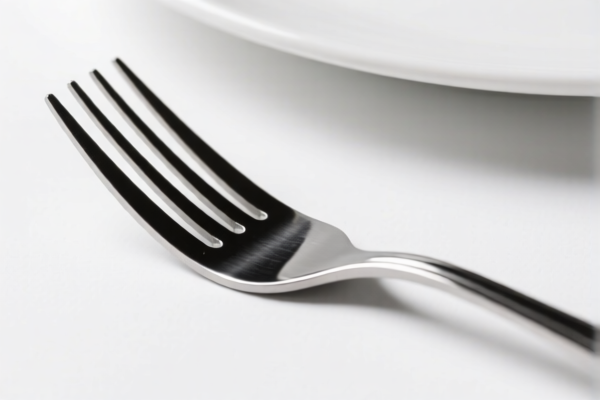
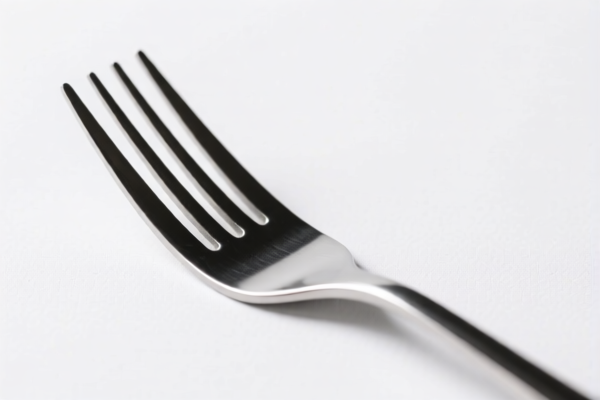


AI Analysis
🍴 Forks: The Ultimate HS Code & Tax Guide for US Customs (2026 Edition)
🌐 HS Code Reference & Customs Clearance Guide | 2026 Latest Tariff Analysis | Professional Clearance Strategy
📌 I. Product Definition & Classification: Do You Really Know "Forks"?
Forks are ubiquitous tableware, but in international trade, their classification depends entirely on material composition and specific usage. A common mistake is treating all forks as one category. Misclassification leads to significant tax discrepancies and potential customs delays.
In the context of US imports from China, forks fall into three primary material categories: 1. Stainless Steel Tableware (High durability, reusable) 2. Wooden Tableware (Eco-friendly, disposable or reusable) 3. Plastic/Ceramic/Tabletop Items (Includes plastic fruit forks, ceramic dinnerware)
⚠️ Key Distinction Point: - Stainless Steel Forks: Must fall under Chapter 82 (Cutlery). - Wooden Forks: Must fall under Chapter 44 (Wood). - Plastic/Ceramic: Fall under Chapters 39 (Plastics) or 69 (Ceramics). - "Fruit Fork" vs. "Table Fork": While visually similar, customs often scrutinize plastic fruit forks differently than general table forks, sometimes leading to specific sub-classifications within Chapter 39.
📦 II. HS Code Classification Details (2026 Latest Tariff Authority)
Based on the provided dataset, here are the specific HS Codes applicable to Forks, categorized by material.
| HS Code | Product Description | Material | Typical Use |
|---|---|---|---|
| 8215.99.05.00 | Tableware (Forks) | Stainless Steel | General dining, cutlery sets |
| 4419.90.11.00 | Tableware | Wood | Eco-friendly dining, disposable utensils |
| 3924.10.20.00 | Fruit Forks / Tableware | Plastic | Disposable or durable plastic dining |
| 8215.99.15.00 | Fruit Forks | Metal/Stainless Steel | Metal fruit pickers, specialized cutlery |
| 3924.10.40.00 | Fruit Forks | Plastic | Specific plastic fruit fork classification |
| 6911.10.80.10 | Tableware (Forks) | Porcelain/Ceramic | Ceramic dinnerware, high-end dining |
🔍 Critical Reminder: - Steel vs. Metal: Note the difference between
8215.99.05.00(General Tableware) and8215.99.15.00(Fruit Forks). Even though both are metal, the specific use (fruit vs. general table) changes the code. - Plastic Variants: There are two distinct codes for plastic forks (3924.10.20.00and3924.10.40.00). Ensure your supplier specifies the exact type, as taxes differ significantly (24.0% vs. 13.4%). - Ceramics: Ceramic forks are rare but possible. If your product is ceramic, it falls under Chapter 69, which carries the highest tariff burden (38.3%).
💰 III. 2026 Latest Tariff Rate Breakdown (Including Surcharges & Policy Add-ons)
✅ Applicable Country: United States (US)
✅ Country of Origin: China (CN)
✅ Effective Date: Current rates apply including Section 301 and Section 122 surcharges.
🎯 1. 8215.99.05.00 – Stainless Steel Tableware (Forks)
This is the most common code for standard stainless steel forks. It features a per-unit charge plus ad valorem rates.
| Item | Content |
|---|---|
| Base Tariff | 0.5¢ each + 8.5% (Ad Valorem) |
| Section 301 Surcharge | +25.0% |
| Section 122 Surcharge | +10.0% |
| Total Effective Tax | 8.5% + 25% + 10% (plus 0.5¢/unit) |
| Tax Calculation | (CIF Value × 43.5%) + (0.5¢ × Quantity) |
| De Minimis Eligibility | ❌ No (Not eligible for de minimis) |
| Legal Basis Path | USITC:8215.99.05.00 → FOOTNOTE:301 → FOOTNOTE:122 |
📌 Explanation: - The 0.5¢ per unit is a fixed duty component, which can be significant for high-volume, low-value shipments. - The 43.5% total ad valorem rate (8.5% base + 25% Section 301 + 10% Section 122) is extremely high. - Strategy: For steel forks, verify if any components can be sourced from non-China countries to mitigate Section 301/122 duties, or factor this cost into your pricing.
🎯 2. 4419.90.11.00 – Wooden Tableware
Wooden forks are subject to standard Section 301 tariffs but no Section 122 surcharge in this specific classification (based on the provided data).
| Item | Content |
|---|---|
| Base Tariff | 5.3% |
| Section 301 Surcharge | 0.0% |
| Section 122 Surcharge | +10.0% |
| Total Effective Tax | 15.3% |
| Tax Calculation | CIF Value × 15.3% |
| De Minimis Eligibility | ❌ No |
| Legal Basis Path | USITC:4419.90.11.00 → FOOTNOTE:122 |
📌 Note: - Wooden forks are significantly cheaper to import than steel counterparts due to the lower base rate and absence of the 25% Section 301 surcharge in this specific entry. - Strategy: If marketing allows, consider wooden forks as a cost-effective alternative to steel for disposable markets.
🎯 3. 3924.10.20.00 – Plastic Tableware (General)
This code applies to plastic tableware, including general plastic forks. It carries a high combined tax rate.
| Item | Content |
|---|---|
| Base Tariff | 6.5% |
| Section 301 Surcharge | +7.5% |
| Section 122 Surcharge | +10.0% |
| Total Effective Tax | 24.0% |
| Tax Calculation | CIF Value × 24.0% |
| De Minimis Eligibility | ❌ No |
| Legal Basis Path | USITC:3924.10.20.00 → FOOTNOTE:301 → FOOTNOTE:122 |
🎯 4. 8215.99.15.00 – Fruit Forks (Metal)
Specific classification for metal fruit forks. Notably, it has no Section 301 surcharge in this dataset, only Section 122.
| Item | Content |
|---|---|
| Base Tariff | 0.4¢ each + 4.8% |
| Section 301 Surcharge | 0.0% |
| Section 122 Surcharge | +10.0% |
| Total Effective Tax | 4.8% + 10% (plus 0.4¢/unit) |
| Tax Calculation | (CIF Value × 14.8%) + (0.4¢ × Quantity) |
| De Minimis Eligibility | ❌ No |
| Legal Basis Path | USITC:8215.99.15.00 → FOOTNOTE:122 |
📌 Strategy: - If your product is specifically marketed as "Fruit Forks" and made of metal, use this code instead of
8215.99.05.00. - Savings: Total ad valorem tax is ~15% vs ~43.5% for general steel tableware. This is a massive cost-saving opportunity if the product description supports it.
🎯 5. 3924.10.40.00 – Plastic Fruit Forks
Specific classification for plastic fruit forks. Lower tax than general plastic tableware.
| Item | Content |
|---|---|
| Base Tariff | 3.4% |
| Section 301 Surcharge | 0.0% |
| Section 122 Surcharge | +10.0% |
| Total Effective Tax | 13.4% |
| Tax Calculation | CIF Value × 13.4% |
| De Minimis Eligibility | ❌ No |
| Legal Basis Path | USITC:3924.10.40.00 → FOOTNOTE:122 |
📌 Strategy: - Similar to the metal fruit fork, specify "Fruit Fork" in your commercial invoice to potentially qualify for this lower tax bracket (13.4%) instead of the general plastic tableware rate (24.0%).
🎯 6. 6911.10.80.10 – Ceramic/Tabletop Items
For ceramic forks (less common, but possible in high-end sets). This carries the highest total tax burden.
| Item | Content |
|---|---|
| Base Tariff | 20.8% |
| Section 301 Surcharge | +7.5% |
| Section 122 Surcharge | +10.0% |
| Total Effective Tax | 38.3% |
| Tax Calculation | CIF Value × 38.3% |
| De Minimis Eligibility | ❌ No |
| Legal Basis Path | USITC:6911.10.80.10 → FOOTNOTE:301 → FOOTNOTE:122 |
🛠️ IV. Customs Clearance Practical Advice (Battle-Tested Pitfall Guide)
✅ 1. Documentation Checklist (Non-negotiable)
| Document | Required? | Details |
|---|---|---|
| ✅ Commercial Invoice | ✔️ | Must explicitly state material (e.g., "Stainless Steel," "Wood") and specific type ("Fruit Fork" vs. "Table Fork"). |
| ✅ Product Photos | ✔️ | Clear images showing material texture, handle shape, and tines. Crucial for proving "Fruit Fork" status. |
| ✅ Bill of Lading/Air Waybill | ✔️ | Must match invoice value and description. |
| ✅ Certificate of Origin | ✔️ | To prove origin as China (CN) for accurate surcharge application. |
| ✅ FDA/Contact Sheet | ✔️ | For food-contact items (plastic, steel, ceramic), FDA compliance is mandatory. |
✅ 2. Declaration Tips (Key Mantra)
🔥 "Material First, Specific Use Second, Never Ambiguous!"
| Situation | Correct Declaration | Wrong Approach |
|---|---|---|
| Metal Forks | Specify "Fruit Fork" if applicable. Use 8215.99.15.00 (14.8% total) instead of 8215.99.05.00 (43.5% total). |
Labeling as "Tableware" generally → High tax. |
| Plastic Forks | Specify "Fruit Fork" if applicable. Use 3924.10.40.00 (13.4%) instead of 3924.10.20.00 (24.0%). |
Labeling as "Disposable Plastic Cutlery" → High tax. |
| Wooden Forks | Specify "Wood" clearly. Use 4419.90.11.00. |
Labeling as "Biodegradable Cutlery" without material spec → Risk of reclassification. |
| Mixed Sets | Do NOT split steel/plastic/wood in one HS code. Declare separately or use the highest tax code for the mixed lot. | Mixed declaration → Customs will assign highest rate to whole shipment. |
✅ 3. Special Cases & Handling
| Situation | Handling Advice |
|---|---|
| OEM Custom Forks | Provide client order + design specs. If customized as "Fruit Fork," ensure invoice reflects this. |
| Eco-Friendly Claims | If claiming "Biodegradable," ensure material is accurately stated (e.g., Bamboo/Wood). Misleading claims can lead to fines. |
| Ceramic Sets | If including ceramic forks in a set, the entire set may be classified under Chapter 69. High tax risk. |
| Plastic vs. Melamine | Ensure you distinguish between standard plastic (Ch 39) and melamine (also Ch 39 but different subheadings). Misclassification leads to delays. |
🌍 V. Global Market Customs Comparison (2026 Latest)
| Country/Region | Recommended HS Code | Tariff (China Origin) | Certification | Notes |
|---|---|---|---|---|
| 🇺🇸 USA | 8215.99.15.00 (Metal Fruit) |
~14.8% (Total) | FDA + Prop 65 | High surcharges (Section 301/122). Fruit fork classification saves money. |
| 🇨🇳 China | 8215.99.15.00 |
~5% - 10% | N/A | Exporting from China to elsewhere. |
| 🇪🇺 EU | 8215.20.00 (Metal) |
0% (if general) | CE + LFGB | Lower tariffs than US. No Section 122 equivalent. |
| 🇬🇧 UK | 8215.20.00 |
5% - 10% | UKCA | Post-Brexit rules apply. |
| 🇯🇵 Japan | 8215.20.00 |
0% - 3% | FSC | Strict food safety standards (FSC). |
📌 Conclusion: - The USA is the most expensive market for forks due to Section 301 and Section 122 surcharges. - Optimization Strategy: Use "Fruit Fork" classification for metal and plastic items to reduce tax rates by up to 30%. - Wooden Forks offer the best tax efficiency among steel/plastic options (15.3% total).
📌 VI. Common Errors & Pitfall Guide (Lessons Learned)
❌ Error 1: Labeling all metal forks as "Tableware" (8215.99.05.00) instead of "Fruit Forks" (8215.99.15.00)
👉 Consequence: Paying 43.5% tax instead of 14.8%. Loss of ~28.7% margin!
❌ Error 2: Labeling plastic fruit forks as "General Plastic Tableware" (3924.10.20.00)
👉 Consequence: Paying 24.0% tax instead of 13.4%. Loss of ~10.6% margin!
❌ Error 3: Failing to specify material (e.g., just writing "Fork")
👉 Consequence: Customs may assign the highest possible rate or require additional documentation, causing shipment delays.
❌ Error 4: Mixing materials in one HS Code
👉 Consequence: If a box contains wood, plastic, and steel forks, customs may scrutinize each item. Declare separately.
✅ Correct Approach:
"Stainless Steel Fruit Forks, Polished, 21cm, Food Grade, FDA Approved"
"Biodegradable Wooden Forks, Pine Wood, Disposable"
"Plastic Fruit Forks, PP Material, Food Contact Safe"
🎯 VII. Conclusion: Precision Classification, Maximize Profit!
🎯 Remember the Mantra:
🔹 "Material Defines Code, Use Defines Rate."
🔹 "Fruit Fork = Lower Tax. General Fork = Higher Tax."
🔹 "Wood is Cheaper than Steel. Plastic is Variable."
📌 Pro Tip:
If you are exporting Plastic or Metal forks, always specify "Fruit Fork" in your commercial invoice if the design supports it. This simple change can reduce your US tariff burden by 10-28%.
📣 Immediate Action:
📞 Verify Product Description: Check if your forks can be legally and descriptively called "Fruit Forks."
🚀 Update Invoices: Ensure your customs broker uses the correct HS Codes (8215.99.15.00or3924.10.40.00) to save costs.
💼 Your Bottom Line Depends on Your HS Code!
✨ Professional Customs Clearance Starts with Accurate Classification!
💼 Every Cent Saved on Tariffs is Pure Profit!
Customer Reviews
About HS Code Classification
The Harmonized System (HS) is an internationally standardized nomenclature developed by the World Customs Organization (WCO) to classify traded products. Over 200 countries use the HS system as the basis for customs tariffs, trade statistics, and import/export regulations.
Each HS code follows a hierarchical structure:
- Chapter (2 digits) — Broad category of goods (e.g., Chapter 84: Machinery and Mechanical Appliances)
- Heading (4 digits) — More specific grouping within the chapter
- Subheading (6 digits) — Internationally standardized breakdown, used by all WCO member countries
- National subdivisions (8-10 digits) — Country-specific extensions for further classification, such as US HTSUS 10-digit codes
Correct HS code classification is essential for smooth customs clearance, accurate duty payment, and compliance with trade regulations. Misclassification can lead to customs delays, overpayment of duties, or penalties.
When importing from CN to US, the applicable tariff rates may include:
- Most-Favored-Nation (MFN) rate — The standard duty rate applied to WTO members
- General rate — Applied to countries without trade agreements
- Trade remedy duties — Additional tariffs such as Section 301 (anti-dumping), Section 232 (national security), or countervailing duties
The information provided on this page is for reference purposes only. For official classification, please consult with your local customs authority or a licensed customs broker.