Forklift Rubber Solid Tires
CN → US| HS Code | Tariff Rate | Origin | Destination | Doc |
|---|---|---|---|---|
| 4012904500 | 39.2% | CN | US | Official Doc |
| 4012901000 | 35.0% | CN | US | Official Doc |
| 4012198000 | 20.9% | CN | US | Official Doc |
| 4011808010 | 38.4% | CN | US | Official Doc |
| 4016995500 | 37.5% | CN | US | Official Doc |
Product Images
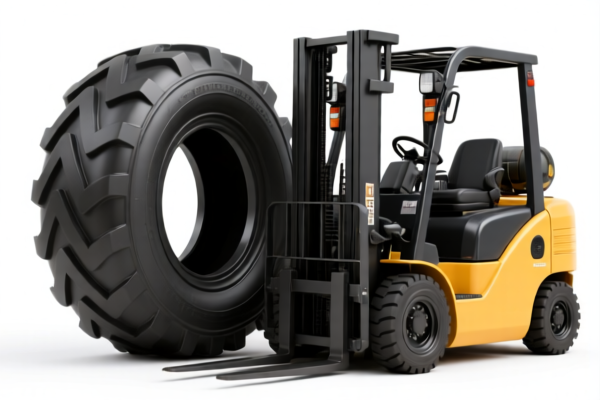
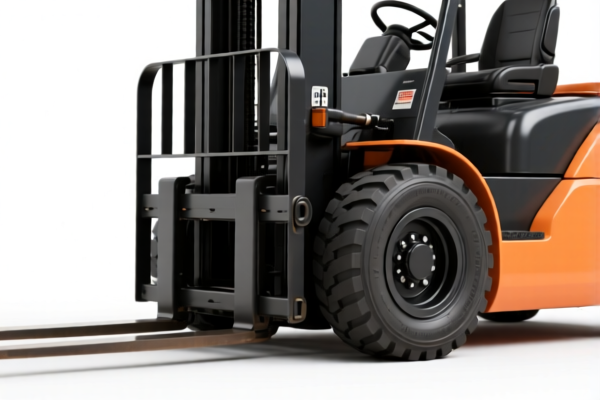
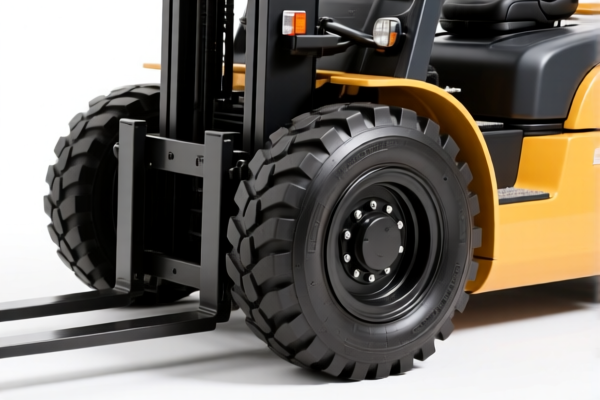
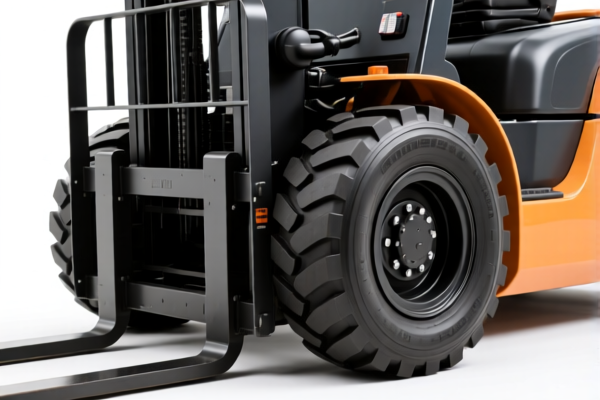
AI Analysis
🏗️ Forklift Rubber Solid Tires (Industrial Vehicle Tires)
🌐 HS Code Reference & Customs Clearance Guide | 2026 Latest Tariff Analysis | Professional-Level Clearance Strategy
📌 I. Product Definition & Classification: What Exactly Are "Forklift Solid Tires"?
Forklift solid tires are specialized industrial rubber products designed for material handling equipment. Unlike pneumatic tires, they are non-inflatable, offering superior durability, puncture resistance, and stability in warehouse and outdoor industrial environments.
In international trade, these tires are classified based on three critical factors: 1. Material: Natural Rubber vs. Synthetic/Reclaimed Rubber. 2. Form: Solid (Non-pneumatic) vs. Pneumatic (Inflatable). 3. Condition: New vs. Recapped/Renewed.
⚠️ Key Distinction:
- Solid Tires (New): Classified under 4012.90 (Solid tires, new). The specific subheading depends on the rubber content (Natural vs. Synthetic) and origin-related trade measures.
- Recapped/Renewed Tires: Classified under 4012.19 (Recapped tires) or 4012.90/4011 depending on whether they are solid or pneumatic and if they are "new" vs. "used/recapped."
- Misclassification Risk: Declaring a new solid tire as a recapped tire or vice versa can lead to severe duty discrepancies and customs penalties.
📦 II. HS Code Classification Details (Based on Provided Data)
Below is the authoritative breakdown of the five HS Codes associated with Forklift Rubber Solid Tires and related variants from the dataset.
| HS Code | Product Description | Key Matching Criteria | Total Tariff Rate |
|---|---|---|---|
4012.90.45.00 |
New Solid Tires (Forklift Use) | ✅ Material: Natural Rubber ✅ Form: Solid ✅ Use: Forklift |
39.2% |
4012.90.10.00 |
New Solid Tires (Forklift Use) | ✅ Material: Natural Rubber ✅ Form: Solid ✅ Use: Forklift |
35.0% |
4012.19.80.00 |
Recapped Solid Tires | ✅ Material: Rubber ✅ Condition: Recapped/Renewed ✅ Form: Solid (Implied by 4012.19) |
20.9% |
4012.19.80.00* |
Recapped Pneumatic Tires (Forklift) | ✅ Material: Rubber ✅ Condition: Recapped ✅ Form: Pneumatic ✅ Use: Forklift |
20.9% |
4016.99.55.00 |
Rubber Parts/Accessories (Forklift) | ✅ Material: Vulcanized Rubber ✅ Use: Shock Absorption/Control Parts ⚠️ Not a tire per se, but often confused |
37.5% |
4011.80.80.10 |
Recapped Pneumatic Tires (Forklift) | ✅ Material: Rubber ✅ Condition: Recapped ✅ Form: Pneumatic ✅ Use: Forklift |
38.4% |
🔍 Important Note:
- HS Codes4012.90.45.00and4012.90.10.00both describe New Natural Rubber Solid Tires for forklifts. The difference lies in the Base Tariff structure due to specific trade provisions (see Tax Detail below).
-4012.19.80.00is specifically for Recapped (Renewed) Tires, which generally carry a lower base tariff but are subject to additional duties.
-4016.99.55.00is NOT a tire. It is classified as other vulcanized rubber articles (e.g., bumpers, vibration dampers). Misclassifying a tire here is a common error.
-4011.80.80.10is for Pneumatic (inflatable) recapped tires, not solid ones.
💰 III. 2026 Latest Tariff Rate Breakdown (Including Additional Duties)
✅ Applicable Country: United States (US)
✅ Origin: China (CN) (Implied by "122 Clause" and "Section 301" references in tax detail)
✅ Effective Date: Current as of 2026 Data
🎯 1. 4012.90.45.00 & 4012.90.10.00 — New Natural Rubber Solid Tires
These are New solid tires made of Natural Rubber. They are subject to the highest combined tariffs due to Section 301 and Section 122 measures.
| Item | Content |
|---|---|
| HS Code | 4012.90.45.00 OR 4012.90.10.00 |
| Product Type | New Solid Tires (Forklift, Natural Rubber) |
| Base Tariff | 4.2% (for .45) / 0.0% (for .10) |
| Section 301 Additional Tariff | +25.0% |
| Section 122 Tariff (701(a)) | +10.0% |
| Total Tariff Rate | 39.2% (for .45) / 35.0% (for .10) |
| Tax Calculation | CIF Value × Total Rate |
| De Minimis Exemption | ❌ NOT Eligible (High tariff rates disqualify from de minimis) |
| Legal Basis | USITC HTSUS 4012.90 + Section 301 Footnotes + Section 122 (7 U.S.C. 1851) |
📌 Explanation:
- The 25% is the standard Section 301 tariff on Chinese industrial goods.
- The 10% is the "Section 122" tariff, which applies to imports that compete with US-produced goods (specifically targeting rubber products in some contexts).
- Why two codes? The difference between 39.2% and 35.0% is purely due to the Base MFN Rate (4.2% vs. 0.0%). This distinction is often based on specific sub-classifications within the USITC database. Always verify the exact material composition and manufacturing origin to determine which applies.
🎯 2. 4012.19.80.00 — Recapped (Renewed) Tires
Recapped tires are used tires retreaded with new tread rubber. They are considered "used" products and face different duty structures.
| Item | Content |
|---|---|
| HS Code | 4012.19.80.00 |
| Product Type | Recapped Pneumatic or Solid Tires (Forklift) |
| Base Tariff | 3.4% |
| Section 301 Additional Tariff | +7.5% (Note: Lower than new tires) |
| Section 122 Tariff | +10.0% |
| Total Tariff Rate | 20.9% |
| Tax Calculation | CIF Value × 20.9% |
| De Minimis Exemption | ❌ NOT Eligible |
| Legal Basis | USITC HTSUS 4012.19 + Section 301 + Section 122 |
📌 Critical Insight:
- Recapped tires have a significantly lower total tariff (20.9%) compared to new tires (35-39.2%).
- However, the definition of "Recapped" is strict. The tire must have been originally manufactured and used, then retreaded. It cannot be a "new" tire sold as recycled.
- If the product is a brand new solid tire (no prior use), it CANNOT be classified under4012.19. Doing so is customs fraud.
🎯 3. 4012.19.80.00 vs 4011.80.80.10 — Pneumatic vs. Solid Recapped
Wait, the data shows 4011.80.80.10 for "Forklift Recapped Pneumatic Tires" at 38.4%. Let's break that down:
| Item | Content |
|---|---|
| HS Code | 4011.80.80.10 |
| Product Type | Recapped Pneumatic Tires (Forklift) |
| Base Tariff | 3.4% |
| Section 301 Additional Tariff | +25.0% |
| Section 122 Tariff | +10.0% |
| Total Tariff Rate | 38.4% |
| Tax Calculation | CIF Value × 38.4% |
📌 Comparison:
- Recapped Solid Tires (4012.19.80.00): 20.9%
- Recapped Pneumatic Tires (4011.80.80.10): 38.4%
- New Solid Tires (4012.90...): 35-39.2%Conclusion: Recapped solid tires are the most tariff-efficient option (20.9%) if you are importing from China. However, "Solid" tires are rarely recapped because they are entirely solid rubber. This code likely applies to pneumatic tires that have been recapped. Ensure you are not misclassifying a Solid tire as Pneumatic.
🎯 4. 4016.99.55.00 — Other Rubber Articles (Non-Tire)
This is often a trap for importers trying to lower duties by misclassifying tires as "parts."
| Item | Content |
|---|---|
| HS Code | 4016.99.55.00 |
| Product Type | Other vulcanized rubber articles (e.g., shock absorbers, control arms) |
| Base Tariff | 2.5% |
| Section 301 Additional Tariff | +25.0% |
| Section 122 Tariff | +10.0% |
| Total Tariff Rate | 37.5% |
| De Minimis Exemption | ❌ NOT Eligible |
📌 Warning:
- If you ship a tire and declare it as "Rubber Part for Shock Absorption" under4016.99.55.00, you are committing misdeclaration.
- The duty rate (37.5%) is still high, and you risk penalties, seizure, and back-duties.
- Only classify as4016if the item is not a tire (e.g., a rubber bumper or mounting pad).
🛠️ IV. Customs Clearance Operational Advice (Practical Pitfall Avoidance)
✅ 1. Documentation Checklist (Mandatory)
| Document | Required? | Purpose |
|---|---|---|
| ✅ Commercial Invoice | ✔️ | Must specify: "Solid Tire," "Natural Rubber," "Forklift Use," "New" or "Recapped." |
| ✅ Packing List | ✔️ | Weight, dimensions, number of units. |
| ✅ Product Specifications | ✔️ | Confirm material (Natural/Synthetic), Type (Solid/Pneumatic), and Condition (New/Recapped). |
| ✅ Photo of Product | ✔️ | Clear image showing the tire profile, tread pattern, and any "Recapped" markings. |
| ✅ Certificate of Origin | ✔️ | Essential for determining Section 301 applicability (China origin triggers additional duties). |
| ✅ Manufacturer's Declaration | ✔️ | State if tires are "New" or "Recapped." |
✅ 2. Classification Strategy (Key Rules)
🔥 "Solid vs. Pneumatic, New vs. Recapped – Choose Wisely!"
| Scenario | Correct HS Code | Risk if Misclassified |
|---|---|---|
| New Solid Tire (Natural Rubber) | 4012.90.45.00 or 4012.90.10.00 |
Recapping under 4012.19 → Fraud, 20.9% vs 39.2% penalty. |
| New Solid Tire (Synthetic Rubber) | Not in dataset. Likely 4012.90.80 |
Must check full HTSUS. |
| Recapped Pneumatic Tire | 4011.80.80.10 |
Declared as New → Lower duty (20.9% vs 38.4%) → Penalties. |
| Recapped Solid Tire | 4012.19.80.00 |
Solid tires are rarely recapped. Ensure physical reality matches code. |
| Rubber Bumper/Pad | 4016.99.55.00 |
Declared as Tire → Misclassification → Seizure. |
✅ 3. Special Considerations
| Situation | Advice |
|---|---|
| Section 122 Tariff (10%) | This is a domestic protection tariff. It applies to imports that compete with US-made tires. Ensure your supplier is aware this is not optional. |
| Section 301 Tariff (25-7.5%) | Depends on the HS Code. New tires (4012.90) and Pneumatic Recaps (4011.80) face 25%. Solid Recaps (4012.19) face 7.5%. This is a major cost driver. |
| De Minimis (Section 321) | NOT AVAILABLE for these HS Codes. Do not attempt to use de minimis shipping for these items. |
| China Origin | All HS Codes in the dataset apply to Chinese origin goods. If your tires are made in Vietnam or Thailand, these specific "122" and "Section 301" rates may not apply (check USITC lists for preferential rules). |
🌍 V. Global Market Comparison (2026)
| Country/Region | Recommended HS Code | Estimated Tariff (CN Origin) | Notes |
|---|---|---|---|
| 🇺🇸 United States | 4012.90.45.00 |
39.2% | High tariffs due to Section 301 + 122. |
| 🇨🇳 China | 4012.90.45.00 |
Low/MFN | Export from China typically has low/zero duty for these goods. |
| 🇪🇺 EU | 4012.90.45 |
Varies | Check EU TARIC. Often 0-5% for tires, but verify anti-dumping duties. |
| 🇯🇵 Japan | 4012.90.45 |
Varies | Generally lower than US, but verify CEPC/Tarik rates. |
📌 Conclusion:
- The US market is the most challenging due to the 39.2% total tariff on new natural rubber solid tires.
- Recapped pneumatic tires (4011.80.80.10) are still expensive (38.4%).
- Recapped solid tires (4012.19.80.00) offer the lowest rate (20.9%), but physical feasibility is low for solid tires.
📌 VI. Common Errors & Pitfalls (Lessons Learned)
❌ Error 1: Declaring a New Solid Tire as Recapped to get 20.9% duty.
👉 Consequence: Customs audit will reveal new tire. Back duties + penalties + seizure.
❌ Error 2: Confusing Solid vs. Pneumatic.
👉 Consequence: Solid tires (4012) and Pneumatic tires (4011) have different duty structures. Misclassification leads to incorrect tax payment.
❌ Error 3: Ignoring Section 122 (10%).
👉 Consequence: This duty is applied automatically on many rubber products. If not accounted for in pricing, profit margins will be destroyed.
❌ Error 4: Using 4016.99.55.00 for Tires.
👉 Consequence: This is for "other" rubber articles. Using it for tires is a clear misdeclaration.
✅ Correct Approach:
1. Verify Product Type: Is it Solid or Pneumatic? New or Recapped?
2. Confirm Origin: China triggers Section 301 + 122.
3. Select Exact HS Code: Use4012.90.45.00for New Natural Solid Tires.
4. Calculate Total Landed Cost: Include 39.2% duty + freight + insurance + handling.
🎯 VII. Conclusion: Professional Classification Saves Money!
🎯 Key Takeaways:
🔹 New Natural Solid Tires: Expect 39.2% duty (US, CN origin).
🔹 Recapped Pneumatic Tires: Expect 38.4% duty.
🔹 Recapped Solid Tires: Expect 20.9% duty (if physically possible).
🔹 No De Minimis: All shipments are subject to full duty.
🔹 Section 122 is Non-Negotiable: It adds 10% to all listed codes.🔹 "HS Code Determines Duty, Origin Determines Penalty!"
🔹 "Solid vs. Pneumatic, New vs. Recapped – One Mistake, 20% Difference!"
📌 Pro Tip:
If your tires are not from China (e.g., from Thailand, Germany, or the US), the Section 301 (25%) and Section 122 (10%) may not apply. Always check the Country of Origin before applying these rates.
📣 Immediate Action Required:
📞 Contact your Customs Broker with:
1. Product Photos
2. Material Composition (Natural/Synthetic)
3. Condition (New/Recapped)
4. Country of Manufacture🚀 Get an Advance Ruling if possible to lock in the HS Code and duty rate!
✨ Professional Clearance Starts with Accurate Classification!
💼 Your Bottom Line Depends on the Right HS Code!
Customer Reviews
About HS Code Classification
The Harmonized System (HS) is an internationally standardized nomenclature developed by the World Customs Organization (WCO) to classify traded products. Over 200 countries use the HS system as the basis for customs tariffs, trade statistics, and import/export regulations.
Each HS code follows a hierarchical structure:
- Chapter (2 digits) — Broad category of goods (e.g., Chapter 84: Machinery and Mechanical Appliances)
- Heading (4 digits) — More specific grouping within the chapter
- Subheading (6 digits) — Internationally standardized breakdown, used by all WCO member countries
- National subdivisions (8-10 digits) — Country-specific extensions for further classification, such as US HTSUS 10-digit codes
Correct HS code classification is essential for smooth customs clearance, accurate duty payment, and compliance with trade regulations. Misclassification can lead to customs delays, overpayment of duties, or penalties.
When importing from CN to US, the applicable tariff rates may include:
- Most-Favored-Nation (MFN) rate — The standard duty rate applied to WTO members
- General rate — Applied to countries without trade agreements
- Trade remedy duties — Additional tariffs such as Section 301 (anti-dumping), Section 232 (national security), or countervailing duties
The information provided on this page is for reference purposes only. For official classification, please consult with your local customs authority or a licensed customs broker.