Four layer Clothes Hanger
CN → US| HS Code | Tariff Rate | Origin | Destination | Doc |
|---|---|---|---|---|
| 3925900000 | 40.3% | CN | US | Official Doc |
| 7323999080 | 88.4% | CN | US | Official Doc |
| 9403999040 | 85.0% | CN | US | Official Doc |
| 7615109100 | 70.6% | CN | US | Official Doc |
| 7615107180 | 63.1% | CN | US | Official Doc |
Product Images
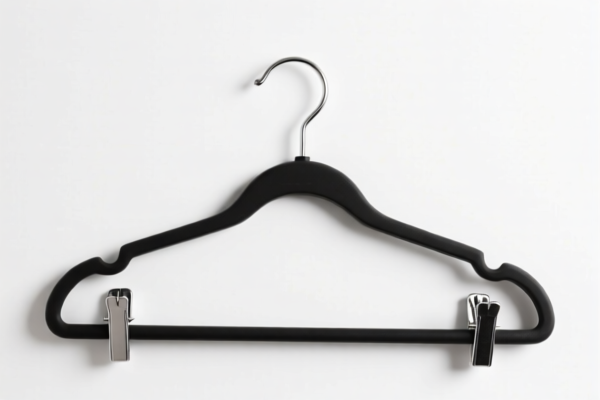
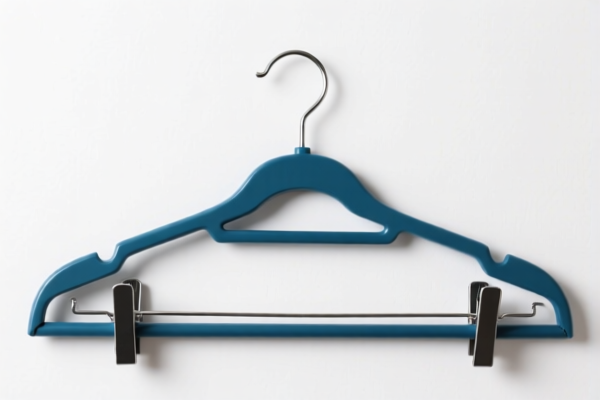
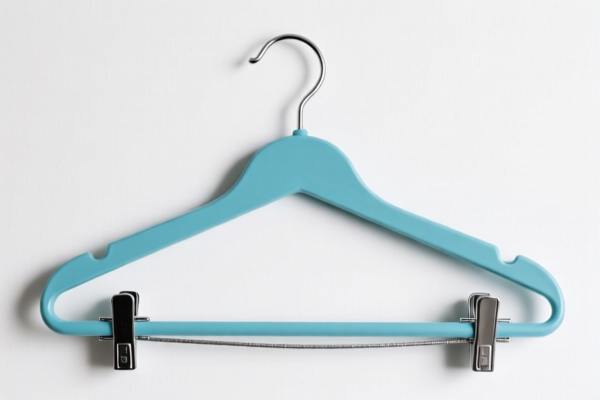
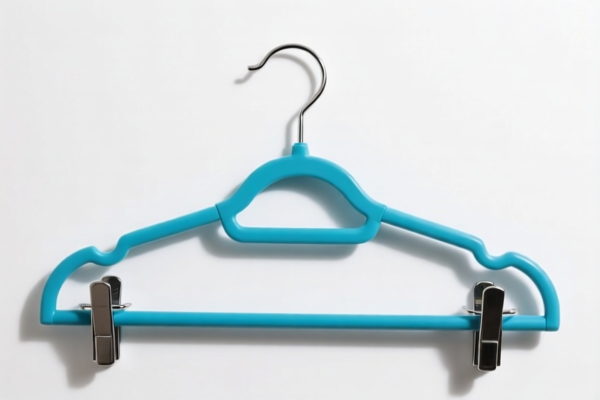
AI Analysis
🧥 Four-Layer Clothes Hanger (Clothes Rack)
🌐 HS Code Reference & Customs Clearance Guide | 2026 Latest Tariff Analysis | Professional Clearance Strategy
📌 I. Product Definition & Classification: What Exactly is a "Four-Layer Clothes Hanger"?
A "Four-Layer Clothes Hanger" typically refers to a multi-tiered clothing storage solution, often marketed as a clothing rack or wardrobe organizer. In international trade, its classification depends heavily on its primary function, material composition, and structural form. It is generally categorized under either Furniture Parts or Metal/Aluminum Household Articles.
⚠️ Key Distinction Point:
- If the item is considered a component of a larger furniture piece or lacks independent functional status as a standalone article, it may fall under Furniture Parts (Ch 94).
- If it is a standalone household item made of metal (iron/steel) or aluminum, it falls under Articles of Iron/Steel (Ch 73) or Aluminum (Ch 76).
- Crucial Note: The tax burden varies dramatically based on whether the material is classified as "Steel/Iron" (higher additional tariffs) or "Aluminum" (potentially lower base rates but still subject to specific clauses).
📦 II. HS Code Classification Details (2026 Latest Tariff Authority Comparison)
Based on the provided data for "Four-Layer Clothes Hanger," here are the five possible HS Code classifications and their corresponding tax implications:
| HS Code | Product Description & Inference | Material/Category | Total Tax Rate | Key Tariff Details |
|---|---|---|---|---|
3925.90.00.00 |
Four-layer clothes hanger; inferred as home/decor accessory; no material conflict; belongs to other category parts. | Plastic/Other | 40.3% | Base: 5.3% Retaliatory: 25.0% Section 301: 10% |
7323.99.90.80 |
Four-layer clothes hanger; inferred as household item; material likely Iron/Steel; belongs to other category bottom tier. | Iron/Steel | 88.4% | Base: 3.4% Retaliatory: 25.0% Section 301: 10% Steel/Aluminum Add-on: 50% |
9403.99.90.40 |
Four-layer clothes hanger; furniture parts; material likely Metal or Wood; matches furniture parts description. | Metal/Wood (Furniture Part) | 85.0% | Base: 0.0% Retaliatory: 25.0% Section 301: 10% Steel/Aluminum Add-on: 50% |
7615.10.91.00 |
Folding clothes drying rack; inferred material is Aluminum; household use; other category. | Aluminum | 70.6% | Base: 3.1% Retaliatory: 7.5% Section 301: 10% Steel/Aluminum Add-on: 50% |
7615.10.71.80 |
Folding clothes drying rack; inferred material is Aluminum; household use; matches aluminum classification under other categories. | Aluminum | 63.1% | Base: 3.1% Retaliatory: 0.0% Section 301: 10% Steel/Aluminum Add-on: 50% |
🔍 Key Insight:
- The lowest tax rate (63.1%) applies to Aluminum Folding Drying Racks (7615.10.71.80).
- The highest tax rate (88.4%) applies to Iron/Steel Hangers (7323.99.90.80) due to the combined impact of base, retaliatory, Section 301, and the 50% Steel/Aluminum Add-on.
- Furniture Parts (9403.99.90.40) also incur the 50% Add-on if made of steel, leading to a high 85.0% rate.
💰 III. 2026 Latest Tariff Rate Breakdown (Including Additional Taxes & Policy Surcharges)
✅ Applicable Country: United States (US)
✅ Origin: China (CN)
✅ Effective Date: From November 10, 2025 (including subsequent imports)
🎯 1. 3925.90.00.00 —— Other Construction/Accessory Items (Plastic/Non-Metal)
| Item | Content |
|---|---|
| Base Tariff | 5.3% |
| Retaliatory Tariff | +25.0% |
| Section 301 Tariff | +10.0% |
| Total Tax Rate | 40.3% |
| Tax Calculation | CIF Value × 40.3% |
| De Minimis Eligibility | ❌ Not Eligible (Standard trade rules apply) |
| Legal Basis | Standard USITC classification for other construction accessories. |
📌 Explanation:
- This classification assumes the hanger is made of plastic or non-metallic materials.
- It avoids the 50% Steel/Aluminum Add-on, keeping the total tax significantly lower than metal counterparts.
- Strategy: If the product is primarily plastic, this is the most tax-efficient classification.
🎯 2. 7323.99.90.80 —— Other Articles of Iron or Steel (Household Use)
| Item | Content |
|---|---|
| Base Tariff | 3.4% |
| Retaliatory Tariff | +25.0% |
| Section 301 Tariff | +10.0% |
| Steel/Aluminum Add-on | +50.0% |
| Total Tax Rate | 88.4% |
| Tax Calculation | CIF Value × 88.4% |
| De Minimis Eligibility | ❌ Not Eligible |
| Legal Basis | USITC:7323.99.90.80 + Steel/Aluminum Add-on Clause |
📌 Warning:
- This is the highest risk category. The 50% additional tariff for steel products is the primary driver.
- Even if the product is lightweight, if it is classified as "Iron/Steel Household Article," this penalty applies.
🎯 3. 9403.99.90.40 —— Parts of Furniture
| Item | Content |
|---|---|
| Base Tariff | 0.0% |
| Retaliatory Tariff | +25.0% |
| Section 301 Tariff | +10.0% |
| Steel/Aluminum Add-on | +50.0% |
| Total Tax Rate | 85.0% |
| Tax Calculation | CIF Value × 85.0% |
| De Minimis Eligibility | ❌ Not Eligible |
| Legal Basis | USITC:9403.99.90.40 + Steel/Aluminum Add-on Clause |
📌 Analysis:
- While the base tariff is 0%, the 50% Steel/Aluminum Add-on still applies if the furniture part is made of steel.
- This classification is suitable if the hanger is explicitly sold as a replacement part for a specific wardrobe system.
🎯 4. 7615.10.91.00 —— Aluminum Drying Racks (Folding)
| Item | Content |
|---|---|
| Base Tariff | 3.1% |
| Retaliatory Tariff | +7.5% |
| Section 301 Tariff | +10.0% |
| Steel/Aluminum Add-on | +50.0% |
| Total Tax Rate | 70.6% |
| Tax Calculation | CIF Value × 70.6% |
| De Minimis Eligibility | ❌ Not Eligible |
| Legal Basis | USITC:7615.10.91.00 + Steel/Aluminum Add-on Clause |
📌 Note:
- Aluminum products are subject to a lower retaliatory tariff (7.5%) compared to steel (25.0%).
- However, the 50% Add-on still significantly impacts the total cost.
🎯 5. 7615.10.71.80 —— Aluminum Drying Racks (Other Household Use)
| Item | Content |
|---|---|
| Base Tariff | 3.1% |
| Retaliatory Tariff | 0.0% |
| Section 301 Tariff | +10.0% |
| Steel/Aluminum Add-on | +50.0% |
| Total Tax Rate | 63.1% |
| Tax Calculation | CIF Value × 63.1% |
| De Minimis Eligibility | ❌ Not Eligible |
| Legal Basis | USITC:7615.10.71.80 + Steel/Aluminum Add-on Clause |
📌 Best Case Scenario:
- This classification has no retaliatory tariff (0%) and a lower base rate.
- It is the most cost-effective option for aluminum folding racks, despite the 50% Add-on.
🛠️ IV. Customs Clearance Practical Advice (Avoiding Pitfalls)
✅ 1. Preparation Checklist (All Required)
| Document | Required | Explanation |
|---|---|---|
| ✅ Product Specifications | ✔️ | Must detail material (Aluminum vs. Steel vs. Plastic), dimensions, weight. |
| ✅ Material Composition Report | ✔️ | Critical for determining if the 50% Steel/Aluminum Add-on applies. |
| ✅ Product Photos | ✔️ | Show structure (folding vs. fixed), hooks, and any branding. |
| ✅ Commercial Invoice | ✔️ | Clearly state "Four-Layer Clothes Hanger" or "Aluminum Folding Drying Rack." |
| ✅ Packing List | ✔️ | Confirm quantity and packaging method. |
| ✅ Third-Party Test Report | ✔️ | If claimed as Aluminum, provide material analysis if challenged. |
✅ 2. Declaration Tips (Key Mnemonic)
🔥 "Material Defines Tariff, Aluminum Saves Costs, Steel Brings Penalties!"
| Situation | Correct Declaration | Incorrect Practice |
|---|---|---|
| Aluminum Folding Rack | 7615.10.71.80 (63.1%) |
Declaring as "Steel Hanger" → 88.4% |
| Steel Household Rack | 7323.99.90.80 (88.4%) |
Declaring as "Furniture Part" → 85.0% (still high) |
| Plastic/Non-Metal Rack | 3925.90.00.00 (40.3%) |
Declaring as "Metal" → Unnecessary 50% penalty |
| Furniture Part | 9403.99.90.40 (85.0%) |
Declaring as "Standalone Rack" → May face misclassification scrutiny |
📌 Strategic Advice:
- If your product is aluminum, ensure it is described as "Aluminum Folding Drying Rack" to qualify for7615.10.71.80.
- Avoid generic terms like "Clothes Hanger" without specifying material.
- If the product is steel, consider if it can be classified as Plastic (if applicable) to drop to 40.3%.
✅ 3. Special Case Handling
| Scenario | Handling Advice |
|---|---|
| Mixed Material | If >50% steel by weight/value, likely subject to Steel Add-on. |
| OEM Custom Design | Provide design drawings to prove intended use (e.g., "Furniture Part" vs. "Household Article"). |
| Folding vs. Fixed | "Folding" may align better with 7615.10.71.80 (Aluminum Household Items). |
| High-Value Luxury Finish | May still be classified by material, not aesthetics. |
🌍 V. Global Market Clearance Comparison (2026 Latest)
| Country/Region | Recommended HS Code | Tariff (China Origin) | Certification | Remarks |
|---|---|---|---|---|
| 🇺🇸 USA | 7615.10.71.80 |
63.1% | N/A | Highest complexity due to multiple add-ons. |
| 🇨🇳 China | 7615.10.71.80 |
~5-10% (Est.) | N/A | Lower import duties for re-export. |
| 🇪🇺 EU | 7610.10.00 |
~6% | CE | No Section 301 or Retaliatory Tariffs. |
| 🇬🇧 UK | 7610.10.00 |
~6% | UKCA | Post-Brexit alignment with EU tariffs. |
| 🇦🇺 Australia | 7610.10.00 |
~5% | RCM | No major additional tariffs. |
📌 Conclusion:
- USA is the most challenging market due to Section 301, Retaliatory, and Steel/Aluminum Add-ons.
- Aluminum products are significantly cheaper to import into the US than Steel products.
- Consider supply chain diversification (e.g., manufacturing in non-China countries) to avoid China-specific tariffs if possible.
📌 VI. Common Errors & Pitfalls Guide
❌ Error 1: Declaring Aluminum racks as Steel
👉 Consequence: Tax jumps from 63.1% to 88.4% → Loss of profit margin!
❌ Error 2: Declaring Steel racks as Plastic
👉 Consequence: Customs audit reveals steel → Penalties, back taxes, and shipment delay.
❌ Error 3: Using "Clothes Hanger" without material specification
👉 Consequence: Customs may assign default (often higher) rate → Uncertainty in cost.
❌ Error 4: Ignoring the 50% Steel/Aluminum Add-on
👉 Consequence: Unexpected high tax burden → Margin erosion.
✅ Correct Practice:
"Aluminum Folding Clothes Drying Rack, 4-Tier, Household Use, Model XYZ, Made in China"
🎯 VII. Conclusion: Professional Declaration, Cost Efficiency!
🎯 Remember the Golden Rules:
🔹 "Aluminum is King, Steel is Costly, Plastic is Sweet."
🔹 "Specify Material, Avoid 50% Penalty, Protect Your Margin."
🔹 "HS Code Determines Tax, Precision Saves Thousands."
📌 Pro Tip:
- If your product is Aluminum, strive for classification 7615.10.71.80 to minimize tariffs.
- If Steel, consider if 9403.99.90.40 (Furniture Part) is a viable alternative, though still high due to the Add-on.
- For Plastic, 3925.90.00.00 is the most tax-efficient.
📣 Immediate Action:
📞 Contact a Customs Broker + Provide Material Specs + Apply for Advance Ruling
🚀 Ensure Smooth Clearance, Minimize Taxes, Maximize Profits!
✨ Professional Clearance Starts with Accurate Classification!
💼 Every Dollar of Tax Saved is Pure Profit!
Customer Reviews
About HS Code Classification
The Harmonized System (HS) is an internationally standardized nomenclature developed by the World Customs Organization (WCO) to classify traded products. Over 200 countries use the HS system as the basis for customs tariffs, trade statistics, and import/export regulations.
Each HS code follows a hierarchical structure:
- Chapter (2 digits) — Broad category of goods (e.g., Chapter 84: Machinery and Mechanical Appliances)
- Heading (4 digits) — More specific grouping within the chapter
- Subheading (6 digits) — Internationally standardized breakdown, used by all WCO member countries
- National subdivisions (8-10 digits) — Country-specific extensions for further classification, such as US HTSUS 10-digit codes
Correct HS code classification is essential for smooth customs clearance, accurate duty payment, and compliance with trade regulations. Misclassification can lead to customs delays, overpayment of duties, or penalties.
When importing from CN to US, the applicable tariff rates may include:
- Most-Favored-Nation (MFN) rate — The standard duty rate applied to WTO members
- General rate — Applied to countries without trade agreements
- Trade remedy duties — Additional tariffs such as Section 301 (anti-dumping), Section 232 (national security), or countervailing duties
The information provided on this page is for reference purposes only. For official classification, please consult with your local customs authority or a licensed customs broker.