Fragile Label Paper
CN → US| HS Code | Tariff Rate | Origin | Destination | Doc |
|---|---|---|---|---|
| 4821104000 | 35.0% | CN | US | Official Doc |
| 4821902000 | 35.0% | CN | US | Official Doc |
| 3919102055 | 40.8% | CN | US | Official Doc |
| 3919905060 | 40.8% | CN | US | Official Doc |
| 4823908680 | 35.0% | CN | US | Official Doc |
Product Images

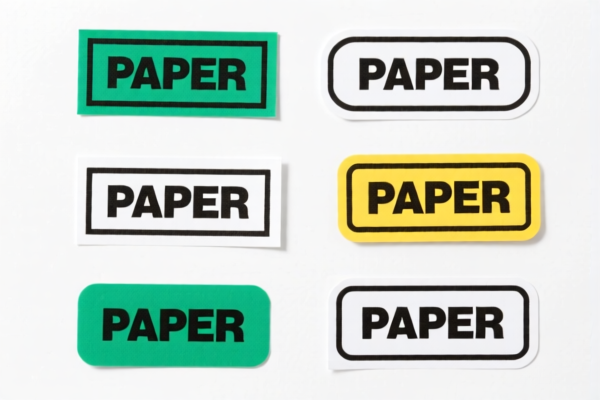


AI Analysis
🏷️ Fragile Label Paper (易碎标签纸)
🌐 HS Code Reference & Customs Clearance Guide | 2026 Latest Tariff Analysis | Professional Strategy for US Market
📌 I. Product Definition & Classification: Do You Really Understand "Fragile Labels"?
Fragile Labels, also known as "Void" labels or "Tamper-Evident" labels, are special adhesive stickers designed to break or disintegrate into small pieces if an attempt is made to remove them. This feature prevents the reuse of labels on returned or tampered goods.
In international trade, these labels are categorized based on their material composition: 1. Paper-Based Fragile Labels: Made primarily from paper with specific coatings to ensure tearing upon removal. 2. Plastic/Composite-Based Fragile Labels: Made from synthetic materials (PP, PET, Vinyl) that shatter or leave a "VOID" residue when removed.
⚠️ Key Distinction:
- If the material is predominantly paper (including composite paper), it falls under Chapter 48.
- If the material is predominantly plastic or a complex synthetic film, it falls under Chapter 39.
- The "Fragile" feature itself is not a separate HS category; it is defined by the base material and form (self-adhesive, flat/strip).
📦 II. HS Code Classification Details (2026 Latest Tariff Authority Comparison)
Based on the provided data, here are the precise HS Codes for Fragile Labels, categorized by material and form:
| HS Code | Product Description | Application Scenario | Material Basis |
|---|---|---|---|
4821.10.40.00 |
Paper/Cardboard Labels (Fragile) | Specific fragile labels explicitly categorized under paper labels | ✅ Paper/Cardboard |
4821.90.20.00 |
Self-Adhesive Paper Labels | General self-adhesive fragile labels with paper backing | ✅ Paper/Composite Paper |
4823.90.86.80 |
Other Paper Products (Anti-Tear Paper) | Specific anti-tear/fragile paper labels not listed elsewhere | ✅ Paper |
3919.10.20.55 |
Plastic/Composite Self-Adhesive Strips | Flat/strip-shaped labels made of plastic or plastic-paper composite | ✅ Plastic/Composite |
3919.90.50.60 |
Other Plastic Self-Adhesive Products | Flat-shaped labels with plastic base material | ✅ Plastic |
🔍 Key Reminder:
- Paper-Based labels (4821,4823) attract a 35% total tax.
- Plastic-Based labels (3919) attract a 40.8% total tax.
- Misclassification between Paper (Ch. 48) and Plastic (Ch. 39) is the most common error, leading to significant tax discrepancies and potential customs penalties.
💰 III. 2026 Latest Tariff Rate Breakdown (Including Additional Taxes & Policy Surcharges)
✅ Applicable Country: United States (US)
✅ Country of Origin: China (CN)
✅ Effective Date: From November 10, 2025 (including subsequent imports)
🎯 1. 4821.10.40.00 – Paper Fragile Labels (Specific Subhead)
| Item | Content |
|---|---|
| Base Duty Rate | 0.0% (ad valorem) |
| Additional Duty (Trade Act 301) | +25.0% |
| 122 Clause Duty | +10.0% |
| Total Effective Rate | 35.0% |
| Tax Calculation | CIF Value × 35% |
| De Minimis Eligibility | ❌ Not Eligible (Denied due to high duty rate and specific trade restrictions) |
| Legal Basis Path | Trade Act 301 → IEEPA 122 Clause → USITC:4821.10.40.00 |
📌 Explanation:
- Although the base duty for paper labels is 0%, the 25% Section 301 tariff and 10% 122 Clause tariff apply due to the Chinese origin.
- Total Tax: 35%. This is a moderate-to-high tax burden.
🎯 2. 4821.90.20.00 – Self-Adhesive Paper Labels
| Item | Content |
|---|---|
| Base Duty Rate | 0.0% |
| Additional Duty (Trade Act 301) | +25.0% |
| 122 Clause Duty | +10.0% |
| Total Effective Rate | 35.0% |
| Tax Calculation | CIF Value × 35% |
| De Minimis Eligibility | ❌ Not Eligible |
| Legal Basis Path | Trade Act 301 → IEEPA 122 Clause → USITC:4821.90.20.00 |
📌 Note:
- Same tax structure as4821.10.40.00.
- Applicable to most standard fragile labels used in logistics, retail, and security sealing, provided they are paper-based.
🎯 3. 4823.90.86.80 – Other Paper Products (Anti-Tear)
| Item | Content |
|---|---|
| Base Duty Rate | 0.0% |
| Additional Duty (Trade Act 301) | +25.0% |
| 122 Clause Duty | +10.0% |
| Total Effective Rate | 35.0% |
| Tax Calculation | CIF Value × 35% |
| De Minimis Eligibility | ❌ Not Eligible |
| Legal Basis Path | Trade Act 301 → IEEPA 122 Clause → USITC:4823.90.86.80 |
📌 Note:
- Used for specialized "anti-tear" paper labels that do not fit neatly into the "label" subheadings.
- Still subject to the same 35% total tax.
🎯 4. 3919.10.20.55 – Plastic/Composite Self-Adhesive Strips
| Item | Content |
|---|---|
| Base Duty Rate | 5.8% |
| Additional Duty (Trade Act 301) | +25.0% |
| 122 Clause Duty | +10.0% |
| Total Effective Rate | 40.8% |
| Tax Calculation | CIF Value × 40.8% |
| De Minimis Eligibility | ❌ Not Eligible |
| Legal Basis Path | Trade Act 301 → IEEPA 122 Clause → USITC:3919.10.20.55 |
📌 Explanation:
- The base duty is 5.8%, which is higher than paper labels.
- Plus 25% + 10% additional duties.
- Total Tax: 40.8%. This is the highest tax bracket among the provided options.
🎯 5. 3919.90.50.60 – Other Plastic Self-Adhesive Products
| Item | Content |
|---|---|
| Base Duty Rate | 5.8% |
| Additional Duty (Trade Act 301) | +25.0% |
| 122 Clause Duty | +10.0% |
| Total Effective Rate | 40.8% |
| Tax Calculation | CIF Value × 40.8% |
| De Minimis Eligibility | ❌ Not Eligible |
| Legal Basis Path | Trade Act 301 → IEEPA 122 Clause → USITC:3919.90.50.60 |
📌 Note:
- Applicable to fragile labels made from pure plastic films (e.g., PP, PET) that are not strips.
- Same 40.8% total tax as3919.10.20.55.
🛠️ IV. Customs Clearance Practical Advice (Battle-Tested Pitfall Avoidance Guide)
✅ 1. Required Documentation Checklist (Non-Negotiable)
| Document | Must Provide | Description |
|---|---|---|
| ✅ Product Specification Sheet | ✔️ | Must specify: Base Material (Paper vs. Plastic), Adhesive Type, Fragile Mechanism (Void/Disintegrating), Dimensions. |
| ✅ Material Composition Report | ✔️ | Critical for distinguishing between Ch. 48 (Paper) and Ch. 39 (Plastic). If composite, state the % composition. |
| ✅ Product Photos | ✔️ | Clear images showing the label, adhesive side, and the "fragile" result when peeled (if possible). |
| ✅ Commercial Invoice | ✔️ | Description must be precise: e.g., "Self-Adhesive Fragile Paper Label, Void Type". Avoid vague terms like "Sticker". |
| ✅ Packing List | ✔️ | Weight and dimensions. Ensure no mixed containers with different HS codes unless properly declared. |
| ✅ Certificate of Origin (CO) | ✔️ | If originating from China, this confirms the application of Section 301 and 122 Clause duties. |
✅ 2. Declaration Tactics (Key Mantras)
🔥 “Material First, Form Second, Name Precise, Tax Clear!”
| Scenario | Correct Declaration | Wrong Practice |
|---|---|---|
| Paper-Based Fragile Label | 4821.10.40.00 or 4821.90.20.00 |
Reporting as Plastic (3919) → Overpaying tax |
| Plastic-Based Fragile Label | 3919.10.20.55 or 3919.90.50.60 |
Reporting as Paper (4821) → Underpayment, Penalties |
| Composite Label (Paper + Plastic) | Determine primary material. If >50% plastic, likely 3919. |
Vague description "Label" → Customs Inspection Delay |
| Rolls vs. Sheets | Specify form (Roll/Strip vs. Sheet) as it affects subheadings. | Ignoring form → Wrong subheading |
✅ 3. Special Handling Situations
| Situation | Handling Advice |
|---|---|
| Composite Materials | If the label has a paper liner and plastic face, the outer facing material usually determines classification. Consult a customs broker for borderline cases. |
| OEM Custom Labels | Provide design files to prove the material and fragile mechanism. |
| Samples vs. Bulk | Even samples from China to the US are subject to these tariffs. De Minimis (Section 321) does not apply due to the high duty rates. |
| Return Goods | Fragile labels are often used for returns. Ensure the incoming goods declaration matches the original, including label type if relevant. |
🌍 V. Global Market Comparison for Fragile Labels (2026)
| Country/Region | Recommended HS Code | Base Duty | Additional Duties (China Origin) | Total Effective Rate | Notes |
|---|---|---|---|---|---|
| 🇺🇸 USA | 4821.10.40.00 (Paper) |
0% | +35% (301+122) | 35% | High compliance required. |
| 🇺🇸 USA | 3919.10.20.55 (Plastic) |
5.8% | +35% (301+122) | 40.8% | Higher base tax. |
| 🇨🇳 China | 4821.10.00.00 |
Varies | None | ~3-10% | Domestic trade, lower tax. |
| 🇪🇺 EU | 4821.10.00.00 |
0-4.5% | None (if FTA) | 0-4.5% | No Section 301 equivalent. |
| 🇬🇧 UK | 4821.10.00.00 |
0-4.5% | None | 0-4.5% | Post-Brexit rules apply. |
📌 Conclusion:
- The US market is unique in applying the 122 Clause and Section 301 tariffs simultaneously to paper/plastic labels from China.
- Paper labels (35%) are cheaper than Plastic labels (40.8%) for US importers.
- Consider sourcing from Vietnam, India, or Thailand to avoid Chinese origin duties, if feasible.
📌 VI. Common Errors & Pitfall Guide (Blood-Tea Lessons)
❌ Error 1: Classifying Plastic Fragile Labels as Paper Labels
👉 Consequence: Underpayment of duty. Customs will reassess at 40.8% + penalties + interest.
❌ Error 2: Using "Sticker" as the Product Name
👉 Consequence: Customs may reject the declaration or assign a generic, higher-rate code. Use "Self-Adhesive Fragile Label".
❌ Error 3: Ignoring the 122 Clause
👉 Consequence: Failing to include the 10% 122 Clause tax leads to immediate audit and back-taxes.
❌ Error 4: Assuming De Minimis Applies
👉 Consequence: Packages under $800 are NOT exempt for these HS codes. Full duty must be paid.
✅ Correct Approach:
"Self-Adhesive Tamper-Evident Paper Label, Void Type, 50x30mm, 35,000 pcs, HS 4821.10.40.00, Origin: China"
🎯 VII. Conclusion: Precision Classification Saves Money!
🎯 Remember the Mantra:
🔹 "Paper is 35%, Plastic is 40.8%, Mixed is Tricky!"
🔹 "Name it 'Fragile Label', not 'Sticker'!"
🔹 "Check Material, Check Origin, Check 122 Clause!"
📌 Pro Tip:
If your fragile labels are originating from Vietnam, Malaysia, or India, you may qualify for lower or zero additional duties under US trade policies.
Recommendation: Apply for a Pre-Ruling from US Customs and Border Protection (CBP) if your shipment value is high, to confirm the correct HS Code and tax liability before shipping.
📣 Immediate Action:
📞 Contact a licensed Customs Broker
📄 Provide Material Composition Report
🚀 Ensure Smooth Clearance, Avoid Penalties, Maximize Profit!
✨ Professional Customs Clearance Starts with Accurate Classification!
💼 Your Every Cent Should Be Precisely Calculated!
Customer Reviews
About HS Code Classification
The Harmonized System (HS) is an internationally standardized nomenclature developed by the World Customs Organization (WCO) to classify traded products. Over 200 countries use the HS system as the basis for customs tariffs, trade statistics, and import/export regulations.
Each HS code follows a hierarchical structure:
- Chapter (2 digits) — Broad category of goods (e.g., Chapter 84: Machinery and Mechanical Appliances)
- Heading (4 digits) — More specific grouping within the chapter
- Subheading (6 digits) — Internationally standardized breakdown, used by all WCO member countries
- National subdivisions (8-10 digits) — Country-specific extensions for further classification, such as US HTSUS 10-digit codes
Correct HS code classification is essential for smooth customs clearance, accurate duty payment, and compliance with trade regulations. Misclassification can lead to customs delays, overpayment of duties, or penalties.
When importing from CN to US, the applicable tariff rates may include:
- Most-Favored-Nation (MFN) rate — The standard duty rate applied to WTO members
- General rate — Applied to countries without trade agreements
- Trade remedy duties — Additional tariffs such as Section 301 (anti-dumping), Section 232 (national security), or countervailing duties
The information provided on this page is for reference purposes only. For official classification, please consult with your local customs authority or a licensed customs broker.