Fragrance
CN → US| HS Code | Tariff Rate | Origin | Destination | Doc |
|---|---|---|---|---|
| 3307900000 | 40.4% | CN | US | Official Doc |
| 3303002000 | 35.0% | CN | US | Official Doc |
| 7010903010 | 40.2% | CN | US | Official Doc |
| 3923300010 | 38.0% | CN | US | Official Doc |
| 3923300090 | 38.0% | CN | US | Official Doc |
Product Images
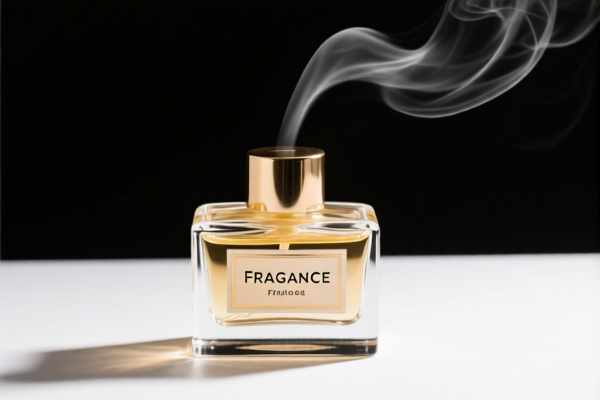
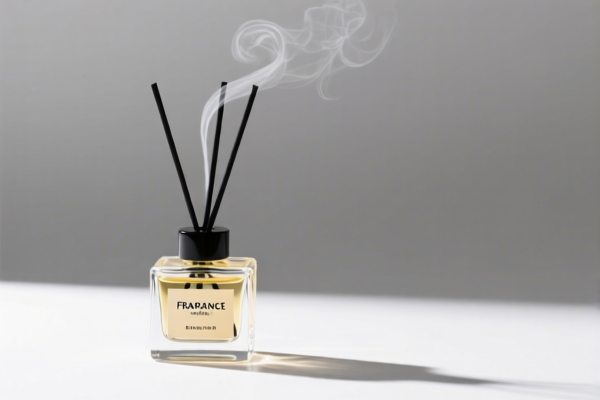

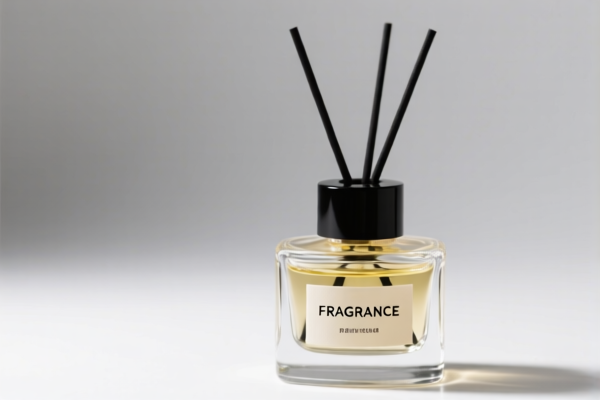
AI Analysis
🌸 Fragrance & Packaging (HS Code Classification Guide)
🌐 HS Code Reference & Customs Clearance Guide | 2024/2025 Tariff Analysis | Professional Entry Strategy
📌 I. Product Definition & Classification: What Exactly is "Fragrance"?
Fragrance, in international trade, is not a single monolithic product. It is generally divided into two distinct customs categories based on function and physical form:
- The Liquid Perfume/Fragrance: The core cosmetic or aromatic product intended for application on the body or environment.
- The Packaging (Bottle/Container): The vessel holding the fragrance, classified separately based on its material (Glass vs. Plastic).
⚠️ Critical Distinction:
- If importing the liquid scent alone → Use Chapter 33 (Perfumes/Cosmetics).
- If importing empty bottles → Use Chapter 70 (Glass) or Chapter 39 (Plastic).
- Do not mix liquid and empty packaging in a single HS Code description unless申报 as a kit (which may change the classification logic).
📦 II. HS Code Classification Matrix (Source Data Analysis)
Based on the provided data, here are the precise HS Codes, tax rates, and logical justifications.
| HS Code | Product Description | Logical Justification (Why this Code?) | Total Tax Rate | Tax Breakdown |
|---|---|---|---|---|
| 3307.90.00.00 | Other Perfumes & Toilet Preparations | Classified under "Spices, Fragrances" category. Fits the definition of "other fragrances" not specifically listed elsewhere. | 40.4% | Base: 5.4% Add'l: 25.0% Sec 301: 10% |
| 3303.00.20.00 | Perfumes & Toilet Waters | Specifically identified as "Perfume" type. Matches the functional characteristics of perfumes and toilet waters. No material conflict. | 35.0% | Base: 0.0% Add'l: 25.0% Sec 301: 10% |
| 7010.90.30.10 | Glass Fragrance Bottles | The bottle's purpose is packaging. Material inferred as Glass. Fits the classification for glass containers. | 40.2% | Base: 5.2% Add'l: 25.0% Sec 301: 10% |
| 3923.30.00.10 | Plastic Fragrance Bottles (Specific) | Bottle form factor. Material inferred as Plastic. Fits "Plastic packaging articles" category. | 38.0% | Base: 3.0% Add'l: 25.0% Sec 301: 10% |
| 3923.30.00.90 | Plastic Fragrance Bottles (Other) | Plastic container. Falls under "Other" categories not specifically limited by capacity/size in other subheadings. | 38.0% | Base: 3.0% Add'l: 25.0% Sec 301: 10% |
🔍 Key Insight:
- Liquid vs. Container: Never confuse the liquid perfume (Ch 33) with the bottle (Ch 39/70). They are taxed independently.
- Base Rate Difference: Glass bottles (5.2%) are slightly more expensive in base duty than Plastic bottles (3.0%).
- Perfume Type:3303.00.20.00is the cheapest entry for the liquid itself (0% base) compared to3307.90.00.00(5.4% base).
💰 III. Detailed Tariff Structure & Legal Basis
✅ Applicable Jurisdiction: United States (US)
✅ Origin: China (CN) (Implied by Sec 301/122 references)
✅ Effective Date: Current Trade Policy (Section 301 & IEEPA implications)
🎯 1. Liquid Fragrance Classification
A. 3303.00.20.00 — Perfumes & Toilet Waters (Recommended for Standard Perfumes)
| Item | Details |
|---|---|
| Base Tariff | 0.0% (Ad Valorem) |
| USITC Add'l Tariff | +25.0% (Section 301) |
| IEEPA/Add'l Tariff | +10.0% (Section 122/IEEPA) |
| Total Effective Rate | 35.0% |
| Calculation | CIF Value × 35% |
| De Minimis Status | ❌ Not Eligible (Typically for commercial shipments) |
📌 Explanation:
- This is the most tax-efficient route for standard perfumes.
- The 0% base rate makes it attractive, but the 35% total remains high due to trade tensions.
B. 3307.90.00.00 — Other Perfumes/Cosmetics (Broad Category)
| Item | Details |
|---|---|
| Base Tariff | 5.4% (Ad Valorem) |
| USITC Add'l Tariff | +25.0% (Section 301) |
| IEEPA/Add'l Tariff | +10.0% (Section 122/IEEPA) |
| Total Effective Rate | 40.4% |
| Calculation | CIF Value × 40.4% |
📌 Explanation:
- Use this if the product is a "fragrance" but does not strictly fit the legal definition of "Perfume/Toilet Water" in3303.
- 5.4% higher total cost than3303.00.20.00.
🎯 2. Packaging (Bottle) Classification
A. Glass Bottles: 7010.90.30.10
| Item | Details |
|---|---|
| Base Tariff | 5.2% |
| USITC Add'l Tariff | +25.0% |
| IEEPA/Add'l Tariff | +10.0% |
| Total Effective Rate | 40.2% |
| Material | Glass |
B. Plastic Bottles: 3923.30.00.10 / .90
| Item | Details |
|---|---|
| Base Tariff | 3.0% |
| USITC Add'l Tariff | +25.0% |
| IEEPA/Add'l Tariff | +10.0% |
| Total Effective Rate | 38.0% |
| Material | Plastic |
📌 Comparison:
- Plastic packaging is $2.20 cheaper per $100 value than glass packaging (38% vs 40.2%).
- Both are subject to the same trade war tariffs.
🛠️ IV. Customs Clearance Practical Advice (Risk Mitigation)
✅ 1. Documentation Checklist (Non-Negotiable)
| Document | Requirement | Purpose |
|---|---|---|
| Commercial Invoice | Must clearly separate "Fragrance Liquid" from "Packaging/Bottles". | Prevents misclassification. |
| Product Formula/Composition | For liquid: List alcohol content, fragrance oils, water %. | Customs verifies Chapter 33 vs. Chemicals. |
| Material Certificate | For bottles: State "Borosilicate Glass" or "PET Plastic". | Determines Ch 70 vs. Ch 39. |
| Safety Data Sheet (SDS) | Required for flammable liquids (perfumes often contain alcohol). | Safety compliance at port. |
| Labeling Proof | English label with ingredient list, manufacturer, volume. | FDA/Federal Trade Commission compliance. |
✅ 2. Classification Strategy (The "Golden Rules")
🔥 "Separate the Liquid, Define the Material, Specify the Use!"
| Scenario | Correct HS Code | Why? | Risk of Error |
|---|---|---|---|
| Importing Perfume Liquid Only | 3303.00.20.00 |
Specific classification for "Perfume". Lower base duty. | High. If labeled vaguely as "Aromatherapy", it may fall to 3307.90.00.00 (+5.4%). |
| Importing Empty Glass Bottles | 7010.90.30.10 |
Material is Glass. Purpose is container. | Medium. If mislabeled as "Decorative Glass Art", it might go to Ch 70 but different subheading. |
| Importing Empty Plastic Bottles | 3923.30.00.10 or .90 |
Material is Plastic. | Low. Ensure it's not classified as "Plastic Parts" (different tariff). |
| Importing Perfume IN Bottle (Finished Good) | Liquid Code Only (3303...) |
Do not add bottle tariff. The bottle is "packing material" integral to the goods. | Critical Error. If you declare bottle separately, you pay extra tax on the glass/plastic. |
✅ 3. Special Handling Tips
- Flammability: Perfumes contain alcohol. Ensure the SDS classifies them correctly for IATA/IMDG transport. Customs may inspect for proper hazard labeling.
- "Kit" Declarations: If you ship perfume and a separate decorative gift box, declare them separately. If the box is integral (e.g., the bottle is inside a molded plastic tray), the tray is part of the packaging cost for the liquid.
- Value Declaration: Ensure the CIF value includes the cost of the bottle if shipping liquid in the bottle. Do not under-declare the liquid value by claiming "bottle value" separately unless they are entering as separate lots.
🌍 V. Global Market Snapshot (Context)
| Market | Recommended HS Code | Est. Duty (China Origin) | Notes |
|---|---|---|---|
| 🇺🇸 USA | 3303.00.20.00 (Liquid)7010.90.30.10 (Glass) |
35.0% (Liquid) 40.2% (Glass) |
High tariffs due to Sec 301/122. Plastic bottles are slightly cheaper. |
| 🇨🇳 China | 3303.00.20.00 |
Varies (~3-10%) | No US-style add'l tariffs. Import into China is cheaper for raw materials. |
| 🇪🇺 EU | 3303.00.20 |
~6.5% | No Section 301/122 equivalents. Standard EU tariff applies. |
| 🇬🇧 UK | 3303.00.20 |
~6.5% | Post-Brexit rules apply. |
📌 Conclusion for USA Importers:
The 35%-40% tax burden is significant.
- Optimization: If possible, classify liquids under3303.00.20.00(0% base) rather than3307.90.00.00(5.4% base).
- Packaging: Consider Plastic (3923) for cost-saving on empty bottles if the product allows (38% vs 40.2%).
📌 VI. Common Mistakes & Pitfalls (Learn from Others)
❌ Mistake 1: Declaring "Perfume Gift Set" as just "Gift"
👉 Result: Customs reclassifies to 3303 + 9505 (Festive articles) → Penalties + Back Taxes.
✅ Fix: Declare primary component (Perfume) under 3303, secondary (box) under its respective code if separate.
❌ Mistake 2: Confusing "Eau de Cologne" with "Toilet Water"
👉 Result: Misclassification. While similar, "Perfume/Toilet Water" (3303) has specific legal definitions.
✅ Fix: Use precise chemical naming (Alcohol % + Fragrance Oil %) to support 3303.00.20.00.
❌ Mistake 3: Shipping Empty Bottles without "Material" Specification
👉 Result: Customs suspects "Glass" (higher duty) or asks for clarification → Delay.
✅ Fix: Explicitly state "Plastic (PET) Containers" or "Glass Containers" on the invoice.
🎯 VII. Final Recommendation: Professional Declaration Strategy
🎯 Remember the Formula:
🔹 "Liquid = Ch 33 (Perfume). Bottle = Ch 70/39 (Material). Separate if possible!"
🔹 "Glass costs 40.2%, Plastic costs 38.0%. Liquid Perfume costs 35.0%."
📌 Pro Tip:
If you are importing large volumes, consider Advance Rulings (CBP Ruling) for your specific formula and bottle design. This locks in the HS Code and protects you from retroactive reclassification penalties.
✨ Smart Classification = Lower Taxes + Faster Clearance
💼 Your Product's Success Starts with the Right HS Code!
Customer Reviews
About HS Code Classification
The Harmonized System (HS) is an internationally standardized nomenclature developed by the World Customs Organization (WCO) to classify traded products. Over 200 countries use the HS system as the basis for customs tariffs, trade statistics, and import/export regulations.
Each HS code follows a hierarchical structure:
- Chapter (2 digits) — Broad category of goods (e.g., Chapter 84: Machinery and Mechanical Appliances)
- Heading (4 digits) — More specific grouping within the chapter
- Subheading (6 digits) — Internationally standardized breakdown, used by all WCO member countries
- National subdivisions (8-10 digits) — Country-specific extensions for further classification, such as US HTSUS 10-digit codes
Correct HS code classification is essential for smooth customs clearance, accurate duty payment, and compliance with trade regulations. Misclassification can lead to customs delays, overpayment of duties, or penalties.
When importing from CN to US, the applicable tariff rates may include:
- Most-Favored-Nation (MFN) rate — The standard duty rate applied to WTO members
- General rate — Applied to countries without trade agreements
- Trade remedy duties — Additional tariffs such as Section 301 (anti-dumping), Section 232 (national security), or countervailing duties
The information provided on this page is for reference purposes only. For official classification, please consult with your local customs authority or a licensed customs broker.