Frame
CN → US| HS Code | Tariff Rate | Origin | Destination | Doc |
|---|---|---|---|---|
| 8306300000 | 87.7% | CN | US | Official Doc |
| 4414900000 | 21.4% | CN | US | Official Doc |
| 8306290000 | 10.0% | CN | US | Official Doc |
| 3926909989 | 22.8% | CN | US | Official Doc |
| 8480718045 | 38.1% | CN | US | Official Doc |
Product Images
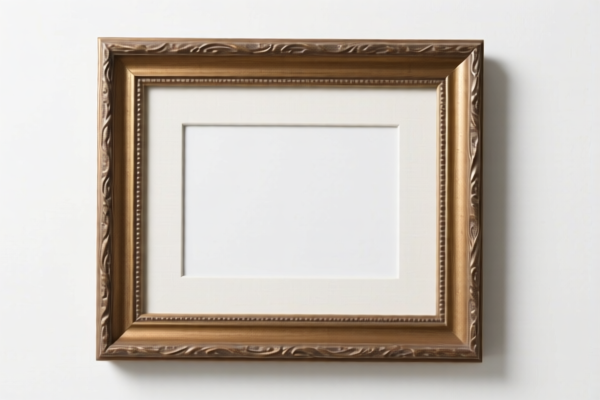

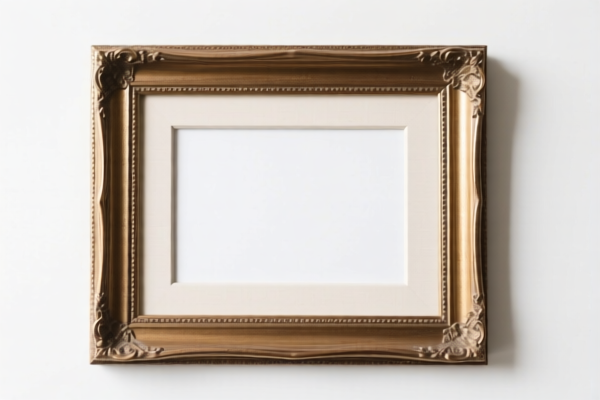
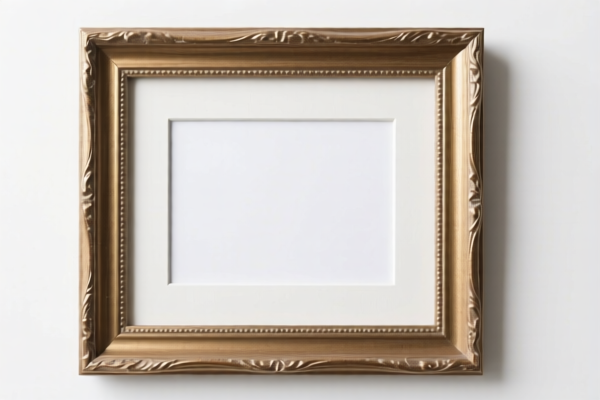
AI Analysis
🖼️ Picture Frames & Photo Frames (Hua Kuang / Xiang Kuang)
🌐 HS Code Reference & Customs Clearance Guide | 2026 Latest Tariff Analysis | Professional Level Strategy
📌 I. Product Definition & Classification: Do You Really Understand "Frames"?
Picture frames are versatile accessory items used to display artwork, photographs, mirrors, or documents. In international trade, classification depends heavily on material composition and intended use. The data provided highlights five distinct HS Codes, ranging from metal and wood frames to plastic variants and even molds.
Key Classification Drivers: 1. Material: Metal (Noble vs. Base), Wood, or Plastic. 2. Function: Is it a finished frame or a mold for manufacturing? 3. Target Market: This analysis assumes US Import (based on the "Section 301" and "122 Clause" tariffs mentioned in the data).
⚠️ Critical Distinction:
- Metal Frames: Classified under Chapter 83. The tax rate varies drastically based on whether it is a "base metal" item subject to "Section 122" tariffs. - Wooden Frames: Classified under Chapter 44. Typically subject to "Section 301" tariffs. - Plastic Frames: Classified under Chapter 39. Subject to general anti-dumping/counter-vailing duties or specific US tariffs. - Molds: Classified under Chapter 84. Tooling for production, not the frame itself.
📦 II. HS Code Classification Details (2026 Latest Tariff Authority Mapping)
| HS Code | Product Description | Material/Type | Primary Summary Logic |
|---|---|---|---|
8306.30.00.00 |
Frames and Picture Frames | Metal | Inferenced as metal based on form and use. High tariff due to Section 122 (Steel/Aluminum/Copper). |
4414.90.00.00 |
Frames and Picture Frames | Wood | Inferenced as wooden based on use and form. Standard Section 301 tariff. |
8306.29.00.00 |
Frames and Picture Frames | Metal | Base metal framework. Low tariff (0% base + 0% Section 301), only 122 Clause applies. |
3926.90.99.89 |
Plastic Photo Frames | Plastic | Explicitly plastic material. "Other plastics" category. |
8480.71.80.45 |
Frame Molds | Tooling | Molds for use in manufacturing. Fits the definition of "Molds for plastics or rubber." |
🔍 Key Insight:
- Not all metal frames are taxed equally.8306.29.00.00has 0% base + 0% Section 301, while8306.30.00.00has high additional tariffs due to specific steel/aluminum/copper restrictions. - Plastic frames do not benefit from the lower metal tariffs and fall under general plastic goods duties.
💰 III. 2026 Latest Tariff Rate Breakdown (Detailed Tax Clauses)
✅ Applicable Country: United States (US)
✅ Origin: China (CN)
✅ Effective Date: Post-2024 Trade Policies (Section 301, Section 232/122 nuances)
🎯 1. 8306.30.00.00 —— Metal Frames (High Tariff)
| Item | Content |
|---|---|
| Base Tariff | 2.7% |
| Section 301 Tariff | +25.0% |
| 122 Clause Tariff | +10.0% |
| Steel/Aluminum/Copper Clause | +50.0% |
| Total Tax Rate | 87.7% |
| Calculation Method | CIF Value × 87.7% |
| De Minimis Exemption | ❌ Denied |
| Legal Basis Path | HTSUS:8306.30 → Section 301 Footnote → Section 232/122 Specific Provisions |
📌 Explanation:
- This code assumes a premium or specific metal alloy frame. - The 50% additional tariff for Steel/Aluminum/Copper is punitive and specific to certain metal imports. - 87.7% is an extremely high cost barrier. Strategy: Consider alternative materials or origins.
🎯 2. 4414.90.00.00 —— Wooden Frames (Moderate-High Tariff)
| Item | Content |
|---|---|
| Base Tariff | 3.9% |
| Section 301 Tariff | +7.5% |
| 122 Clause Tariff | +10.0% |
| Total Tax Rate | 21.4% |
| Calculation Method | CIF Value × 21.4% |
| De Minimis Exemption | ❌ Denied |
| Legal Basis Path | HTSUS:4414.90 → Section 301 Footnote |
📌 Explanation:
- Wooden frames are standard consumer goods. - The 7.5% Section 301 is lower than steel/aluminum but still significant. - 21.4% is manageable for higher-margin retail items but cuts into volume margins.
🎯 3. 8306.29.00.00 —— Base Metal Frames (Low Tariff)
| Item | Content |
|---|---|
| Base Tariff | 0.0% |
| Section 301 Tariff | 0.0% |
| 122 Clause Tariff | +10.0% |
| Total Tax Rate | 10.0% |
| Calculation Method | CIF Value × 10.0% |
| De Minimis Exemption | ❌ Denied |
| Legal Basis Path | HTSUS:8306.29 → Section 301 Exemption (if applicable) |
📌 Explanation:
- Best Option for Metal! This code shows 0% Base + 0% Section 301. - Only the 10% 122 Clause applies. - Why? Likely classified under a different sub-heading of base metals that avoids the heavier Section 301/232 penalties, or specific exclusions apply. Verify customs classification carefully to see if your metal frame qualifies here.
🎯 4. 3926.90.99.89 —— Plastic Frames (Moderate Tariff)
| Item | Content |
|---|---|
| Base Tariff | 5.3% |
| Section 301 Tariff | +7.5% |
| 122 Clause Tariff | +10.0% |
| Total Tax Rate | 22.8% |
| Calculation Method | CIF Value × 22.8% |
| De Minimis Exemption | ❌ Denied |
| Legal Basis Path | HTSUS:3926.90 → Section 301 Footnote |
📌 Explanation:
- Plastic frames are taxed similarly to wooden frames but slightly higher base duty. - 22.8% total rate. Competitive with wood, but lower than the high-end metal tariff.
🎯 5. 8480.71.80.45 —— Frame Molds (High Tariff)
| Item | Content |
|---|---|
| Base Tariff | 3.1% |
| Section 301 Tariff | +25.0% |
| 122 Clause Tariff | +10.0% |
| Total Tax Rate | 38.1% |
| Calculation Method | CIF Value × 38.1% |
| De Minimis Exemption | ❌ Denied |
| Legal Basis Path | HTSUS:8480.71 → Section 301 Footnote |
📌 Explanation:
- These are production tools, not consumer goods. - High tariff (38.1%) applies to imported molds. - If you are manufacturing frames in the US using imported molds, factor this capital cost into your P&L.
🛠️ IV. Customs Clearance Operational Advice (Practical Pitfall Guide)
✅ 1. Document Preparation Checklist (Non-negotiable)
| Document | Required? | Purpose |
|---|---|---|
| ✅ Product Specification Sheet | ✔️ | Must specify material (e.g., "Iron Alloy," "Solid Pine," "ABS Plastic"). Ambiguity leads to misclassification. |
| ✅ Product Photos (Clear) | ✔️ | Show corners, backing, and material texture. Helps CBP distinguish between 8306.29 (metal) and 4414 (wood). |
| ✅ Commercial Invoice | ✔️ | Clearly state "Picture Frame, Model XYZ, Material: [Material]". Do not use vague terms like "Decor." |
| ✅ Packing List | ✔️ | Ensure quantity matches invoice. |
| ✅ Certificate of Origin | ✔️ | If claiming exemptions or verifying Section 301 applicability. |
| ✅ Mold Documentation (if applicable) | ✔️ | For 8480 codes, provide design drawings or usage description to prove it's a mold, not a finished frame. |
✅ 2. Classification Strategy (Key Mantras)
🔥 "Material Dictates Code, Code Dictates Cost!"
| Scenario | Correct Classification | Risk if Wrong |
|---|---|---|
| Metal Frame | Try for 8306.29.00.00 (10%) first. If rejected, 8306.30.00.00 (87.7%). |
Huge Cost Spike. Misclassifying a high-tariff metal frame as a lower-tariff one can lead to audits, penalties, and back-taxes. |
| Wooden Frame | 4414.90.00.00 (21.4%) |
Moderate cost. Ensure it's not "veneered wood" which might have different rules. |
| Plastic Frame | 3926.90.99.89 (22.8%) |
Standard plastic duties. |
| Mold | 8480.71.80.45 (38.1%) |
If declared as a "Frame," it will be taxed at 21-87%. If declared as a "Mold" but is a frame, it's fraud. Accuracy is key. |
✅ 3. Special Situations & Handling
| Situation | Handling Advice |
|---|---|
| Mixed Material Frames | If a frame is 90% wood and has a small metal clip, it may still be classified as Wood (4414). However, if metal is the primary structural component, it goes to Chapter 83. Provide detailed BOM (Bill of Materials). |
| OEM Custom Frames | If importing molds (8480) to produce frames domestically, declare the mold accurately. The finished frames exported later may have different duties depending on the country of transformation. |
| Plastic vs. Metal Appearance | Some "metal-looking" frames are actually plastic. Test material. If it's plastic, use 3926. If it's metal, risk the 8306 classification. CBP may perform a material test. |
| Section 122 Steel/Aluminum | If using 8306.30, be prepared for the 50% additional tariff if the metal is identified as steel/aluminum/copper under specific trade orders. This is the most expensive scenario. |
🌍 V. Global Market Comparison (2026 Update)
| Market | Recommended HS Code (Example) | Est. Total Tariff (China Origin) | Notes |
|---|---|---|---|
| 🇺🇸 USA | 8306.29.00.00 (Metal) |
10.0% | Best case for metal. Avoid 8306.30 if possible. |
| 🇺🇸 USA | 4414.90.00.00 (Wood) |
21.4% | Standard for wood. |
| 🇪🇺 EU | 4414.90 / 7326.90 |
Variable (0-6.5%) | EU generally has lower base tariffs but strict EPR/Plastic taxes. |
| 🇨🇳 China | 4414.90 / 8306.29 |
5-14% | Import duties into China. Check FTA benefits if applicable. |
📌 Conclusion:
- The USA is the most tariff-sensitive market for frames due to Section 301 and specific metal clauses. - Metal frames (8306.29.00.00) offer the best duty rate (10%) if they qualify. - Wood and Plastic are in the 21-23% range. - High-Tariff Metal (8306.30.00.00) at 87.7% is often commercially unviable unless it's a luxury item with high margin.
📌 VI. Common Errors & Pitfall Guide (Lessons Learned)
❌ Error 1: Declaring a Metal Frame as "Picture Frame" without specifying material.
👉 Result: CBP may assign a default code or reclassify, potentially leading to the 87.7% rate if they suspect steel/aluminum.
❌ Error 2: Confusing "Frame" with "Mold".
👉 Result: Importing molds as finished frames to avoid duties is customs fraud. Conversely, declaring finished frames as molds to avoid Section 301 (if applicable) is risky.
❌ Error 3: Ignoring the "122 Clause".
👉 Result: Even if base and Section 301 are low, the 10% 122 clause adds up. Budget for it in all cases.
❌ Error 4: Assuming all plastic frames are the same.
👉 Result: Specific plastic compositions might trigger different chemical tariffs or anti-dumping duties.
✅ Correct Approach:
"Picture Frame, Model ABC, Material: [Specify: e.g., Zinc Alloy / Solid Oak / ABS Plastic], Dimensions: 10x10 inches, Origin: China."
🎯 VII. Conclusion: Smart Classification Saves Millions
🎯 Remember the Mantra:
🔹 "Metal Low (29), Metal High (30), Wood Moderate (44), Plastic Steady (39), Mold for Production (84)."
🔹 "Check the Metal Type! Avoid the 87.7% Trap!"
🔹 "HS Code Defines Your Profit Margin!"
📌 Pro Tip:
If your metal frame can be legally classified under 8306.29.00.00, do it. The difference between 10% and 87.7% is massive. Consult a customs broker to review your product's specific metallurgical composition to see if it qualifies for the lower-tariff sub-heading.
📣 Immediate Action:
📞 Review your Bill of Materials (BOM).
🛠️ Confirm material composition with your supplier.
🚀 Apply for an Import License or Advance Ruling if importing large volumes of metal frames to secure the 10% rate.
✨ Professional Clearance Starts with Precise Classification!
💼 Your Bottom Line Depends on These Digits!
Customer Reviews
About HS Code Classification
The Harmonized System (HS) is an internationally standardized nomenclature developed by the World Customs Organization (WCO) to classify traded products. Over 200 countries use the HS system as the basis for customs tariffs, trade statistics, and import/export regulations.
Each HS code follows a hierarchical structure:
- Chapter (2 digits) — Broad category of goods (e.g., Chapter 84: Machinery and Mechanical Appliances)
- Heading (4 digits) — More specific grouping within the chapter
- Subheading (6 digits) — Internationally standardized breakdown, used by all WCO member countries
- National subdivisions (8-10 digits) — Country-specific extensions for further classification, such as US HTSUS 10-digit codes
Correct HS code classification is essential for smooth customs clearance, accurate duty payment, and compliance with trade regulations. Misclassification can lead to customs delays, overpayment of duties, or penalties.
When importing from CN to US, the applicable tariff rates may include:
- Most-Favored-Nation (MFN) rate — The standard duty rate applied to WTO members
- General rate — Applied to countries without trade agreements
- Trade remedy duties — Additional tariffs such as Section 301 (anti-dumping), Section 232 (national security), or countervailing duties
The information provided on this page is for reference purposes only. For official classification, please consult with your local customs authority or a licensed customs broker.