Frame Mounting Bracket
CN → US| HS Code | Tariff Rate | Origin | Destination | Doc |
|---|---|---|---|---|
| 8487900080 | 88.9% | CN | US | Official Doc |
| 8487900040 | 38.9% | CN | US | Official Doc |
| 7326908630 | 87.9% | CN | US | Official Doc |
| 7326908688 | 87.9% | CN | US | Official Doc |
| 9403999045 | 85.0% | CN | US | Official Doc |
Product Images
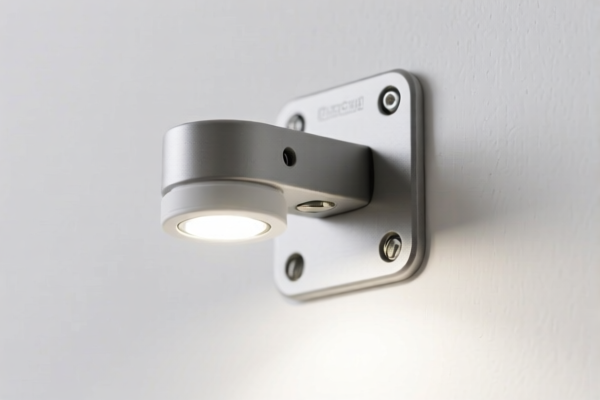
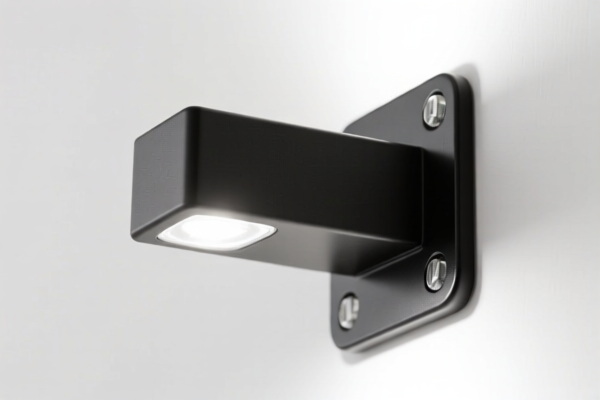
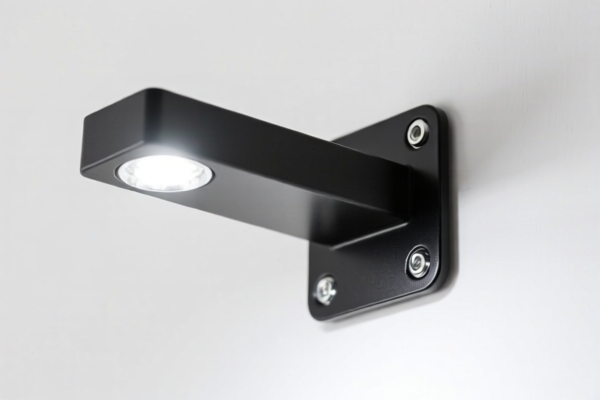
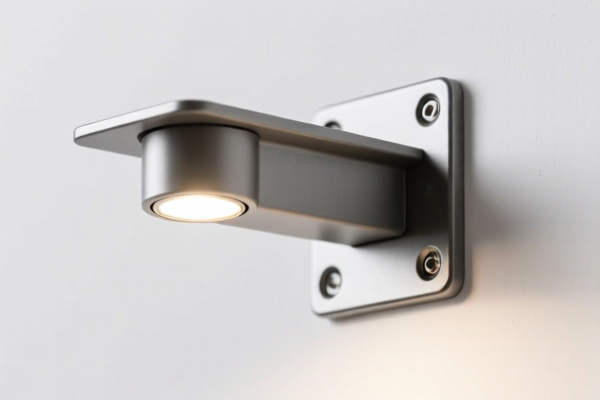
AI Analysis
🔩 Frame Mounting Bracket (框架安装座)
🌐 HS Code Reference & Customs Clearance Guide | 2024 Latest Tariff Analysis | Professional Clearance Strategy
📌 I. Product Definition & Classification: What is a "Frame Mounting Bracket"?
The Frame Mounting Bracket is a critical mechanical component used to support, secure, and position structures in industrial, commercial, or furniture applications. In international trade, its classification depends heavily on its material composition and functional end-use.
It is generally categorized into two main groups: 1. Mechanical/Structural Parts: If the bracket is a general-purpose support for machinery or equipment (non-furniture). 2. Furniture Parts: If the bracket is specifically designed as a part of a furniture frame (e.g., shelving units, display racks).
⚠️ Key Distinction Point:
- If it is a metal bracket used for general mechanical support, it falls under Chapters 73 or 84.
- If it is a part of furniture, it falls under Chapter 94.
- Material Matters: Most brackets are steel/iron, triggering higher "Section 232" tariffs on steel/aluminum products if not properly classified under specific mechanical sub-headings that might offer slight nuances (though US tariffs are aggressive on steel).
📦 II. HS Code Classification Details (Based on Provided Data)
| HS Code | Product Description | Applicable Scenario | Material/Feature | Total Tax Rate (US Imports from China) |
|---|---|---|---|---|
8487.90.00.80 |
Other mechanical parts (Supports) | General mechanical structure support | Steel/Aluminum/Metal | 88.9% |
8487.90.00.40 |
Other mechanical parts (Default) | General mechanical structure component | Steel/Aluminum/Metal | 38.9% |
7326.90.86.30 |
Other articles of iron/steel (Supports) | Bracket-like support structures | Steel/Aluminum/Copper | 87.9% |
7326.90.86.88 |
Other articles of iron/steel | General metal制品 | Steel/Aluminum/Copper | 87.9% |
9403.99.90.45 |
Furniture Parts (Metal) | Parts of furniture frames (e.g., shelving) | Metal | 85.0% |
🔍 Critical Analysis:
- High Tariff Alert: All listed HS codes carry very high total tax rates (ranging from 38.9% to 88.9%) due to the combination of Base Tariff + Section 301 Tariffs + Section 232 Tariffs (if applicable to steel/aluminum).
- Best Case Scenario:8487.90.00.40offers the lowest rate at 38.9%, but this depends on convincing customs that it is a "general mechanical part" rather than a "steel article."
- Worst Case Scenario:8487.90.00.80and steel-specific codes (7326...) hit ~88%, effectively making the product unprofitable unless priced significantly higher.
💰 III. Detailed Tariff Breakdown (2024 US Import Regulations)
✅ Applicable Country: United States (US)
✅ Origin: China (CN)
✅ Effective Time: Current (Section 301 & 232 Tariffs Active)
🎯 1. 8487.90.00.80 – Mechanical Parts (High Risk Steel)
| Item | Detail |
|---|---|
| Base Tariff | 3.9% |
| Section 301 Tariff | +25.0% |
| Section 232 Tariff | +50.0% (Steel/Aluminum/Copper products) |
| Total Tax Rate | 88.9% |
| De Minimis Exemption | ❌ Denied (Section 301 and 232 tariffs apply to all shipments, including de minimis) |
| Legal Basis | USITC:8487.90.00.80 + IEEPA:9903.01.25 + USITC:7326/8487 Steel Provisions |
📌 Explanation:
- The 50% Section 232 tariff applies because brackets are typically made of steel or aluminum. This is the highest barrier.
- Even if classified as a "mechanical part" (8487), if the material is steel, the 232 tariff often stacks on top.
🎯 2. 8487.90.00.40 – Mechanical Parts (Lower Risk Classification)
| Item | Detail |
|---|---|
| Base Tariff | 3.9% |
| Section 301 Tariff | +25.0% |
| Section 232 Tariff | Not Applicable (Assumed non-steel or exempt mechanical classification) |
| Total Tax Rate | 38.9% |
| De Minimis Exemption | ❌ Denied |
| Legal Basis | USITC:8487.90.00.40 + IEEPA:9903.01.25 |
📌 Explanation:
- This is the most cost-effective option provided in the data.
- To use this, you must prove the bracket is a mechanical component of a machine, not just a piece of metal. It must not be subject to Section 232 steel tariffs.
- Strategy: Emphasize "Function" (Mechanical Support) over "Material" (Steel) in documentation.
🎯 3. 7326.90.86.30 & 7326.90.86.88 – Steel Articles
| Item | Detail |
|---|---|
| Base Tariff | 2.9% |
| Section 301 Tariff | +25.0% |
| Section 232 Tariff | +50.0% (Steel/Aluminum/Copper) |
| Total Tax Rate | 87.9% |
| De Minimis Exemption | ❌ Denied |
| Legal Basis | USITC:7326.90.86.xx + Section 232 |
📌 Explanation:
- These codes explicitly classify the product as an article of iron/steel.
- The 50% Section 232 tariff is unavoidable here.
- Only use if the product cannot be classified under Chapter 84 (Mechanical Parts).
🎯 4. 9403.99.90.45 – Furniture Parts
| Item | Detail |
|---|---|
| Base Tariff | 0.0% |
| Section 301 Tariff | +25.0% |
| Section 232 Tariff | +50.0% (If steel) |
| Total Tax Rate | 85.0% |
| De Minimis Exemption | ❌ Denied |
| Legal Basis | USITC:9403.99.90.45 + Section 301/232 |
📌 Explanation:
- If the bracket is part of a furniture item (e.g., a metal shelving unit), it falls under Chapter 94.
- Base tariff is 0%, but Section 301 (25%) and Section 232 (50%) still apply if made of steel.
- Total: 85.0%.
🛠️ IV. Customs Clearance Practical Advice (Avoid Pitfalls)
✅ 1. Documentation Checklist (Mandatory)
| Document | Required | Purpose |
|---|---|---|
| ✅ Product Specification Sheet | ✔️ | Detail dimensions, load capacity, and exact application (e.g., "Support for CNC Machine" vs. "Support for Bookshelf"). |
| ✅ Material Certificates | ✔️ | Prove alloy composition. If possible, show it’s not standard steel to argue against Section 232 (difficult but possible for specialized alloys). |
| ✅ Technical Drawings | ✔️ | Highlight mechanical function (bolts, slots, interfaces) to support Chapter 84 classification. |
| ✅ Commercial Invoice | ✔️ | Clearly state "Frame Mounting Bracket" and its end-use. |
| ✅ Bill of Lading | ✔️ | Ensure packaging matches declared goods. |
| ✅ Proof of Origin | ✔️ | Crucial: If shipped from a non-China country (e.g., Vietnam, Mexico), you may avoid Section 301/232 tariffs. |
✅ 2. Declaration Strategy (Key Tips)
🔥 "Function over Material, Origin over Product!"
| Scenario | Correct Declaration | Incorrect Declaration | Consequence |
|---|---|---|---|
| Industrial Bracket | 8487.90.00.40 (Mechanical Part) |
7326.90.86.88 (Steel Article) |
Saves 49% tax (38.9% vs 87.9%) |
| Furniture Bracket | 9403.99.90.45 |
8487.90.00.80 |
Avoids steel tariff if not clearly mechanical. |
| Non-China Origin | Declare Origin as Vietnam/Mexico | Declare Origin as China | 0% Section 301/232 (if rules of origin met). |
✅ 3. Special Considerations
| Situation | Recommendation |
|---|---|
| Steel/Aluminum Content | If >50% steel/aluminum, expect Section 232 tariffs. Try to classify under 8487.90.00.40 to avoid the 50% surcharge. |
| Small Samples | No De Minimis Exemption: Section 301 and 232 tariffs apply even to packages under $800. Do not rely on $800 exemption for Chinese steel/brackets. |
| Furniture Kits | If sold as part of a furniture set, classify the entire set under Chapter 94, not the bracket alone. |
🌍 V. Global Market Comparison (2024)
| Country/Region | Recommended HS Code | Approx. Tariff | Notes |
|---|---|---|---|
| 🇺🇸 USA | 8487.90.00.40 |
38.9% | Best case. 7326 codes hit ~88%. |
| 🇨🇳 China | 7326.90.86.88 |
2.9% | Low tariff, but US faces high barriers. |
| 🇪🇺 EU | 7326.90.98 |
4.5% + Duty | No Section 301/232, but anti-dumping may apply. |
| 🇬🇧 UK | 7326.90.98 |
4.5% | Post-Brexit rules apply. |
| 🇻🇳 Vietnam | 7326.90.98 |
0% (FTA) | Best Alternative: Manufacture in Vietnam to avoid US tariffs. |
📌 Conclusion:
- USA is the most hostile market for Chinese steel brackets due to stacked tariffs.
- Vietnam/Mexico manufacturing is the only viable way to reduce costs to near 0%.
📌 VI. Common Mistakes & Pitfalls (Learn from Others)
❌ Mistake 1: Classifying a steel bracket as 8487.90.00.80
👉 Result: 88.9% tax.
👉 Fix: Argue for 8487.90.00.40 (38.9%) by emphasizing mechanical function.
❌ Mistake 2: Using De Minimis ($800 exemption) for Chinese brackets
👉 Result: Confiscation or Back Taxes. Section 301/232 tariffs do not apply to de minimis.
👉 Fix: Always declare and pay tariffs for shipments under $800.
❌ Mistake 3: Misdeclaring Origin
👉 Result: Customs fraud charges, severe penalties.
👉 Fix: If produced in Vietnam, ensure Substantial Transformation (not just assembly) to claim Vietnamese origin.
🎯 VII. Final Recommendation
🚀 Strategic Action Plan:
-
Re-evaluate Classification:
- Can you prove the bracket is a mechanical part (
8487.90.00.40)? - If yes, you save ~50% in taxes (38.9% vs 88.9%).
- Can you prove the bracket is a mechanical part (
-
Supply Chain Diversification:
- Shift production to Vietnam or Mexico to avoid all Section 301/232 tariffs.
- This is the only way to compete on price in the US market.
-
Pre-Ruling Request:
- File an Advance Ruling with US CBP to confirm classification under
8487.90.00.40. - This provides legal certainty and protects against future audits.
- File an Advance Ruling with US CBP to confirm classification under
📌 Pro Tip:
"In 2024, location is tax. A bracket made in China costs 3x more in duties than one made in Vietnam. Don’t just ship; strategize."
📣 Immediate Next Steps:
📞 Contact a Customs Broker: Request a classification review for
8487.90.00.40.
📦 Audit Your Supply Chain: Assess feasibility of shifting production to ASEAN countries.
📄 Prepare Documentation: Update specs to highlight mechanical function over material.
✨ Professional Clearance Starts with Precise Classification!
💼 Every percentage point saved is pure profit!
Customer Reviews
About HS Code Classification
The Harmonized System (HS) is an internationally standardized nomenclature developed by the World Customs Organization (WCO) to classify traded products. Over 200 countries use the HS system as the basis for customs tariffs, trade statistics, and import/export regulations.
Each HS code follows a hierarchical structure:
- Chapter (2 digits) — Broad category of goods (e.g., Chapter 84: Machinery and Mechanical Appliances)
- Heading (4 digits) — More specific grouping within the chapter
- Subheading (6 digits) — Internationally standardized breakdown, used by all WCO member countries
- National subdivisions (8-10 digits) — Country-specific extensions for further classification, such as US HTSUS 10-digit codes
Correct HS code classification is essential for smooth customs clearance, accurate duty payment, and compliance with trade regulations. Misclassification can lead to customs delays, overpayment of duties, or penalties.
When importing from CN to US, the applicable tariff rates may include:
- Most-Favored-Nation (MFN) rate — The standard duty rate applied to WTO members
- General rate — Applied to countries without trade agreements
- Trade remedy duties — Additional tariffs such as Section 301 (anti-dumping), Section 232 (national security), or countervailing duties
The information provided on this page is for reference purposes only. For official classification, please consult with your local customs authority or a licensed customs broker.