Fresh Aquatic Products
CN → US| HS Code | Tariff Rate | Origin | Destination | Doc |
|---|---|---|---|---|
| 030199 | 0.0% | CN | US | Official Doc |
| 030799 | 0.0% | CN | US | Official Doc |
| 030199 | 0.0% | CN | US | Official Doc |
| 030799 | 0.0% | CN | US | Official Doc |
| 030199 | 0.0% | CN | US | Official Doc |
| 030799 | 0.0% | CN | US | Official Doc |
Product Images
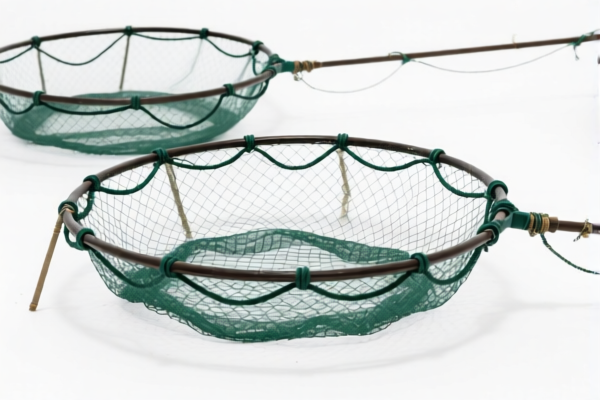
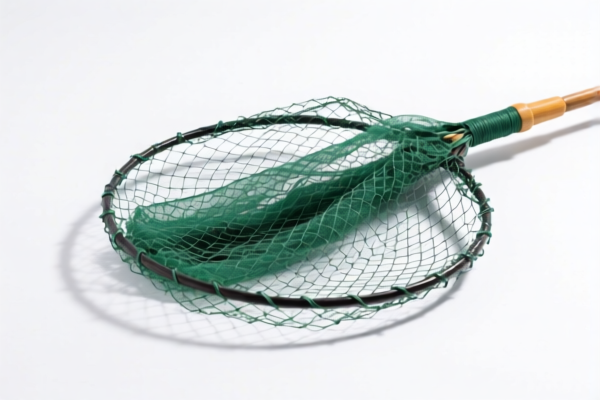
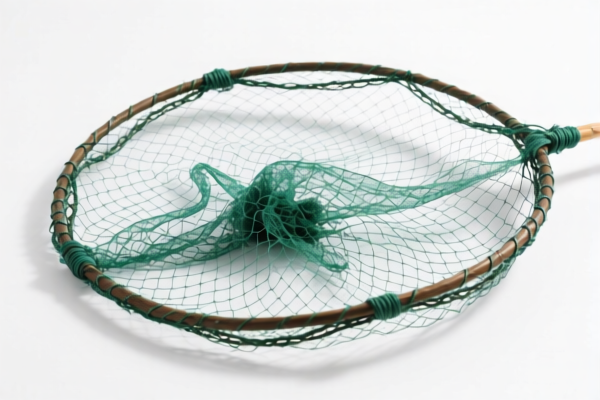
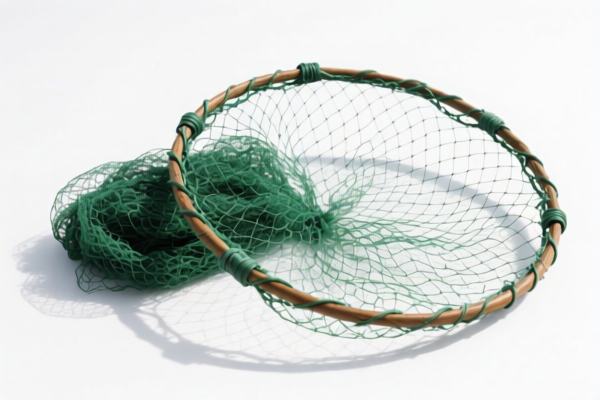
AI Analysis
🐟 Fresh Aquatic Products (Fish & Crustaceans)
🌐 HS Code Reference & Clearance Guide | 2026 Tax Regulations Full Analysis | Professional Clearance Strategy
📌 I. Product Definition & Classification: What Exactly Are "Fresh Aquatic Products"?
Fresh aquatic products refer to fish and crustaceans that are not prepared, preserved, or cooked. They are typically sold alive, fresh, or chilled. In international trade, accurate classification is critical because the tax treatment for fish differs significantly from crustaceans (shrimp, crabs, lobsters, etc.).
⚠️ Key Distinction:
- Fish (Chapter 0301): Includes all finfish, whether whole, filleted (if not further processed), or simply chilled/fresh.
- Crustaceans (Chapter 0307): Includes shrimp, prawns, crabs, lobsters, and other shellfish.
- Live vs. Chilled: The provided data specifically references "Fresh or Chilled, not prepared... excluding live." This means the HS codes below apply to non-live fresh/chilled goods.
📦 II. HS Code Classification Details (2026 Latest Tariff Concordance)
Based on the provided <DATA> XML, here are the exact HS codes and their descriptions:
| HS Code | Product Description | Category | Status |
|---|---|---|---|
0301.99 |
Fresh or chilled fish, not prepared or preserved, excluding live fish | Fish | 🐟 Fish (Chilled/Fresh) |
0307.99 |
Fresh or chilled crustaceans, not prepared or preserved | Crustaceans | 🦐 Crustaceans (Chilled/Fresh) |
🔍 Important Note:
-0301.99covers generic fresh/chilled fish that do not fall into more specific sub-headings (e.g., salmon, tuna may have specific codes).
-0307.99covers generic fresh/chilled crustaceans not otherwise specified.
- Both codes explicitly exclude live animals. Live fish/crustaceans have different HS codes (e.g.,0301.90for live fish).
💰 III. 2026 Latest Tariff Rate Details
✅ Applicable Context:
❓ Status: Tax Information Error / Failed to Retrieve
According to the <DATA> provided:
- Tax Detail: "Failed to retrieve tax information"
- Total Tax: "Error"
📌 Interpretation:
The source data indicates a technical failure or missing data for tax rates for both0301.99and0307.99.
- Do NOT assume 0% or standard rates.
- Action Required: You must verify the current applicable tariffs with local customs authorities or a licensed customs broker, as rates vary significantly by: - Country of Origin - Destination Country - Trade Agreements (e.g., RCEP, USMCA, EU GSP) - Specific species (some fish/crustaceans have preferential rates)
🛠️ IV. Clearance Practical Advice (Pitfall Avoidance Guide)
✅ 1. Essential Documentation Checklist
| Document | Required? | Notes |
|---|---|---|
| ✅ Commercial Invoice | ✔️ | Must clearly state "Fresh/Chilled [Fish/Crustacean Species]" |
| ✅ Packing List | ✔️ | Detail net/gross weight, packaging type (ice, carton, etc.) |
| ✅ Health Certificate | ✔️ | Critical for fresh food. Issued by competent authority in origin country. |
| ✅ Cold Chain Certificate | ✔️ | Proof of temperature control during transit (for chilled goods). |
| ✅ Species Declaration | ✔️ | Scientific name is often required for customs verification. |
| ✅ Import Permit | ✔️ | Many countries require pre-approval for fresh aquatic products. |
✅ 2. Declaration Tips (Key Mnemonic)
🔥 “Species Exact, Temp Verified, No Live, No Cooked!”
| Situation | Correct Declaration | Wrong Approach |
|---|---|---|
| Chilled Fish | 0301.99 + "Chilled, not preserved" |
Misdeclare as "Live" → Rejected |
| Frozen Shrimp | NOT 0307.99 → Use 0306 codes |
0307.99 is only for Chilled/Fresh |
| Cooked Crabs | NOT 0307.99 → Use 0308 or other prepared codes |
0307.99 excludes "prepared/preserved" |
| Live Lobster | NOT 0307.99 → Use 0306 live codes |
0307.99 explicitly excludes live |
✅ 3. Special Cases
| Case | Handling Advice |
|---|---|
| Species Misclassification | Customs often reject generic terms like "Seafood." Use specific species (e.g., "Atlantic Cod" instead of "Fish"). |
| Chilled vs. Frozen | 0301.99/0307.99 apply to chilled (0–4°C). Frozen goods go to different HS codes (e.g., 0304 for fish fillets, 0306 for frozen crustaceans). |
| Organic Certification | If claiming organic, provide valid certification documents to avoid tariff disputes. |
🌍 V. Global Market Clearance Comparison (2026)
| Country/Region | Recommended HS Code | Note |
|---|---|---|
| 🇺🇸 USA | 0301.99 / 0307.99 |
Requires FDA Prior Notice & Health Certificate. High inspection rate. |
| 🇨🇳 China | 0301.99 / 0307.99 |
Requires CIQ inspection. Quota may apply for some species. |
| 🇪🇺 EU | 0301.99 / 0307.99 |
Strict hygiene standards. Requires EU-approved slaughterhouse/processing plant. |
| 🇯🇵 Japan | 0301.99 / 0307.99 |
Requires detailed species origin and cold chain proof. |
📌 Conclusion:
- Cold Chain Integrity is the #1 factor for customs clearance of fresh aquatic products.
- Tax rates are uncertain based on the provided data; always confirm with local authorities.
- Documentation accuracy (species, temperature, health) is more critical than in standard goods.
📌 VI. Common Errors & Pitfall Guide (Blood Lessons)
❌ Error 1: Declaring Frozen goods as Chilled (0307.99)
👉 Consequence: Customs may reject, reclassify, or impose penalties for false declaration.
❌ Error 2: Using generic term "Fish" without species name
👉 Consequence: Customs detention for identification failure. Always use scientific names.
❌ Error 3: Assuming Tax Rate is 0% because "Fresh" sounds simple
👉 Consequence: The provided data shows "Error" in tax. Blindly assuming 0% leads to unexpected duties and fines.
✅ Correct Practice:
"Chilled Atlantic Salmon (Salmo salar), 10kg net, Temperature -1°C to 2°C, Certificate No. XYZ, FDA Prior Notice Filed."
🎯 VII. Conclusion: Professional Clearance, Cost Control, Efficiency!
🎯 Remember the Mantra:
🔹 "Chilled, Not Live. Fish vs. Crustacean. Tax Error? Verify!"
🔹 "HS Code is Just the Start. Health & Temp are Key!"
📌 Pro Tip:
Since the tax data returned "Error", you must:
1. Contact your customs broker immediately.
2. Check the latest tariff schedule for your specific destination country.
3. Ensure all health and cold chain documents are pristine.
📣 Act Now:
📞 Verify Tax Rates with Local Customs
🚀 Ensure Cold Chain Compliance for Smooth Clearance!
✨ Professional Clearance, Starting with Precision!
💼 Every Degree of Temperature and Every Species Name Matters!
Customer Reviews
About HS Code Classification
The Harmonized System (HS) is an internationally standardized nomenclature developed by the World Customs Organization (WCO) to classify traded products. Over 200 countries use the HS system as the basis for customs tariffs, trade statistics, and import/export regulations.
Each HS code follows a hierarchical structure:
- Chapter (2 digits) — Broad category of goods (e.g., Chapter 84: Machinery and Mechanical Appliances)
- Heading (4 digits) — More specific grouping within the chapter
- Subheading (6 digits) — Internationally standardized breakdown, used by all WCO member countries
- National subdivisions (8-10 digits) — Country-specific extensions for further classification, such as US HTSUS 10-digit codes
Correct HS code classification is essential for smooth customs clearance, accurate duty payment, and compliance with trade regulations. Misclassification can lead to customs delays, overpayment of duties, or penalties.
When importing from CN to US, the applicable tariff rates may include:
- Most-Favored-Nation (MFN) rate — The standard duty rate applied to WTO members
- General rate — Applied to countries without trade agreements
- Trade remedy duties — Additional tariffs such as Section 301 (anti-dumping), Section 232 (national security), or countervailing duties
The information provided on this page is for reference purposes only. For official classification, please consult with your local customs authority or a licensed customs broker.