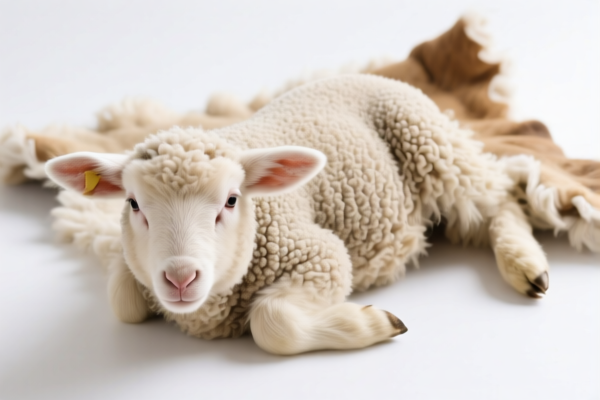
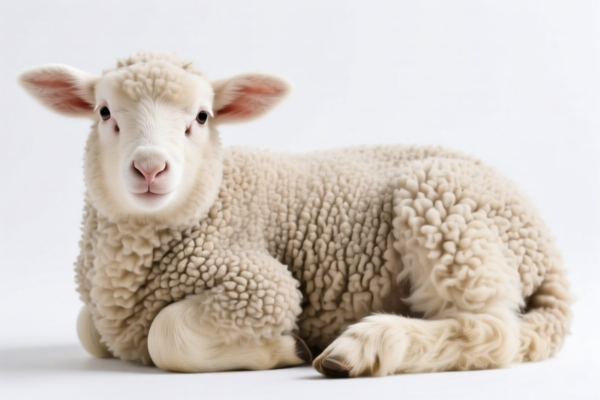
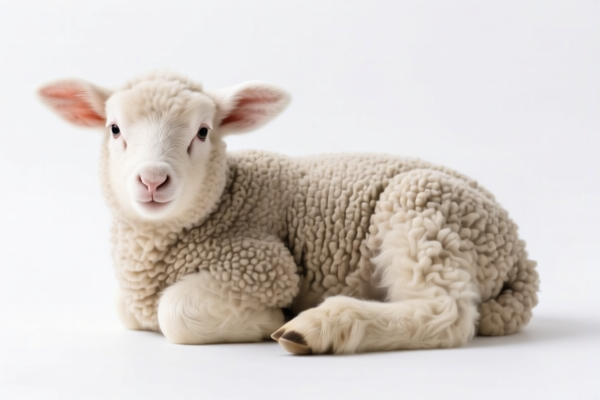
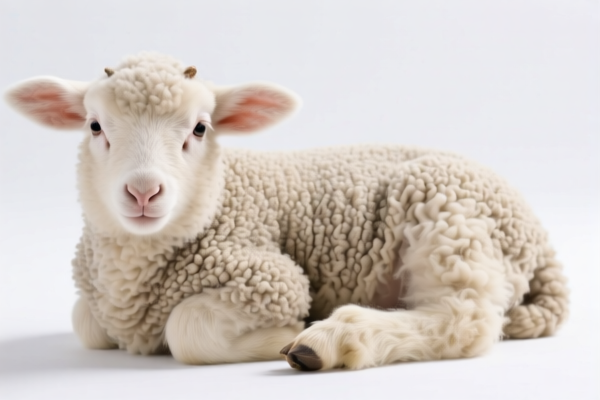
Fresh Lambskins with Wool for Leather Processing
CN → USProduct Images
AI Analysis
🐑 Fresh Lambskins with Wool for Leather Processing (Green Skins)
🌐 HS Code Reference & Customs Clearance Guide | 2026 Latest Tariff Analysis | Professional Entry Strategy
📌 I. Product Definition & Classification: What Exactly Are "Fresh Lambskins"?
Fresh Lambskins with Wool (also known as "Green Skins" or "Wet-Salted Skins" depending on preservation) are raw animal hides that have been removed from the carcass but have not yet undergone tanning, curing, or heavy processing. They are the primary raw material for the leather industry, specifically for producing high-quality sheepskin leather used in clothing, gloves, luxury accessories, and automotive interiors.
In international trade, they are strictly distinguished from: * Dried Salted Skins: Heavily salted and dried, requiring rehydration. * Tanned/Leather: Processed and stable, no longer perishable. * Fur Skins: Kept for fur usage, often with stricter sanitary controls.
⚠️ Key Distinction Point:
- If the skins are fresh, wet, or lightly salted (preserved only to prevent rotting for transport) → Classified under Chapter 41.
- If the skins are tanned or further processed → Classified under Chapter 4102 or 4103.
- Critical Note: Customs will inspect the moisture content and preservation method. "Fresh" implies perishable status, requiring specific sanitary documentation.
📦 II. HS Code Classification Details (2026 Latest Tariff Authority Comparison)
| HS Code | Product Description | Application Scenario | Preservation State |
|---|---|---|---|
4101.21.00.00 |
Sheepskins/Goatskins, fresh (wet), not split | Fresh wet skins, lightly salted, for immediate leather processing | ✅ Fresh/Wet/Light Salt |
4101.29.00.00 |
Other sheepskins/goatskins, fresh (not split) | Dried salted, frozen, or other preservation methods | ✅ Preserved/Dried/Frozen |
4101.90.00.00 |
Hides & Skins, fresh, excluding bovine/ovine/caprine | Other animals (e.g., goat, pig if not specified as sheep) | ✅ Fresh |
4102.10.00.00 - 4102.29.00.00 |
Sheepskins/Goatskins, tanned or crust | Tanned leather, ready for cutting/sewing | ❌ Processed (Wrong Category for "Fresh") |
🔍 Key Reminder:
- "Fresh" (Chapter 4101) vs. "Tanned" (Chapter 4102) is the most critical distinction.
- If you declare4101.21.00.00, the goods must be perishable, wet, or lightly salted.
- If the skins are dry and heavily salted, they often fall under4101.29.00.00or may require reclassification if heavily preserved.
- Do NOT use Chapter 43 (Fur) codes unless the wool is kept specifically for fur garments (e.g., shearling coats), in which case different sanitary rules apply.
💰 III. 2026 Latest Tariff Rate Details (Including Surcharges & Policy Add-ons)
✅ Applicable Country: United States (US)
✅ Country of Origin: China (CN)
✅ Effective Date: From November 10, 2025 (including subsequent imports)
🎯 1. 4101.21.00.00 – Sheepskins/Goatskins, Fresh (Wet)
| Item | Content |
|---|---|
| Base Tax Rate | 3.2% (ad valorem) |
| USITC Surcharge | +25% (from USITC Footnote 9903.88.01 - Section 301) |
| IEEPA Surcharge | +10% (Targeting China/HK products, effective Nov 10, 2025) |
| Total Tax Rate | 38.2% |
| Tax Calculation | CIF Value × 38.2% |
| De Minimis Eligibility | ❌ No (deny_de_minimis) |
| Legal Basis Path | IEEPA:9903.01.25 → IEEPA:9903.01.24 → USITC:4101.21.00.00 → FOOTNOTE:9903.88.01 |
📌 Explanation:
- The 3.2% base rate is the normal MFN rate for fresh sheepskins.
- The 25% USITC surcharge applies to all raw animal skins of Chinese origin under Section 301.
- The 10% IEEPA surcharge is the new additional tariff effective late 2025.
- Total burden: 38.2%. This is a high-cost raw material import. Any error in classification (e.g., misdeclaring as "leather") will result in severe penalties.
🎯 2. 4101.29.00.00 – Other Fresh Sheepskins/Goatskins (e.g., Dried/Salted)
| Item | Content |
|---|---|
| Base Tax Rate | 3.2% (ad valorem) |
| USITC Surcharge | +25% |
| IEEPA Surcharge | +10% |
| Total Tax Rate | 38.2% |
| Tax Calculation | CIF Value × 38.2% |
| De Minimis Eligibility | ❌ No |
| Legal Basis Path | IEEPA:9901.25 → IEEPA:9903.01.24 → USITC:4101.29.00.00 → FOOTNOTE:9903.88.01 |
📌 Note:
- The tax rate is identical to wet skins.
- However, dried/salted skins may face stricter APHIS (Animal and Plant Health Inspection Service) inspection due to potential disease vectors (e.g., Foot and Mouth Disease).
- Ensure the sanitary certificate is issued by the competent authority in the exporting country.
🛠️ IV. Customs Clearance Practical Advice (Battle-Tested Pitfall Guide)
✅ 1. Required Documentation Checklist (Non-Negotiable)
| Document | Mandatory | Explanation |
|---|---|---|
| ✅ Commercial Invoice | ✔️ | Must state "Fresh Lambskins with Wool," HS Code, and CIF value. |
| ✅ Packing List | ✔️ | Detail weight (Gross/Net) and number of skins. |
| ✅ Health/Sanitary Certificate | ✔️ | Issued by the country's veterinary authority. Must certify disease-free status. |
| ✅ APHIS Permit | ✔️ | Import permit from US APHIS may be required depending on origin and preservation. |
| ✅ Bill of Lading | ✔️ | Standard shipping document. |
| ✅ Manufacturer’s Declaration | ✔️ | Confirming preservation method (e.g., "lightly salted" vs. "deeply salted"). |
✅ 2. Declaration Tips (Key Mantra)
🔥 "Fresh means Perishable, Wool must be Clean, Salt Level Matters, Health Cert is King!"
| Scenario | Correct Declaration | Wrong Practice |
|---|---|---|
| Wet/Lightly Salted Skins | 4101.21.00.00 + "Fresh, Wet" |
Declare as "Dried" → APHIS rejection |
| Dried/Heavily Salted Skins | 4101.29.00.00 + "Dried, Salted" |
Declare as "Fresh/Wet" → Misclassification penalty |
| Tanned Leather Skins | 4102.10.00.00 |
Declare as "Fresh" → 0% tax vs 38.2% (Fraud!) |
| Fur Skins (Shearling) | Chapter 43 (if applicable) | Declare as 4101 → Different sanitary rules |
✅ 3. Special Handling Cases
| Situation | Handling Advice |
|---|---|
| Frozen Skins | Still classified under Chapter 41 (if for leather) or Chapter 43 (if for fur). Must be frozen to -18°C. |
| Heavy Salt Content | If salt content exceeds 10-15%, APHIS may require additional disinfection. Declare accurately. |
| Wool Retention | If wool is kept for shearling, ensure the invoice specifies "Shearling Skins" to potentially qualify for Chapter 43 if intended for fur use, but fresh skins are almost always Chapter 41. |
| Contamination | Any sign of decay, blood, or filth will lead to immediate refusal of entry (ROE). |
🌍 V. Global Main Market Clearance Comparison (2026 Latest)
| Country/Region | Recommended HS Code | Tariff | Certification | Notes |
|---|---|---|---|---|
| 🇺🇸 USA | 4101.21.00.00 |
38.2% (CN) | APHIS + Health Cert | High barrier due to surcharges |
| 🇨🇳 China | 4101.21.00.00 |
13% | Veterinary Cert | No additional surcharges |
| 🇪🇺 EU | 4101.21.00.00 |
3.7% | Health Cert + EEC Mark | Strict sanitary controls |
| 🇦🇺 Australia | 4101.21.00.00 |
5% | AQIS Approval | Very strict biosecurity |
| 🇯🇵 Japan | 4101.21.00.00 |
3.2% | Health Cert | Stable demand for leather |
📌 Conclusion:
- USA is the most expensive market due to the 38.2% total tariff.
- Sanitary Compliance is the #1 risk factor. Never ship without a valid Health Certificate.
- China and EU offer better margin potential due to lower tariffs and established supply chains.
📌 VI. Common Errors & Pitfall Guide (Lessons Learned)
❌ Error 1: Declaring "Tanned Leather" when goods are "Fresh Skins"
👉 Consequence: Tax Evasion. Penalties up to 3x the evaded duty + seizure of goods.
❌ Error 2: Missing APHIS Permit for Chinese Origin
👉 Consequence: Shipment Returned or Destroyed at port. No refund.
❌ Error 3: Improper Preservation (Rotting in Transit)
👉 Consequence: Biological Hazard. Immediate disposal at exporter's cost.
❌ Error 4: Vague Description "Animal Skins"
👉 Consequence: Customs Audit. Delay of 30-60 days.
✅ Correct Declaration Example:
"Fresh Sheepskins with Wool, Lightly Salted, For Leather Processing, HS 4101.21.00.00, Origin: China, Health Cert No: XXXXX"
🎯 VII. Conclusion: Precision, Safety, and Cost Control
🎯 Remember the Mantra:
🔹 "Fresh is Perishable, Salt is Key, Health Cert is Mandatory!"
🔹 "38.2% Tax in USA, Plan Your Pricing Accordingly!"
🔹 "Misclassification = Seizure, No Exceptions!"
📌 Pro Tip:
If your lambskins are tanned (processed), they fall under 4102.10.00.00 (Tanned Sheepskins) with a 0% base rate + 25% USITC + 10% IEEPA = 35%.
Wait, that's still high. But if you process them outside China (e.g., Vietnam, Turkey), you may qualify for IEEPA Exemption, reducing the rate significantly.
Recommendation: Consider transshipment processing or sourcing from non-China origins if shipping to the US.
📣 Immediate Action:
📞 Engage a licensed customs broker + Provide Health Certificate + Pre-notify APHIS
🚀 Ensure Cold Chain/Sanitary Compliance to avoid port rejection!
✨ Professional Clearance Starts with Accurate Classification!
💼 Your Raw Material Cost + 38.2% Tax = Final Landed Cost. Calculate Wisely!
Customer Reviews
About HS Code Classification
The Harmonized System (HS) is an internationally standardized nomenclature developed by the World Customs Organization (WCO) to classify traded products. Over 200 countries use the HS system as the basis for customs tariffs, trade statistics, and import/export regulations.
Each HS code follows a hierarchical structure:
- Chapter (2 digits) — Broad category of goods (e.g., Chapter 84: Machinery and Mechanical Appliances)
- Heading (4 digits) — More specific grouping within the chapter
- Subheading (6 digits) — Internationally standardized breakdown, used by all WCO member countries
- National subdivisions (8-10 digits) — Country-specific extensions for further classification, such as US HTSUS 10-digit codes
Correct HS code classification is essential for smooth customs clearance, accurate duty payment, and compliance with trade regulations. Misclassification can lead to customs delays, overpayment of duties, or penalties.
When importing from CN to US, the applicable tariff rates may include:
- Most-Favored-Nation (MFN) rate — The standard duty rate applied to WTO members
- General rate — Applied to countries without trade agreements
- Trade remedy duties — Additional tariffs such as Section 301 (anti-dumping), Section 232 (national security), or countervailing duties
The information provided on this page is for reference purposes only. For official classification, please consult with your local customs authority or a licensed customs broker.