Fresh Raw Cowhide
CN → US| HS Code | Tariff Rate | Origin | Destination | Doc |
|---|---|---|---|---|
| 4101901010 | 17.5% | CN | US | Official Doc |
| 4101901020 | 17.5% | CN | US | Official Doc |
| 4104115080 | 13.3% | CN | US | Official Doc |
| 4104195080 | 13.3% | CN | US | Official Doc |
| 4103902000 | 20.8% | CN | US | Official Doc |
Product Images
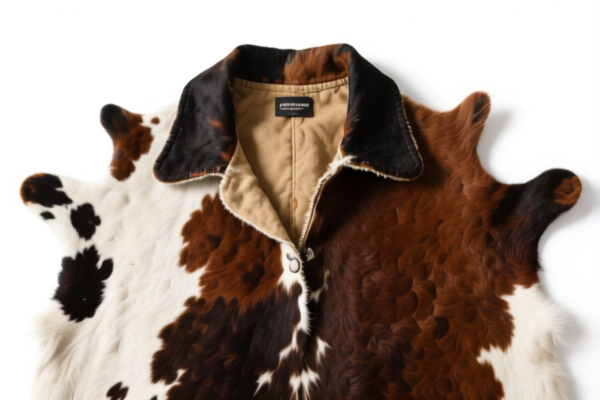
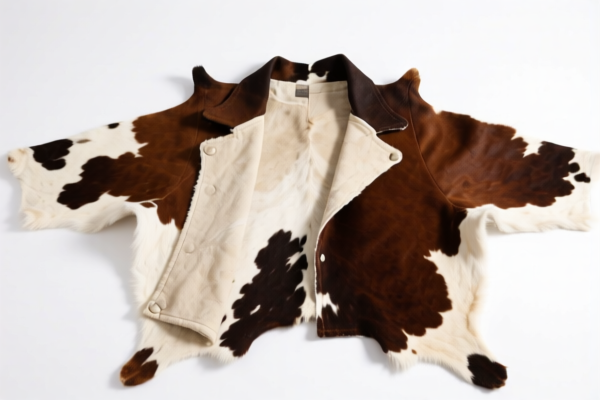
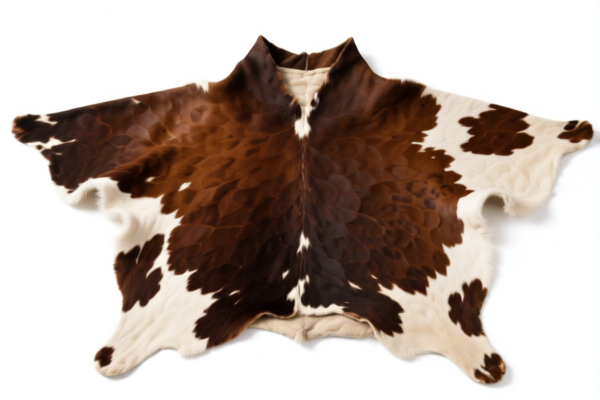
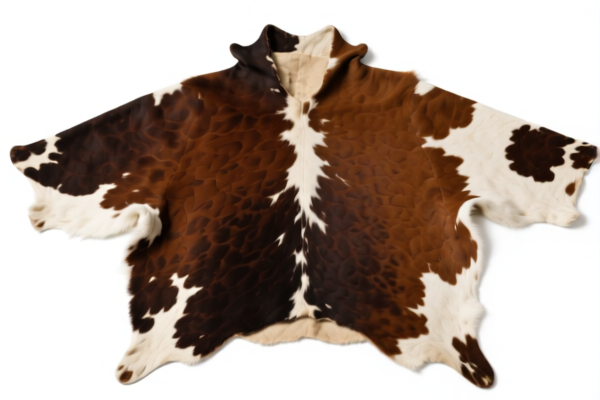
AI Analysis
🐮 Fresh Raw Cowhide (Bovine Hides – Unprocessed)
🌐 HS Code Reference & Clearance Guide | 2026 Customs Duty Breakdown | Raw Material Import Strategy
📌 I. Product Definition & Classification: Do You Know What "Fresh Raw Cowhide" Actually Is?
"Fresh Raw Cowhide" refers to bovine skins obtained immediately after slaughter, prior to any preservation (such as salting or tanning) or further industrial processing. In international trade, these are classified under Chapter 41 (Leather, fur skins and other articles of leather; articles of fur skins).
The key distinction lies in the state of preservation: * "Fresh" / "Wet-Salted": The hide is either freshly skinned (wet) or preserved with salt but not yet tanned. It is considered a raw agricultural/animal product. * Tanned/Dressed: If the hide has undergone chemical tanning (e.g., Chrome-tanned), it moves to Chapter 41 headings 4104 or 4106, which have significantly different tax structures.
⚠️ Critical Distinction:
- If the hide is fresh, wet, or salted (raw state) → It falls under Heading 4101 or 4103 (Raw Skins).
- If the hide is tanned (even if "wet blue" or dry tanned) → It falls under Heading 4104 or 4105.
- Misclassification Risk: Declaring tanned leather as "fresh raw" to avoid higher tariffs, or vice versa, can lead to severe penalties for customs fraud.
📦 II. HS Code Classification Details (Based on Provided Data)
Below are the specific HS Codes mapped to your input "Fresh Raw Cowhide," based on the provided dataset. Note that while all relate to cowhide, the tax treatment varies significantly due to specific origin rules, processing states, and additional tariffs.
| HS Code | Summary / Description | Key Characteristics | Total Tax Rate |
|---|---|---|---|
4101.90.10.10 |
Fresh Beef Rump Hide | Specific cut/portion of fresh/wet-salted cowhide. | 17.5% |
4101.90.10.20 |
Fresh Cowhide | General category for fresh/wet-salted cowhide. No material conflict. | 17.5% |
4104.11.50.80 |
Fresh Cowhide (Wet/Blue) | Matches "wet state" (including wet-blue) characteristics; NOT fully dry-tanned. | 13.3% |
4104.19.50.80 |
Fresh Cowhide (Other) | Primary shape, not further processed than initial tanning stage. | 13.3% |
4103.90.20.00 |
Fresh Wet-Salted Cowhide | Explicitly "untanned" (salted state). Raw skin characteristic. | 20.8% |
🔍 Analysis of the Data:
- The dataset contains a mix of raw (untanned) and partially processed (wet/blue) hides under the label "Fresh."
-4101and4103codes generally apply to raw, untanned skins.
-4104codes apply to tanned hides (including "wet blue" which is partially tanned but not finished).
- Why the tax difference? The 122 Clause Tariff (10%) and Section 301/IEEPA surcharges apply differently based on the specific subheading and origin.
💰 III. 2026 Tariff Rate Breakdown (Detailed Tax Components)
✅ Applicable Country: USA (US)
✅ Origin: China (CN) (Assumed based on "122 Clause" and typical surcharge structures in the data)
✅ Effective Date: Current Rates (Includes 122 Clause & Additional Duties)
🎯 1. Codes 4101.90.10.10 & 4101.90.10.20 (Fresh Cowhide / Rump)
| Component | Rate | Explanation |
|---|---|---|
| Base Duty (MFN) | 0.0% | Standard Most Favored Nation rate for raw skins in this subheading. |
| Section 301 / Additional Duty | 7.5% | Applied due to origin (likely China). |
| 122 Clause Tariff | 10.0% | Specific anti-dumping/countervailing or trade remedy duty. |
| Total Effective Rate | 17.5% | 0% + 7.5% + 10% |
| De Minimis Exemption | ❌ NO | Raw animal products are generally not eligible for de minimis (Section 321) if they violate FDA/Biota regulations or if value exceeds threshold with duties. |
📌 Why 17.5%?
Even though the base duty is 0%, the 25% total surcharge (7.5% + 10%) makes this a high-cost import. The "122 Clause" is a critical identifier here, suggesting specific trade remedy measures.
🎯 2. Codes 4104.11.50.80 & 4104.19.50.80 (Wet/Blue or Unprocessed Tanned)
| Component | Rate | Explanation |
|---|---|---|
| Base Duty (MFN) | 3.3% | Standard MFN rate for tanned/semi-processed hides. |
| Additional Duty | 0.0% | No extra Section 301 surcharge listed for these specific sub-codes in this dataset. |
| 122 Clause Tariff | 10.0% | Still applicable. |
| Total Effective Rate | 13.3% | 3.3% + 0% + 10% |
| De Minimis Exemption | ❌ NO | Same restrictions as above. |
📌 Why 13.3%?
This is 4.2% cheaper than the fresh raw hides. If the commodity is "wet blue" (partially tanned), it qualifies for4104. However, you must prove it is not "fresh/untanned" (which would fall under 4101/4103) to justify the lower base rate and avoid 7.5% surcharge.
🎯 3. Code 4103.90.20.00 (Fresh Wet-Salted Cowhide)
| Component | Rate | Explanation |
|---|---|---|
| Base Duty (MFN) | 3.3% | Standard MFN rate for raw skins in this subheading. |
| Additional Duty | 7.5% | Applied due to origin. |
| 122 Clause Tariff | 10.0% | Still applicable. |
| Total Effective Rate | 20.8% | 3.3% + 7.5% + 10% |
| De Minimis Exemption | ❌ NO | Highest risk category. |
📌 Why 20.8%?
This is the most expensive option. It combines a 3.3% base duty with both the 7.5% additional duty and the 10% 122 Clause. This suggests this specific subheading is heavily targeted by trade remedies.
🛠️ IV. Customs Clearance Practical Advice (Actionable Strategy)
✅ 1. Documentation Checklist (Mandatory)
| Document | Requirement | Notes |
|---|---|---|
| Commercial Invoice | Must clearly state: "Fresh/Wet-Salted Cowhide" or "Wet-Blue Cowhide." | Do not use vague terms like "Leather Raw Material." |
| Bill of Lading | Show clean, dry packaging if salted; wet containment if fresh. | Salted hides often require leak-proof packaging. |
| FDA Prior Notice | MANDATORY for all animal products. | File via PPNR (Prior Notice of Imported Foods). |
| APHIS Permit | Mandatory for raw bovine hides. | Importer must obtain an import permit from USDA-APHIS before shipment. |
| Certificate of Origin | Required for duty calculation. | Needed to verify eligibility for any exemptions (though unlikely for China-origin). |
| Processing Status Statement | Explicitly state: "NOT TANNED" or "WET-BLUE TANNED." | Critical for distinguishing between 4101/4103 (Raw) vs. 4104 (Tanned). |
✅ 2. Classification Strategy (How to Save Money)
🔥 "Know Your State: Raw vs. Wet-Blue"
| Scenario | Recommended HS Code | Tax Rate | Why? |
|---|---|---|---|
| True Fresh Raw Hide (Just skinned, no salt, or lightly salted, UN-TANNED) | 4101.90.10.10 / .20 |
17.5% | Base duty 0%, but hits 7.5% + 10% surcharges. |
| Wet-Blue / Semi-Tanned (Chemically treated but not finished) | 4104.11.50.80 / .19 |
13.3% | BEST OPTION if true. Base duty 3.3%, but NO 7.5% surcharge, only 10%. Saves 4.2%. |
| Wet-Salted Raw (Heavy salt, UN-TANNED) | 4103.90.20.00 |
20.8% | AVOID if possible. Highest tax due to 3.3% base + 7.5% + 10%. |
⚠️ Warning: Do not misdeclare "Wet-Blue" (4104) as "Fresh Raw" (4101) to claim 0% base duty, because you will still pay the 7.5% + 10%. Conversely, do not declare "Fresh Raw" (4101) as "Wet-Blue" (4104) to avoid the 7.5% surcharge, unless it is genuinely tanned. FDA/APHIS will inspect the chemical smell/color.
✅ 3. Special Considerations for "122 Clause"
- What is the 122 Clause? It refers to specific tariff lines where the US imposes an additional 10% duty due to trade remedies (often related to anti-dumping or countervailing duties on specific products from specific countries).
- Impact: It is non-negotiable and applies regardless of the base duty rate.
- Strategy: Ensure your supplier’s country of origin is correctly declared. If there are any alternative sourcing countries with favorable trade agreements, consider them (though raw hides are often globally sourced).
🌍 V. Global Market Comparison (Brief Overview)
| Market | Typical HS Code (Raw Hides) | Base Duty | Additional Duties | Notes |
|---|---|---|---|---|
| 🇺🇸 USA | 4101.21 - 4101.90 |
0% - 3.3% | High (7.5% + 10%) | Strict APHIS/FDA rules. |
| 🇨🇳 China | 4101 |
0% - 5% | None | Low base duty, but import restrictions on raw hides may apply. |
| 🇪🇺 EU | 4101 |
0% - 5% | None | Strict veterinary health certificates required. |
| 🇻🇳 Vietnam | 4101 |
0% - 5% | None | Growing leather hub; often processes hides domestically. |
📌 Conclusion:
- The USA is the most complex market due to multiple layers of tariffs (Base + Section 301/Additional + 122 Clause).
- Vietnam and EU are simpler but require strict veterinary compliance.
- For US imports, optimizing the HS Code between4101(17.5%) and4104(13.3%) is the primary cost-saving lever.
📌 VI. Common Errors & Pitfalls (Learn from Mistakes)
❌ Error 1: Declaring "Tanned Leather" as "Raw Hides"
👉 Consequence: Customs rejects entry, fines for misdeclaration.
👉 Fix: Provide chemical test results if challenged.
❌ Error 2: Failing to file FDA Prior Notice
👉 Consequence: Cargo detained or destroyed at port.
👉 Fix: File PPNR at least 4 hours before arrival (by vessel) or 30 minutes before arrival (by air).
❌ Error 3: Ignoring APHIS Permit
👉 Consequence: No import permit = No clearance.
👉 Fix: Apply for APHIS import permit well in advance.
❌ Error 4: Misclassifying "Wet-Blue" as "Raw"
👉 Consequence: Paying higher duties unnecessarily (17.5% vs 13.3%) or facing audits for undervaluing.
👉 Fix: Be honest about the tanning state. "Wet-Blue" is a distinct commercial product.
🎯 VII. Final Recommendation
💡 For "Fresh Raw Cowhide" Imports to the USA: 1. Verify the State: Is it truly untanned (Raw) or Wet-Blue (Semi-tanned)? 2. Choose the Right Code: - If Wet-Blue: Use
4104.11.50.80or4104.19.50.80→ 13.3% Total Duty. - If Raw/Salted: Use4101.90.10.10/20→ 17.5% Total Duty. - Avoid4103.90.20.00(20.8%) unless specifically required. 3. Compliance First: Secure APHIS Permit and FDA Prior Notice. 4. Documentation: Clearly state "Wet-Blue" or "Raw Salted" on invoice.📞 Action Step:
Consult with a licensed customs broker before shipment to confirm the HS Code based on the exact physical state of the hide.
🚀 Save 4.2% duty by correctly classifying Wet-Blue hides!
✨ Professional Clearance Starts with Accurate Classification!
💼 Your Cost Efficiency Depends on the First 8 Digits!
Customer Reviews
About HS Code Classification
The Harmonized System (HS) is an internationally standardized nomenclature developed by the World Customs Organization (WCO) to classify traded products. Over 200 countries use the HS system as the basis for customs tariffs, trade statistics, and import/export regulations.
Each HS code follows a hierarchical structure:
- Chapter (2 digits) — Broad category of goods (e.g., Chapter 84: Machinery and Mechanical Appliances)
- Heading (4 digits) — More specific grouping within the chapter
- Subheading (6 digits) — Internationally standardized breakdown, used by all WCO member countries
- National subdivisions (8-10 digits) — Country-specific extensions for further classification, such as US HTSUS 10-digit codes
Correct HS code classification is essential for smooth customs clearance, accurate duty payment, and compliance with trade regulations. Misclassification can lead to customs delays, overpayment of duties, or penalties.
When importing from CN to US, the applicable tariff rates may include:
- Most-Favored-Nation (MFN) rate — The standard duty rate applied to WTO members
- General rate — Applied to countries without trade agreements
- Trade remedy duties — Additional tariffs such as Section 301 (anti-dumping), Section 232 (national security), or countervailing duties
The information provided on this page is for reference purposes only. For official classification, please consult with your local customs authority or a licensed customs broker.