Fresh Wet Beef Raw Material
CN → US| HS Code | Tariff Rate | Origin | Destination | Doc |
|---|---|---|---|---|
| 02011000 | 0.0% | CN | US | Official Doc |
| 02019000 | 0.0% | CN | US | Official Doc |
Product Images
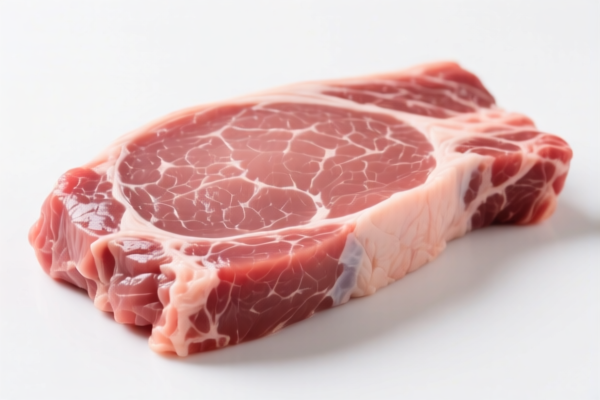
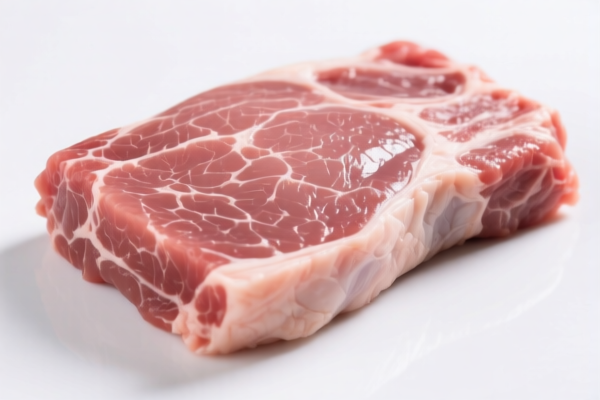
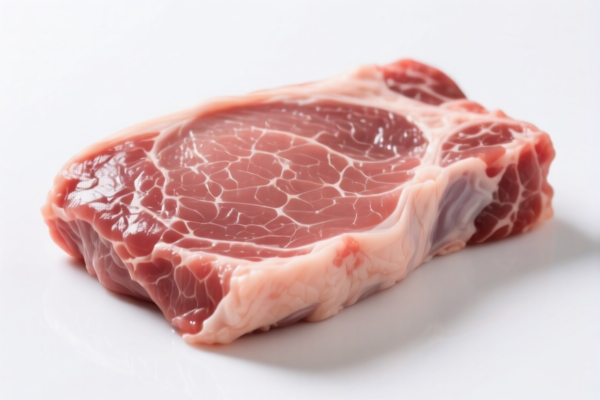
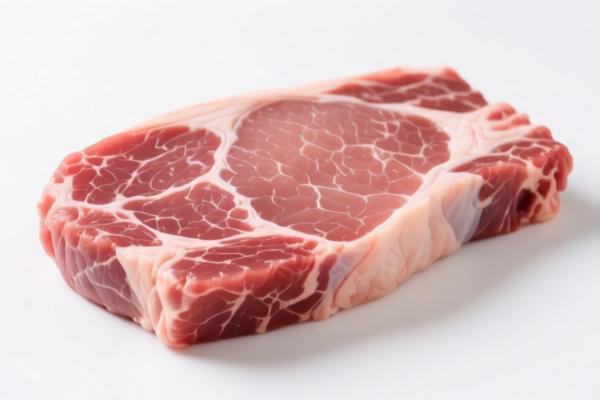
AI Analysis
🥩 Fresh Wet Beef Raw Material (Raw Beef Cuts)
🌐 HS Code Reference & Customs Clearance Guide | 2026 Latest Tariff Full Analysis | Professional-Level Strategy
📌 I. Product Definition & Classification: Do You Really Understand "Fresh Wet Beef"?
Fresh or Chilled Beef, not further prepared, excluding offal, for human consumption is the core category for raw beef imports. In international trade, this commodity is strictly divided into two specific sub-categories based on anatomical parts and cut specifications.
- Whole/Specific Cuts (Specified in 0201.10): Includes large primal cuts like Whole Carcasses, Sides, Quarters, or specific standard cuts like Sirloin, Rump, and Chuck as defined by the tariff schedule.
- Other Cuts (Not Specified in 0201.10): Includes smaller retail cuts, irregular pieces, bone-in vs. boneless variations that do not fit the standard "primal cut" definitions, or specific muscle groups not listed under 0201.10.
⚠️ Key Distinction Point:
- If the beef is a standard primal cut (e.g., whole side, quarter, or specific named muscle cuts like "Sirloin Tip") → Classified under 0201.10.00.
- If the beef is a non-standard cut, mixed cuts, or any cut not explicitly listed in the detailed notes of 0201.10 → Classified under 0201.90.00.
- Exclusions: Offal (liver, tongue, tripe, etc.) is strictly excluded from both codes and belongs to Chapter 02.06.
📦 II. HS Code Classification Details (2026 Latest Tariff Authoritative Comparison)
| HS Code | Product Description | Applicable Scenarios | Further Preparation Status |
|---|---|---|---|
0201.10.00 |
Fresh or chilled beef, not further prepared, excluding offal, for human consumption (Specific Cuts) | Whole carcasses, sides, quarters, and specific standard primal cuts (e.g., brisket, flank, specific muscle groups as defined) | ❌ Not prepared |
0201.90.00 |
Fresh or chilled beef, not further prepared, excluding offal, for human consumption, other than specified in 0201.10.00 | Irregular cuts, retail-ready small pieces, mixed cuts, bone-in/out variations not covered by 0201.10, or other specific muscle groups | ❌ Not prepared |
🔍 Critical Reminder:
- "Not Further Prepared": The beef must be raw, uncooked, unmarinated, and unprocessed (except for standard chilling/freezing which is acceptable if declared correctly).
- Temperature Control: "Fresh" implies chilled (0°C to +4°C). If frozen, it falls under Chapter 02.02, not 02.01.
- Offal Exclusion: Any beef product containing organs (liver, heart, kidneys, etc.) cannot be classified under 0201.10 or 0201.90.
💰 III. 2026 Latest Tariff Rate Details (Tax Information Status)
✅ Applicable Country: United States (US)
✅ Origin: China (CN) (Note: Tax data retrieval failed in source system)
✅ Status: Tax information unavailable in current dataset
🚫 Tax Retrieval Failure Notice
| Item | Content |
|---|---|
| Basic Tariff | ❌ Failed to retrieve tax information |
| USITC Supplementary Tariff | ❌ Failed to retrieve tax information |
| IEEPA Supplementary Tariff | ❌ Failed to retrieve tax information |
| Total Tariff Rate | Error: Data Unavailable |
| Calculation Basis | N/A |
| De Minimis Exemption Eligibility | ❌ Unknown (High Risk) |
| Legal Basis Path | N/A |
📌 Explanation & Warning:
- The system returned"Failed to retrieve tax information"and"Error"for both0201.10.00and0201.90.00.
- This is a critical red flag. Agricultural products like beef are highly sensitive to trade wars, sanctions, and specific trade agreements.
- Do NOT assume a rate. Beef tariffs can vary drastically from 0% to 100%+ depending on quotas, origin, and current executive orders.
- Immediate Action Required: You MUST consult a licensed customs broker or use official government tariff databases (e.g., USITC Tariff Download, Lookup, and Retrieval System - TDS) for the most current rate before shipment.
🛠️ IV. Customs Clearance Practical Advice (Combat-Ready Pitfall Avoidance Guide)
✅ 1. Required Documentation Checklist (Non-Negotiable)
| Document | Mandatory? | Description |
|---|---|---|
| ✅ USDA FSIS Certificate | ✔️ | Critical. Must be issued by the competent veterinary authority of the exporting country, confirming health safety and eligibility of the slaughterhouse. |
| ✅ Commercial Invoice | ✔️ | Must clearly state: "Fresh/Chilled Beef," HS Code, Weight (Net/Gross), Country of Origin, and Slaughterhouse Number. |
| ✅ Packing List | ✔️ | Detailed breakdown of cuts, weights, and packaging type. |
| ✅ Cold Chain Proof | ✔️ | Temperature logs from loading to discharge to prove continuous chilling. |
| ✅ Health Certificate | ✔️ | Veterinary certificate confirming freedom from BSE, Foot-and-Mouth Disease, etc. |
| ✅ Import Permit | ✔️ | If required by the destination country for fresh meat imports. |
✅ 2. Declaration Tips (Key Mnemonic)
🔥 "Chilled is Fresh, Frozen is Chapter 02; Cuts Matter, Offal is Out, Certs are King!"
| Scenario | Correct Declaration | Wrong Practice |
|---|---|---|
| Whole Side / Quarter | 0201.10.00 |
Misdeclaring as "Other" (0201.90.00) to avoid scrutiny |
| Small Retail Cuts (e.g., Steak packs) | 0201.90.00 |
Misdeclaring as Primal Cuts (0201.10.00) |
| Frozen Beef | Chapter 02.02 | Declaring as Fresh (0201) → Seizure Risk |
| Beef Offal (Liver, Tripe) | Chapter 02.06 | Declaring as Beef (0201) → Major Compliance Violation |
| Cooked/Cured Beef | Chapter 02.10 | Declaring as Fresh → Fraud |
✅ 3. Special Case Handling
| Scenario | Handling Advice |
|---|---|
| Mixed Cuts in One Shipment | Clearly separate 0201.10.00 and 0201.90.00 on the invoice. Do not lump them together. |
| Boned vs. Bone-In | Ensure the description matches the HS Code notes. Some "primal cuts" are defined by bone-in status. |
| Vacuum-Sealed Meat | Still considered "Fresh/Chilled" if temperature is maintained. Declare as such. |
| Origin Dispute | If beef is processed in a third country but sourced from China, it may still be considered Chinese origin. Verify Country of Origin rules. |
🌍 V. Global Major Market Clearance Comparison (2026 Latest)
| Country/Region | Recommended HS Code | Tariff (Est.) | Certification Requirements | Notes |
|---|---|---|---|---|
| 🇺🇸 USA | 0201.10.00 / 0201.90.00 |
Varies (Check Official Sources) | USDA FSIS Certificate + Eligible Establishment List | Highly regulated. Only slaughterhouses on the USDA Eligible List can export. |
| 🇨🇳 China | 0201.10.00 / 0201.90.00 |
~12% (MFN) | GACC Registration + Health Certificate | Strict quarantine on BSE and Foot-and-Mouth Disease. |
| 🇪🇺 EU | 0201.10.00 / 0201.90.00 |
~24% (Standard) | EU Veterinary Certificate + Approved Establishment | Strict animal welfare and antibiotic residue standards. |
| 🇯🇵 Japan | 0201.10.00 / 0201.90.00 |
~38.5% | Japanese Ministry of Agriculture Certificate | Strict age and origin verification (e.g., no beef from animals over 30 months in some categories). |
📌 Conclusion:
- Beef is one of the most heavily regulated food items globally.
- USA: Focus on USDA eligibility and HS Code precision.
- Asia: Focus on age restrictions and quarantine certificates.
- Tax Uncertainty: Since the tax data is Unavailable, you must verify with a customs broker before booking space.
📌 VI. Common Mistakes & Pitfall Guide (Blood-Tears Lessons)
❌ Mistake 1: Declaring Frozen Beef as Fresh (0201)
👉 Consequence: Immediate Rejection or Seizure. Fresh beef must be chilled (0-4°C). Frozen beef is 0202.10 or 0202.20.
❌ Mistake 2: Including Offal (Liver, Tongue) in a Beef Shipment
👉 Consequence: Customs Fraud. Offal is 0206.10 or similar. Mixing them leads to huge fines and potential bans.
❌ Mistake 3: Missing the USDA FSIS Certificate
👉 Consequence: Refused Entry. The US does not accept fresh beef without a valid certificate from an approved foreign slaughterhouse.
❌ Mistake 4: Assuming Tax Rate is 0% Because Data is Missing
👉 Consequence: Underpayment Penalty. Always verify. Agricultural tariffs can be high.
✅ Correct Practice:
"Fresh Chilled Beef, Bone-In Sirloin Roast, Slaughterhouse #12345, Country of Origin: USA, USDA Certificate #ABC123, HS Code 0201.10.00"
🎯 VII. Conclusion: Professional Declaration, Risk-Free Clearance!
🎯 Remember the Mnemonic:
🔹 "Chilled is 0201, Frozen is 0202; Offal is 0206, Certs are Mandatory!"
🔹 "Tax Data Missing? Consult a Broker! Never Guess on Beef!"
📌 Small Tips:
- If your beef is from a country with a Free Trade Agreement (FTA), verify if preferential rates apply, even though tax data is currently missing.
- Pre-Arrival Review Service (PARS): For high-value beef shipments, consider using PARS with US CBP to get a binding ruling on HS Code and eligibility.
- Cold Chain Integrity: Ensure your logistics partner provides real-time temperature monitoring. A single temperature breach can ruin the entire shipment and lead to rejection.
📣 Immediate Action:
📞 Contact your Customs Broker to verify the exact tariff rate for
0201.10.00and0201.90.00for your specific origin.
📋 Ensure your Slaughterhouse is on the USDA Eligible List (for US imports).
🚀 Secure your Health Certificate before loading.
✨ Professional Clearance Starts with Accurate Classification!
💼 Your every dollar of cost, deserves precise calculation!
Customer Reviews
About HS Code Classification
The Harmonized System (HS) is an internationally standardized nomenclature developed by the World Customs Organization (WCO) to classify traded products. Over 200 countries use the HS system as the basis for customs tariffs, trade statistics, and import/export regulations.
Each HS code follows a hierarchical structure:
- Chapter (2 digits) — Broad category of goods (e.g., Chapter 84: Machinery and Mechanical Appliances)
- Heading (4 digits) — More specific grouping within the chapter
- Subheading (6 digits) — Internationally standardized breakdown, used by all WCO member countries
- National subdivisions (8-10 digits) — Country-specific extensions for further classification, such as US HTSUS 10-digit codes
Correct HS code classification is essential for smooth customs clearance, accurate duty payment, and compliance with trade regulations. Misclassification can lead to customs delays, overpayment of duties, or penalties.
When importing from CN to US, the applicable tariff rates may include:
- Most-Favored-Nation (MFN) rate — The standard duty rate applied to WTO members
- General rate — Applied to countries without trade agreements
- Trade remedy duties — Additional tariffs such as Section 301 (anti-dumping), Section 232 (national security), or countervailing duties
The information provided on this page is for reference purposes only. For official classification, please consult with your local customs authority or a licensed customs broker.