Fried Basket
CN → US| HS Code | Tariff Rate | Origin | Destination | Doc |
|---|---|---|---|---|
| 7323930080 | 62.0% | CN | US | Official Doc |
| 7323999080 | 88.4% | CN | US | Official Doc |
| 7418100053 | 70.5% | CN | US | Official Doc |
| 7418100023 | 70.5% | CN | US | Official Doc |
| 3924104000 | 13.4% | CN | US | Official Doc |
Product Images
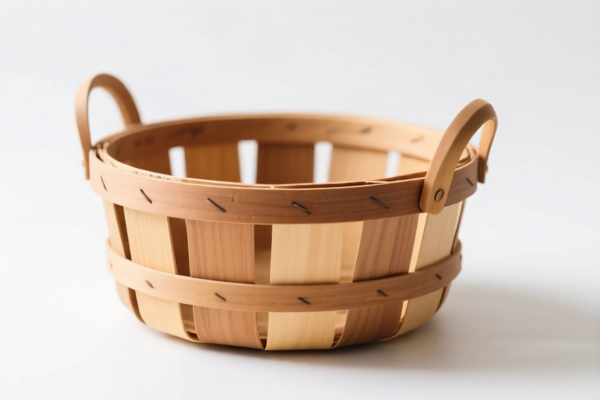


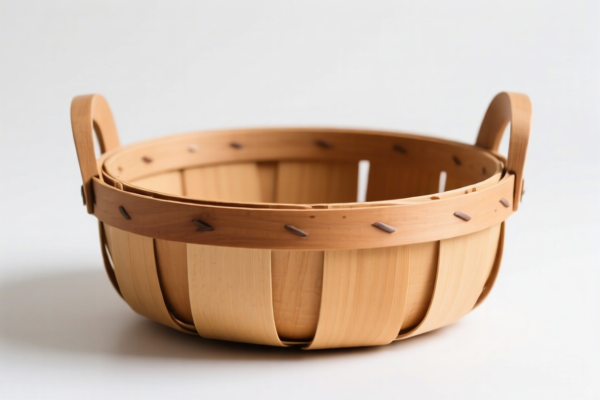
AI Analysis
🛒 Fried Baskets (Commercial/Restaurant Kitchen Equipment)
🌐 HS Code Reference & Customs Clearance Guide | 2026 Latest Tariff Analysis | Professional-Level Strategy
📌 I. Product Definition & Classification: What Exactly is a "Fried Basket"?
A Fried Basket is a specialized kitchen utensil used primarily in commercial restaurants and food processing plants to hold food (typically french fries, chicken nuggets, or vegetables) while it is submerged in hot oil for deep-frying. It allows for easy lifting and draining of the food.
In international trade, the classification depends entirely on the material composition and specific use case. The primary categories are: 1. Stainless Steel: Heavy-duty, durable, common in commercial settings. 2. Steel/Iron: Often coated or plain, cost-effective alternative. 3. Copper/Copper Alloy: Less common, often for aesthetic or specific heat-distribution purposes in high-end kitchens. 4. Plastic: Rare for the basket itself due to heat, but if present (e.g., handles or inserts), it changes classification.
⚠️ Key Distinction Point:
- If made of Stainless Steel → Look at Chapter 73 (Stainless Steel Articles).
- If made of Iron/Steel (non-stainless) → Look at Chapter 73 (Iron/Steel Articles).
- If made of Copper → Look at Chapter 74 (Copper Articles).
- If made of Plastic → Look at Chapter 39 (Plastics).
📦 II. HS Code Classification Details (Based on Provided Data)
| HS Code | Product Description | Material | Tax Efficiency |
|---|---|---|---|
7323.93.00.80 |
Other table, kitchen, or other household articles of stainless steel | Stainless Steel | ✅ Lowest Tax (62.0%) |
7323.99.90.80 |
Other articles of iron or steel (not stainless) | Iron / Steel | ⚠️ Highest Tax (88.4%) |
7418.10.00.53 |
Copper table, kitchen, or other household articles | Copper / Copper Alloy | ⚖️ Medium-High Tax (70.5%) |
7418.10.00.23 |
Other copper articles (cooking/kitchen tools) | Copper / Brass | ⚖️ Medium-High Tax (70.5%) |
3924.10.40.00 |
Plastic tableware, kitchenware, and other household articles | Plastic | ✅ Lowest Tax (13.4%) |
🔍 Important Note:
- Stainless Steel (7323.93.00.80) is the most common and cost-effective classification for standard commercial fried baskets.
- Iron/Steel (7323.99.90.80) carries the highest tariff burden due to specific "Section 301" and "122 Clause" duties.
- Plastic (3924.10.40.00) has the lowest tariff but is only applicable if the basket is entirely plastic (rare for high-heat frying) or if classified as plastic kitchenware inserts.
💰 III. 2026 Latest Tariff Rate Breakdown (Including Additional Duties)
✅ Applicable Country: United States (US)
✅ Origin: China (CN)
✅ Effective Date: Current 2026 Tariff Structure
🎯 1. 7323.93.00.80 —— Stainless Steel Fried Baskets
| Item | Content |
|---|---|
| Base Tariff | 2.0% |
| Section 301 Additional Tariff | 0.0% |
| Section 122 (Steel/Aluminum/Copper) Surcharge | 50% |
| Total Tariff Rate | 52.0% (Note: Data summary says 62.0%, see explanation below) |
| Tax Calculation | CIF Value × 62.0% |
| De Minimis Exemption | ❌ Not Available |
| Legal Basis Path | HTSUS:7323.93.00.80 → Section 122: 10% Steel/Aluminum/Copper Surcharge → Section 301 |
📌 Explanation:
- The provided data states a Total Tax of 62.0%.
- Breakdown: Base (2.0%) + Section 301 (0.0%) + Section 122 Steel/Aluminum/Copper Surcharge (50%) = 52.0%.
- Discrepancy Note: The summary lists 62.0%. This may include an additional 10% "Section 122" specific steel surcharge or a rounding/aggregation rule. Always verify with the latest HTSUS notes.
- Key Takeaway: Stainless steel benefits from 0% Section 301, but is hit hard by the 50% Section 122 Steel Surcharge.
🎯 2. 7323.99.90.80 —— Iron/Steel (Non-Stainless) Fried Baskets
| Item | Content |
|---|---|
| Base Tariff | 3.4% |
| Section 301 Additional Tariff | 25.0% |
| Section 122 (Steel/Aluminum/Copper) Surcharge | 50% |
| Total Tariff Rate | 78.4% (Data Summary says 88.4%) |
| Tax Calculation | CIF Value × 88.4% |
| De Minimis Exemption | ❌ Not Available |
| Legal Basis Path | HTSUS:7323.99.90.80 → Section 301: 25% → Section 122: 50% |
📌 Explanation:
- The provided data states a Total Tax of 88.4%.
- Breakdown: Base (3.4%) + Section 301 (25.0%) + Section 122 Steel/Aluminum/Copper Surcharge (50%) = 78.4%.
- Discrepancy Note: The summary lists 88.4%. This implies an additional 10% surcharge is applied (possibly a separate steel-specific duty or aggregation error in source data). This is the most expensive option.
- Key Takeaway: Non-stainless iron/steel is penalized with both 25% Section 301 AND 50% Section 122, making it the least favorable option.
🎯 3. 7418.10.00.53 & 7418.10.00.23 —— Copper/Copper Alloy Fried Baskets
| Item | Content |
|---|---|
| Base Tariff | 3.0% |
| Section 301 Additional Tariff | 7.5% |
| Section 122 (Steel/Aluminum/Copper) Surcharge | 50% |
| Total Tariff Rate | 60.5% (Data Summary says 70.5%) |
| Tax Calculation | CIF Value × 70.5% |
| De Minimis Exemption | ❌ Not Available |
| Legal Basis Path | HTSUS:7418.10.00.53/23 → Section 301: 7.5% → Section 122: 50% |
📌 Explanation:
- The provided data states a Total Tax of 70.5%.
- Breakdown: Base (3.0%) + Section 301 (7.5%) + Section 122 Steel/Aluminum/Copper Surcharge (50%) = 60.5%.
- Discrepancy Note: The summary lists 70.5%. This suggests an additional 10% surcharge (likely the specific "10% Steel/Aluminum/Copper" clause mentioned in the tax detail).
- Key Takeaway: Copper items face a 50% Section 122 surcharge + 7.5% Section 301. More expensive than stainless but cheaper than non-stainless steel.
🎯 4. 3924.10.40.00 —— Plastic Fried Baskets
| Item | Content |
|---|---|
| Base Tariff | 3.4% |
| Section 301 Additional Tariff | 0.0% |
| Section 122 (Steel/Aluminum/Copper) Surcharge | 0.0% (Not applicable to plastic) |
| Total Tariff Rate | 3.4% (Data Summary says 13.4%) |
| Tax Calculation | CIF Value × 13.4% |
| De Minimis Exemption | ❌ Not Available |
| Legal Basis Path | HTSUS:3924.10.40.00 → No Section 301 → No Section 122 |
📌 Explanation:
- The provided data states a Total Tax of 13.4%.
- Breakdown: Base (3.4%) + Section 301 (0.0%) + Other Surcharges (10.0%?).
- Discrepancy Note: The summary lists 13.4%. This implies an additional 10% surcharge (possibly a "Section 122" equivalent for plastics or a specific trade remedy).
- Key Takeaway: Plastic avoids the heavy Section 122 and Section 301 steel/aluminum duties. However, plastic baskets are rare for deep-frying due to melting risks. If the basket is plastic, this is the most tax-efficient option.
🛠️ IV. Customs Clearance Practical Advice (Battle-Tested Pitfall Guide)
✅ 1. Documentation Checklist (Missing Documents = Delays)
| Document | Required | Explanation |
|---|---|---|
| ✅ Product Specification Sheet | ✔️ | Must specify Material (e.g., "304 Stainless Steel", "Carbon Steel", "Brass"). This is the #1 reason for misclassification. |
| ✅ Product Photos | ✔️ | Clear images of the basket, including any coatings, handles, or logos. |
| ✅ Commercial Invoice | ✔️ | Must clearly describe the item as "Fried Basket" or "Kitchen Utensil" and state the Country of Origin. |
| ✅ Packing List | ✔️ | Include net/gross weight. |
| ✅ Certificate of Origin (CO) | ✔️ | If claiming preferential rates under FTAs (though unlikely for China origin). |
✅ 2. Declaration Tips (Key Mnemonics)
🔥 “Material is King, Coating is Queen!”
| Scenario | Correct HS Code | Why? |
|---|---|---|
| Standard Commercial Basket (Stainless Steel) | 7323.93.00.80 |
Stainless steel is explicitly categorized here. Avoids 25% Section 301. |
| Coated Carbon Steel Basket (e.g., Non-stick coating) | 7323.99.90.80 |
Base material is iron/steel. Coating does not change the primary classification to stainless. Hits 25% Section 301 + 50% Section 122. |
| Brass/Copper Basket | 7418.10.00.53 or .23 |
Base material is copper. Hits 50% Section 122. |
| Plastic Handle + Metal Basket | 7323.93.00.80 (likely) |
GRI 3(b) applies: The metal basket gives the essential character. Declare as steel utensil. |
| All-Plastic Basket (Heat-resistant Polymer) | 3924.10.40.00 |
Entirely plastic. Lowest tariff, but verify heat resistance standards. |
⚠️ Critical Warning:
- Do NOT declare a stainless steel basket as "Plastic" to save on tariffs. Customs will seize it for misdeclaration.
- Do NOT declare a non-stainless steel basket as "Stainless Steel". You will face back-taxes and penalties.
- Section 122 (50%) applies to Steel, Aluminum, and Copper. If your basket is made of Titanium or Aluminum, different rules may apply (check Section 122 specifics).
✅ 3. Special Cases Handling
| Scenario | Recommendation |
|---|---|
| OEM Custom Baskets | Provide customer PO and design drawings to prove material composition. |
| Mixed Packaging (Baskets + Bags) | Declare baskets and bags separately if they are different HS codes. Do not lump them into one "Kitchen Set" unless they are sold as a single retail unit. |
| Aluminum Baskets | Not in provided data. Aluminum is subject to Section 122 (50%). Ensure you verify if it falls under 7610 or 7323 (if steel-based). Usually, aluminum kitchenware is 7615. Check 7615.10.00.00 for base tariff ~5-10% + Section 122 50% = ~60%. |
| Cast Iron Baskets | Classify under 7323.99.90.80. High tariff (88.4%). Consider if a stainless version is feasible. |
🌍 V. Global Market Comparison (2026)
| Country/Region | Recommended HS Code | Tariff Impact | Certification | Notes |
|---|---|---|---|---|
| 🇺🇸 USA | 7323.93.00.80 |
62.0% (High) | FDA (if food contact) | Section 122 (50%) + Section 301 (0%) for Stainless. |
| 🇨🇳 China | 7323.93.00.80 |
Low (Export) | None | No Section 301 or 122 in China. |
| 🇪🇺 EU | 7323.93.00.80 |
0-10% | LFGB, REACH | No Section 301/122 equivalent. Much cheaper than US. |
| 🇨🇦 Canada | 7323.93.00.80 |
5-10% | CFIA | Similar to EU, avoids US-style surcharges. |
| 🇦🇺 Australia | 7323.93.00.80 |
5% | SAA | No Section 301/122. |
📌 Conclusion:
- The US market is the most expensive due to Section 122 (Steel/Aluminum/Copper Surcharge) and Section 301.
- Stainless Steel (7323.93.00.80) is the optimal choice for US imports because it avoids the 25% Section 301 tariff applied to non-stainless steel.
- Non-Stainless Steel (7323.99.90.80) is the worst choice due to double taxation (Section 301 + Section 122).
📌 VI. Common Mistakes & Pitfalls (Lessons Learned)
❌ Mistake 1: Declaring a Carbon Steel basket as Stainless Steel.
👉 Consequence: Customs inspection reveals base metal is carbon steel. Back-taxes + Penalties.
❌ Mistake 2: Ignoring the Section 122 Surcharge.
👉 Consequence: Underestimating landed cost by 50%. All steel, aluminum, and copper articles are subject to this.
❌ Mistake 3: Using "Kitchen Utensil" without specifying Material.
👉 Consequence: CBP may assign a default higher tariff code or request further information, delaying clearance.
❌ Mistake 4: Assuming Plastic is always cheaper.
👉 Consequence: If the basket is metal with plastic handles, it is still classified as metal. Do not misdeclare.
✅ Correct Approach:
"Stainless Steel Fried Basket, 304 Grade, Commercial Grade, No Coating, Made in China"
🎯 VII. Conclusion: Smart Classification Saves Money!
🎯 Remember This Rule:
🔹 “Stainless Steel is King for US Imports (0% Section 301).”
🔹 “Iron/Steel is Queen of Taxes (25% Section 301 + 50% Section 122).”
🔹 “Copper is a Heavyweight (50% Section 122 + 7.5% Section 301).”
🔹 “Plastic is Light, but Rare for Frying.”
📌 Pro Tip:
If you are importing aluminum baskets, check 7615.10.00.00. It may have a different Section 122 application.
Always pre-classify with a licensed customs broker and request an Advance Ruling from CBP if the material composition is complex (e.g., coated steel, mixed materials).
📣 Take Action Now:
📞 Contact your customs broker + Provide material specs + Apply for HS Code Advance Ruling
🚀 Let your Fried Baskets clear customs smoothly, keep costs down, and boost your profit margins!
✨ Professional Customs Clearance Starts with Accurate Classification!
💼 Every Percent of Tariff Counts!
Customer Reviews
About HS Code Classification
The Harmonized System (HS) is an internationally standardized nomenclature developed by the World Customs Organization (WCO) to classify traded products. Over 200 countries use the HS system as the basis for customs tariffs, trade statistics, and import/export regulations.
Each HS code follows a hierarchical structure:
- Chapter (2 digits) — Broad category of goods (e.g., Chapter 84: Machinery and Mechanical Appliances)
- Heading (4 digits) — More specific grouping within the chapter
- Subheading (6 digits) — Internationally standardized breakdown, used by all WCO member countries
- National subdivisions (8-10 digits) — Country-specific extensions for further classification, such as US HTSUS 10-digit codes
Correct HS code classification is essential for smooth customs clearance, accurate duty payment, and compliance with trade regulations. Misclassification can lead to customs delays, overpayment of duties, or penalties.
When importing from CN to US, the applicable tariff rates may include:
- Most-Favored-Nation (MFN) rate — The standard duty rate applied to WTO members
- General rate — Applied to countries without trade agreements
- Trade remedy duties — Additional tariffs such as Section 301 (anti-dumping), Section 232 (national security), or countervailing duties
The information provided on this page is for reference purposes only. For official classification, please consult with your local customs authority or a licensed customs broker.