Frog Balance Toy
CN → US| HS Code | Tariff Rate | Origin | Destination | Doc |
|---|---|---|---|---|
| 9506996080 | 21.5% | CN | US | Official Doc |
| 3926901000 | 20.9% | CN | US | Official Doc |
| 9503000073 | 10.0% | CN | US | Official Doc |
| 3926400090 | 15.3% | CN | US | Official Doc |
| 9503000071 | 10.0% | CN | US | Official Doc |
| 9506910030 | 22.1% | CN | US | Official Doc |
Product Images
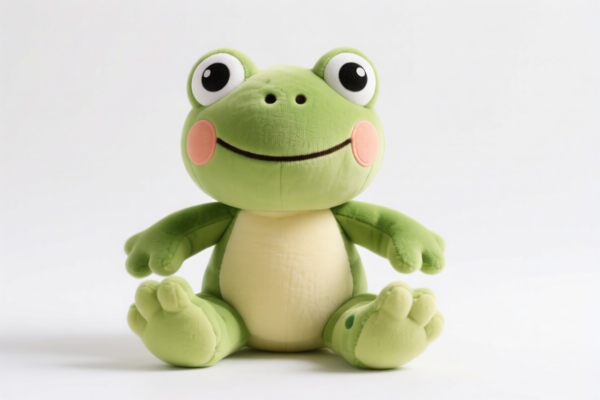
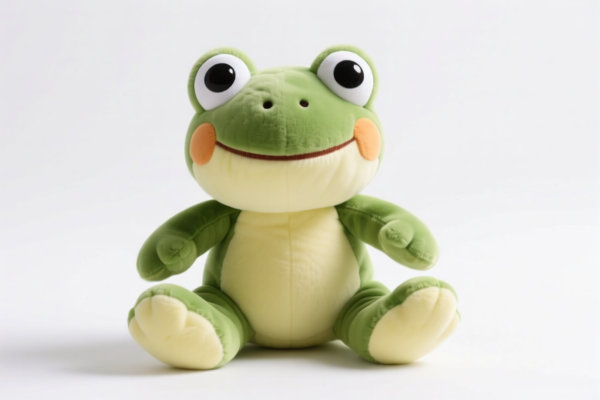
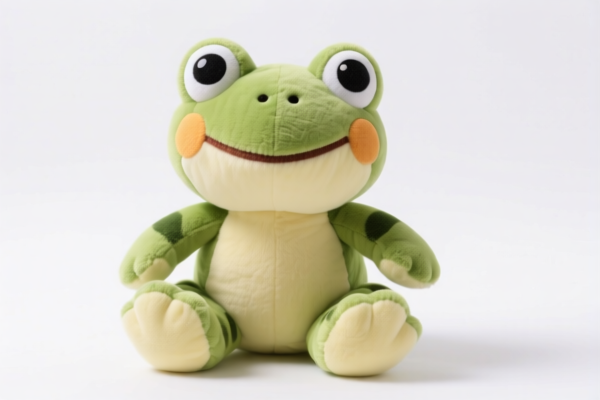
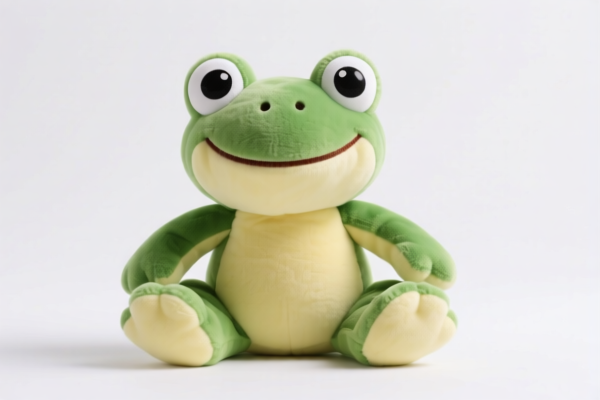
AI Analysis
🐸 Frog Balance Toy (Plastic Training Toys)
🌐 HS Code Reference & Customs Clearance Guide | 2026 Latest Tariff Analysis | Professional Clearance Strategy
📌 I. Product Definition & Classification: What Exactly is a "Frog Balance Toy"?
A Frog Balance Toy is a plastic plaything designed for physical exercise, games, or balance training. In international trade, the classification depends heavily on its primary function and structural design:
- Sports/Training Equipment (HS 9506): If the toy is explicitly designed for physical exercise or balance training (e.g., a wobbly frog that children stand on to improve core stability), it is classified under Chapter 9506 (Articles and equipment for general physical exercise, gymnastics, athletics...).
- General Toys (HS 9503): If the toy is primarily for play, amusement, or decoration (e.g., a static plastic frog figurine or a simple toy that doesn't require active physical training), it falls under HS 9503 (Toys, reduced-size models, etc.).
- General Plastic Articles (HS 3926/3922): If the item lacks specific toy or sports characteristics (e.g., purely decorative or generic plastic parts), it may be classified under general plastic articles.
⚠️ Key Distinction Point:
- If the product is marketed and used for balance training or physical games → HS 9506 (Higher tariffs due to "Section 301" and "122" clauses).
- If the product is a simple toy without specific sports function → HS 9503 (Lower base tariffs, but still subject to trade measures).
- If it is just a plastic accessory/decor → HS 3926 or 3922.
📦 II. HS Code Classification Details (2026 Latest Tariff Authority Comparison)
Based on the provided data, here are the specific HS Codes and their corresponding tax breakdowns for Frog Balance Toys:
| HS Code | Product Description | Applicable Scenario | Total Tax Rate |
|---|---|---|---|
9506.99.60.80 |
Plastic balance toys, used for physical exercise/game equipment | Active balance training (e.g., wobbly frogs for kids) | 21.5% |
3926.90.10.00 |
Plastic products, finished toy form, classified as "other articles" | Generic plastic toys not fitting specific toy codes | 20.9% |
9503.00.00.73 |
Toy category, plastic material, fits toy classification scope | General plastic toys (non-sports) | 10.0% |
3926.40.00.90 |
Plastic products, used for decorative or non-specific items | Decorative plastic figures, non-toy, non-sports | 15.3% |
9503.00.00.71 |
Toy category, plastic material, fits toy usage definition | Standard plastic toys (e.g., figurines, playsets) | 10.0% |
9506.91.00.30 |
General sports/balance training equipment, plastic material | Professional balance trainers (sports-focused) | 22.1% |
🔍 Critical Reminder:
- HS 9506 items (Balance Toys) incur higher tariffs due to specific trade measures (Section 301, 122 Clause, Steel/Aluminum/Copper surcharges).
- HS 9503 items (General Toys) have lower base tariffs (0%) but are still subject to the 10% "122 Clause" tariff.
- HS 3926 items are often misclassified; ensure the product is truly a "toy" or "sports item" to avoid penalties.
💰 III. 2026 Latest Tariff Rate Detailed Explanation (Including Surcharges)
✅ Applicable Country: United States (US)
✅ Origin: China (CN)
✅ Effective Date: 2025/2026 (Latest Trade Measures)
🎯 1. 9506.99.60.80 & 9506.91.00.30 —— Balance Toys / Sports Equipment (High Tariff Risk)
| Item | Content |
|---|---|
| Base Tariff | 4.0% – 4.6% |
| Section 301 Surcharge | +7.5% |
| 122 Clause Tariff | +10.0% |
| Steel/Aluminum/Copper Surcharge | +50.0% (If applicable) |
| Total Tax Rate | 21.5% (for 9506.99.60.80) 22.1% (for 9506.91.00.30) |
| Tax Calculation | CIF Value × Total Rate |
| De Minimis Exemption | ❌ Not Eligible |
| Legal Basis | Section 301, 122 Clause, Steel/Aluminum/Copper Surcharges |
📌 Explanation:
- These codes fall under sports/balance equipment, which are heavily targeted by US trade policies.
- The 21.5%–22.1% rate includes base duty, Section 301 (7.5%), 122 Clause (10%), and potentially steel/aluminum surcharges (up to 50% if metal components are present).
- High Cost Alert: This is the most expensive classification for plastic balance toys.
🎯 2. 3926.90.10.00 —— Other Plastic Articles (Toys)
| Item | Content |
|---|---|
| Base Tariff | 3.4% |
| Section 301 Surcharge | +7.5% |
| 122 Clause Tariff | +10.0% |
| Total Tax Rate | 20.9% |
| Tax Calculation | CIF Value × 20.9% |
| De Minimis Exemption | ❌ Not Eligible |
📌 Note:
- If the toy is classified as a "plastic article" rather than a specific "toy" (HS 9503), it incurs a 3.4% base tariff plus surcharges.
- This is slightly cheaper than the sports equipment classification but still high.
🎯 3. 9503.00.00.73 & 9503.00.00.71 —— General Plastic Toys (Lowest Tariff Option)
| Item | Content |
|---|---|
| Base Tariff | 0.0% |
| Section 301 Surcharge | 0.0% |
| 122 Clause Tariff | +10.0% |
| Total Tax Rate | 10.0% |
| Tax Calculation | CIF Value × 10.0% |
| De Minimis Exemption | ❌ Not Eligible |
| Legal Basis | 122 Clause Tariff Only |
📌 Key Advantage:
- Base tariff is 0%, and Section 301 does not apply to these specific toy subcategories.
- Only the 10% 122 Clause tariff applies.
- Best for Cost Saving: If your "Frog Balance Toy" can be legitimately classified as a general toy (not sports equipment), this is the most cost-effective option.
🎯 4. 3926.40.00.90 —— Decorative Plastic Products
| Item | Content |
|---|---|
| Base Tariff | 5.3% |
| Section 301 Surcharge | 0.0% |
| 122 Clause Tariff | +10.0% |
| Total Tax Rate | 15.3% |
| Tax Calculation | CIF Value × 15.3% |
| De Minimis Exemption | ❌ Not Eligible |
📌 Note:
- This code is for non-toy, non-sports plastic items (e.g., decorative frogs).
- Higher base tariff (5.3%) but no Section 301. Suitable if the item is not intended for play or sports.
🛠️ IV. Customs Clearance Practical Advice (Real-World Pitfall Avoidance)
✅ 1. Documentation Checklist (Essential for Clearance)
| Document | Required | Explanation |
|---|---|---|
| ✅ Product Specification Sheet | ✔️ | Must clearly state: "Plastic Balance Toy" or "General Toy" |
| ✅ Product Photos | ✔️ | Show the item in use (if sports) or as a static toy |
| ✅ Commercial Invoice | ✔️ | Clearly describe as "Plastic Toy" or "Sports Equipment" |
| ✅ Certificate of Origin | ✔️ | For origin determination (China vs. other) |
| ✅ Third-Party Test Report | ✔️ | CPSIA (if US market), ASTM F963 |
✅ 2. Classification Strategy (Key Mantra)
🔥 “Sports vs. Toy: Choose Wisely! Balance Toys Pay More, General Toys Save 10%.”
| Scenario | Correct Classification | Risk if Misclassified |
|---|---|---|
| Active Balance Training (e.g., wobbling frog for kids) | 9506.99.60.80 (21.5%) |
If declared as toy → Underpayment penalty |
| Static Plaything (e.g., plastic frog figurine) | 9503.00.00.73 (10.0%) |
If declared as sports → Overpayment (unnecessary cost) |
| Decorative Item (e.g., garden ornament) | 3926.40.00.90 (15.3%) |
If declared as toy → Customs detention |
| Mixed Use (Toy & Sports) | Default to Higher Rate | 21.5% |
📌 Recommendation:
- If your product is not explicitly designed for sports/training, classify it under HS 9503 to save 11.5%–12.1% in taxes.
- Avoid classifying standard toys as "balance toys" unless it has clear sports/training features.
✅ 3. Special Considerations
| Situation | Handling Advice |
|---|---|
| OEM Customization | Provide design drawings to prove if it’s a "toy" or "sports equipment" |
| Packaging | If packaged as a "toy set," declare as toy (HS 9503) |
| Material Composition | If metal parts are present, check for Steel/Aluminum/Copper surcharge (up to 50%) |
| US Market | 122 Clause tariff (10%) applies to all origins if not exempted |
🌍 V. Global Market Comparison (2026 Latest)
| Country/Region | Recommended HS Code | Tariff Rate | Certification Required | Notes |
|---|---|---|---|---|
| 🇺🇸 USA | 9503.00.00.73 |
10.0% | CPSIA, ASTM F963 | Best option if classified as toy |
| 🇺🇸 USA | 9506.99.60.80 |
21.5% | CPSIA, ASTM F963 | Higher tariff for sports equipment |
| 🇨🇳 China | 9503.00.00.73 |
0%–5% | CCC | No trade war tariffs |
| 🇪🇺 EU | 9503.00.00 |
0%–4.7% | CE, EN71 | Low tariffs, strict safety norms |
| 🇬🇧 UK | 9503.00.00 |
0%–4.5% | UKCA | Post-Brexit rules apply |
📌 Conclusion:
- USA: Tariff difference between 10% (toy) and 21.5% (sports) is significant. Classify as toy if possible.
- EU/UK: Lower base tariffs, but strict safety certifications required.
📌 VI. Common Mistakes & Pitfalls (Lessons Learned)
❌ Mistake 1: Classifying all plastic toys as 9506 (Sports Equipment)
👉 Consequence: Paying 21.5% instead of 10% → Unnecessary 11.5% cost increase!
❌ Mistake 2: Declaring a decorative item as a "toy"
👉 Consequence: Customs rejection → 15.3% tariff or penalty
❌ Mistake 3: Ignoring the "122 Clause" tariff
👉 Consequence: Even toys with 0% base tariff still pay 10% in the US.
❌ Mistake 4: Misdeclaring metal components
👉 Consequence: If metal parts are present in 9506 items, 50% surcharge may apply.
✅ Correct Approach:
“Plastic Balance Toy, for Children’s Play, Model XYZ, CPSIA Certified, HS Code 9503.00.00.73”
🎯 VII. Conclusion: Precise Classification, Save Costs!
🎯 Remember the Mantra:
🔹 “Toy vs. Sports: 10% vs. 21.5% – Choose Right!”
🔹 “122 Clause Applies to All – No Base Tax Doesn’t Mean No Tax!”
🔹 “Metal Parts? Check for 50% Surcharge!”
📌 Pro Tip:
If your Frog Balance Toy is not primarily for sports/training, classify it under HS 9503.00.00.73 or 9503.00.00.71 to benefit from the 10% total tariff (10% 122 Clause, 0% base).
This saves 11.5% compared to sports equipment classification.
📣 Immediate Action:
📞 Consult with a customs broker for Advance Ruling
📸 Provide product photos and usage description
🚀 Optimize your HS Code, minimize your tax burden!
✨ Professional Clearance, Starting with Accurate Classification!
💼 Every cent saved counts in international trade!
Customer Reviews
About HS Code Classification
The Harmonized System (HS) is an internationally standardized nomenclature developed by the World Customs Organization (WCO) to classify traded products. Over 200 countries use the HS system as the basis for customs tariffs, trade statistics, and import/export regulations.
Each HS code follows a hierarchical structure:
- Chapter (2 digits) — Broad category of goods (e.g., Chapter 84: Machinery and Mechanical Appliances)
- Heading (4 digits) — More specific grouping within the chapter
- Subheading (6 digits) — Internationally standardized breakdown, used by all WCO member countries
- National subdivisions (8-10 digits) — Country-specific extensions for further classification, such as US HTSUS 10-digit codes
Correct HS code classification is essential for smooth customs clearance, accurate duty payment, and compliance with trade regulations. Misclassification can lead to customs delays, overpayment of duties, or penalties.
When importing from CN to US, the applicable tariff rates may include:
- Most-Favored-Nation (MFN) rate — The standard duty rate applied to WTO members
- General rate — Applied to countries without trade agreements
- Trade remedy duties — Additional tariffs such as Section 301 (anti-dumping), Section 232 (national security), or countervailing duties
The information provided on this page is for reference purposes only. For official classification, please consult with your local customs authority or a licensed customs broker.