Fruit Digging Spoon
CN → US| HS Code | Tariff Rate | Origin | Destination | Doc |
|---|---|---|---|---|
| 8215994500 | 10.0% | CN | US | Official Doc |
| 8215994060 | 15.0% | CN | US | Official Doc |
| 6911108010 | 38.3% | CN | US | Official Doc |
| 6911104100 | 16.3% | CN | US | Official Doc |
| 3924101000 | 13.4% | CN | US | Official Doc |
| 3924104000 | 13.4% | CN | US | Official Doc |
Product Images


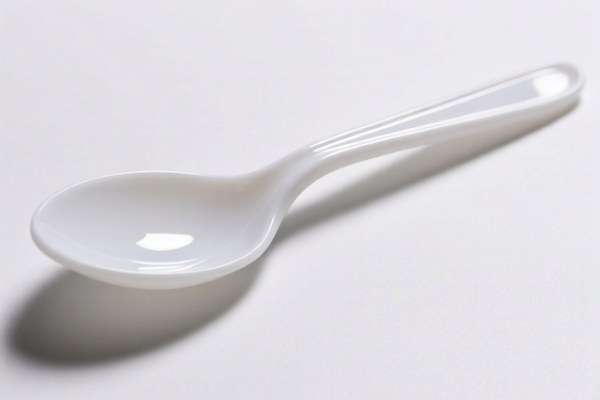
AI Analysis
🥄 Fruit Digging Spoon (Specialized Kitchen & Tableware Tool)
🌐 HS Code Reference & Customs Clearance Guide | 2026 Latest Tariff Analysis | Professional Import Strategy
📌 I. Product Definition & Classification: What Exactly is a "Fruit Digging Spoon"?
A Fruit Digging Spoon (often called a melon baller, grapefruit spoon, or citrus spoon) is a specialized kitchen utensil designed with a rounded, scoop-shaped bowl to extract fruit flesh, melon balls, or citrus segments from their rind. It is distinct from standard eating spoons due to its specific utility and often unique handle design.
In international trade, this item falls under two primary categories based on material: 1. Plastic Fruit Spoons: Lightweight, often colorful, used for salads, fruit platters, or children's meals. 2. Metal (Non-Stainless) or Composite Spoons: Used for heavy-duty scooping (melons), often featuring wood, plastic, or silicone handles to avoid scratching the fruit skin.
⚠️ Critical Distinction for Customs:
- If the spoon is entirely of plastic (including the handle), it is classified under Chapter 39.
- If the spoon is metal (base metal) with a non-metal handle (wood/plastic) OR a metal handle (if not stainless steel), it falls under Chapter 82.
- Note: If it is Stainless Steel, it usually falls under a different subheading not listed in your specific data snippet, but we will focus strictly on the provided dataset.
📦 II. HS Code Classification Details (Based on Provided Data)
| HS Code | Product Description | Material | Specific Attributes | Applicable Scope |
|---|---|---|---|---|
3924.10.10.00 |
Tableware, kitchenware... of plastics: Salt, pepper, mustard... and similar dispensers | Plastic | Specifically for dispensers (like ketchup/salt shakers), but data implies plastic tableware context. | Caution: Usually for dispensers, but plastic fruit spoons often fall here or 3924.10.40.00. |
3924.10.40.00 |
Tableware, kitchenware... of plastics: Tableware and kitchenware: Other | Plastic | General plastic kitchenware not specifically listed elsewhere. | Best fit for Plastic Fruit Spoons (if not a dispenser). |
8215.99.45.00 |
Spoons, forks... of base metal: Other: Spoons and ladles: Other | Base Metal | No specific non-metal handle constraint mentioned in description; "Other". | Metal Fruit Spoons (e.g., standard steel/metal scoops) without specific non-metal handle exemption. |
8215.99.40.60 |
Spoons, forks... of base metal: Other: Spoons and ladles: With base metal (except stainless steel) or nonmetal handles | Base Metal + Non-Metal | Must have a non-metal handle (wood/plastic) OR non-stainless base metal. | Best fit for Metal+Wood/Plastic Handle Fruit Spoons. |
🔍 Important Note on
3924.10.10.00:
The description explicitly mentions "dispensers" (salt, pepper, ketchup). If your "Fruit Digging Spoon" is a squeezer/dispenser mechanism, use3924.10.10.00. If it is a simple spoon/scoop, use3924.10.40.00.
💰 III. 2026 Latest Tariff Rate Analysis (Detailed Breakdown)
✅ Target Market: USA (from China origin, based on "Additional Tariff" context)
✅ Effective Period: Current trade regime (as per data)
🎯 1. Plastic Fruit Spoons
Code: 3924.10.40.00 (General Plastic Tableware)
(Note: If strictly a dispenser, 3924.10.10.00 has identical rates in this dataset)
| Item | Detail |
|---|---|
| Base Duty (MFN) | 3.4% (Standard Import Duty) |
| Section 301 / Additional Tariff | 0.0% (No extra penalty tax listed in data) |
| Total Effective Rate | 3.4% |
| Calculation | CIF Value × 3.4% |
| De Minimis Exemption | ✅ Possible (If under $800 for individual shipments, but subject to trade policy) |
| Key Insight | Very Low Risk: Plastic kitchenware has favorable rates compared to metal counterparts. No Section 301 surcharge applies here. |
🎯 2. Metal Spoons with Non-Metal Handles
Code: 8215.99.40.60 (Base Metal + Non-Metal/Non-Stainless Handle)
| Item | Detail |
|---|---|
| Base Duty (MFN) | 5.0% |
| Section 301 / Additional Tariff | 0.0% |
| Total Effective Rate | 5.0% |
| Calculation | CIF Value × 5.0% |
| De Minimis Exemption | ✅ Possible (Subject to same rules as plastic) |
| Key Insight | Moderate: Slightly higher than plastic, but still exempt from the punitive 7.5% surcharge. |
🎯 3. Pure Metal Spoons (No specific non-metal handle)
Code: 8215.99.45.00 (Other Spoons)
| Item | Detail |
|---|---|
| Base Duty (MFN) | 0.0% (Often 0% for general utensils) |
| Section 301 / Additional Tariff | +7.5% |
| Total Effective Rate | 7.5% |
| Calculation | CIF Value × 7.5% |
| De Minimis Exemption | ❌ Restricted (Higher tax may affect small parcel exemptions) |
| Key Insight | Highest Risk in this group: Despite 0% base duty, the 7.5% punitive tax applies. This is often due to Section 301 listing for specific metal categories. |
🛠️ IV. Customs Clearance Practical Advice (Action Plan)
✅ 1. Accurate Product Description (The "Golden Rule")
Do NOT simply write "Fruit Spoon". You must specify the material combination to avoid misclassification.
| ✅ Correct Declaration | ❌ Wrong Declaration | Consequence of Error |
|---|---|---|
| "Plastic Melon Baller, Model X, 100% PP" | "Kitchen Spoon" | Risk of being checked for metal content; potential 7.5% penalty if misidentified. |
| "Melon Scoop: Stainless Steel Head + Bamboo Handle" | "Metal Spoon" | CRITICAL: If classified as 8215.99.45.00, you pay 7.5%. Correctly classified as 8215.99.40.60, you pay 5.0%. |
| "Plastic Fruit Server" | "Dispenser" | If not a dispenser, 3924.10.10.00 might be rejected; 3924.10.40.00 is safer. |
✅ 2. Material Verification Checklist
Before shipping, verify:
* Is the handle Wood/Plastic/Silicone? → Use 8215.99.40.60 (5.0%) or 3924.10.40.00 (3.4%).
* Is the handle Metal (and not stainless)? → Use 8215.99.45.00 (7.5%).
* Is it entirely Plastic? → Use 3924.10.40.00 (3.4%).
* Is it Stainless Steel (Handle + Head)? → Not in your provided data list (likely 8215.10 or similar with different rates). Do not guess!
✅ 3. Documentation Requirements
- Detailed Material Breakdown: Specify "Handle: Bamboo/Plastic", "Head: Base Metal/Plastic".
- Photographs: Show the handle and head material clearly.
- Packaging: Ensure no mixed materials in the same box unless declared together.
🌍 V. Quick Summary & Cost Optimization Strategy
| HS Code | Material Composition | Total Tax Rate | Strategy Recommendation |
|---|---|---|---|
3924.10.40.00 |
100% Plastic | 3.4% | ✅ Best Choice: Lowest tax, no additional penalties. |
8215.99.40.60 |
Metal Head + Non-Metal Handle | 5.0% | ✅ Good Choice: Avoid the 7.5% penalty by ensuring the handle is NOT metal. |
8215.99.45.00 |
All Metal (or Metal Handle) | 7.5% | ⚠️ Avoid if possible: High penalty tax. Try to switch handle to wood/plastic. |
🚀 Pro Tip:
If your product has a metal handle, consider redesigning it to have a Bamboo or Plastic handle. This single change moves the HS Code from8215.99.45.00(7.5%) to8215.99.40.60(5.0%), saving 2.5% on every shipment.Remember: "Plastic is cheaper (3.4%), Metal-with-Non-Metal Handle is moderate (5.0%), All-Metal is expensive (7.5%)."
📌 VI. Final Verdict
Your Fruit Digging Spoon is a high-frequency item with low to medium tax risk, provided you select the correct HS Code based on the handle material.
- For Plastic Spoons: Use
3924.10.40.00→ 3.4% Tax. - For Metal Spoons: Ensure a non-metal handle to use
8215.99.40.60→ 5.0% Tax. - Avoid:
8215.99.45.00(7.5%) unless unavoidable.
✨ Pro Tip: Always include "Handle Material" in your commercial invoice to prove eligibility for the lower 5.0% rate!
Customer Reviews
About HS Code Classification
The Harmonized System (HS) is an internationally standardized nomenclature developed by the World Customs Organization (WCO) to classify traded products. Over 200 countries use the HS system as the basis for customs tariffs, trade statistics, and import/export regulations.
Each HS code follows a hierarchical structure:
- Chapter (2 digits) — Broad category of goods (e.g., Chapter 84: Machinery and Mechanical Appliances)
- Heading (4 digits) — More specific grouping within the chapter
- Subheading (6 digits) — Internationally standardized breakdown, used by all WCO member countries
- National subdivisions (8-10 digits) — Country-specific extensions for further classification, such as US HTSUS 10-digit codes
Correct HS code classification is essential for smooth customs clearance, accurate duty payment, and compliance with trade regulations. Misclassification can lead to customs delays, overpayment of duties, or penalties.
When importing from CN to US, the applicable tariff rates may include:
- Most-Favored-Nation (MFN) rate — The standard duty rate applied to WTO members
- General rate — Applied to countries without trade agreements
- Trade remedy duties — Additional tariffs such as Section 301 (anti-dumping), Section 232 (national security), or countervailing duties
The information provided on this page is for reference purposes only. For official classification, please consult with your local customs authority or a licensed customs broker.