Fruit Picker
CN → US| HS Code | Tariff Rate | Origin | Destination | Doc |
|---|---|---|---|---|
| 8205517500 | 38.7% | CN | US | Official Doc |
| 3924104000 | 13.4% | CN | US | Official Doc |
| 3924905650 | 20.9% | CN | US | Official Doc |
| 8211929030 | 0.0% | CN | US | Official Doc |
| 8211929060 | 0.0% | CN | US | Official Doc |
Product Images
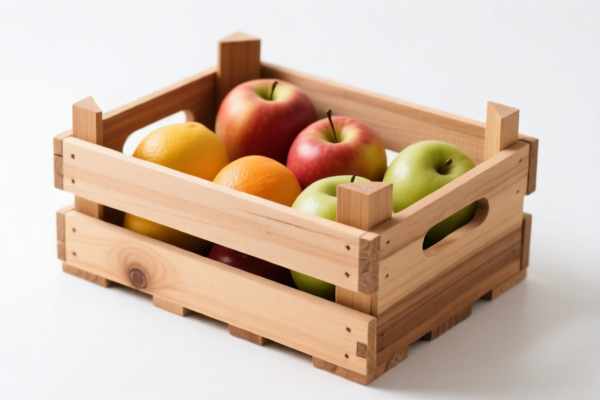


AI Analysis
🍎 Fruit Picker (Cutting/Kitchen Tool)
🌐 HS Code Reference & Clearance Guide | 2026 Latest Tariff Analysis | Professional Customs Strategy
📌 I. Product Definition & Classification: Do You Truly Understand the "Fruit Picker"?
The Fruit Picker is a versatile tool used in both domestic kitchens and agricultural harvesting. In international trade, its classification depends heavily on material composition and functional design:
- Manual Metal/Plastic Tools: Often classified under metal tools (Chapter 82) if made of steel with cutting blades.
- Plastic Kitchen Utensils: Classified under plastic household articles (Chapter 39) if primarily plastic.
- Blade-Based Tools: If it functions as a specific cutting blade (even for fruit), it may fall under "Knives" (Chapter 82, Section II).
⚠️ Critical Distinction:
- If it is a metal tool with a blade → Goes to HS 8205/8211 (Higher Tariffs due to steel/blade status).
- If it is 100% plastic with no metal blades → Goes to HS 3924 (Lower tariffs, "Plastic Household Goods").
📦 II. HS Code Classification Details (2026 Latest Tariff Breakdown)
| HS Code | Product Description | Material Logic | Tariff Rate (China Origin) |
|---|---|---|---|
8205.51.75.00 |
Hand tools (Cutters/Pickers) | Metal/Plastic Mix or Metal dominated; "Manual Tool" logic | 38.7% |
3924.10.40.00 |
Tableware/Kitchen Utensils | 100% Plastic; Fits "Other" fallback logic | 13.4% |
3924.90.56.50 |
Plastic Household Articles | Plastic; General "Other" category logic | 20.9% |
8211.92.90.30 |
Cutting Tools (Knives) | Metal Blade; Logic extends to "Kitchen/Slaughter Knives" | 0.4¢/ea + 6.1% + 17.5% |
8211.92.90.60 |
Fixed Blade Knives | Base Metal; "Other" logic for fixed blades | 0.4¢/ea + 6.1% + 17.5% |
🔍 Key Insight:
- Plastic fruit pickers (3924) are significantly cheaper to import (13.4% – 20.9%).
- Metal/Blade versions (8205/8211) face extreme tariffs (38.7% or 27.5%+17.5%) due to Section 301/China-specific penalties.
💰 III. 2026 Tariff Rate Deep Dive (Including Surcharges & Policy Add-ons)
✅ Target Market: USA (US)
✅ Origin: China (CN)
✅ Effective Date: Current (Includes Section 301 & Section 122)
🎯 1. 8205.51.75.00 —— Manual Hand Tools (Metal/Plastic)
| Item | Content |
|---|---|
| Base Duty | 3.7% |
| Section 301 Surcharge | +25.0% (China-specific) |
| Section 122 Surcharge | +10.0% (Additional "Non-Tariff Measure") |
| Total Rate | 38.7% |
| Calculation | CIF Value × 38.7% |
| De Minimis Exemption | ❌ Not Applicable (Thresholds apply to low-value shipments, but high rates still apply) |
📌 Explanation:
- This classification treats the fruit picker as a manual tool.
- The 38.7% total is a result of stacking: Base (3.7%) + 301 (25%) + Section 122 (10%).
- High Cost Alert: This is one of the most expensive classifications for fruit tools.
🎯 2. 3924.10.40.00 —— Plastic Tableware/Kitchen Utensils
| Item | Content |
|---|---|
| Base Duty | 3.4% |
| Section 301 Surcharge | 0.0% (Exempt/Not Applicable) |
| Section 122 Surcharge | +10.0% |
| Total Rate | 13.4% |
| Calculation | CIF Value × 13.4% |
| De Minimis Exemption | ✅ Likely (If under $800, may qualify for de minimis, but verify Section 122 rules) |
📌 Explanation:
- Best Case Scenario: This is the lowest tariff path.
- Why? It falls under "Plastic Household Goods" which is often exempt from the 25% Section 301 tariff, only bearing the 10% Section 122 tax.
- Crucial: Must prove 100% Plastic composition (no metal blades).
🎯 3. 3924.90.56.50 —— Other Plastic Household Articles
| Item | Content |
|---|---|
| Base Duty | 3.4% |
| Section 301 Surcharge | +7.5% |
| Section 122 Surcharge | +10.0% |
| Total Rate | 20.9% |
| Calculation | CIF Value × 20.9% |
| De Minimis Exemption | ✅ Likely (Subject to value threshold) |
📌 Explanation:
- Slightly higher than3924.10because it falls under "Other" plastic goods.
- Still much cheaper than metal tool classifications.
🎯 4. 8211.92.90.30 / 8211.92.90.60 —— Cutting Tools (Fixed Blades)
| Item | Content |
|---|---|
| Base Duty | 0.4¢ per piece + 6.1% |
| Section 301 Surcharge | +7.5% |
| Section 122 Surcharge | +10.0% |
| Total Rate | 0.4¢/ea + ~23.6% (Combined) |
| Calculation | (0.4¢ × Quantity) + (CIF × 23.6%) |
| De Minimis Exemption | ❌ Not Applicable (High tariff items) |
📌 Explanation:
- If the fruit picker has a metal blade, it is treated as a Knife/Cutting Tool.
- This triggers multiple surcharges (6.1% base + 7.5% + 10% = ~23.6%).
- Warning: The "0.4¢ per piece" is negligible; the ad valorem (percentage) tax is the killer here.
🛠️ IV. Customs Clearance Practical Advice (Real-World Pitfall Avoidance)
✅ 1. Material Documentation (Must-Have)
| Document | Required? | Why? |
|---|---|---|
| Material Composition Report | ✅ Critical | Must prove if it is 100% Plastic (for 3924) or contains Metal (for 8205/8211). |
| Product Photos (Close-up) | ✅ Critical | Show blade type (fixed vs. retractable) and handle material. |
| Bill of Materials (BOM) | ✅ Critical | List all components: Is the blade steel? Is the handle plastic? |
| Duty Rate Calculation Sheet | ✅ Recommended | Show clear math for 13.4% vs 38.7%. |
✅ 2. Declaration Strategy (Key Rules)
🔥 Golden Rule: "Plastic = Cheap, Metal = Expensive! Blade = Knife = Higher Tax!"
| Scenario | Correct Declaration | Wrong Approach | Consequence |
|---|---|---|---|
| All-Plastic Fruit Picker | 3924.10.40.00 (13.4%) |
Declare as 8205 (Metal tool) |
Overpay ~25% tax |
| Metal-Blade Fruit Picker | 8211.92.90.30 (~23.6%) |
Declare as 3924 (Plastic) |
Audit + Penalties + Back Taxes |
| Mixed Material (Plastic Handle + Metal Blade) | 8211 or 8205 (Higher Tax) |
Declare as 3924 |
Customs will re-classify |
| Packaging Includes Accessories | Bundle as one unit | Split申报 (Packaging separate) | Higher complexity, no savings |
✅ 3. Special Cases & Solutions
| Situation | Solution |
|---|---|
| "Is it a Knife?" | If the blade is fixed and used for cutting fruit, it must be classified as a knife (8211), even if small. |
| "Is it a Tool?" | If it is a manual hand tool (e.g., a cutter with no blade classification), it may go to 8205 (38.7%). |
| "Plastic Handle, Metal Blade" | This is the danger zone. Customs often classifies this as 8211 (Knife) due to the primary function of cutting. |
| "Low Value Shipment" | Even if under $800, check if Section 122 applies to all categories. Verify with a broker. |
🌍 V. Global Market Comparison (2026)
| Country | Recommended HS Code | Estimated Duty (China Origin) | Notes |
|---|---|---|---|
| 🇺🇸 USA | 3924.10.40.00 (if plastic) |
13.4% | Best option for plastic; Avoid Metal if possible. |
| 🇺🇸 USA | 8211.92.90.30 (if metal) |
~23.6% | High tariff due to blade classification. |
| 🇪🇺 EU | 3924.10.40.00 |
~2-5% | Lower tariffs, but strict on plastic safety standards. |
| 🇨🇦 Canada | 3924.10.40.00 |
~0-5% | Generally lower tariffs for plastic goods. |
| 🇦🇺 Australia | 3924.10.40.00 |
~5-10% | Depends on specific plastic content. |
📌 Conclusion:
- USA is the most critical market for tariff optimization.
- Plastic-only fruit pickers save ~25% tax compared to metal-blade versions in the US.
- Metal-blade versions face Section 301 penalties in the US but may be cheaper elsewhere.
📌 VI. Common Mistakes & Pitfalls (Lessons Learned)
❌ Mistake 1: Calling a metal-blade tool a "Plastic Kitchen Tool"
👉 Result: Customs Audit + Back Taxes + Fines. The blade material dictates the classification.
❌ Mistake 2: Ignoring "Section 122" (10% tax)
👉 Result: Unexpected 10% cost on top of base duty. Always calculate 38.7% or 13.4% as a whole.
❌ Mistake 3: Splitting "Handle" and "Blade" in declaration
👉 Result: Complexity and delays. Treat as one unit unless legally separable.
❌ Mistake 4: Using "Fruit Knife" vs "Fruit Picker" interchangeably
👉 Result: Different HS Codes. "Picker" might be 8205 (tool), while "Knife" is 8211.
✅ Best Practice:
"Fruit Picker, All Plastic, No Metal Blade, Model XYZ, FDA Compliant, US Import."
Use this if it is 100% plastic to get 13.4%.
🎯 VII. Final Verdict: Strategic Classification for Maximum Savings
🎯 Remember the Strategy:
🔹 Plastic = 13.4% (Best)
🔹 Metal Blade = 23.6% - 38.7% (Avoid if possible)
🔹 "Knife" Classification = Higher Risk
🔹 "Section 122" = Always 10% (Plan for it!)📌 Pro Tip:
- If you can design the product with plastic blades (e.g., ceramic or hardened plastic), you save ~25% tax in the US market.
- Get a Pre-Ruling from CBP if you are unsure if your tool is a "Knife" or "Hand Tool".
📣 Take Action Now:
📞 Contact a Customs Broker to verify material specs.
🚀 Adjust Product Design to minimize metal content if entering the US.
💰 Calculate Landed Cost using 13.4% (Plastic) vs 38.7% (Metal) to see the impact.
✨ Smart Classification = Higher Profit Margin!
💼 Don't let "Metal" cost you 25% of your revenue!
Customer Reviews
About HS Code Classification
The Harmonized System (HS) is an internationally standardized nomenclature developed by the World Customs Organization (WCO) to classify traded products. Over 200 countries use the HS system as the basis for customs tariffs, trade statistics, and import/export regulations.
Each HS code follows a hierarchical structure:
- Chapter (2 digits) — Broad category of goods (e.g., Chapter 84: Machinery and Mechanical Appliances)
- Heading (4 digits) — More specific grouping within the chapter
- Subheading (6 digits) — Internationally standardized breakdown, used by all WCO member countries
- National subdivisions (8-10 digits) — Country-specific extensions for further classification, such as US HTSUS 10-digit codes
Correct HS code classification is essential for smooth customs clearance, accurate duty payment, and compliance with trade regulations. Misclassification can lead to customs delays, overpayment of duties, or penalties.
When importing from CN to US, the applicable tariff rates may include:
- Most-Favored-Nation (MFN) rate — The standard duty rate applied to WTO members
- General rate — Applied to countries without trade agreements
- Trade remedy duties — Additional tariffs such as Section 301 (anti-dumping), Section 232 (national security), or countervailing duties
The information provided on this page is for reference purposes only. For official classification, please consult with your local customs authority or a licensed customs broker.