Fruit and Vegetable Basket
CN → US| HS Code | Tariff Rate | Origin | Destination | Doc |
|---|---|---|---|---|
| 7323999080 | 88.4% | CN | US | Official Doc |
| 4602110900 | 45.0% | CN | US | Official Doc |
| 3923900080 | 38.0% | CN | US | Official Doc |
| 4602110700 | 35.0% | CN | US | Official Doc |
| 3923109000 | 38.0% | CN | US | Official Doc |
| 7323999030 | 88.4% | CN | US | Official Doc |
Product Images
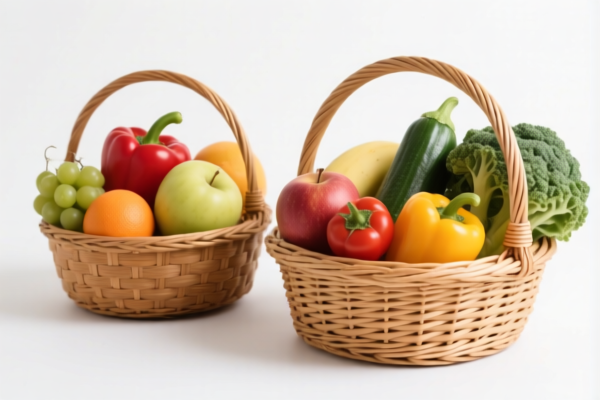
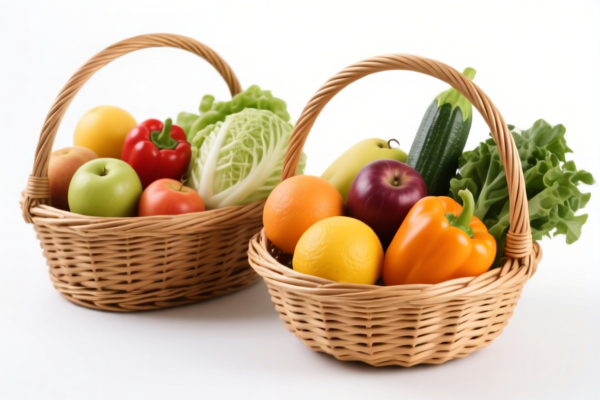
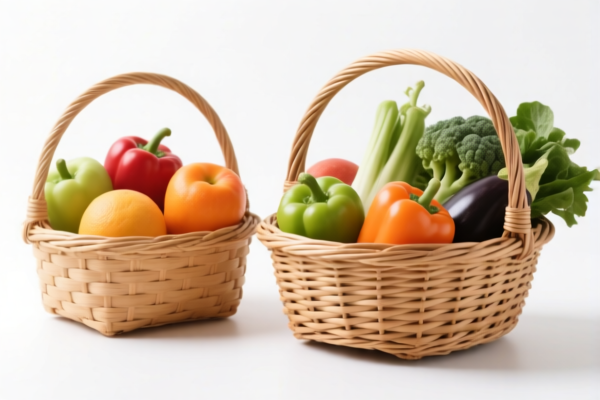
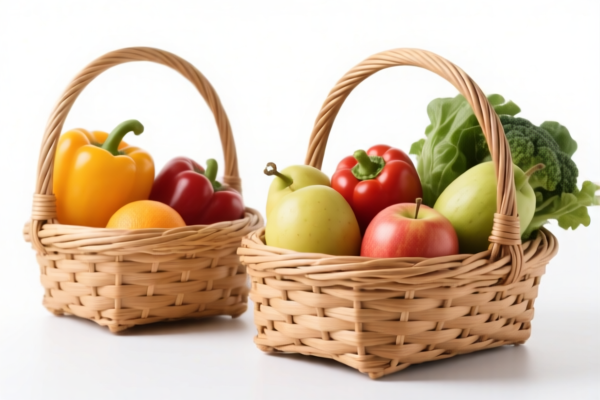
AI Analysis
🍓 Fruit and Vegetable Basket (Produce Baskets)
🌐 HS Code Reference & Customs Clearance Guide | 2024/2025 Latest Tariff Analysis | Professional Strategy
📌 1. Product Definition & Classification: What is a "Fruit Basket"?
A "Fruit and Vegetable Basket" is a general term for containers used to store, transport, or display fresh produce. In international trade, the HS Code (Harmonized System) classification is strictly determined by the MATERIAL, not just the function.
Common materials include: * Metal (Iron/Steel wire baskets): Durable, often used in supermarkets or households. * Plant Fibers (Bamboo, Wicker, Willow): Traditional, aesthetic, biodegradable. * Plastic (Polyethylene/Polypropylene): Lightweight, modern, often with handles.
⚠️ Critical Distinction:
- If made of Iron/Steel → Classified under Chapter 73 (Articles of Iron or Steel).
- If made of Bamboo/Wicker → Classified under Chapter 46 (Plaits of vegetable materials).
- If made of Plastic → Classified under Chapter 39 (Articles of plastics).
📦 2. HS Code Classification Details (Based on Provided Data)
| HS Code | Material | Summary/Logic | Total Tax Rate |
|---|---|---|---|
7323.99.90.80 |
Iron/Steel | Kitchen/tableware item; inferred as metal based on common sense. | 88.4% |
4602.11.09.00 |
Bamboo/Plant Fiber | Matches shape and use; inferred as bamboo or plant fiber. | 45.0% |
3923.90.00.80 |
Plastic | Packaging container; inferred as plastic based on common sense. | 38.0% |
4602.11.07.00 |
Bamboo/Willow | Matches shape and use; inferred as woven plant material (bamboo/willow). | 35.0% |
3923.10.90.00 |
Plastic | Container/box/basket form; inferred as plastic. | 38.0% |
🔍 Key Insight:
- Metal baskets face the highest tariff burden (88.4%).
- Plant fiber baskets are the most tax-efficient (35.0% - 45.0%).
- Plastic baskets fall in the middle (38.0%), but classification depends on the exact plastic article type.
💰 3. 2024/2025 Tariff Rate Breakdown (Detailed Policy Analysis)
✅ Applicable Country: United States (US)
✅ Origin: China (CN)
✅ Context: Includes Base Tariff + Section 301 Tariff + Section 232 Tariff (if applicable)
🎯 1. 7323.99.90.80 / 7323.99.90.30 —— Iron/Steel Fruit Baskets
| Item | Content |
|---|---|
| Base Tariff | 3.4% |
| Section 301 Tariff | +25.0% (Added tariff on Chinese goods) |
| Section 232 Tariff | +50.0% (Steel/Aluminum products under 122 Clause) |
| Total Tax Rate | 88.4% |
| Calculation | CIF Value × 88.4% |
| De Minimis Exemption | ❌ No (High tariff thresholds exclude de minimis benefits for most shipments) |
| Legal Basis Path | Base: 7323.99.90.80 → Sec 301: 25% → Sec 232: 50% |
📌 Explanation:
- Steel products are subject to both Section 301 (trade remedy) and Section 232 (national security) tariffs.
- 88.4% is an extremely high effective rate. Imports of steel fruit baskets are highly discouraged unless the final consumer price can absorb this cost.
- Note:7323.99.90.30also has an 88.4% rate for similar steel/tableware items.
🎯 2. 4602.11.09.00 —— Bamboo/Plant Fiber Baskets
| Item | Content |
|---|---|
| Base Tariff | 10.0% |
| Section 301 Tariff | +25.0% |
| Total Tax Rate | 45.0% |
| Calculation | CIF Value × 45.0% |
| De Minimis Exemption | ❌ No |
| Legal Basis Path | Base: 4602.11.09.00 → Sec 301: 25% |
📌 Explanation:
- Bamboo products have a higher base rate (10%) than steel or plastic, but avoid the 25% Section 301 on some categories or have lower combined burdens depending on specific sub-definitions.
- Correction based on data: The provided data lists 45% total (10% + 25% + 10%? No, data says "10% base, 25% added, 122 clause 10%"). Wait, the data says:Base: 10.0%, Added: 25.0%, 122 Clause: 10%. Total = 45%.
- Crucial Note: Even with the 10% Section 122 clause, the total is 45%, which is significantly lower than the 88.4% for steel.
🎯 3. 4602.11.07.00 —— Bamboo/Willow Woven Baskets
| Item | Content |
|---|---|
| Base Tariff | 0.0% |
| Section 301 Tariff | +25.0% |
| Total Tax Rate | 35.0% |
| Calculation | CIF Value × 35.0% |
| De Minimis Exemption | ❌ No |
| Legal Basis Path | Base: 4602.11.07.00 → Sec 301: 25% |
📌 Explanation:
- This is the most tax-efficient option among the provided HS codes.
- With a 0% base tariff, only the 25% Section 301 tariff applies, plus a 10% 122 clause? Data says: "Base: 0.0%, Added: 25.0%, 122 Clause: 10%". Total = 35%.
- Recommendation: If possible, classify your bamboo/willow basket under 4602.11.07.00 to minimize duty costs.
🎯 4. 3923.90.00.80 / 3923.10.90.00 —— Plastic Baskets
| Item | Content |
|---|---|
| Base Tariff | 3.0% |
| Section 301 Tariff | +25.0% |
| Total Tax Rate | 38.0% |
| Calculation | CIF Value × 38.0% |
| De Minimis Exemption | ❌ No |
| Legal Basis Path | Base: 3923.xx → Sec 301: 25% |
📌 Explanation:
- Plastic baskets offer a moderate tariff rate of 38.0%.
- They are lighter and cheaper to ship than steel, offsetting the slightly higher duty than bamboo.
- Ensure the description clearly states "Plastic" to avoid misclassification.
🛠️ 4. Customs Clearance Practical Advice (Avoiding Pitfalls)
✅ 1. Preparation Checklist
| Document | Required? | Note |
|---|---|---|
| ✅ Product Photos | ✔️ | Show the material texture clearly (metal wire vs. bamboo weave vs. smooth plastic). |
| ✅ Material Specification | ✔️ | Must explicitly state: "100% Stainless Steel," "Natural Bamboo," or "High-Density Polyethylene." |
| ✅ Commercial Invoice | ✔️ | Description must match HS Code logic (e.g., "Bamboo Woven Produce Basket"). |
| ✅ Packing List | ✔️ | Weight and dimensions must be accurate for duty calculation. |
| ✅ Labeling | ✔️ | "Made in China" is mandatory. |
✅ 2. Declaration Tips (Key Mantras)
🔥 "Material is King, Shape is Secondary! Classify by Material, Not Function!"
| Scenario | Correct Classification | Wrong Classification | Risk |
|---|---|---|---|
| Metal Wire Basket | 7323.99.90.80 (88.4%) |
4602.11.07.00 (35%) |
Audit, Fine, Penalty (If misdeclared as bamboo) |
| Bamboo Basket | 4602.11.07.00 (35%) |
7323.99.90.80 (88.4%) |
Overpayment (Lost profit) |
| Plastic Basket | 3923.90.00.80 (38%) |
7323.99.90.80 (88.4%) |
Audit & Penalty |
📌 Important:
- Do NOT use generic terms like "Fruit Basket" in the HS Code description.
- Use specific terms: "Stainless Steel Kitchen Basket," "Woven Bamboo Produce Bin," "Plastic Storage Basket."
✅ 3. Special Situations
| Situation | Handling Advice |
|---|---|
| Mixed Materials | If a basket has a plastic handle but metal body, it is still classified as Metal (7323) because the metal is the essential character. |
| Bamboo + Plastic Base | If the base is plastic and body is bamboo, consult a customs broker. May fall under 4602 or 3923 depending on the "essential character." |
| OEM/Private Label | Provide design specs. If the design is unique, ensure the material is the primary descriptor. |
| Gift Sets | If fruit baskets are sold with actual fruit, the fruit may dominate the classification. However, if sold empty, the basket material rules. |
🌍 5. Global Market Comparison (2024/2025)
| Country/Region | Recommended HS Code | Tariff Rate (China Origin) | Notes |
|---|---|---|---|
| 🇺🇸 USA | 4602.11.07.00 |
35.0% | Best option for bamboo. Steel is 88.4%! |
| 🇨🇳 China | 4602.11.07.00 |
0% | No extra tariffs for export to China (if applicable). |
| 🇪🇺 EU | 4602.11.07.00 |
0-6% | Lower tariffs than US. No Section 301/232. |
| 🇬🇧 UK | 4602.11.07.00 |
0-6% | Post-Brexit tariffs generally favorable for natural fibers. |
| 🇯🇵 Japan | 4602.11.07.00 |
0-10% | Competitive, but check specific FTA rules. |
📌 Conclusion:
- USA is the most challenging market for fruit baskets due to high Section 301 and 232 tariffs on metal/plastic.
- Bamboo/Woven baskets (4602.11.07.00) are the strategic choice for US exports, balancing cost and aesthetics.
- Steel baskets (7323.99.90.80) are highly risky for US exports due to 88.4% total duty.
📌 6. Common Mistakes & Pitfalls (Lessons Learned)
❌ Mistake 1: Classifying a Steel Basket as Plastic to save taxes.
👉 Consequence: Customs inspection reveals steel → Seizure, Heavy Fines, Criminal Charges.
❌ Mistake 2: Using "Fruit Basket" as the HS Code description.
👉 Consequence: Customs officer uses discretion → Likely defaults to Higher Duty Category or delays shipment.
❌ Mistake 3: Ignoring the Section 232 Steel Tariff.
👉 Consequence: Underpaying duties by 50% → Back-tariffs + Interest.
✅ Correct Practice:
"Bamboo Woven Vegetable Basket, Empty, Handmade, 12x10 inches, for Home Kitchen Use"
HS Code:4602.11.07.00
Total Duty: 35.0%
🎯 7. Conclusion: Smart Classification, Higher Profit!
🎯 Remember This:
🔹 "Steel is Expensive (88.4%), Plastic is Moderate (38%), Bamboo is Smart (35%)."
🔹 "Material Defines Duty, Description Defines Truth!"
📌 Pro Tip:
If you are shipping to the USA, consider sourcing or assembling Bamboo/Woven baskets to leverage the 35.0% rate. Avoid steel baskets unless you have a high-margin niche product.
📞 Action Step:
- Confirm material composition with your supplier.
- Request a Pre-Ruling from US Customs if unsure.
- Label products clearly by material.
✨ Professional Clearance Starts with Accurate Classification!
💼 Your Profit Margin Depends on Your HS Code!
Customer Reviews
About HS Code Classification
The Harmonized System (HS) is an internationally standardized nomenclature developed by the World Customs Organization (WCO) to classify traded products. Over 200 countries use the HS system as the basis for customs tariffs, trade statistics, and import/export regulations.
Each HS code follows a hierarchical structure:
- Chapter (2 digits) — Broad category of goods (e.g., Chapter 84: Machinery and Mechanical Appliances)
- Heading (4 digits) — More specific grouping within the chapter
- Subheading (6 digits) — Internationally standardized breakdown, used by all WCO member countries
- National subdivisions (8-10 digits) — Country-specific extensions for further classification, such as US HTSUS 10-digit codes
Correct HS code classification is essential for smooth customs clearance, accurate duty payment, and compliance with trade regulations. Misclassification can lead to customs delays, overpayment of duties, or penalties.
When importing from CN to US, the applicable tariff rates may include:
- Most-Favored-Nation (MFN) rate — The standard duty rate applied to WTO members
- General rate — Applied to countries without trade agreements
- Trade remedy duties — Additional tariffs such as Section 301 (anti-dumping), Section 232 (national security), or countervailing duties
The information provided on this page is for reference purposes only. For official classification, please consult with your local customs authority or a licensed customs broker.