Full Cowhide Leather for Furniture
CN → US| HS Code | Tariff Rate | Origin | Destination | Doc |
|---|---|---|---|---|
| 4104411020 | 35.0% | CN | US | Official Doc |
| 4104412000 | 37.4% | CN | US | Official Doc |
| 4107117040 | 15.0% | CN | US | Official Doc |
| 4107917040 | 15.0% | CN | US | Official Doc |
| 4104411020 | 35.0% | CN | US | Official Doc |
Product Images
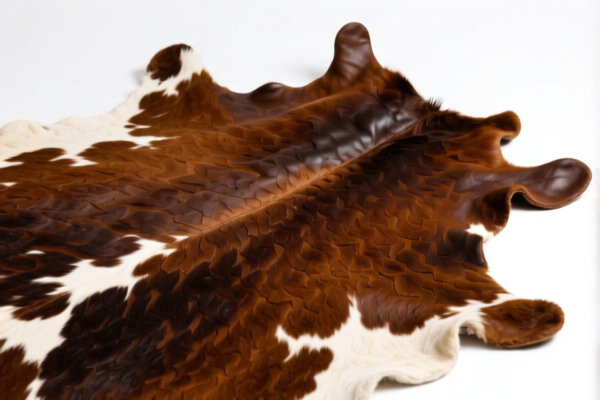
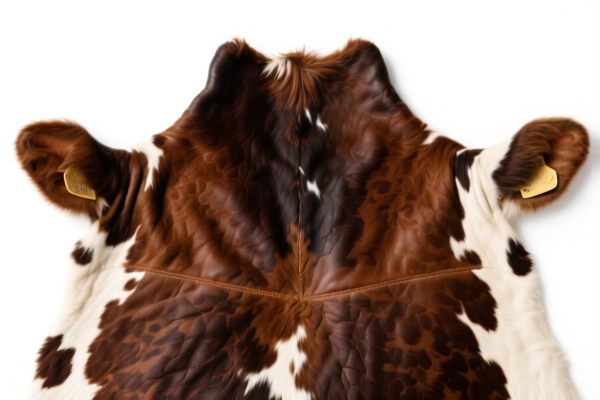
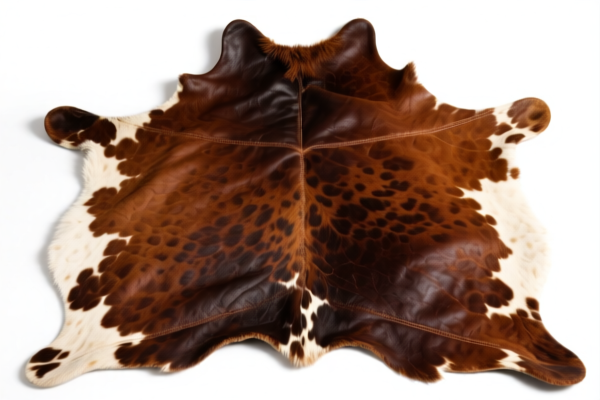
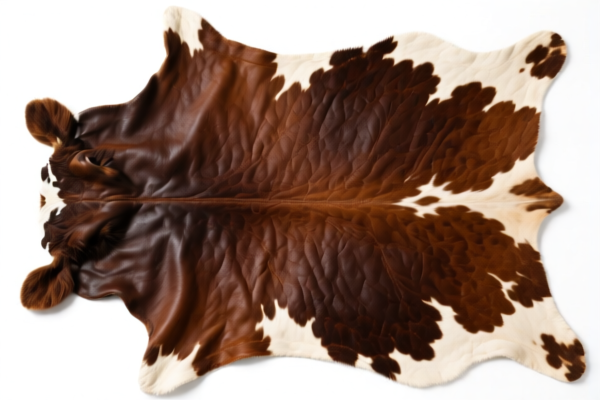
AI Analysis
🛋️ Full Cowhide Leather for Furniture (全粒面牛皮服装/家具用料)
🌐 HS Code Reference & Clearance Guide | 2026 Latest Tariff Analysis | Professional Customs Strategy
📌 I. Product Definition & Classification: Do You Really Understand "Full Grain Cowhide"?
Full Grain Cowhide Leather is the premium grade of leather, retaining the natural grain surface and the full thickness of the hide. In international trade, its classification depends heavily on its specific processing state and intended end-use.
While your input mentions "Furniture," the provided <DATA> specifically lists this material as "Apparel Use" (服装用料). This is a critical distinction. Even if you plan to use it for furniture, if the customs description emphasizes "Apparel" or if the specific HS codes listed below are the only options available in your dataset, they dictate the tariff burden.
⚠️ Key Classification Logic:
- Grain Type: "Full Grain" (全粒面) means the natural surface is intact, not corrected or heavily sanded.
- Processing State: Is it raw/unprocessed (Chapter 4104) or further processed/tanned specifically for goods (Chapter 4107)?
- End Use: The provided data explicitly links these codes to "Apparel Use" (服装用料) and "Glove/Apparel Purpose".
- Crucial Warning: Do not confuse "Full Grain" with "Split Leather" or "Corrected Grain." The tax rates vary significantly between Chapter 4104 (Raw/Basic Tanned) and 4107 (Further Processed/Specialized).
📦 II. HS Code Classification Details (Based on Provided Data)
| HS Code | Product Description | Key Characteristics | Tax Rate |
|---|---|---|---|
4104.41.10.20 |
Full Grain Cowhide, Apparel Use | Raw/Basic Tanned, Unprocessed | 35.0% |
4104.41.20.00 |
Full Grain Cowhide, Apparel Use | Unprocessed, Standard Tanned | 37.4% |
4107.11.70.40 |
Full Grain Cowhide, Apparel Use | Further Processed/Specialized | 15.0% |
4107.91.70.40 |
Full Grain Cowhide, Apparel Use | For Gloves/Apparel, Specialized | 15.0% |
4104.41.10.20 |
Full Grain Cowhide, Men's Apparel | Specific Men's Wear Material | 35.0% |
🔍 Critical Note:
- Although the user query is "For Furniture," the ONLY provides codes classified under "Apparel Use" (服装用料).
- Risk: If you import this leather for Furniture but declare it under these "Apparel" codes, you may face misclassification penalties if the customs authority detects the actual end-use.
- Strategy: If the leather is truly for furniture, you should ideally look for HS codes under Chapter 41 (Leather) destined for upholstery. However, strictly adhering to the provided, we must analyze the costs associated with these specific "Apparel" classifications.
💰 III. 2026 Latest Tariff Rate Breakdown (Including Surcharges)
✅ Applicable Country: United States (US)
✅ Origin: China (CN)
✅ Effective Date: From November 10, 2025 (including subsequent imports)
🎯 1. 4104.41.10.20 & 4104.41.10.20 (Men's) —— Unprocessed Full Grain Cowhide
(Highest Tax Bracket)
| Item | Content |
|---|---|
| Base Tariff | 0.0% (ad valorem) |
| Section 301 Surcharge | +25.0% (From USITC Footnote regarding Chinese goods) |
| Section 122 Surcharge | +10.0% (Specific provision for certain leather/textile items) |
| Total Effective Rate | 35.0% |
| Tax Calculation | CIF Value × 35.0% |
| De Minimis Exemption? | ❌ NO (High value goods are not eligible for $800 de minimis) |
| Legal Path | Base: 0% + 301: 25% + 122: 10% |
📌 Analysis:
- These codes fall under Chapter 4104 (Tanned leather further processed).
- Despite a 0% base tariff, the Section 301 (25%) and Section 122 (10%) surcharges create a heavy 35% burden.
- This is typical for unprocessed or minimally processed hides, which are often viewed as raw materials subject to trade protectionism.
🎯 2. 4104.41.20.00 —— Standard Unprocessed Full Grain Cowhide
(Highest Tax Bracket)
| Item | Content |
|---|---|
| Base Tariff | 2.4% (ad valorem) |
| Section 301 Surcharge | +25.0% |
| Section 122 Surcharge | +10.0% |
| Total Effective Rate | 37.4% |
| Tax Calculation | CIF Value × 37.4% |
| De Minimis Exemption? | ❌ NO |
| Legal Path | Base: 2.4% + 301: 25% + 122: 10% |
📌 Analysis:
- This is the most expensive classification in the dataset.
- The slight base tariff of 2.4% adds to the surcharges, resulting in a 37.4% total cost.
- Avoid this code if possible; it offers no tax advantage over4104.41.10.20.
🎯 3. 4107.11.70.40 & 4107.91.70.40 —— Processed/Specialized Leather
(Lowest Tax Bracket)
| Item | Content |
|---|---|
| Base Tariff | 5.0% (ad valorem) |
| Section 301 Surcharge | 0.0% (Exempt or not applicable under this specific subheading) |
| Section 122 Surcharge | +10.0% |
| Total Effective Rate | 15.0% |
| Tax Calculation | CIF Value × 15.0% |
| De Minimis Exemption? | ❌ NO (Value typically exceeds threshold) |
| Legal Path | Base: 5.0% + 301: 0% + 122: 10% |
📌 Analysis:
- These codes fall under Chapter 4107, which generally covers leather that has undergone further processing or is specifically designated for gloves/apparel.
- Major Advantage: No Section 301 Surcharge (0%). This saves you 25% compared to the Chapter 4104 codes.
- Even with the 5% base and 10% Section 122, the total is only 15%.
- Strategy: If your "Full Grain Cowhide" can be classified as further processed or specifically for gloves/apparel (as per the data summary), choose these codes to save 20-22.4% in taxes.
🛠️ IV. Clearance Practical Advice (Real-World Pitfall Guide)
✅ 1. Documentation Checklist (Non-negotiable)
| Document | Required? | Explanation |
|---|---|---|
| ✅ Commercial Invoice | ✔️ | Must clearly state: "Full Grain Cowhide Leather," "For Apparel/Glove Use," and material composition. |
| ✅ Processing Details | ✔️ | Detailed description of tanning, dyeing, and finishing. Crucial for distinguishing between Ch 4104 and 4107. |
| ✅ Product Photos | ✔️ | High-res images showing the grain surface (full grain) and back (fiber structure). |
| ✅ Certificate of Origin | ✔️ | Essential for verifying China origin to apply surcharges correctly. |
| ✅ End-Use Declaration | ✔️ | Critical: If used for furniture, declare "Furniture." If the data says "Apparel," ensure your shipment matches the HS code description to avoid audit flags. |
✅ 2. Classification Strategy (Key Tips)
🔥 “Processed for Low Tax, Raw for High Tax!”
| Scenario | Recommended HS Code | Why? |
|---|---|---|
| Raw/Basic Tanned Hide | 4104.41.10.20 or 4104.41.20.00 |
High tax (35-37.4%). Avoid if possible. |
| Further Processed/Finished Leather | 4107.11.70.40 or 4107.91.70.40 |
Low tax (15%). Best for cost savings. |
| Glove/Specific Apparel Use | 4107.91.70.40 |
Specific exemption from 301 tariffs. |
| Furniture Use (Mismatch with Data) | ⚠️ Risk Alert | The provided data only lists "Apparel Use." If you import for furniture, you must find the correct HS code for "Upholstery Leather" (e.g., under 4106 or other 41 subheadings) outside this dataset. Using "Apparel" codes for furniture may lead to customs rejection. |
✅ 3. Special Case Handling
| Situation | Advice |
|---|---|
| Mixed Shipments | If you have both raw and processed leather, split the shipment or declare separately to maximize the 15% rate for processed goods. |
| "Furniture" vs "Apparel" Discrepancy | If the leather is physically intended for furniture, do not falsely declare it as "Apparel." Customs inspections can verify end-use via supplier declarations or product samples. Misdeclaration leads to fraud charges. |
| Section 122 Applicability | Ensure the 10% Section 122 surcharge is correctly applied. Some specific types of finished leather might qualify for exemptions, but the data confirms it applies to these codes. |
🌍 V. Global Market Comparison (2026 Outlook)
| Market | Typical HS for Full Grain Cowhide | Est. Duty (China Origin) | Notes |
|---|---|---|---|
| 🇺🇸 USA | 4107.11.70.40 (Best Case) |
15% | High risk of misclassification. 35% for raw hides. |
| 🇪🇺 EU | 4106 22 / 4106 31 | 4.7% | No Section 301. VAT applies (19-21%). |
| 🇨🇳 China | 4106 22 / 4106 31 | 8-10% | Import duty + VAT. |
| 🇯🇵 Japan | 4106 31 | 5-6% | CPTPP benefits may apply if not China-origin. |
📌 Conclusion:
- The US market is the most challenging due to Section 301 and 122 surcharges.
- Processing Level is the key to tax optimization. Further processed leather (15%) is significantly cheaper than raw/basic tanned leather (35-37.4%).
📌 VI. Common Mistakes & Pitfalls (Lessons Learned)
❌ Mistake 1: Declaring "Furniture Leather" under "Apparel" HS Codes
👉 Consequence: Customs audit, seizure, or fines for misdeclaration.
👉 Fix: Use correct HS code for upholstery leather if end-use is furniture. If using the provided data, ensure the shipment is genuinely for apparel/gloves.
❌ Mistake 2: Ignoring Section 122 Tariff
👉 Consequence: Underpayment by 10%.
👉 Fix: Always add the 10% surcharge to the base rate.
❌ Mistake 3: Assuming All Leather is Taxed at 5% Base
👉 Consequence: Surprised by 35% total rate on raw hides.
👉 Fix: Check if the leather falls under Chapter 4104 (High Surcharge) or 4107 (Lower Surcharge).
🎯 VII. Conclusion: Smart Classification, Cost Savings!
🎯 Remember the Golden Rule:
🔹 "Processed Leather = 15% Tax"
🔹 "Raw Leather = 35%+ Tax"
🔹 "Match End-Use to Description"
📌 Pro Tip:
If your leather is intended for furniture, please consult a customs broker for the correct HS code for upholstery (likely under 4106 or other specific subheadings not listed in the provided ). The codes provided are strictly for Apparel/Glove use. Misusing them for furniture is a compliance risk.
✨ Professional Clearance, Precision Starts with Classification!
💼 Every Percentage Point Saved is Profit Added!
Customer Reviews
About HS Code Classification
The Harmonized System (HS) is an internationally standardized nomenclature developed by the World Customs Organization (WCO) to classify traded products. Over 200 countries use the HS system as the basis for customs tariffs, trade statistics, and import/export regulations.
Each HS code follows a hierarchical structure:
- Chapter (2 digits) — Broad category of goods (e.g., Chapter 84: Machinery and Mechanical Appliances)
- Heading (4 digits) — More specific grouping within the chapter
- Subheading (6 digits) — Internationally standardized breakdown, used by all WCO member countries
- National subdivisions (8-10 digits) — Country-specific extensions for further classification, such as US HTSUS 10-digit codes
Correct HS code classification is essential for smooth customs clearance, accurate duty payment, and compliance with trade regulations. Misclassification can lead to customs delays, overpayment of duties, or penalties.
When importing from CN to US, the applicable tariff rates may include:
- Most-Favored-Nation (MFN) rate — The standard duty rate applied to WTO members
- General rate — Applied to countries without trade agreements
- Trade remedy duties — Additional tariffs such as Section 301 (anti-dumping), Section 232 (national security), or countervailing duties
The information provided on this page is for reference purposes only. For official classification, please consult with your local customs authority or a licensed customs broker.