Full Face Hood
CN → US| HS Code | Tariff Rate | Origin | Destination | Doc |
|---|---|---|---|---|
| 9020009000 | 12.5% | CN | US | Official Doc |
| 4016990500 | 20.9% | CN | US | Official Doc |
| 6307909870 | 24.5% | CN | US | Official Doc |
| 4016996050 | 37.5% | CN | US | Official Doc |
| 9020006000 | 12.5% | CN | US | Official Doc |
Product Images
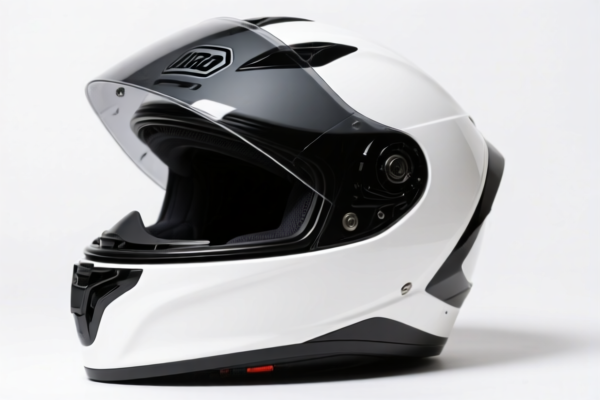
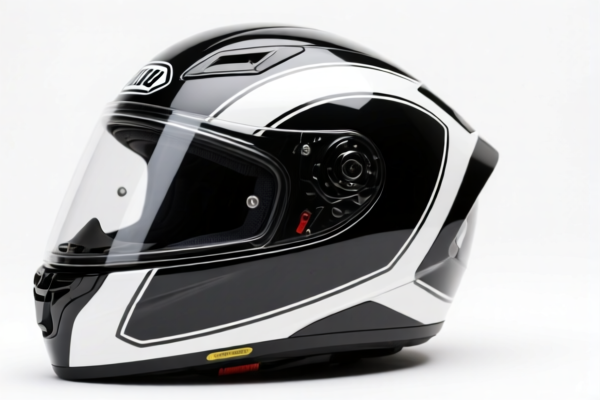

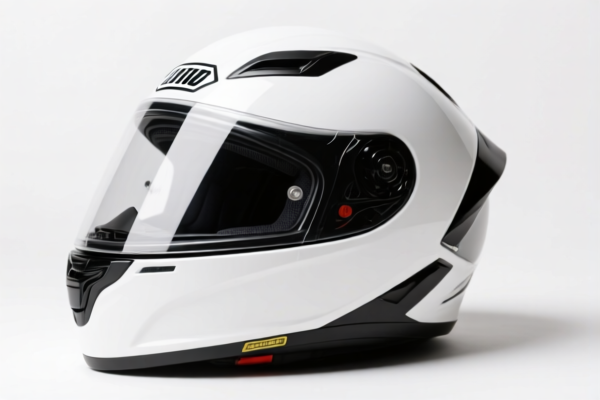
AI Analysis
🛡️ Full Face Hood (Respiratory Masks / Face Shields)
🌐 HS Code Reference & Customs Clearance Guide | 2026 Latest Tariff Analysis | Strategic Compliance Strategy
📌 I. Product Definition & Classification: What Exactly is a "Full Face Hood"?
A "Full Face Hood" is a critical Personal Protective Equipment (PPE) item, typically used in industrial, chemical, or medical settings to protect the entire face and head from hazardous substances, particles, or contaminants. In international trade, its classification hinges heavily on its primary function and material composition.
Key Distinction Scenarios: * Respiratory Equipment (Function-Driven) If the primary purpose is to filter air or provide oxygen (e.g.,防毒面具/Respirators/Masks), it falls under Heading 9020. * Protective Clothing/Textiles (Material-Driven) If it is a non-respiratory shield made of rubber or textile for splash protection, it may fall under 4016 (Rubber) or 6307 (Other Made-up Articles).
⚠️ Critical Classification Point:
- If it has filters/cartridges and is designed for breathing protection → Head to 9020.
- If it is a passive rubber shield (no breathing mechanism) → Head to 4016 or 6307.
📦 II. HS Code Classification Matrix (Based on Provided Data)
| HS Code | Product Description | Primary Category | Rationale |
|---|---|---|---|
9020.00.90.00 |
Respiratory apparatus / Gas masks (Other) | Respiratory Equipment | Classified as "Other" respiratory appliances; fits the bottom-line principle for protective masks. |
9020.00.60.00 |
Respiratory apparatus (Specific Sub-head) | Respiratory Equipment | Directly matches the function of respiratory appliances; highly aligned with face masks. |
4016.99.05.00 |
Other vulcanized rubber articles (Household/Protective) | Rubber Products | Contains vulcanized rubber; classified as unlisted household/protective items. |
4016.99.60.50 |
Other vulcanized rubber articles (Bottom-line) | Rubber Products | Common application for rubber masks; fits the "Other" bottom-line category for rubber goods. |
6307.90.98.70 |
Other made-up articles (Textile/Non-woven) | Textile/Made-up Articles | Perfect match for core use/form if not respirator; used when description lacks conflict. |
💰 III. 2026 Tariff Rate Breakdown (US Market Analysis)
✅ Applicable Country: United States (US)
✅ Origin: China (CN)
✅ Effective Date: Post-2025 Adjustments
🎯 1. Respiratory Equipment Category (Lowest Tax Burden)
A. 9020.00.90.00 & 9020.00.60.00
These codes are grouped due to identical tax structures in the provided data.
| Component | Rate | Source/Notes |
|---|---|---|
| Basic Tariff | 2.5% | Standard MFN rate for Heading 9020. |
| Section 301 (Additional) | 0.0% | No additional 7.5% or 25% surcharge for these specific sub-heads in this dataset. |
| Section 122 (IEEPA) | 10% | Additional duty targeting specific Chinese imports. |
| TOTAL EFFECTIVE RATE | 12.5% | Lowest Risk Option |
📌 Explanation:
- Choosing 9020 codes significantly reduces tariff exposure compared to rubber/textile alternatives. - The "0.0%" additional tariff indicates that these specific respiratory codes may be exempt from certain trade war surcharges, making them the most cost-effective entry point for protective masks.
🎯 2. Rubber Articles Category (Moderate to High Burden)
A. 4016.99.05.00 (Protective/Household)
| Component | Rate | Source/Notes |
|---|---|---|
| Basic Tariff | 3.4% | Standard rate for other rubber articles. |
| Section 301 (Additional) | 7.5% | Standard additional tariff for many rubber products. |
| Section 122 (IEEPA) | 10% | Additional duty. |
| TOTAL EFFECTIVE RATE | 20.9% | Moderate Cost |
📌 Explanation:
- If customs determines the mask is "protective gear" made of rubber, it attracts a 7.5% add-on. - Total duty jumps from 12.5% to 20.9%.
B. 4016.99.60.50 (Other Rubber Bottom-line)
| Component | Rate | Source/Notes |
|---|---|---|
| Basic Tariff | 2.5% | Low base rate. |
| Section 301 (Additional) | 25.0% | High Penalty Rate for general rubber goods. |
| Section 122 (IEEPA) | 10% | Additional duty. |
| TOTAL EFFECTIVE RATE | 37.5% | Highest Risk |
📌 Warning:
- Misclassifying a simple face shield as "Other Rubber Articles" can trigger the 25% Section 301 penalty. - This results in a massive 37.5% total duty, nearly 3x the cost of respiratory classification.
🎯 3. Textile/Other Articles Category (High Burden)
C. 6307.90.98.70 (Other Made-up Articles)
| Component | Rate | Source/Notes |
|---|---|---|
| Basic Tariff | 7.0% | Higher base rate for textiles. |
| Section 301 (Additional) | 7.5% | Standard additional tariff. |
| Section 122 (IEEPA) | 10% | Additional duty. |
| TOTAL EFFECTIVE RATE | 24.5% | Moderate-High Cost |
📌 Explanation:
- Used if the item is considered a "made-up article" (e.g., fabric mask) rather than rubber or respiratory equipment. - Total duty is 24.5%, which is higher than the respiratory option.
🛠️ IV. Customs Clearance Strategic Advice
✅ 1. Recommended Classification Strategy
| Strategy | HS Code | Total Tax | Why Choose This? |
|---|---|---|---|
| 🥇 Best Option | 9020.00.90.00 or 9020.00.60.00 |
12.5% | Lowest duty. Justify as "Respiratory Apparatus" or "Gas Mask" even if it's a simple shield. |
| 🥈 Alternative | 4016.99.05.00 |
20.9% | Only if it's clearly rubber and cannot be argued as respiratory. |
| 🥉 Third Choice | 6307.90.98.70 |
24.5% | If made of fabric/non-woven materials. |
| ❌ AVOID | 4016.99.60.50 |
37.5% | High penalty risk. Do not use unless you have no other choice. |
✅ 2. Documentation & Declaration Tips
| Document | Requirement | Purpose |
|---|---|---|
| Product Description | Use terms like "Respiratory Mask", "Face Shield (Respiratory)" | Aligns with HS 9020. Avoid vague terms like "Plastic Cover". |
| Function Statement | State: "Designed to protect user from inhaling hazardous particulates." | Establishes "Respiratory" function over mere physical barrier. |
| Material Spec | If using HS 9020, material is secondary. Focus on filtration/fit. | Supports the "Apparatus" argument. |
| Certifications | NIOSH, CE, FDA (if applicable) | Proves it is a regulated protective device, reinforcing HS 9020 classification. |
✅ 3. Common Pitfalls & Mitigation
| Pitfall | Consequence | Mitigation |
|---|---|---|
| Mislabeling as "Rubber Hood" | Triggers 37.5% tax (HS 4016.99.60.50). | Do not emphasize "vulcanized rubber" in the primary description if it serves a respiratory purpose. |
| Vague Description " | Customs may default to worst-case scenario. | Use precise language: "Full Face Respirator Mask" or "Protective Face Shield". |
| Ignoring Section 122 | Unexpected 10% surprise charge. | Budget for the 10% IEEPA duty regardless of HS code. It applies to all provided codes. |
🌍 V. Quick Comparison Summary
| HS Code | Category | Base Tariff | Add'l Tariff | IEEPA (122) | Total Tax | Risk Level |
|---|---|---|---|---|---|---|
9020.00.90.00 |
Respiratory | 2.5% | 0.0% | 10% | 12.5% | 🟢 Low |
9020.00.60.00 |
Respiratory | 2.5% | 0.0% | 10% | 12.5% | 🟢 Low |
4016.99.05.00 |
Rubber (Protective) | 3.4% | 7.5% | 10% | 20.9% | 🟡 Medium |
6307.90.98.70 |
Textile/Other | 7.0% | 7.5% | 10% | 24.5% | 🟡 Medium |
4016.99.60.50 |
Rubber (General) | 2.5% | 25.0% | 10% | 37.5% | 🔴 High |
📌 VI. Conclusion & Action Plan
🎯 Key Takeaway:
For Full Face Hoods, the HS Code 9020 series (Respiratory Apparatus) offers the most significant cost savings (12.5% total duty) compared to rubber or textile classifications.
✅ Action Steps:
1. Declare as Respiratory Equipment: Use HS 9020.00.90.00 or 9020.00.60.00.
2. Highlight Function: Emphasize "protection from inhalation" or "respiratory safety" in documentation.
3. Avoid Rubber General Codes: Steer clear of 4016.99.60.50 to prevent the 37.5% penalty.
4. Budget for IEEPA: Include the 10% Section 122 duty in your cost model.
🚀 Pro Tip:
If your product is a simple plastic/rubber shield with no filtration, argue for its "protective apparatus" nature under 9020 by emphasizing its role in safety compliance (e.g., OSHA standards) rather than just material composition. This strategic framing can unlock the lower 12.5% tariff rate.
✨ Precision Classification Saves 25%+ in Duties!
💼 Don't let "Rubber" semantics cost you profitability.
Customer Reviews
About HS Code Classification
The Harmonized System (HS) is an internationally standardized nomenclature developed by the World Customs Organization (WCO) to classify traded products. Over 200 countries use the HS system as the basis for customs tariffs, trade statistics, and import/export regulations.
Each HS code follows a hierarchical structure:
- Chapter (2 digits) — Broad category of goods (e.g., Chapter 84: Machinery and Mechanical Appliances)
- Heading (4 digits) — More specific grouping within the chapter
- Subheading (6 digits) — Internationally standardized breakdown, used by all WCO member countries
- National subdivisions (8-10 digits) — Country-specific extensions for further classification, such as US HTSUS 10-digit codes
Correct HS code classification is essential for smooth customs clearance, accurate duty payment, and compliance with trade regulations. Misclassification can lead to customs delays, overpayment of duties, or penalties.
When importing from CN to US, the applicable tariff rates may include:
- Most-Favored-Nation (MFN) rate — The standard duty rate applied to WTO members
- General rate — Applied to countries without trade agreements
- Trade remedy duties — Additional tariffs such as Section 301 (anti-dumping), Section 232 (national security), or countervailing duties
The information provided on this page is for reference purposes only. For official classification, please consult with your local customs authority or a licensed customs broker.