Full Grain Bovine Sole Leather
CN → US| HS Code | Tariff Rate | Origin | Destination | Doc |
|---|---|---|---|---|
| 4104493060 | 12.4% | CN | US | Official Doc |
| 4107196050 | 15.0% | CN | US | Official Doc |
| 4104114060 | 15.0% | CN | US | Official Doc |
| 4107994000 | 12.5% | CN | US | Official Doc |
| 4101903500 | 19.9% | CN | US | Official Doc |
Product Images
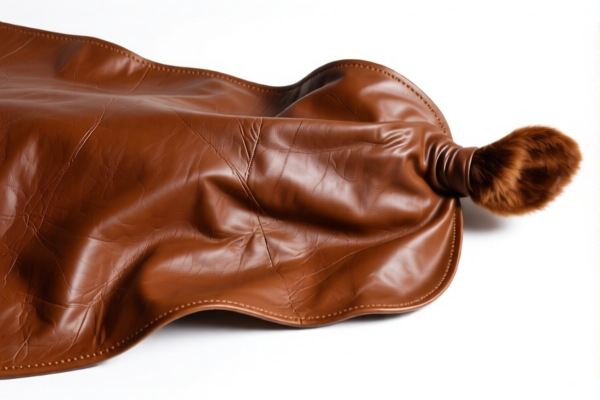
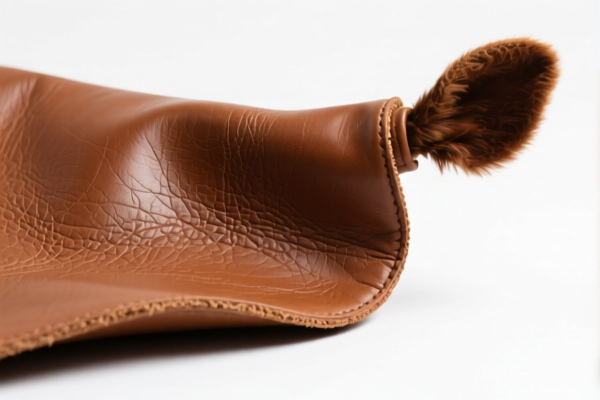
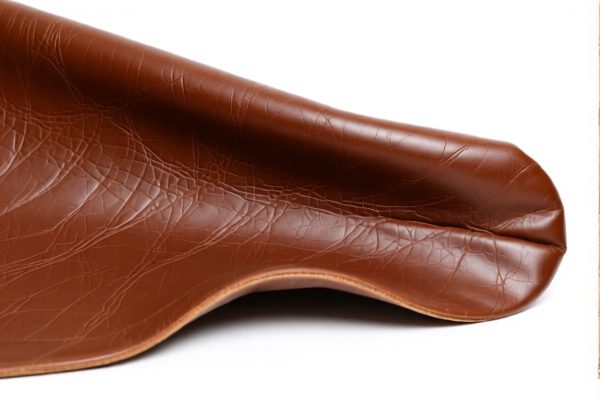
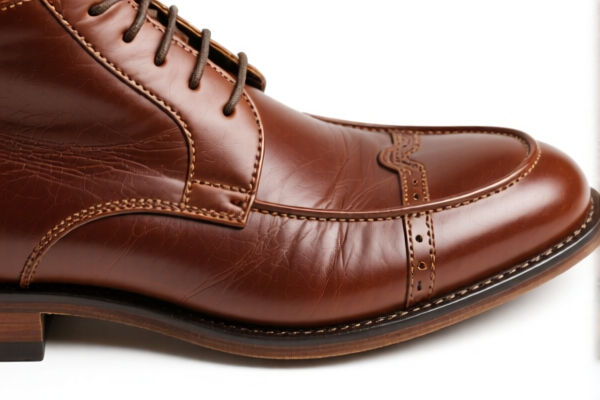
AI Analysis
🐂 Full Grain Bovine Sole Leather (天然水牛皮鞋底革)
🌐 HS Code Reference & Clearance Guide | 2026 Latest Tariff Analysis | Professional Customs Strategy
📌 I. Product Definition: What is "Full Grain Bovine Sole Leather"?
Full Grain Bovine Sole Leather refers to high-quality leather made from the outer layer of cattle hide (bovine), specifically processed and tanned for use as shoe soles. "Full Grain" indicates that the natural grain surface is intact, offering superior durability, water resistance, and wearability compared to corrected grain or split leather.
In international trade, this product falls under Chapter 41 (Animal Hide, Skin and Furskin). The critical distinction for customs classification is whether the product is classified as "Raw Hides/Skins", "Tanned Leather", or "Further Processed Leather Articles". Since this is finished sole leather, it is classified under Heading 4107 (Other leather with outer surface without hair, whether crusted or not, further processed) or Heading 4104/4106 depending on the specific finishing stage and thickness.
⚠️ Key Distinction Point:
- If it is simply tanned but not yet cut/finished for specific shoe parts → May fall under 4107.
- If it is specifically identified as "Sole Leather" with specific thickness and processing → May fall under 4104 or 4106 variants.
- Misclassification Risk: Declaring as "Footwear Parts" (Chapter 64) vs. "Leather" (Chapter 41). Must declare as Leather (Chapter 41) if not yet assembled into footwear.
📦 II. HS Code Classification Details (2026 Latest Tariff Reference)
Based on the provided data, here are the specific HS Codes for Full Grain Bovine Sole Leather and the corresponding tax implications for imports into the US (assuming US origin/consumer context based on "Section 122" references).
| HS Code | Product Description & Summary | Tax Rate | Key Characteristics |
|---|---|---|---|
4104.49.30.60 |
Other Tanned Leather, Bovine Natural water buffalo/bovine sole leather, classified as "Other/Other". No conflict with upper leather materials. |
12.4% | - Base Tariff: 2.4% - Section 122 Tariff: 10% - Additional: 0% |
4107.19.60.50 |
Other Leather, Bovine Material: Full Grain Bovine. Form/Use matches "Sole Leather" definition precisely. |
15.0% | - Base Tariff: 5.0% - Section 122 Tariff: 10% - Additional: 0% |
4104.11.40.60 |
Crust Leather, Bovine Material: Full Grain Bovine. Form: Leather. Use: Sole. Classified under "Animal Tanned Leather". |
15.0% | - Base Tariff: 5.0% - Section 122 Tariff: 10% - Additional: 0% |
4107.99.40.00 |
Other Processed Leather Material: Full Grain Bovine. Classified as "Leather Processed Product". Use: Sole. No material conflict. |
12.5% | - Base Tariff: 2.5% - Section 122 Tariff: 10% - Additional: 0% |
4101.90.35.00 |
Other Hides/Skins (Bovine) Material: Full Grain Bovine. Classified under "Other Categories". Inferred as Bovine Hide category based on common sense. |
19.9% | - Base Tariff: 2.4% - Section 122 Tariff: 10% - Additional Tariff: 7.5% - Highest Tax Rate in List |
🔍 Analysis of Tax Components:
- Section 122 Tariff (10%): Likely refers to specific trade remedy duties or additional tariffs under Section 301/122 affecting Chinese-origin leather goods.
- Base Tariff: Ranges from 2.4% to 5.0% depending on the precise subheading (Tanned vs. Crust vs. Raw).
- Additional Tariff (7.5%): Appears only in HS4101.90.35.00, suggesting this heading is subject to extra trade restrictions or retaliatory tariffs.
💰 III. 2026 Latest Tariff Rate Breakdown (Including Surcharges)
✅ Applicable Country: USA (US)
✅ Origin: China (CN) (Implied by "122 Clause" and tariff structure)
✅ Product: Full Grain Bovine Sole Leather
🎯 1. 4101.90.35.00 – Other Hides/Skins (Bovine)
| Item | Content |
|---|---|
| Base Tariff | 2.4% |
| Section 122 Tariff | +10.0% |
| Additional Tariff | +7.5% |
| Total Tax Rate | 19.9% |
| Calculation | CIF Value × 19.9% |
| De Minimis Exemption | ❌ Not Eligible (High tariff + textile/leather restrictions) |
| Legal Basis | Section 301/122 provisions + USITC Footnotes for Chapter 41 |
📌 Warning:
- This is the most expensive classification in the list.
- The 7.5% additional tariff is critical. If your product fits this description, avoid this HS code if a lower-rate alternative (like4107or4104) is technically accurate.
🎯 2. 4107.19.60.50 & 4104.11.40.60 – Tanned/Crust Leather (Sole Use)
| Item | Content |
|---|---|
| Base Tariff | 5.0% |
| Section 122 Tariff | +10.0% |
| Additional Tariff | 0.0% |
| Total Tax Rate | 15.0% |
| Calculation | CIF Value × 15.0% |
| De Minimis Exemption | ❌ Not Eligible |
| Legal Basis | USITC Chapter 41 Rules + Section 301/122 |
📌 Note:
- These codes represent finished or semi-finished sole leather.
- No additional 7.5% surcharge applies, making them 4.9% cheaper than4101.90.35.00.
- Preferred for imported sole leather if specifications match.
🎯 3. 4104.49.30.60 & 4107.99.40.00 – Other Processed Leather
| Item | Content |
|---|---|
| Base Tariff | 2.4% / 2.5% |
| Section 122 Tariff | +10.0% |
| Additional Tariff | 0.0% |
| Total Tax Rate | 12.4% / 12.5% |
| Calculation | CIF Value × 12.4%/12.5% |
| De Minimis Exemption | ❌ Not Eligible |
📌 Optimization Tip:
- If your leather is not strictly "crust" or "sole-specific" in customs terminology, these codes offer the lowest total tax burden (12.4–12.5%).
- Ensure the product description clearly avoids "raw hide" characteristics to prevent misclassification into4101.
🛠️ IV. Clearance Practical Advice (Best Practices & Pitfalls)
✅ 1. Required Documentation Checklist
| Document | Mandatory? | Description |
|---|---|---|
| ✅ Commercial Invoice | ✔️ | Must clearly state: "Full Grain Bovine Sole Leather", HS Code, CIF Value. |
| ✅ Packing List | ✔️ | Weight, dimensions, number of hides/sheets. |
| ✅ Certificate of Origin | ✔️ | Essential for determining applicability of Section 122/301 tariffs. |
| ✅ Product Specification Sheet | ✔️ | Detail: Thickness, tanning agent (chrome/vegetable), grain type, color, finish. |
| ✅ Customs Declaration | ✔️ | Accurate HS Code selection is critical. |
| ❌ FCC/CE Certificates | ❌ | Not required for raw/finished leather goods. |
✅ 2. Classification Strategy (Key Tips)
🔥 "Define the Process, Choose the Code!"
| Scenario | Recommended HS Code | Total Tax | Reason |
|---|---|---|---|
| Raw/Semi-processed Bovine Hide | 4101.90.35.00 |
19.9% | High Risk. Avoid if possible due to 7.5% extra tariff. |
| Fully Tanned Sole Leather | 4107.19.60.50 |
15.0% | Standard. Matches "Sole Leather" definition. |
| Crust Leather (Unfinished) | 4104.11.40.60 |
15.0% | If leather is tanned but not dyed/finished. |
| Other Processed Leather | 4104.49.30.60 |
12.4% | Lowest Tax. If not strictly "sole" or "crust", use this. |
| General Processed Leather | 4107.99.40.00 |
12.5% | Lowest Tax. Broad category for other processed leathers. |
✅ 3. Special Situations
| Situation | Handling Advice |
|---|---|
| Mixed Shipments | Separate bovine sole leather from upper leather or footwear components. Mixed declarations may lead to higher scrutiny. |
| "Full Grain" Claim | Provide photos or lab reports to prove "Full Grain" status if questioned, to justify use of specific subheadings. |
| Section 122 Tariff | Verify if your product is eligible for any exemptions. Usually, no exemptions apply to leather imports from China under current 122 clauses. |
| Anti-Dumping/Countervailing | Check for AD/CVD orders on bovine leather from specific Chinese provinces. |
🌍 V. Global Market Comparison (2026)
| Country/Region | Recommended HS Code | Tariff (China Origin) | Notes |
|---|---|---|---|
| 🇺🇸 USA | 4107.19.60.50 / 4104.49.30.60 |
12.4% - 15.0% | Subject to Section 301/122. High tax burden. |
| 🇨🇳 China | 4107.19.60.50 |
5.0% - 10% | Lower base tariff. No Section 122. |
| 🇪🇺 EU | 4107.99 / 4104.49 |
6.5% | No Section 122. Standard Most Favored Nation (MFN) rate. |
| 🇬🇧 UK | 4107.99 / 4104.49 |
6.5% | Post-Brexit tariff schedule aligns with EU for most leather. |
| 🇦🇺 Australia | 4107.99 / 4104.49 |
5.0% | No Section 122. |
📌 Conclusion:
- The USA is the most expensive market for Chinese bovine sole leather due to Section 122/301 tariffs (10-17.5% additional).
- EU, UK, Australia, and China have significantly lower tariffs (5-6.5%).
- Strategy: If targeting the US market, consider supply chain diversification (e.g., sourcing from Vietnam or India) to avoid Section 122 tariffs, if possible.
📌 VI. Common Mistakes & Pitfalls
❌ Mistake 1: Declaring "Sole Leather" as "Footwear Parts" (Chapter 64)
👉 Consequence: If not assembled into footwear, this is incorrect. Must declare as Leather (Chapter 41). Misclassification can lead to seizure or penalties.
❌ Mistake 2: Using HS 4101.90.35.00 for Finished Sole Leather
👉 Consequence: You pay 19.9% instead of 12.4-15.0%. Overpaying by ~5-7%. Always check if 4104 or 4107 applies.
❌ Mistake 3: Ignoring "Section 122" Tariff
👉 Consequence: Unexpected 10% surcharge at customs. Budget accordingly. This is mandatory for most Chinese leather imports to the US.
✅ Correct Practice:
"Full Grain Bovine Sole Leather, Tanned, 2-3mm thickness, Natural Color, HS Code: 4107.19.60.50, Origin: China"
🎯 VII. Conclusion: Professional Classification for Cost Savings
🎯 Remember the Golden Rule:
🔹 "Define the Process, Not Just the Material."
🔹 "Avoid 4101, Aim for 4104/4107."
🔹 "Section 122 is Mandatory, Budget for 10-17.5%."📌 Pro Tip:
- If your product is not strictly "sole leather" but general bovine leather, use4104.49.30.60(12.4%) or4107.99.40.00(12.5%) to minimize taxes.
- Always request a Pre-Ruling (Binding Tariff Information) from US CBP if the volume is large, to ensure classification accuracy and avoid retroactive penalties.
📣 Immediate Action:
📞 Contact Customs Broker: Provide product specs for HS Code confirmation.
📊 Calculate Landed Cost: Include 12.4-19.9% tariff in your pricing model.
🚀 Optimize Supply Chain: Consider non-China origins if targeting the US to avoid Section 122 tariffs.
✨ Professional Clearance Starts with Accurate Classification!
💼 Your Cost Savings Depend on Your HS Code Choice!
Customer Reviews
About HS Code Classification
The Harmonized System (HS) is an internationally standardized nomenclature developed by the World Customs Organization (WCO) to classify traded products. Over 200 countries use the HS system as the basis for customs tariffs, trade statistics, and import/export regulations.
Each HS code follows a hierarchical structure:
- Chapter (2 digits) — Broad category of goods (e.g., Chapter 84: Machinery and Mechanical Appliances)
- Heading (4 digits) — More specific grouping within the chapter
- Subheading (6 digits) — Internationally standardized breakdown, used by all WCO member countries
- National subdivisions (8-10 digits) — Country-specific extensions for further classification, such as US HTSUS 10-digit codes
Correct HS code classification is essential for smooth customs clearance, accurate duty payment, and compliance with trade regulations. Misclassification can lead to customs delays, overpayment of duties, or penalties.
When importing from CN to US, the applicable tariff rates may include:
- Most-Favored-Nation (MFN) rate — The standard duty rate applied to WTO members
- General rate — Applied to countries without trade agreements
- Trade remedy duties — Additional tariffs such as Section 301 (anti-dumping), Section 232 (national security), or countervailing duties
The information provided on this page is for reference purposes only. For official classification, please consult with your local customs authority or a licensed customs broker.