Full Grain Cowhide Leather
CN → US| HS Code | Tariff Rate | Origin | Destination | Doc |
|---|---|---|---|---|
| 4107917040 | 15.0% | CN | US | Official Doc |
| 4104412000 | 37.4% | CN | US | Official Doc |
| 4107117040 | 15.0% | CN | US | Official Doc |
| 4104411020 | 35.0% | CN | US | Official Doc |
| 4107191040 | 35.0% | CN | US | Official Doc |
Product Images
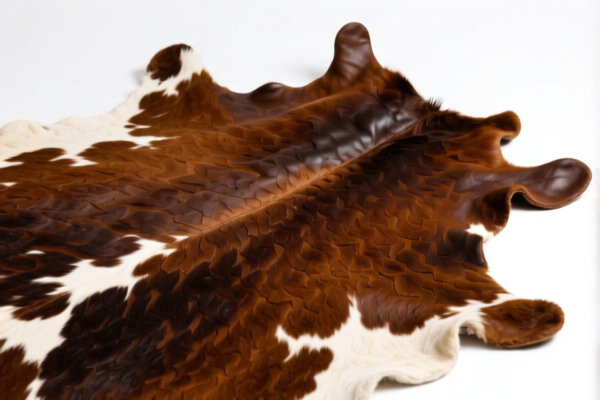
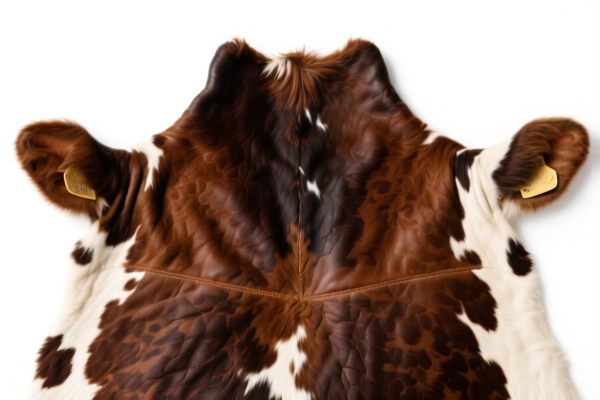
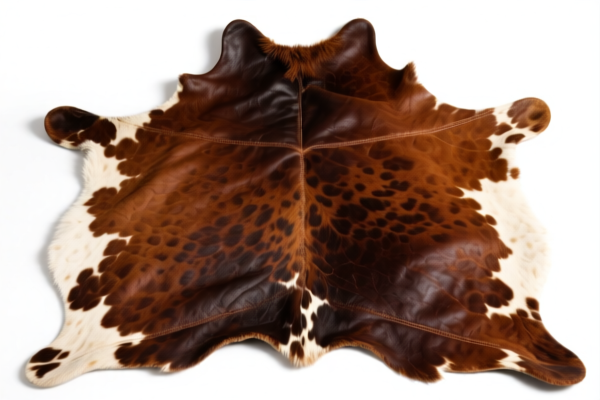
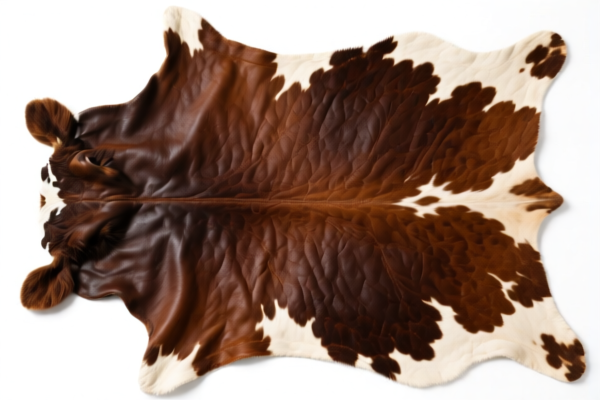
AI Analysis
🐄 Full Grain Cowhide Leather (Clothing & Lining Materials)
🌐 HS Code Reference & Customs Clearance Guide | 2026 Tariff Code Analysis | Professional Clearance Strategy
📌 I. Product Definition and Classification: What Exactly is "Full Grain Cowhide"?
Full Grain Cowhide Leather represents the highest quality tier of leather, retaining the original grain surface of the hide. In international trade, specifically when categorized for garment manufacturing or lining purposes, the classification depends heavily on whether the leather has been further worked (chrome-tanned vs. vegetable-tanned) and its specific end-use (outerwear material vs. inner lining).
Key Distinctions for Classification: - Garment Materials (服装用料): Leather intended for making the outer shell of jackets, coats, or accessories. - Lining Materials (内衬): Leather used as an inner layer for warmth, structure, or comfort within garments. - Surface Treatment: "Full Grain" implies the natural grain is intact, but the tanning method (Chrome vs. Veg) determines the HS Code subheading.
⚠️ Critical Classification Point:
- If the leather is Chrome-Tanned (most common for clothing due to softness) and intended for garments, it typically falls under 4107.
- If the leather is Vegetable-Tanned (stiffer, often for belts or heavy goods) but used in garments, it may fall under 4104.
- Do not confuse "Garment Use" with "Other Use" (like bags or shoes), as this drastically changes the tariff code and duty rate.
📦 II. HS Code Classification Details (2026 Authoritative Reference)
Based on the provided data, here are the specific HS Codes for Full Grain Cowhide Leather categorized by type and use:
| HS Code | Product Description | Primary Use | Tanning Method |
|--------|----------|---------------------------|
| 4107.91.70.40 | Full Grain Cowhide Leather (Garment Material) | Outerwear, Jackets, Coats | Chrome-Tanned |
| 4107.11.70.40 | Full Grain Cowhide Leather (Garment Material) | Outerwear, Jackets, Coats | Chrome-Tanned |
| 4104.41.20.00 | Full Grain Cowhide Leather (Garment Material) | Heavy Garments, Structured Pieces | Veg-Tanned |
| 4104.41.10.20 | Full Grain Cowhide Leather (Garment Material) | Heavy Garments, Structured Pieces | Veg-Tanned |
| 4107.19.10.40 | Cowhide Full Grain Lining (Inner Lining) | Garment Lining, Soft Layers | Chrome-Tanned |
| 4107.11.10.40 | Cowhide Full Grain Lining (Inner Lining) | Garment Lining, Soft Layers | Chrome-Tanned |
🔍 Key Observation:
- Codes starting with 4107 generally refer to Chrome-Tanned leather.
- Codes starting with 4104 generally refer to Vegetable-Tanned leather.
- The suffixes.70.40,.10.20, or.10.40indicate specific sub-classifications for garment use or lining, which are critical for accurate duty assessment.
💰 III. 2026 Tariff Rate Breakdown (Detailed Tax Analysis)
✅ Applicable Country: United States (US)
✅ Country of Origin: China (CN)
✅ Effective Time: 2025/2026 Import Cycle
🎯 1. Chrome-Tanned Garment Leather (4107.91.70.40 & 4107.11.70.40)
| Item | Detail |
|---|---|
| Base Duty Rate | 5.0% |
| Section 301 / Additional Duty | 0.0% |
| Section 122 Duty | 10.0% |
| Total Tariff Rate | 15.0% |
| Calculation Basis | CIF Value × 15% |
| De Minimis Eligibility | ❌ Not Applicable (Textiles/Leathers usually excluded from 80.01 de minimis) |
📌 Explanation:
- These codes carry a moderate tariff burden.
- Base Duty (5%) is standard for chrome-tanned leather goods.
- Section 122 (10%) is the specific trade remedy or additional duty applied to this category.
- No Section 301 applies here, keeping the total at a manageable 15%.
🎯 2. Vegetable-Tanned Garment Leather (4104.41.20.00 & 4104.41.10.20)
| Item | Detail |
|---|---|
| Base Duty Rate | 2.4% (for .20.00) / 0.0% (for .10.20) |
| Section 301 / Additional Duty | 25.0% |
| Section 122 Duty | 10.0% |
| Total Tariff Rate | 37.4% (for .20.00) / 35.0% (for .10.20) |
| Calculation Basis | CIF Value × 35-37.4% |
| De Minimis Eligibility | ❌ Not Applicable |
📌 Explanation:
- High Tariff Alert! Vegetable-tanned leather intended for garments is subject to the full Section 301 (25%) surcharge.
- Combined with the base rate (0-2.4%) and Section 122 (10%), the total duty is very high.
- Cost Impact: This significantly erodes profit margins compared to chrome-tanned alternatives.
🎯 3. Full Grain Cowhide Lining (4107.19.10.40 & 4107.11.10.40)
| Item | Detail |
|---|---|
| Base Duty Rate | 0.0% |
| Section 301 / Additional Duty | 25.0% |
| Section 122 Duty | 10.0% |
| Total Tariff Rate | 35.0% |
| Calculation Basis | CIF Value × 35.0% |
| De Minimis Eligibility | ❌ Not Applicable |
📌 Explanation:
- Even though the Base Duty is 0%, the Section 301 (25%) and Section 122 (10%) still apply.
- Lining leather is NOT exempt from trade remedy tariffs.
- Total 35% makes this a costly component if sourced from China.
🛠️ IV. Customs Clearance Practical Advice
✅ 1. Documentation Checklist (Essential for Smooth Clearance)
| Document | Mandatory? | Notes |
|---|---|---|
| ✅ Commercial Invoice | ✔️ | Must explicitly state "Full Grain Cowhide Leather" and End-Use (Garment vs. Lining). |
| ✅ Packing List | ✔️ | Detail weight, dimensions, and number of hides/squares. |
| ✅ Tanning Process Description | ✔️ | Critical: Specify Chrome-Tanned vs. Veg-Tanned to justify HS Code selection. |
| ✅ Material Certificate | ✔️ | Prove "Full Grain" status to avoid misclassification as "Split Leather" (which has different duties). |
| ✅ Country of Origin Certificate | ✔️ | Required to apply correct Section 301/122 tariffs. |
✅ 2. Classification Strategy & Risk Mitigation
| Scenario | Recommended HS Code | Risk/Note |
|---|---|---|
| Chrome-Tanned Leather for Jackets | 4107.91.70.40 or 4107.11.70.40 |
Lowest Risk: Total duty only 15%. Best for cost control. |
| Veg-Tanned Leather for Heavy Garments | 4104.41.20.00 |
High Risk/Cost: Duty jumps to 37.4%. Avoid if possible due to cost. |
| Leather Used as Lining | 4107.19.10.40 |
Medium Risk: Duty is 35%. Ensure it is NOT declared as "Garment Material" by mistake (which might have different sub-rules). |
| Mixed Shipment (Garments + Leather) | Declare Separately | Critical: Do not bundle leather hides with finished leather goods (e.g., bags). Customs will scrutinize mixed declarations. |
🔥 "Golden Rule for Leather Importers":
"Chrome for Garments = 15%; Veg or Lining = 35%+. Choose wisely!"
✅ 3. Common Mistakes & Pitfalls
❌ Mistake 1: Declaring Chrome-Tanned Leather as Vegetable-Tanned
👉 Consequence: If you overstate the tanning method to claim a lower base rate but are caught, you face fraud penalties and retroactive duties.
👉 Reality Check: Chrome-tanned leather (4107) has a HIGHER base rate (5%) than some veg-tanned codes (0%), but the Section 301 exemption makes 4107 MUCH CHEAPER overall (15% vs 35%+).
❌ Mistake 2: Ignoring the "End-Use" (Garment vs. Other)
👉 Consequence: If you declare garment leather as "Other Leather," customs may reclassify it under different codes with higher duties or reject the entry for incorrect classification.
👉 Solution: Always specify "For Garment Manufacturing" in the invoice description.
❌ Mistake 3: Confusing "Full Grain" with "Split Leather"
👉 Consequence: Split leather falls under different HS codes (e.g., 4115 or 4117) with different duty rates. Misdeclaration can lead to fines.
👉 Solution: Provide tannery certificates confirming "Full Grain" status.
🌍 V. Global Market Comparison (2026 Overview)
| Destination | Key HS Code (Chrome) | Estimated Duty (China Origin) | Key Requirement |
|---|---|---|---|
| 🇺🇸 USA | 4107.91.70.40 |
15.0% | Section 122 + 301 (Exempt for this code) |
| 🇨🇳 China | 4107.91.70.40 |
~5-10% | Standard Import Duties |
| 🇪🇺 EU | 4107.11.21 (approx) |
0-10% | REACH Compliance, Tanning Certificates |
| 🇬🇧 UK | 4107.11.21 (approx) |
0-10% | Post-Brexit Tariffs Apply |
📌 Insight:
- The US market is unique due to Section 122 and Section 301 complexities.
- Chrome-tanned leather for garments (4107) is the most tariff-efficient path for US imports from China.
- Veg-tanned (4104) and Lining (4107.19/11) are significantly more expensive due to full Section 301 applicability.
📌 VI. Actionable Recommendations
- Optimize Sourcing: Prioritize Chrome-Tanned Leather (
4107) for garment applications to benefit from the 15% total duty rate instead of 35%+. - Precise Documentation: Clearly distinguish between Garment Material and Lining Material on all commercial invoices.
- Pre-Clearance Verification: If using Vegetable-Tanned Leather (
4104), calculate the 35-37.4% cost impact and consider sourcing from tariff-exempt countries (e.g., Vietnam, Indonesia) if possible. - Certification: Ensure all shipments include Tanning Certificates to prove Full Grain status and Tanning Method (Chrome vs. Veg).
🎯 Final Takeaway:
🐄 "Chrome for Clothes: 15%. Veg or Lining: 35%+. Don't let the tanning method break your margin!"
📦 "Declare End-Use Clearly: Garment vs. Lining determines your HS Code and Duty Destiny!"
✨ Professional Customs Compliance Starts with Accurate Classification!
💼 Every Percentage Point Matters – Optimize Your Leather Supply Chain Today!
Customer Reviews
About HS Code Classification
The Harmonized System (HS) is an internationally standardized nomenclature developed by the World Customs Organization (WCO) to classify traded products. Over 200 countries use the HS system as the basis for customs tariffs, trade statistics, and import/export regulations.
Each HS code follows a hierarchical structure:
- Chapter (2 digits) — Broad category of goods (e.g., Chapter 84: Machinery and Mechanical Appliances)
- Heading (4 digits) — More specific grouping within the chapter
- Subheading (6 digits) — Internationally standardized breakdown, used by all WCO member countries
- National subdivisions (8-10 digits) — Country-specific extensions for further classification, such as US HTSUS 10-digit codes
Correct HS code classification is essential for smooth customs clearance, accurate duty payment, and compliance with trade regulations. Misclassification can lead to customs delays, overpayment of duties, or penalties.
When importing from CN to US, the applicable tariff rates may include:
- Most-Favored-Nation (MFN) rate — The standard duty rate applied to WTO members
- General rate — Applied to countries without trade agreements
- Trade remedy duties — Additional tariffs such as Section 301 (anti-dumping), Section 232 (national security), or countervailing duties
The information provided on this page is for reference purposes only. For official classification, please consult with your local customs authority or a licensed customs broker.