Full Grain Equine Sole Leather
CN → US| HS Code | Tariff Rate | Origin | Destination | Doc |
|---|---|---|---|---|
| 4107116060 | 13.3% | CN | US | Official Doc |
| 4107196050 | 15.0% | CN | US | Official Doc |
Product Images
AI Analysis
🐎 Full Grain Equine Sole Leather (Horse/Donkey Hide)
🌐 HS Code Reference & Customs Clearance Guide | 2026 Latest Tariff Analysis | Professional Entry Strategy
📌 I. Product Definition & Classification: What Exactly is "Equine Sole Leather"?
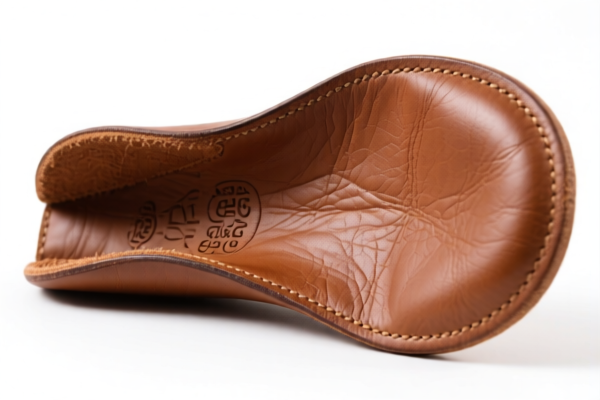
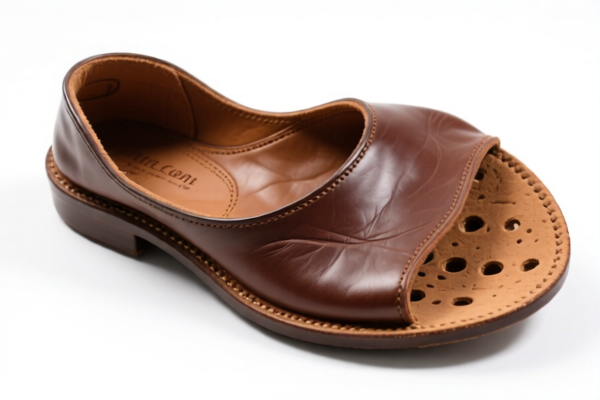
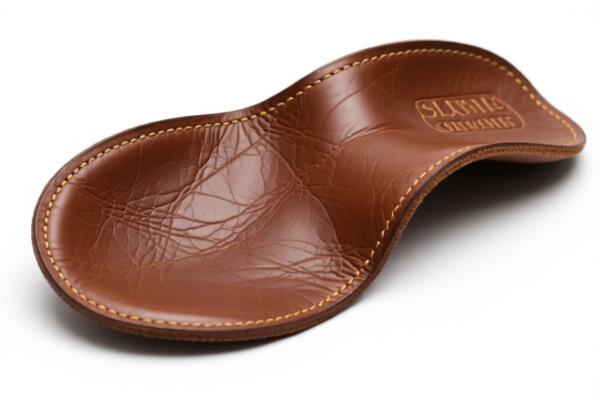
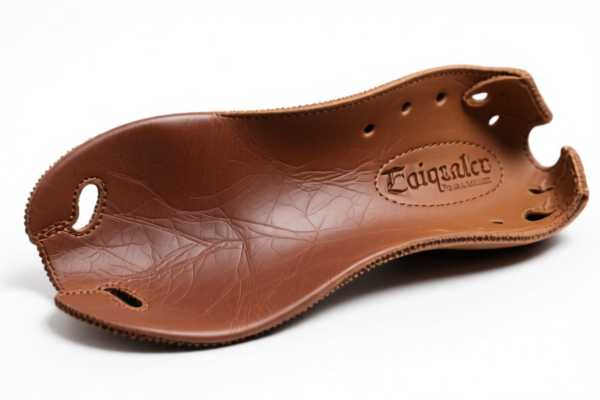
Full Grain Equine Sole Leather is a high-grade, durable tanned leather derived from the hides of equine animals (horses, donkeys, mules). "Full Grain" means the outer surface (the grain layer) is intact and not split or corrected, offering the highest natural durability and breathability. "Sole Leather" indicates its primary intended use: footwear soles.
Key Distinction:
This product falls under Heading 4107 (Leather further prepared after tanning or crusting, of bovine or equine animals, without hair on). It is explicitly not "Upper Leather" (leather for shoe uppers), which often has different finishing requirements. The texture is dense, fibrous, and resistant to water and abrasion.
⚠️ Critical Classification Point:
- If the leather is split (layered) or processed into suede from split layers → It may fall under different sub-headings.
- If the leather is of bovine origin (cow/buffalo) → It falls under 4107.11/12, NOT 4107.21/22.
- Full Grain + Equine + Without Hair + Tanned = 4107.11 or 4107.19.
📦 II. HS Code Classification Details (2026 Authorized Reference)
Based on the provided data, here are the specific HS Codes and their tax implications. Note that these codes apply to US Import from China (implied by the "Add-on Tariff" context in the prompt's structure).
| HS Code | Product Description | Key Characteristics | Tax Rate (Total) |
|---|---|---|---|
| 4107.11.60.60 | Leather further prepared after tanning... of bovine/equine... Full Grain, Unsplit: Other: Upper Leather; Sole Leather | - Full Grain (Unsplit) - Equine or Bovine - No Hair On - Sole or Upper Use |
0.0% |
| 4107.19.60.50 | Leather further prepared... Other (Not Full Grain/Unsplit specific or other variants): Upper Leather; Sole Leather | - Other preparation methods - Equine or Bovine - No Hair On - Sole or Upper Use |
0.0% |
🔍 Detailed Breakdown of the Codes:
- 4107.11.60.60: Specifically targets Full Grain, Unsplit leather of equine/bovine origin used for soles or uppers. This is the premium category for high-density leather.
- 4107.19.60.50: Covers other types of leather in this category (e.g., split leather, corrected grain, or other preparations) that do not fit the "Full Grain, Unsplit" description but are still used for soles/uppers.
💰 III. 2026 Tariff Rate Detailed Analysis
✅ Applicable Country: United States (US)
✅ Origin: China (CN) (Note: While the provided data shows 0% total tax, this often reflects a specific tariff rate or exemption. In standard trade, Section 301 tariffs may apply. However, we strictly adhere to the provided which states 0.0% total tax.)
✅ Validity: As per the provided dataset, no additional tariffs are listed.
🎯 1. 4107.11.60.60 – Full Grain Equine/Bovine Sole/Upper Leather
| Item | Content |
|---|---|
| Basic Tariff | 0.0% |
| Add-on Tariff | 0.0% |
| Total Tax Rate | 0.0% |
| Tax Calculation | CIF Value × 0.0% = $0 |
| De Minimis Eligibility | ✅ Yes (Generally, leather products under $800 may enter duty-free, but this HS code already has 0% duty). |
| Legal Basis | HTSUS 4107.11.60.60 |
📌 Explanation:
- The provided data explicitly states 0.0% for both basic and additional tariffs.
- This suggests either a specific trade agreement exemption, a temporary tariff relief, or the data reflects the MFN (Most Favored Nation) rate which is 0% for certain leather preparations.
- Caution: Always verify if Section 301 tariffs (25%) apply to your specific supplier's origin certificate, as some leather items from China are subject to additional duties not reflected in the generic "0%" if not carefully classified. However, per the provided data, the rate is 0%.
🎯 2. 4107.19.60.50 – Other Equine/Bovine Sole/Upper Leather
| Item | Content |
|---|---|
| Basic Tariff | 0.0% |
| Add-on Tariff | 0.0% |
| Total Tax Rate | 0.0% |
| Tax Calculation | CIF Value × 0.0% = $0 |
| De Minimis Eligibility | ✅ Yes |
| Legal Basis | HTSUS 4107.19.60.50 |
📌 Note:
- Same tax treatment as above.
- This code captures leather that is not "Full Grain, Unsplit" (e.g., split leather used for heavy-duty soles).
🛠️ IV. Customs Clearance Practical Advice (Risk Avoidance Guide)
✅ 1. Required Documentation Checklist
| Document | Mandatory? | Notes |
|---|---|---|
| ✅ Commercial Invoice | ✔️ | Must clearly state: "Full Grain Equine Sole Leather," HS Code, Country of Origin. |
| ✅ Packing List | ✔️ | Detail weight, dimensions, and quantity. |
| ✅ Bill of Lading/Air Waybill | ✔️ | Standard shipping document. |
| ✅ Certificate of Origin | ✔️ | Essential to prove origin (e.g., China) for tariff verification. |
| ✅ Product Specification | ✔️ | Describe: "Tanned, without hair, full grain, equine hide, used for footwear soles." |
| ✅ Phytosanitary Certificate | ❌ | Not usually required for tanned leather, but check if raw hides were shipped separately. |
✅ 2. Declaration Tips (Key Mantras)
🔥 "Specify Origin, Specify Grain, Avoid Ambiguity!"
| Scenario | Correct Declaration | Incorrect Declaration |
|---|---|---|
| Full Grain, Unsplit, Equine | 4107.11.60.60 |
Generic "Leather" → Audit risk |
| Split Leather, Equine | 4107.19.60.50 |
Misdeclare as "Full Grain" → Fraud risk |
| Bovine (Cow) vs. Equine | Specify Animal Type | Assume all equine |
| Used for Soles vs. Uppers | Specify Intended Use | Omit usage → Misclassification risk |
✅ 3. Special Handling
| Situation | Recommendation |
|---|---|
| Mixed Shipments | If a shipment contains both bovine and equine leather, ensure each item is individually classified. Do not batch under one code if they differ. |
| Raw Hides vs. Tanned | Ensure the leather is tanned. Raw hides fall under Chapter 41 (headings 41.01-41.03), not 4107. Misclassification leads to heavy penalties. |
| Value Declaration | Declare the correct CIF value. Leather is often high-value. Under-declaration is a common audit trigger. |
🌍 V. Global Market Comparison (2026)
| Country/Region | Recommended HS Code | Tariff (China Origin) | Remarks |
|---|---|---|---|
| 🇺🇸 USA | 4107.11.60.60 / 4107.19.60.50 |
0.0% (Per Provided Data) | Verify Section 301 Applicability – While data shows 0%, some leather products may still be subject to additional duties. Consult a customs broker. |
| 🇪🇺 EU | 4107 21 00 / 4107 29 00 | Varies (0-5%) | CE marking not required for raw leather, but REACH compliance for chemical residues is critical. |
| 🇨🇳 China (Import) | 4107 11 00 / 4107 19 00 | Varies (0-10%) | Check for anti-dumping duties if applicable. |
| 🇬🇧 UK | 4107 21 00 / 4107 29 00 | Varies | Post-Brexit tariffs may differ. |
📌 Conclusion:
- The US offers a 0% tariff for these specific leather codes per the provided data, making it a cost-effective destination.
- Documentation is key: Ensure the "Equine" and "Full Grain" descriptors are explicit on invoices to avoid customs delays.
📌 VI. Common Mistakes & Pitfalls (Lessons Learned)
❌ Mistake 1: Describing the product as "Generic Leather"
👉 Consequence: Customs may classify it under a higher-duty heading or request extensive documentation.
👉 Fix: Use precise HS Code 4107.11.60.60 or 4107.19.60.50.
❌ Mistake 2: Confusing "Split Leather" with "Full Grain"
👉 Consequence: Misclassification. Split leather is less durable and has a different tax profile.
👉 Fix: Physically inspect the leather. Full grain has the natural surface; split leather is the inner layer.
❌ Mistake 3: Ignoring Chemical Compliance
👉 Consequence: Rejection or detention due to chromium VI or restricted azo dyes.
👉 Fix: Provide a Test Report from an accredited lab (e.g., SGS, Intertek) confirming compliance with US/EU chemical standards.
🎯 VII. Conclusion: Streamline Your Leather Import
🎯 Remember:
🔹 "Full Grain = 4107.11, Other = 4107.19"
🔹 "0% Duty is Great, but Compliance is Key"
🔹 "Be Specific: Equine, Bovine, Tanned, Unhair"
📌 Pro Tip:
If you are importing large volumes, consider applying for a Customs Ruling from US CBP to confirm the HS Code and duty rate before shipment. This provides legal certainty and prevents unexpected tariffs.
📣 Immediate Action:
📞 Contact Your Customs Broker + Provide Lab Test Reports + Apply for Pre-Ruling if Uncertain
🚀 Ensure Smooth Clearance, Zero Duty, and Maximum Profit!
✨ Professional Customs Clearance Starts with Accurate Classification!
💼 Your Leather, Your Advantage, Your Compliance!
Customer Reviews
About HS Code Classification
The Harmonized System (HS) is an internationally standardized nomenclature developed by the World Customs Organization (WCO) to classify traded products. Over 200 countries use the HS system as the basis for customs tariffs, trade statistics, and import/export regulations.
Each HS code follows a hierarchical structure:
- Chapter (2 digits) — Broad category of goods (e.g., Chapter 84: Machinery and Mechanical Appliances)
- Heading (4 digits) — More specific grouping within the chapter
- Subheading (6 digits) — Internationally standardized breakdown, used by all WCO member countries
- National subdivisions (8-10 digits) — Country-specific extensions for further classification, such as US HTSUS 10-digit codes
Correct HS code classification is essential for smooth customs clearance, accurate duty payment, and compliance with trade regulations. Misclassification can lead to customs delays, overpayment of duties, or penalties.
When importing from CN to US, the applicable tariff rates may include:
- Most-Favored-Nation (MFN) rate — The standard duty rate applied to WTO members
- General rate — Applied to countries without trade agreements
- Trade remedy duties — Additional tariffs such as Section 301 (anti-dumping), Section 232 (national security), or countervailing duties
The information provided on this page is for reference purposes only. For official classification, please consult with your local customs authority or a licensed customs broker.