Full Grain Leather Shoe Sole
CN → US| HS Code | Tariff Rate | Origin | Destination | Doc |
|---|---|---|---|---|
| 4107111020 | 35.0% | CN | US | Official Doc |
| 4107115000 | 12.8% | CN | US | Official Doc |
| 4101501091 | 17.5% | CN | US | Official Doc |
| 4101201020 | 17.5% | CN | US | Official Doc |
| 4104415000 | 13.3% | CN | US | Official Doc |
Product Images
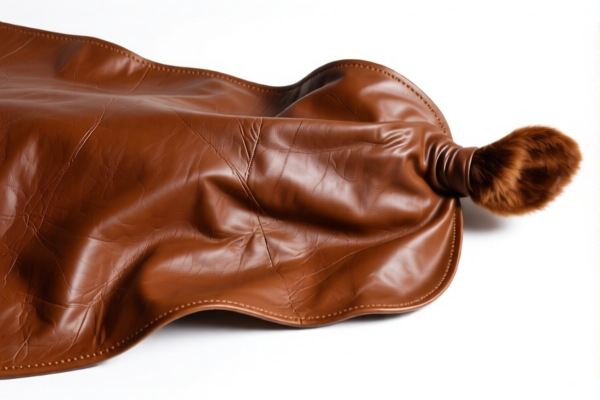
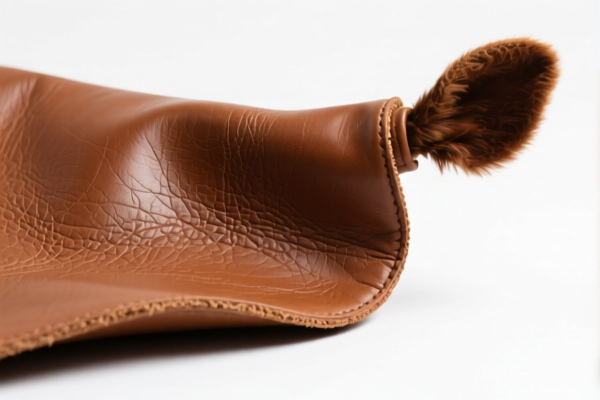
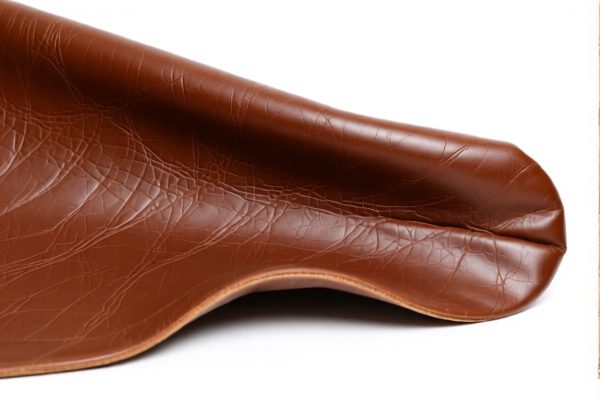
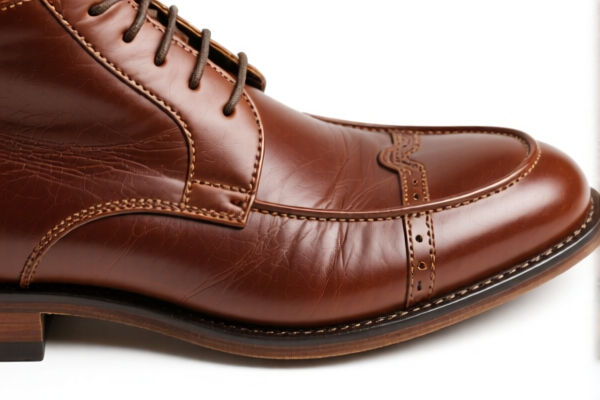
AI Analysis
👞 Full Grain Leather Shoe Sole
🌐 HS Code Reference & Clearance Guide | 2026 Latest Tariff Analysis | Professional Customs Strategy 📌 I. Product Definition & Classification: Is It a "Part" or an "Outer Sole"?
"Full Grain Leather Shoe Sole" is a specific component of footwear. In international trade, the classification depends strictly on whether it is the final outer layer touching the ground or a structural component (like an upper or insole).
Key Distinction: * Outer Soles & Heels: If the item is the bottom layer of the shoe, designed to make contact with the ground, it is classified under Headings 6406.20. However, this heading only covers soles made of Rubber or Plastics. * Other Parts (Including Leather Soles): If the sole is made of Leather (Full Grain is a type of leather), it cannot be classified under 6406.20. Instead, it falls under Headings 6406.90 as "Other parts of footwear."
⚠️ Critical Classification Point: - If the item is a leather sole (even if it acts as an outer sole) → It is NOT Rubber/Plastic → Go to 6406.90.60.00. - If the item is a rubber/plastic sole → Go to 6406.20.00.00. - Since your input is "Full Grain Leather," it must be classified as a leather part, NOT a rubber/plastic sole.
📦 II. HS Code Classification Details (2026 Latest Tariff Authority Comparison)
Based on the provided data, we analyze the two possible HS Codes. However, for Full Grain Leather, only one is strictly correct.
| HS Code | Product Description | Material Requirement | Applicable Scenario | Status for "Full Grain Leather" |
|---|---|---|---|---|
6406.90.60.00 |
Parts of footwear (including uppers); removable insoles, heel cushions...: Other: Of other materials: Of leather | Leather (Full Grain, Top Grain, Corrected, etc.) | Leather soles, leather uppers, leather heel cups | ✅ CORRECT |
6406.20.00.00 |
Outer soles and heels | Rubber or Plastics ONLY | Rubber outsoles, plastic heels | ❌ INCORRECT (Does not apply to leather) |
🔍 Key Reminder: - Headings 6406.20 is exclusive to Rubber/Plastic. Do not misdeclare a leather sole as a rubber sole to avoid higher taxes; customs will inspect the material. If found to be leather, they will reclassify it, potentially causing delays and penalties. - Headings 6406.90.60.00 captures all footwear parts made of materials other than rubber/plastic (e.g., leather, fabric, wood, cork).
💰 III. 2026 Latest Tariff Rate Details (Detailed Breakdown)
✅ Applicable Country: United States (US)
✅ Origin: China (CN)
✅ Effective Time: Current rates apply (Check for any post-2025 updates)
🎯 1. 6406.90.60.00 —— Parts of Footwear, Of Leather
| Item | Content |
|---|---|
| Basic Tariff | 0.0% (Ad Valorem) |
| Section 301 / Additional Tariff | +7.5% |
| Total Tax Rate | 7.5% |
| Tax Calculation | CIF Value × 7.5% |
| De Minimis Exemption | ❌ Not Applicable for Section 301 goods from China (usually) |
| Legal Basis Path | HTSUS: 6406.90.60.00 → USITC: Section 301 |
📌 Explanation: - Basic Tariff (0%): Under normal Most Favored Nation (MFN) treatment, general footwear parts have a low base duty. - Additional Tariff (7.5%): This is the key cost driver. Footwear parts from China are subject to additional tariffs (often under Section 301). The provided data specifies a 7.5% additional tax. - Total Cost Impact: You pay 7.5% of the declared value on top of shipping and insurance.
🛠️ IV. Customs Clearance Practical Advice (Pitfall Avoidance Guide)
✅ 1. Documentation Checklist (Non-negotiable)
| Document | Must Provide | Notes |
|---|---|---|
| ✅ Commercial Invoice | ✔️ | Must clearly state: "Parts of Footwear, Outer Sole, Full Grain Leather" |
| ✅ Packing List | ✔️ | Quantity, weight, and packaging details |
| ✅ Product Photo | ✔️ | Close-up of the leather grain texture to prove material type |
| ✅ Material Declaration | ✔️ | Explicitly state: "Material: 100% Full Grain Leather. NOT Rubber. NOT Plastic." |
| ✅ Bill of Lading/Air Waybill | ✔️ | Standard shipping documents |
✅ 2. Declaration Strategy (Key Mantra)
🔥 “Material First, Function Second, Leather is Not Rubber!”
| Situation | Correct Declaration | Wrong Practice | Consequence |
|---|---|---|---|
| Leather Sole | 6406.90.60.00 |
Misdeclare as 6406.20.00.00 (Rubber) |
Customs Penalties, Rejection, Higher Back-taxes |
| Upper + Sole Attached | 6406.90.60.00 (if upper dominates) or separate lines |
Lump sum without detail | Confusion, Delay |
| Rubber Sole | 6406.20.00.00 |
Declare as Leather | Underpayment of Tax, Audit Trigger |
Why is this important? - If you declare a leather sole as
6406.20.00.00(Rubber), you might think the tax is 10.2% (2.7% basic + 7.5% additional). - However, if customs inspects and finds it’s leather, they will reclassify to6406.90.60.00. - Wait, let's look at the tax again: -6406.90.60.00(Leather): 7.5% Total -6406.20.00.00(Rubber/Plastic): 10.2% Total - Surprise! The leather part is actually CHEAPER (7.5%) than the rubber sole (10.2%) due to lower basic tariffs. However, misdeclaration is a federal offense. Always declare the true material.
✅ 3. Special Considerations
| Scenario | Handling Advice |
|---|---|
| Mixed Materials | If the sole has leather top and rubber bottom, consult a customs broker. It might be classified as a composite good, potentially under Chapter 64 overall, but parts are usually split. |
| "Full Grain" Label | Ensure your invoice specifies "Full Grain" to distinguish from synthetic leather. Synthetic leather may fall under different subheadings (e.g., 6406.90.90), which may have different tax implications. |
| Value of Goods | Ensure the declared value matches the transaction value. Undervaluation leads to seizures. |
🌍 V. Global Market Comparison (2026 Latest)
| Country/Region | Recommended HS Code for Leather Sole | Tariff | Remarks |
|---|---|---|---|
| 🇺🇸 United States | 6406.90.60.00 |
7.5% | Includes 7.5% additional tariff |
| 🇨🇳 China (Export) | N/A (Export Duty) | 0% | China does not tax exports of footwear parts |
| 🇪🇺 European Union | 6406.90 |
~6.5% | Standard EU duty, no additional Section 301 |
| 🇨🇦 Canada | 6406.90 |
~3.5% | Lower than US, but still applies |
📌 Conclusion: - The US market has a significant 7.5% cost burden due to additional tariffs, but it is lower than the 10.2% for rubber soles. - Accuracy is paramount: Misclassifying leather as rubber or vice versa can lead to severe customs issues.
📌 VI. Common Errors & Pitfall Guide (Lessons Learned)
❌ Error 1: Declaring "Shoe Sole" without material specification
👉 Consequence: Customs will ask for clarification, causing 7-14 day delays.
❌ Error 2: Using generic terms like "Footwear Part"
👉 Consequence: May be flagged for higher scrutiny or incorrect HTS code assignment.
❌ Error 3: Confusing "Upper" with "Sole"
👉 Consequence: Both go to 6406.90.60.00 if leather, but incorrect description can lead to valuation disputes.
✅ Correct Practice:
"Footwear Parts, Outer Soles, Full Grain Leather, Unattached, Model XYZ, Value $X"
🎯 VII. Conclusion: Professional Declaration, Smooth Clearance, Cost Optimization!
🎯 Key Takeaway:
🔹 "Leather Soles go to 6406.90.60.00 (7.5% Total Tax)."
🔹 "Rubber Soles go to 6406.20.00.00 (10.2% Total Tax)."
🔹 "Always declare the TRUE material. Leather is cheaper in duty but requires precise classification!"
📌 Pro Tip:
If you are exporting to the US, ensure your invoice explicitly states "Full Grain Leather" to justify the 6406.90.60.00 classification and support the 0% basic tariff rate. Keep samples for customs inspection if requested.
📣 Immediate Action:
📞 Confirm HS Code
6406.90.60.00with your customs broker.
🚀 Declare "Parts of Footwear, Of Leather" clearly.
💰 Budget for 7.5% total tax on the CIF value.
✨ Professional Customs Clearance Starts with Accurate Classification!
💼 Every Percentage Point Counts in Global Trade!
Customer Reviews
About HS Code Classification
The Harmonized System (HS) is an internationally standardized nomenclature developed by the World Customs Organization (WCO) to classify traded products. Over 200 countries use the HS system as the basis for customs tariffs, trade statistics, and import/export regulations.
Each HS code follows a hierarchical structure:
- Chapter (2 digits) — Broad category of goods (e.g., Chapter 84: Machinery and Mechanical Appliances)
- Heading (4 digits) — More specific grouping within the chapter
- Subheading (6 digits) — Internationally standardized breakdown, used by all WCO member countries
- National subdivisions (8-10 digits) — Country-specific extensions for further classification, such as US HTSUS 10-digit codes
Correct HS code classification is essential for smooth customs clearance, accurate duty payment, and compliance with trade regulations. Misclassification can lead to customs delays, overpayment of duties, or penalties.
When importing from CN to US, the applicable tariff rates may include:
- Most-Favored-Nation (MFN) rate — The standard duty rate applied to WTO members
- General rate — Applied to countries without trade agreements
- Trade remedy duties — Additional tariffs such as Section 301 (anti-dumping), Section 232 (national security), or countervailing duties
The information provided on this page is for reference purposes only. For official classification, please consult with your local customs authority or a licensed customs broker.