Full Grain Leather Upholstery
CN → US| HS Code | Tariff Rate | Origin | Destination | Doc |
|---|---|---|---|---|
| 4107111020 | 35.0% | CN | US | Official Doc |
| 4107115000 | 12.8% | CN | US | Official Doc |
| 4101501091 | 17.5% | CN | US | Official Doc |
| 4101201020 | 17.5% | CN | US | Official Doc |
| 4104415000 | 13.3% | CN | US | Official Doc |
Product Images
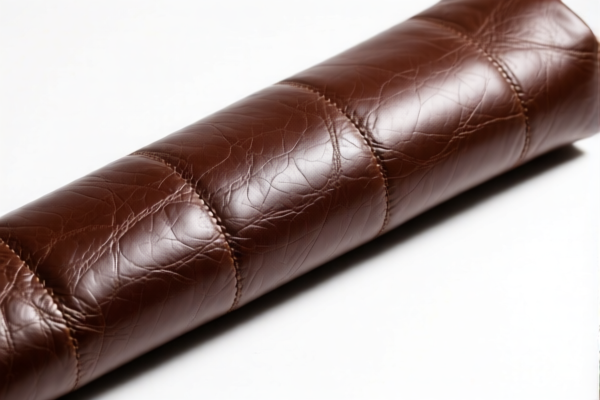
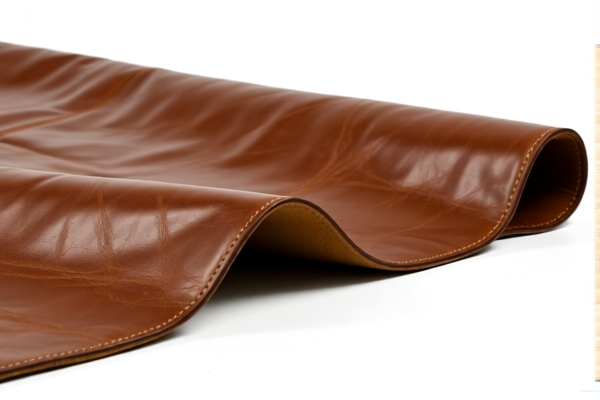
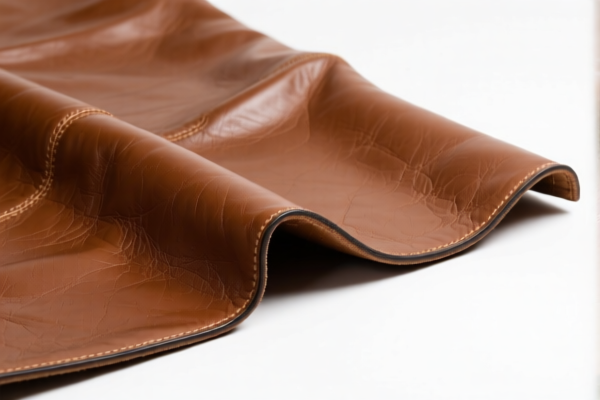
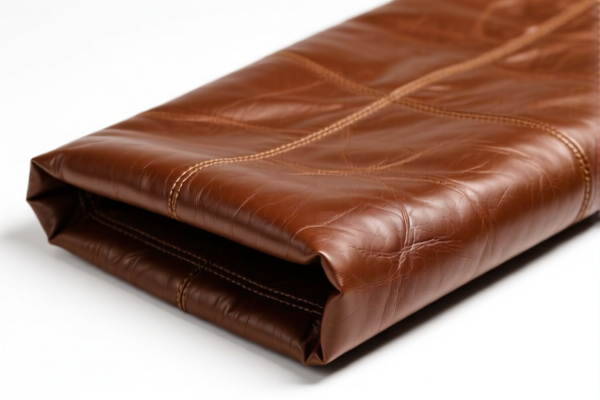
AI Analysis
🧵 Full Grain Leather Upholstery (Industrial Grade)
🌐 HS Code Reference & Customs Clearance Guide | 2026 Latest Tariff Analysis | Professional Compliance Strategy
📌 1. Product Definition & Classification: Do You Really Understand "Leather"?
"Full Grain Leather Upholstery" is a premium material used in high-end furniture, automotive interiors, and industrial applications. In international trade, the classification depends heavily on the animal source (Cow vs. Horse) and the processing state (Raw/Hide vs. Tanned/Ready-to-use).
⚠️ Critical Distinction:
- Raw Skins (Untanned): Classified under Chapter 41 (Headings 4101/4102). Often subject to different base duties.
- Tanned Leather (Finished): Classified under Chapter 41 (Headings 4104/4107). Subject to "Full Grain" specifications.
- Animal Specifics: Cow leather and Horse leather have distinct HS codes, which directly impact tariff structures.
📦 2. HS Code Classification Details (2026 Latest Tariff Authority Comparison)
Based on the provided data, here are the specific classifications for "Full Grain Leather Upholstery" depending on the exact material and state:
| HS Code | Product Description | Material/State | Application Scenario |
|---|---|---|---|
4107.11.10.20 |
Industrial Full Grain Leather | Cow/Horse Skin, Full Grain | Heavy-duty industrial upholstery |
4107.11.50.00 |
Industrial Full Grain Leather | Full Grain, Decorative/Industrial | Decorative furniture, interior trim |
4101.50.10.91 |
Horse Skins (Raw) | Horse Species, Untanned | Raw material for further tanning |
4101.20.10.20 |
Horse Skins (Raw) | Horse Species, Full Grain, Untanned | Raw horse hides before processing |
4104.41.50.00 |
Tanned Horse Leather | Horse Skin, Full Grain, Tanned | Finished horse leather for upholstery |
🔍 Key Reminder:
- "Full Grain" implies the outermost layer of the hide is intact, offering durability.
- "Upholstery" suggests the end-use, but customs classify based on material composition and processing stage (Raw vs. Tanned).
- Do not confuse Cow Leather (4107) with Horse Leather (4101/4104). Misclassification leads to severe penalties.
💰 3. 2026 Latest Tariff Rate Breakdown (Including Surtaxes & Policy Surcharges)
✅ Applicable Country: United States (US)
✅ Country of Origin: China (CN)
✅ Effective Time: Current tariffs apply including Section 301 and IEEPA surcharges.
🎯 1. 4107.11.10.20 – Industrial Full Grain Leather (Cow/Horse)
| Item | Content |
|---|---|
| Base Duty Rate | 0.0% |
| Section 301 Surtax | +25.0% |
| Section 122 Tariff | +10.0% |
| Total Tax Rate | 35.0% |
| Tax Calculation | CIF Value × 35% |
| De Minimis Eligibility | ❌ Not Eligible (High duty rates exclude this from low-value exemptions) |
| Legal Basis Path | Base: 0% → Sect 301: 25% → Sec 122: 10% → Total 35% |
📌 Explanation:
- This code applies to industrial-grade full grain leather (cow or horse).
- While the base duty is 0%, the Section 301 (25%) and Section 122 (10%) surcharges drive the total cost to 35%.
- Section 122 is a specific additional tariff often applied to certain leather goods to protect domestic industries.
🎯 2. 4107.11.50.00 – Industrial Full Grain Leather (Decorative/Industrial)
| Item | Content |
|---|---|
| Base Duty Rate | 2.8% |
| Section 301 Surtax | 0.0% |
| Section 122 Tariff | +10.0% |
| Total Tax Rate | 12.8% |
| Tax Calculation | CIF Value × 12.8% |
| De Minimis Eligibility | ❌ Not Eligible |
| Legal Basis Path | Base: 2.8% → Sect 301: 0% → Sec 122: 10% → Total 12.8% |
📌 Note:
- This code is for full grain leather that fits the definition of decorative/industrial use but may differ slightly in processing or specific sub-category from4107.11.10.20.
- Key Advantage: No Section 301 tariff (25%), resulting in a significantly lower total rate (12.8% vs 35%).
- Optimization Tip: Verify if your product qualifies for this lower-rate code by ensuring it meets the "Decorative/Industrial" definition strictly.
🎯 3. 4101.50.10.91 & 4101.20.10.20 – Raw Horse Skins (Untanned)
| Item | Content |
|---|---|
| Base Duty Rate | 0.0% |
| Section 301 Surtax | +7.5% |
| Section 122 Tariff | +10.0% |
| Total Tax Rate | 17.5% |
| Tax Calculation | CIF Value × 17.5% |
| De Minimis Eligibility | ❌ Not Eligible |
| Legal Basis Path | Base: 0% → Sect 301: 7.5% → Sec 122: 10% → Total 17.5% |
📌 Explanation:
- These codes apply to horse skins that are untanned (raw).
- If your "upholstery leather" is actually raw horse hides being imported for further processing, this is the correct code.
- The Section 301 surtax is lower (7.5%) compared to cow leather (4107), but it still includes the Section 122 (10%) tariff.
🎯 4. 4104.41.50.00 – Tanned Horse Leather (Full Grain)
| Item | Content |
|---|---|
| Base Duty Rate | 3.3% |
| Section 301 Surtax | 0.0% |
| Section 122 Tariff | +10.0% |
| Total Tax Rate | 13.3% |
| Tax Calculation | CIF Value × 13.3% |
| De Minimis Eligibility | ❌ Not Eligible |
| Legal Basis Path | Base: 3.3% → Sect 301: 0% → Sec 122: 10% → Total 13.3% |
📌 Note:
- This code is for finished, tanned horse leather in full grain.
- Key Advantage: No Section 301 surtax. Total rate is 13.3%.
- Comparison: Slightly higher than4107.11.50.00(12.8%), but significantly lower than4107.11.10.20(35%).
🛠️ 4. Customs Clearance Practical Advice (Real-World Pitfall Avoidance)
✅ 1. Required Documentation Checklist (Mandatory)
| Document | Must Provide | Notes |
|---|---|---|
| ✅ Product Specification Sheet | ✔️ | Must specify: Animal species (Cow/Horse), Grain type (Full Grain), Tanning process, End-use (Upholstery) |
| ✅ Photos (Clear & Detailed) | ✔️ | Show grain texture, back of hide, labeling, and any markings |
| ✅ Commercial Invoice | ✔️ | Clearly state "Full Grain Leather" and specify HS Code basis |
| ✅ Packing List | ✔️ | Detail quantity, weight, and dimensions |
| ✅ Origin Certificate (CO) | ✔️ | If applicable for any potential FTZ or preference claims |
| ✅ Tanning Certificate | ✔️ | Proof of tanning process if claiming "Tanned" status |
✅ 2. Declaration Tips (Critical Mnemonics)
🔥 "Species First, Grain Clear, Raw vs. Tanned, Avoid Heavy Duty!"
| Scenario | Correct Declaration | Incorrect Practice |
|---|---|---|
| Cow Leather, Industrial Grade | 4107.11.10.20 (35%) |
Misdeclare as Horse → Audit Risk |
| Horse Leather, Tanned, Full Grain | 4104.41.50.00 (13.3%) |
Misdeclare as Raw → Penalty |
| Horse Leather, Raw | 4101.50.10.91 (17.5%) |
Misdeclare as Tanned → Delay |
| Decorative/Industrial Leather | 4107.11.50.00 (12.8%) |
If it qualifies, use this for savings! |
📌 Key Insight:
- Cow Leather (4107) with Section 301 faces 25% surtax.
- Horse Leather (4101/4104) faces 7.5% (raw) or 0% (tanned) Section 301.
- Section 122 (10%) applies to all codes listed above.
- Optimization: If your product is Horse Leather and Tanned, use4104.41.50.00(13.3%) instead of Cow Leather (35%).
✅ 3. Special Circumstances Handling
| Situation | Handling Advice |
|---|---|
| OEM Custom Leather | Provide client order + design specs to prove end-use (Upholstery) |
| Mixed Shipments (Cow + Horse) | Separate declarations required. Do not mix HS Codes |
| Raw vs. Tanned Ambiguity | Provide tanning certificate. Customs may require lab test |
| Section 122 Exemption | Verify if any specific exemption applies (e.g., specific regional trade agreements) |
🌍 5. Global Main Market Clearance Comparison (2026 Latest)
| Country/Region | Recommended HS Code | Tariff (Approx.) | Certification Required | Notes |
|---|---|---|---|---|
| 🇺🇸 USA | 4107.11.10.20 |
35% (Cow) / 12.8% (Deco) | No specific | High Section 301 & 122 |
| 🇺🇸 USA | 4104.41.50.00 |
13.3% (Horse Tanned) | No specific | Lower surtax than Cow |
| 🇨🇳 China | 4107 / 4104 |
5-10% | CCC (if applicable) | Lower base duties |
| 🇪🇺 EU | 4107 / 4104 |
4-6% | REACH (Chemical) | No Section 301 |
| 🇬🇧 UK | 4107 / 4104 |
4-6% | REACH | Post-Brexit rules apply |
📌 Conclusion:
- USA is the most expensive market due to Section 301 and Section 122 tariffs.
- Cow Leather faces the highest burden (35%).
- Horse Leather (Tanned) offers a significant cost advantage (13.3%).
- Recommendation: If feasible, source or process Horse Leather for US export to reduce tariff costs.
📌 6. Common Mistakes & Pitfall Guide (Lessons Learned)
❌ Mistake 1: Declaring Horse Leather as Cow Leather
👉 Consequence: Incorrect HS Code → Underpayment → Penalty + Back Taxes
❌ Mistake 2: Declaring Tanned Leather as Raw Skins
👉 Consequence: Overpayment (Raw has 7.5% surtax, Tanned has 0%) → Lost Profit
❌ Mistake 3: Ignoring Section 122 Tariff
👉 Consequence: 10% surtax applied retroactively → Unexpected Costs
❌ Mistake 4: Vague Description "Leather Upholstery"
👉 Consequence: Customs cannot determine species/grain → Hold for Inspection → Delayed Delivery
✅ Correct Practice:
"Full Grain Cow Leather, Industrial Grade, Tanned, for Upholstery Use, HS Code 4107.11.10.20"
OR
"Full Grain Horse Leather, Tanned, for Upholstery Use, HS Code 4104.41.50.00"
🎯 7. Conclusion: Precision Classification Saves Money!
🎯 Remember the Rules:
🔹 "Cow = 35%, Horse Tanned = 13.3%, Raw Horse = 17.5%"
🔹 "Section 122 Always Adds 10%, But Section 301 Varies"
🔹 "Declare Species and Grain Clearly to Avoid Penalties"
📌 Pro Tip:
If you are importing Horse Leather for upholstery, prioritize Tanned Full Grain (
4104.41.50.00) to minimize Section 301 impact.
For Cow Leather, ensure your product qualifies for4107.11.50.00(12.8%) if it meets the "Decorative/Industrial" criteria, avoiding the 35% rate.
📣 Immediate Action:
📞 Consult a licensed customs broker
📄 Prepare detailed product specifications
🔍 Verify HS Code with Customs Authority for Pre-Ruling🚀 Optimize your supply chain, reduce tariff costs, and ensure smooth clearance!
✨ Professional Customs Clearance Starts with Accurate Classification!
💼 Every percentage point saved is pure profit!
Customer Reviews
About HS Code Classification
The Harmonized System (HS) is an internationally standardized nomenclature developed by the World Customs Organization (WCO) to classify traded products. Over 200 countries use the HS system as the basis for customs tariffs, trade statistics, and import/export regulations.
Each HS code follows a hierarchical structure:
- Chapter (2 digits) — Broad category of goods (e.g., Chapter 84: Machinery and Mechanical Appliances)
- Heading (4 digits) — More specific grouping within the chapter
- Subheading (6 digits) — Internationally standardized breakdown, used by all WCO member countries
- National subdivisions (8-10 digits) — Country-specific extensions for further classification, such as US HTSUS 10-digit codes
Correct HS code classification is essential for smooth customs clearance, accurate duty payment, and compliance with trade regulations. Misclassification can lead to customs delays, overpayment of duties, or penalties.
When importing from CN to US, the applicable tariff rates may include:
- Most-Favored-Nation (MFN) rate — The standard duty rate applied to WTO members
- General rate — Applied to countries without trade agreements
- Trade remedy duties — Additional tariffs such as Section 301 (anti-dumping), Section 232 (national security), or countervailing duties
The information provided on this page is for reference purposes only. For official classification, please consult with your local customs authority or a licensed customs broker.