Full grain cowhide for automotive interior
CN → US| HS Code | Tariff Rate | Origin | Destination | Doc |
|---|---|---|---|---|
| 4113903000 | 38.3% | CN | US | Official Doc |
| 4115100000 | 35.0% | CN | US | Official Doc |
| 4113906000 | 36.6% | CN | US | Official Doc |
| 4107191040 | 35.0% | CN | US | Official Doc |
| 4107111040 | 35.0% | CN | US | Official Doc |
| 9401991010 | 17.5% | CN | US | Official Doc |
Product Images

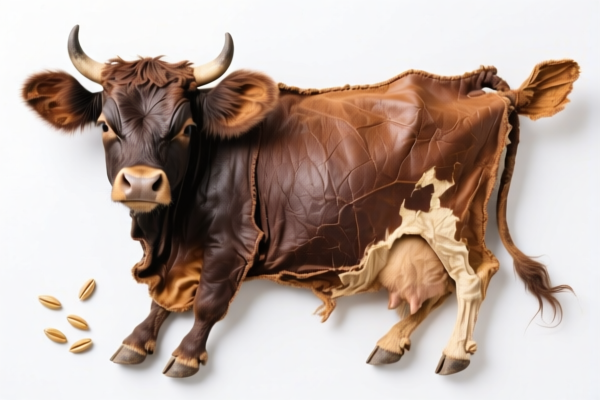
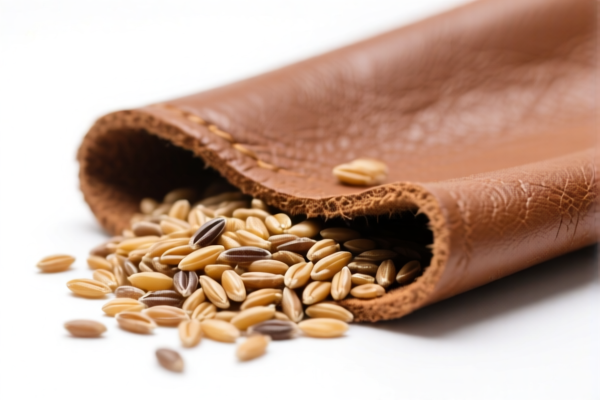

AI Analysis
🚗 Full Grain Cowhide for Automotive Interior
🌐 HS Code Reference & Customs Clearance Guide | 2026 Latest Tariff Breakdown | Professional Clearance Strategy
📌 Part I: Product Definition & Classification: Do You Truly Understand "Automotive Leather"?
Full grain cowhide intended for automotive interiors is a specialized leather material characterized by its durability, breathability, and premium aesthetic. In international trade, it is strictly categorized based on its final use and physical form. It is not merely "leather"; it is a functional component of a vehicle’s seating system.
Key Distinction in Trade:
- Automotive Interior Leather (Finished/Ready-to-Use): Leather specifically processed, finished, and often perforated for car seats. → 9401.99.10.10
- General Inner Lining/Siding Leather (Unspecified Use): General-purpose leather used for linings or other non-specified applications. → 4107.19.10.40 / 4107.11.10.40
- Composite or Decorative Leather: Leather bonded to other materials or featuring complex surface patterns. → 4115.10.00.00 / 4113.90.60.00 / 4113.90.30.00
⚠️ Critical Classification Point:
- If the leather is explicitly marketed and used for automotive seats/interiors, it falls under Chapter 94 (Furniture/Seats).
- If the use is general (e.g., lining bags, shoes, or unspecified garments), it falls under Chapter 41 (Leather).
- Misclassification here leads to massive tariff discrepancies (17.5% vs. 35-38.3%).
📦 Part II: HS Code Classification Matrix (2026 Latest Tariff Authority)
| HS Code | Product Description | Application Scenario | Tax Rate (Total) | Key Features |
|---|---|---|---|---|
9401.99.10.10 |
Genuine Leather for Automotive Interiors | Car seats, steering wheels, dashboard trims | 17.5% | Specific to automotive use; highest value clearance category |
4115.10.00.00 |
Composite Leather Base | Composite leather substrates, layered leather | 35.0% | Meets composite leather requirements; base layer form |
4113.90.60.00 |
Patterned/Decorative Leather | Floral, embossed, or complex surface patterns | 36.6% | "Fancy leather" characteristics; decorative finish |
4113.90.30.00 |
Other Processed Leather (Inner Lining) | General inner linings, further processed skins | 38.3% | Broad category; higher tax burden |
4107.19.10.40 |
Cowhide Inner Lining (General) | Unspecified lining use, general cowhide | 35.0% | "Lining leather" designated; no auto-specific claim |
4107.11.10.40 |
Full-Grain Cowhide Lining | Full-grain leather for general lining purposes | 35.0% | Full-grain but restricted to "lining" use only |
🔍 Important Reminder:
- Automotive Specificity is Key: Only9401.99.10.10carries the reduced rate of 17.5%. All other classifications assume general use, triggering higher base tariffs.
- Full-Grain vs. Lining: Even if the leather is "full grain," if it is classified as "lining" (Chapter 41) rather than "auto interior" (Chapter 94), the tariff jumps from 17.5% to 35%+.
- Composite vs. Solid: If the leather is bonded to a fabric or foam backing, it may fall under4115.10.00.00(35.0%).
💰 Part III: 2026 Latest Tariff Rate Breakdown (Including Surtaxes & Policy Add-ons)
✅ Applicable Country: United States (US)
✅ Origin: China (CN)
✅ Effective Date: November 10, 2025 (and subsequent imports)
🎯 1. 9401.99.10.10 — Genuine Leather for Automotive Interiors 🏆 Best Rate
| Item | Content |
|---|---|
| Base Tariff | 0.0% (ad valorem) |
| Section 301 / Surtax | +7.5% |
| Section 122 Tariff | +10.0% |
| Total Rate | 17.5% |
| Tax Calculation | CIF Value × 17.5% |
| De Minimis Exemption | ❌ Not Eligible (deny_de_minimis) |
| Legal Basis Path | Section 122 → USITC:9401.99.10.10 → Section 301 Footnote |
📌 Explanation:
- This is the most favorable classification for automotive leather.
- The base tariff is 0%, meaning the entire tax burden comes from surcharges.
- Total impact: 17.5%. This is significantly lower than general leather imports.
🎯 2. 4115.10.00.00 — Composite Leather Base
| Item | Content |
|---|---|
| Base Tariff | 0.0% |
| Section 301 / Surtax | +25.0% |
| Section 122 Tariff | +10.0% |
| Total Rate | 35.0% |
| Tax Calculation | CIF Value × 35.0% |
| De Minimis Exemption | ❌ Not Eligible |
| Legal Basis Path | Section 122 → USITC:4115.10.00.00 → Section 301 Footnote 9903.88.01 |
📌 Note:
- If your leather is a composite (leather + fabric/foam), it loses the automotive benefit.
- Total impact: 35.0%. Nearly double the cost of the auto-specific classification.
🎯 3. 4113.90.60.00 — Patterned/Decorative Leather
| Item | Content |
|---|---|
| Base Tariff | 1.6% |
| Section 301 / Surtax | +25.0% |
| Section 122 Tariff | +10.0% |
| Total Rate | 36.6% |
| Tax Calculation | CIF Value × 36.6% |
| De Minimis Exemption | ❌ Not Eligible |
| Legal Basis Path | Section 122 → USITC:4113.90.60.00 → Section 301 Footnote |
📌 Note:
- "Fancy leather" incurs a small base tariff (1.6%) before surcharges.
- Total impact: 36.6%. High-cost category for decorative leathers.
🎯 4. 4113.90.30.00 — Other Processed Leather (Inner Lining)
| Item | Content |
|---|---|
| Base Tariff | 3.3% |
| Section 301 / Surtax | +25.0% |
| Section 122 Tariff | +10.0% |
| Total Rate | 38.3% 🚫 Highest Rate |
| Tax Calculation | CIF Value × 38.3% |
| De Minimis Exemption | ❌ Not Eligible |
| Legal Basis Path | Section 122 → USITC:4113.90.30.00 → Section 301 Footnote |
📌 Warning:
- This is the most expensive classification.
- Avoid this unless the product truly fits the broad "other processed leather" definition with no better fit.
🎯 5. & 6. 4107.19.10.40 & 4107.11.10.40 — General Cowhide Linings
| Item | Content |
|---|---|
| Base Tariff | 0.0% |
| Section 301 / Surtax | +25.0% |
| Section 122 Tariff | +10.0% |
| Total Rate | 35.0% |
| Tax Calculation | CIF Value × 35.0% |
| De Minimis Exemption | ❌ Not Eligible |
| Legal Basis Path | Section 122 → USITC:4107.xx.xx.xx → Section 301 Footnote |
📌 Note:
- Even if the leather is "full grain" (4107.11), if it is classified as "lining" (4107.11.10.40), the rate is 35.0%.
- No base tariff, but heavy surcharges apply.
🛠️ Part IV: Customs Clearance Practical Advice (Avoid Pitfalls)
✅ 1. Documentation Checklist (Non-Negotiable)
| Document | Required? | Description |
|---|---|---|
| ✅ Product Specification Sheet | ✔️ | Must clearly state "For Automotive Interior Use" (e.g., "Automotive Seat Cover") |
| ✅ Technical Data Sheet | ✔️ | Includes thickness, perforation status, breathability, flammability ratings (FMVSS 302) |
| ✅ Product Photos | ✔️ | Show the leather’s grain, finish, and any automotive-specific markings (e.g., ISO tags) |
| ✅ Commercial Invoice | ✔️ | Must use precise terminology: "Genuine Leather for Automotive Interiors" |
| ✅ Certificate of Origin (CO) | ✔️ | Essential for proving China origin (triggers surcharges) |
| ✅ Packaging List | ✔️ | Detail weight, dimensions, and quantity |
✅ 2. Declaration Tips (Key Mantra)
🔥 “Declare Auto-Use, Not General Lining; 17.5% vs 38% is the Game Changer!”
| Scenario | Correct Declaration | Incorrect Declaration | Consequence |
|---|---|---|---|
| Automotive Leather | 9401.99.10.10 – "Leather for Car Seats" |
4107.11.10.40 – "Cowhide Lining" |
+17.5% extra tax! |
| Composite Auto Leather | 4115.10.00.00 – "Composite Leather for Auto" |
9401.99.10.10 – "Genuine Auto Leather" |
Possible audit/penalty if not composite |
| Patterned Decorative Leather | 4113.90.60.00 – "Fancy Patterned Leather" |
4113.90.30.00 – "Other Processed Leather" |
+1.7% extra tax |
✅ 3. Special Cases Handling
| Situation | Handling Advice |
|---|---|
| OEM Custom Auto Leather | Provide customer purchase orders and design specs to prove "auto-specific" processing |
| Leather with Automotive Certifications | Include FMVSS 302 flammability test reports to support 9401.99.10.10 classification |
| Mixed Shipments (Auto + General) | Do NOT mix. Ship separately. Mixing auto and general lining leather will trigger the highest rate for the entire batch if not clearly segregated. |
| Composite Leather (Auto Use) | If leather is bonded to foam/fabric, it may NOT qualify for 9401.99.10.10. Use 4115.10.00.00 (35.0%) instead. |
🌍 Part V: Global Market Comparison (2026 Latest)
| Country/Region | Recommended HS Code | Tariff Rate (China Origin) | Key Certifications | Notes |
|---|---|---|---|---|
| 🇺🇸 USA | 9401.99.10.10 |
17.5% | FMVSS 302, ISO 9001 | Highest risk of misclassification; strict enforcement |
| 🇨🇳 China | 4107.11.10.40 / 9401 |
5-10% (varies) | CCC (if finished goods) | No Section 122/301 surcharges |
| 🇪🇺 EU | 4107.11 / 9401 |
0-12% (varies) | REACH, REACH SVHC | No US-style surcharges; focus on chemical compliance |
| 🇬🇧 UK | 4107.11 / 9401 |
0-12% | UKCA, REACH | Post-Brexit rules apply; similar to EU |
| 🇨🇦 Canada | 4107.11 / 9401 |
0-10% | NAPS | CUSMA benefits may apply if processed in US/Mexico |
📌 Conclusion:
- USA is the ONLY market with aggressive Section 122 and Section 301 surcharges.
- Correct classification (9401.99.10.10) saves 17.5-20.8% in taxes compared to general leather categories.
- China-origin automotive leather faces high tariffs even with correct classification.
📌 Part VI: Common Errors & Pitfalls (Lessons Learned)
❌ Error 1: Declaring automotive leather as "General Cowhide Lining" (4107.11.10.40)
👉 Consequence: Tax jumps from 17.5% to 35.0% → Double the cost!
❌ Error 2: Mixing "Auto Leather" and "Shoe Lining Leather" in one shipment
👉 Consequence: CBP may audit the entire shipment, applying the highest rate (38.3%) to all goods.
❌ Error 3: Using vague descriptions like "Leather for Interior"
👉 Consequence: CBP may reject the "Auto" classification and revert to general leather rates.
❌ Error 4: Assuming all "Full Grain" leather is the same
👉 Consequence: Full grain for shoes (4107.11.10.40) is 35.0%. Full grain for cars (9401.99.10.10) is 17.5%. Use case defines tax.
✅ Correct Practice:
"Full Grain Cowhide Leather, Perforated, Flame Retardant, Specifically Processed for Automotive Seat Upholstery, Model XYZ, FMVSS 302 Certified"
🎯 Part VII: Conclusion: Precision Saves Money!
🎯 Remember the Mantra:
🔹 "Auto Use is Key: 17.5% vs 35%+."
🔹 "Don't Let General Lining Rates Apply to Your Premium Auto Leather."
🔹 "Document the Use, Not Just the Material."
📌 Pro Tip:
If your leather is processed in Vietnam, Mexico, or Thailand, you may qualify for IEEPA exemptions or lower tariffs. However, for China-origin goods, the surcharges are mandatory.
Recommendation: Apply for a Customs Ruling (CBP Ruling) before shipment to lock in the 9401.99.10.10 classification and avoid post-clearance audits.
📣 Immediate Action:
📞 Contact your customs broker + Provide product specs + Request CBP Ruling for
9401.99.10.10
🚀 Ensure smooth customs clearance, avoid surprise tariffs, and protect your profit margins!
✨ Professional Clearance Starts with Accurate Classification!
💼 Every percentage point in tax is a point in your bottom line!
Customer Reviews
About HS Code Classification
The Harmonized System (HS) is an internationally standardized nomenclature developed by the World Customs Organization (WCO) to classify traded products. Over 200 countries use the HS system as the basis for customs tariffs, trade statistics, and import/export regulations.
Each HS code follows a hierarchical structure:
- Chapter (2 digits) — Broad category of goods (e.g., Chapter 84: Machinery and Mechanical Appliances)
- Heading (4 digits) — More specific grouping within the chapter
- Subheading (6 digits) — Internationally standardized breakdown, used by all WCO member countries
- National subdivisions (8-10 digits) — Country-specific extensions for further classification, such as US HTSUS 10-digit codes
Correct HS code classification is essential for smooth customs clearance, accurate duty payment, and compliance with trade regulations. Misclassification can lead to customs delays, overpayment of duties, or penalties.
When importing from CN to US, the applicable tariff rates may include:
- Most-Favored-Nation (MFN) rate — The standard duty rate applied to WTO members
- General rate — Applied to countries without trade agreements
- Trade remedy duties — Additional tariffs such as Section 301 (anti-dumping), Section 232 (national security), or countervailing duties
The information provided on this page is for reference purposes only. For official classification, please consult with your local customs authority or a licensed customs broker.