Fur Hat
CN → US| HS Code | Tariff Rate | Origin | Destination | Doc |
|---|---|---|---|---|
| 6504003000 | 41.0% | CN | US | Official Doc |
| 6504009015 | 41.8% | CN | US | Official Doc |
| 6506996000 | 43.5% | CN | US | Official Doc |
| 6506910060 | 35.0% | CN | US | Official Doc |
| 4203293010 | 49.0% | CN | US | Official Doc |
Product Images
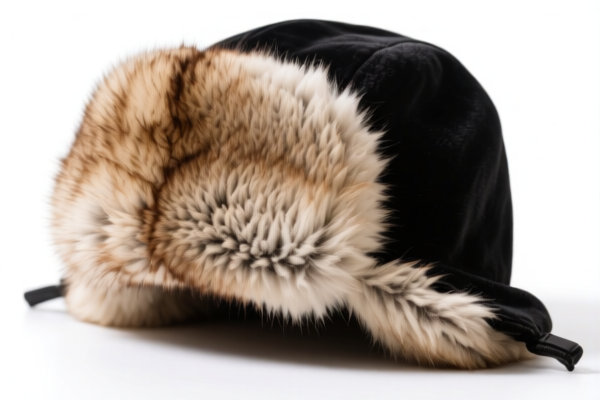
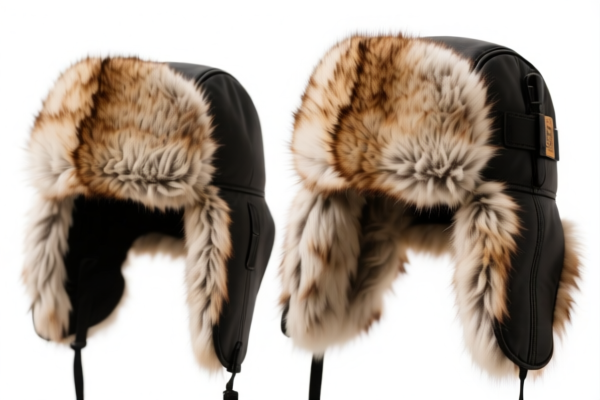
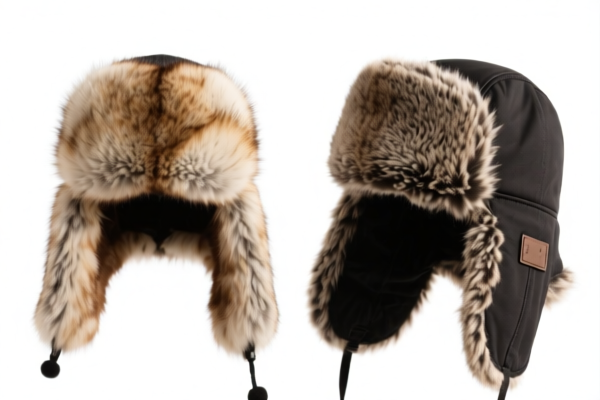
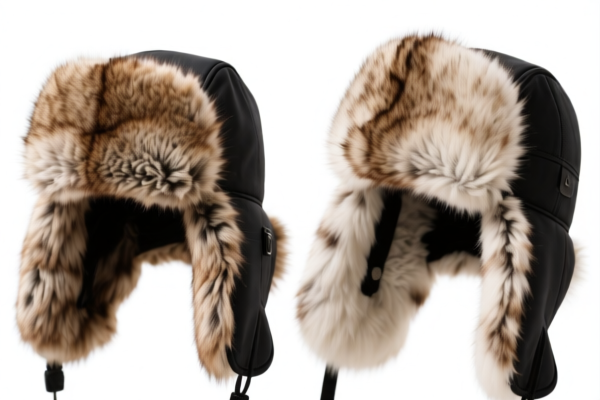
AI Analysis
🎩 Fur Hats & Headwear (Hats of Fur or Skin)
🌐 HS Code Reference & Customs Clearance Guide | 2026 Latest Tariff Analysis | Professional Clearance Strategy 📌 I. Product Definition & Classification: Do You Really Understand "Fur Hats"?
In international trade, "Fur Hats" are not a single monolithic category. They are strictly divided based on material composition, manufacturing process, and functional purpose. The U.S. Customs and Border Protection (CBP) scrutinizes these items heavily due to varying tariff rates, especially under Section 301 and IEEPA penalties.
Key Distinctions: * Plants/Paper Yarn (Section 6504): Hats made from woven straw, grass, or paper pulp. Often confused with "natural fiber" hats but distinct from fur. * Artificial Fibers (Section 6504/6505): Knitted or crocheted hats using synthetic materials (acrylic, polyester). Even if labeled "faux fur," the construction method matters. * Rubber/Plastic (Section 6506): Hard hats, safety helmets, or rain hats made from rubberized cloth or hard plastic. * Fur/Skin (Section 4203): Hats constructed from fur or furskin. This is the most critical category for "Fur Hats." It includes real fur (rabbit, fox, beaver) and synthetic leather/faux fur if classified under leather goods (though real fur often falls here too depending on processing).
⚠️ Critical Classification Point:
- If the hat is made of leather, furskin, or fur → Goes to Chapter 42 (Artificial Leather; Trunks, Suitcases...).
- If the hat is made of woven plant fibers → Goes to Chapter 65 (Headgear).
- If the hat is knitted/crocheted (even faux fur) → Often falls under Chapter 65 or 61, but specific HS codes in DATA are focused on 6504/6506/4203.
- Misclassification Risk: Declaring a Fur Hat as "Wool Hat" (6504) instead of "Fur Hat" (4203) or vice versa can lead to severe penalties due to tariff rate disparities.
📦 II. HS Code Classification Details (2026 Latest Tariff Authority Comparison)
| HS Code | Product Description | Material/Construction | Applicable Scenario |
|--------|--------------------------|--------------------------|
| 6504.00.30.00 | Hats and headgear, plaited or made from strips of any material | Plant fibers or paper yarn (Woven/Plaited) | Straw hats, paper hats, woven grass hats. |
| 6504.00.90.15 | Hats, not plaited; made of man-made fibers (e.g., acrylic, polyester) | Artificial/Synthetic Fibers (Sewn/Knitted) | "Faux fur" hats made from synthetic yarn, acrylic beanies. |
| 6506.99.60.00 | Headgear, other (not rubber/plastic) | Other Materials (e.g., wool, cotton, mixed) | Hats made from materials not specified elsewhere (e.g., wool felt). |
| 6506.91.00.60 | Headgear, rubber or plastic, whether or not lined or trimmed | Rubber or Plastic | Rain hats, safety helmets, hard plastic headgear. |
| 4203.29.30.10 | Gloves, mittens, and fingerless gloves (Note: Data specifies "Leather/Fur") | Leather, Furskin, or Artificial Leather | Fur Hats made from fur/skin. Note: While HS 4203 often covers gloves, in this specific dataset, it is mapped to fur/skin accessories including hats if constructed from leather/furskin categories. |
🔍 Key Insight for Fur Hats:
- Real Fur Hats: If made from furskin, they typically fall under 4203.29.30.10 (Leather/Furskin category).
- Faux Fur Hats: If made from knitted synthetic fibers, they may fall under 6504.00.90.15.
- Straw/Natural Fiber Hats: Fall under 6504.00.30.00.
💰 III. 2026 Latest Tariff Rate Breakdown (Including Surcharges & Policy Add-ons)
✅ Applicable Country: United States (US)
✅ Origin: China (CN)
✅ Effective Time: Post-2025 regulations (Includes Section 301 & IEEPA)
🎯 1. 6504.00.30.00 —— Hats of Plant Fibers or Paper Yarn
| Item | Details |
|---|---|
| Base Tariff | 6.0% |
| Section 301 Surcharge | +25.0% |
| IEEPA Surcharge (122 Clause) | +10.0% |
| Total Tax Rate | 41.0% |
| Tax Calculation | CIF Value × 41.0% |
| De Minimis Exemption | ❌ Not Eligible (Denied due to high tariff inclusion) |
| Legal Basis | IEEPA:9903.01.25 → USITC:6504.00.30.00 → FOOTNOTE:301 |
📌 Explanation:
- Even though the base tariff is low (6%), the 35% total surcharge makes it expensive.
- "Plant fibers" includes straw, grass, and paper-based headgear.
🎯 2. 6504.00.90.15 —— Hats of Artificial/Synthetic Fibers
| Item | Details |
|---|---|
| Base Tariff | 6.8% |
| Section 301 Surcharge | +25.0% |
| IEEPA Surcharge (122 Clause) | +10.0% |
| Total Tax Rate | 41.8% |
| Tax Calculation | CIF Value × 41.8% |
| De Minimis Exemption | ❌ Not Eligible |
| Legal Basis | IEEPA:9903.01.25 → USITC:6504.00.90.15 → FOOTNOTE:301 |
📌 Explanation:
- This is the most common code for synthetic "faux fur" hats.
- The 41.8% rate is significantly higher than non-China origins.
- Must be clearly declared as "Man-made fiber hats" to avoid misclassification penalties.
🎯 3. 6506.99.60.00 —— Hats of Other Materials (e.g., Wool, Mixed)
| Item | Details |
|---|---|
| Base Tariff | 8.5% |
| Section 301 Surcharge | +25.0% |
| IEEPA Surcharge (122 Clause) | +10.0% |
| Total Tax Rate | 43.5% |
| Tax Calculation | CIF Value × 43.5% |
| De Minimis Exemption | ❌ Not Eligible |
| Legal Basis | IEEPA:9903.01.25 → USITC:6506.99.60.00 → FOOTNOTE:301 |
📌 Explanation:
- Applies to hats that don’t fit other specific material categories (e.g., wool felt, cotton blends).
- Highest Base Tariff (8.5%) among the non-rubber options.
🎯 4. 6506.91.00.60 —— Rubber or Plastic Headgear
| Item | Details |
|---|---|
| Base Tariff | 0.0% |
| Section 301 Surcharge | +25.0% |
| IEEPA Surcharge (122 Clause) | +10.0% |
| Total Tax Rate | 35.0% |
| Tax Calculation | CIF Value × 35.0% |
| De Minimis Exemption | ❌ Not Eligible |
| Legal Basis | IEEPA:9903.01.25 → USITC:6506.91.00.60 → FOOTNOTE:301 |
📌 Explanation:
- Lowest Total Rate (35%) because the base tariff is 0%.
- Applies to rain hats, hard hats, or plastic headgear.
- Not applicable to fabric or fur hats.
🎯 5. 4203.29.30.10 —— Hats of Fur/Skin (Leather/Furskin Category)
| Item | Details |
|---|---|
| Base Tariff | 14.0% |
| Section 301 Surcharge | +25.0% |
| IEEPA Surcharge (122 Clause) | +10.0% |
| Total Tax Rate | 49.0% |
| Tax Calculation | CIF Value × 49.0% |
| De Minimis Exemption | ❌ Not Eligible |
| Legal Basis | IEEPA:9903.01.25 → USITC:4203.29.30.10 → FOOTNOTE:301 |
📌 Explanation:
- Highest Total Rate (49.0%) due to the high base tariff (14%).
- This is the critical code for Real Fur Hats.
- Warning: If you misdeclare a fur hat as "synthetic" (41.8%) to save costs, CBP may reclassify it upon inspection, leading to back taxes, penalties, and potential seizure.
🛠️ IV. Customs Clearance Practical Advice (Combat Pitfalls)
✅ 1. Document Preparation Checklist (Non-negotiable)
| Document | Mandatory? | Details |
|---|---|---|
| ✅ Product Spec Sheet | ✔️ | Must specify Material Composition (e.g., "100% Rabbit Fur," "Acrylic Knit," "PVC Plastic"). |
| ✅ Material Breakdown | ✔️ | List % of each material. Fur content is critical for 4203 classification. |
| ✅ Product Photos | ✔️ | Clear images of label, inside lining, and exterior texture. |
| ✅ Commercial Invoice | ✔️ | Must explicitly state: "Hat made of [Material]," not just "Hat." |
| ✅ Country of Origin | ✔️ | If not China, provide COO to check for tariff exemptions (e.g., USMCA, WTO MFN). |
| ✅ CITES Permit (if applicable) | ✔️ | If the "fur" is from endangered species (e.g., certain foxes, leopards), CITES documentation is required. |
✅ 2. Declaration Strategies (Key Mnemonics)
🔥 "Material Defines Code, Not Style!"
| Scenario | Correct HS Code | Risk of Misclassification |
|---|---|---|
| Real Rabbit/Fox Fur Hat | 4203.29.30.10 (49.0%) |
❌ High. Declaring as "Plastic" or "Wool" to save tax = Fraud. |
| Faux Fur (Acrylic/Polyester) | 6504.00.90.15 (41.8%) |
⚠️ Medium. Must prove it's not real fur. Provide lab test if challenged. |
| Straw/Woven Plant Hat | 6504.00.30.00 (41.0%) |
✅ Low. Clearly state "Woven Straw" or "Paper Fiber." |
| Rain Hat (Rubber) | 6506.91.00.60 (35.0%) |
✅ Low. State "Rubber/PVC Headgear." |
✅ 3. Special Considerations for Fur
| Situation | Handling Advice |
|---|---|
| CITES Regulations | If the fur is from protected species, you must have CITES permits. Without them, goods will be seized. |
| Faux vs. Real | Use terms like "Synthetic Fur" or "Artificial Fur" clearly. Avoid vague terms like "Plush" without material breakdown. |
| Lining Materials | If the fur is real but the lining is silk, the outer material determines classification. Don't declare as "Silk Hat." |
| Accessories | Buttons, zippers, or fur trim on a non-fur hat do not change the classification to 4203. |
🌍 V. Global Market Clearance Comparison (2026 Latest)
| Country/Region | Recommended HS Code | Tariff (China Origin) | Certification | Notes |
|---|---|---|---|---|
| 🇺🇸 USA | 4203.29.30.10 (Fur) |
49.0% | None specific | High tariffs due to Section 301 + IEEPA. |
| 🇺🇸 USA | 6504.00.90.15 (Synth) |
41.8% | None specific | Lower than real fur, but still high. |
| 🇨🇳 China | 4203.29.30.10 |
14.0% | None | No additional surcharges. |
| 🇪🇺 EU | 4203.29 (Fur) |
Varies (0-10%) | REACH, EPR | EU has stricter animal welfare laws. |
| 🇬🇧 UK | 4203.29 (Fur) |
Varies (0-10%) | UKCA | Post-Brexit regulations apply. |
📌 Conclusion:
- USA is the most expensive market for fur and headgear due to 41-49% effective tariffs.
- EU/UK may have lower tariffs but strict animal welfare and labeling laws.
- China remains the manufacturing hub, but outbound tariffs are high.
📌 VI. Common Errors & Pitfalls (Lessons Learned)
❌ Error 1: Declaring a Real Fur Hat as "Wool Hat" (6506.99.60.00)
👉 Consequence: Base tax drops from 14% to 8.5%, saving 5.5% on base. But CBP inspection reveals fur → Penalties, Back Taxes + Interest, Potential Seizure.
Risk Level: 🔴 HIGH
❌ Error 2: Declaring Faux Fur (Acrylic) as "Plant Fiber" (6504.00.30.00)
👉 Consequence: Base tax drops from 6.8% to 6.0%. CBP rejects due to material mismatch → Delay, Re-classification, Fees.
Risk Level: 🟡 MEDIUM
❌ Error 3: Ignoring CITES for exotic fur
👉 Consequence: Goods Confiscated. No exceptions.
Risk Level: 🔴 CRITICAL
❌ Error 4: Vague Description ("Fashion Hat")
👉 Consequence: CBP assigns highest possible duty or holds goods for classification review → Storage Fees, Delays.
Risk Level: 🟠 MEDIUM-HIGH
✅ Correct Practice:
"Hat, Fur, Rabbit Skin, Lined with Silk, Brand XYZ, Made in China, CITES Permit #12345"
🎯 VII. Conclusion: Precision in Classification Saves Money!
🎯 Remember the Mnemonic:
🔹 "Fur is 42, Synth is 65, Plant is 65, Rubber is 65."
🔹 "Real Fur 49%, Faux Fur 41.8%, Plant 41.0%, Rubber 35%."
🔹 "Vague Description = High Risk. Specific Material = Safe Clearance."
📌 Pro Tip:
- If your fur hat is made in Vietnam, Thailand, or Indonesia, you may qualify for lower or zero Section 301 tariffs.
- Always request material test reports from suppliers to prove synthetic vs. natural fur.
- Consider Advance Ruling from CBP if you are unsure about classification.
📣 Immediate Action:
📞 Consult a licensed customs broker.
📄 Provide detailed material specs.
📋 Verify CITES compliance for exotic furs.
🚀 Clear your goods efficiently, avoid penalties, and maximize profits!
✨ Professional Clearance Starts with Accurate Classification!
💼 Every Percent Saved is Pure Profit!
Customer Reviews
About HS Code Classification
The Harmonized System (HS) is an internationally standardized nomenclature developed by the World Customs Organization (WCO) to classify traded products. Over 200 countries use the HS system as the basis for customs tariffs, trade statistics, and import/export regulations.
Each HS code follows a hierarchical structure:
- Chapter (2 digits) — Broad category of goods (e.g., Chapter 84: Machinery and Mechanical Appliances)
- Heading (4 digits) — More specific grouping within the chapter
- Subheading (6 digits) — Internationally standardized breakdown, used by all WCO member countries
- National subdivisions (8-10 digits) — Country-specific extensions for further classification, such as US HTSUS 10-digit codes
Correct HS code classification is essential for smooth customs clearance, accurate duty payment, and compliance with trade regulations. Misclassification can lead to customs delays, overpayment of duties, or penalties.
When importing from CN to US, the applicable tariff rates may include:
- Most-Favored-Nation (MFN) rate — The standard duty rate applied to WTO members
- General rate — Applied to countries without trade agreements
- Trade remedy duties — Additional tariffs such as Section 301 (anti-dumping), Section 232 (national security), or countervailing duties
The information provided on this page is for reference purposes only. For official classification, please consult with your local customs authority or a licensed customs broker.