Fur Outdoor Hood
CN → US| HS Code | Tariff Rate | Origin | Destination | Doc |
|---|---|---|---|---|
| 6201902960 | 20.3% | CN | US | Official Doc |
| 6201201120 | 0.0% | CN | US | Official Doc |
| 4303100030 | 39.0% | CN | US | Official Doc |
| 4303100060 | 39.0% | CN | US | Official Doc |
| 6102300500 | 22.8% | CN | US | Official Doc |
Product Images
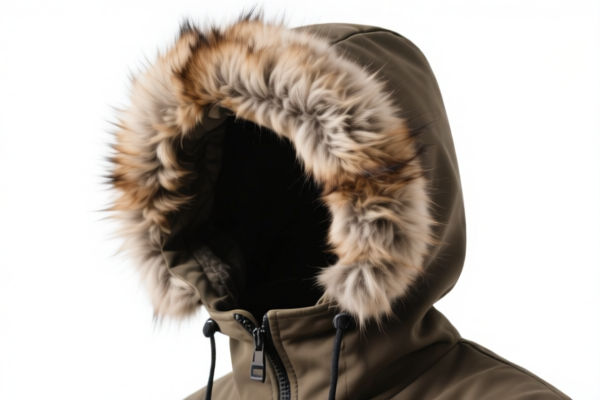
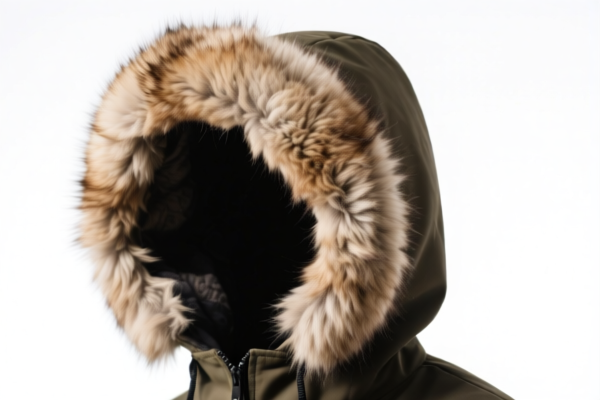
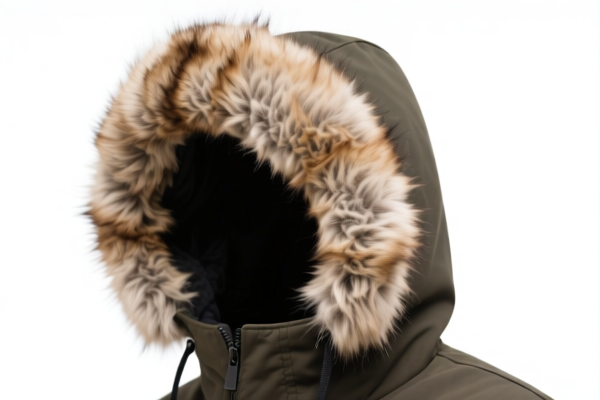
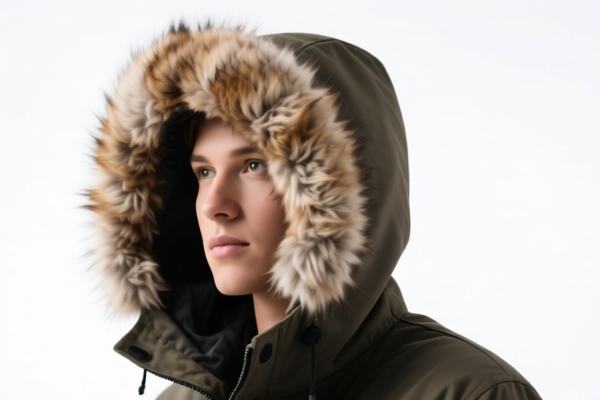
AI Analysis
🧥 Fur Outdoor Hood (Fur Trim/Hood for Outerwear)
🌐 HS Code Reference & Customs Clearance Guide | 2026 Latest Tariff Analysis | Professional Clearance Strategy
📌 I. Product Definition & Classification: What Exactly is a "Fur Outdoor Hood"?
A "Fur Outdoor Hood" is not a standalone article of clothing but rather a component or accessory, typically attached to winter outerwear (coats, parkas, anoraks). However, in international trade and customs classification, its treatment depends heavily on material composition and form.
Crucial Distinction: 1. Pure Fur Hood: A hood made entirely or predominantly of fur (animal hair/skin). This is often treated as a "Garment" or "Fur Article" depending on construction. 2. Fabric Hood with Fur Trim: A fabric hood (knitted/woven) with fur attached. This may fall under the base fabric category (Knitted/Woven Garments) with specific notes for fur trim.
⚠️ Key Classification Logic: - If the hood is predominantly fur (skin/hair side facing out), it often falls under Chapter 43 (Furskins and Articles of Furskin). - If the hood is textile-based (knitted or woven) with fur as a trim, it often falls under Chapter 61 (Knitted/Crocheted Articles) or Chapter 62 (Non-Knitted/Woven Articles). - The origin of the fur (e.g., mink, fox, rabbit, "other") and the type of fabric significantly impact the HS Code and tax rate.
📦 II. HS Code Classification Details (2026 Latest Tariff Authority Mapping)
Based on the provided dataset for "Fur Garments/Hoods," here are the applicable HS Codes, summaries, and tax structures.
| HS Code | Product Description | Applicable Scenario | Material/Form Logic | Total Tax Rate* |
|---|---|---|---|---|
4303.10.00.30 |
Fur Skin Garments | Fur hoods/clothing where fur is the primary material. | "Other" fur garments. Includes hoods made primarily of fur skins. | 39.0% |
4303.10.00.60 |
Fur Skin Garments (Other) | Fur hoods not specifically identified as mink. | Unspecified fur types. "Other" category within fur skins. | 39.0% |
6201.90.29.60 |
Woven Fur Outerwear | Fur coats/outerwear made of special animal hair/fur fabrics. | Non-knitted. "Other textile materials/other fibers fallback." | 20.3% |
6201.20.11.20 |
Woven Fur Outerwear | Fur coats/outerwear made of fine animal hair (e.g., cashmere blend with fur). | Woven category. Logical fit for "Garment" classification. | 41¢/kg + 33.8% |
6102.30.05.00 |
Knitted Fur Outerwear | Fur-lined or fur-trimmed knit coats/hoods. | Knitted/Crocheted. Contains leather/fur components. | 22.8% |
🔍 Critical Note: - Chapter 43 Codes (
4303...): Apply when the item is primarily considered a fur article (skin/hair). These carry the highest base tariffs (25% additional + 10% IEEPA + 4% base = 39%). - Chapter 61/62 Codes: Apply when the item is primarily a textile garment (knit/woven) that may have fur lining, trim, or be made of fur fabric but classified under textile rules. These generally have lower additional tariffs (10% IEEPA + 7.5% Section 301 + base).
💰 III. 2026 Latest Tariff Rate Breakdown (Including Surtaxes)
✅ Applicable Country: United States (US)
✅ Origin: China (CN)
✅ Effective Time: 2025/2026 Tariff Schedule
🎯 1. 4303.10.00.30 & 4303.10.00.60 —— Fur Garments (High Duty)
| Item | Detail |
|---|---|
| Base Tariff | 4.0% (ad valorem) |
| Section 301 Surtax | +25.0% |
| IEEPA Surtax | +10.0% (China-specific) |
| Total Tax Rate | 39.0% |
| Tax Calculation | CIF Value × 39.0% |
| De Minimis Exemption? | ❌ NO (deny_de_minimis) |
| Legal Basis | IEEPA:9903.01.24 → USITC:4303.10.00.30/.60 |
📌 Explanation: - Fur articles are classified under Chapter 43. - They are subject to the 25% Section 301 tariff (List 3/4B) and 10% IEEPA tariff. - Total effective rate is 39%. This is a high-duty classification. No de minimis (Section 321) exemption applies.
🎯 2. 6201.90.29.60 —— Woven Fur/Textile Outerwear (Moderate Duty)
| Item | Detail |
|---|---|
| Base Tariff | 2.8% (ad valorem) |
| Section 301 Surtax | +7.5% |
| IEEPA Surtax | +10.0% |
| Total Tax Rate | 20.3% |
| Tax Calculation | CIF Value × 20.3% |
| De Minimis Exemption? | ❌ NO (deny_de_minimis) |
| Legal Basis | IEEPA:9903.01.24 → USITC:6201.90.29.60 |
📌 Explanation: - Classified under Chapter 62 (Non-knitted garments). - Subject to 7.5% Section 301 (if eligible under specific textile/fur fabric rules) and 10% IEEPA. - Total effective rate is 20.3%. Significantly lower than Chapter 43.
🎯 3. 6201.20.11.20 —— Woven Fur (Animal Hair) (Mixed Duty)
| Item | Detail |
|---|---|
| Base Tariff | 41¢/kg (Specific) + 16.3% (Ad Valorem) |
| Section 301 Surtax | +7.5% |
| IEEPA Surtax | +10.0% |
| Total Tax Rate | 41¢/kg + 33.8% |
| Tax Calculation | (Weight × $0.41) + (CIF Value × 33.8%) |
| De Minimis Exemption? | ❌ NO (deny_de_minimis) |
| Legal Basis | IEEPA:9903.01.24 → USITC:6201.20.11.20 |
📌 Explanation: - Specific duty per kg + ad valorem. - Applies to fine animal hair garments. - Total effective rate is high due to the specific duty component.
🎯 4. 6102.30.05.00 —— Knitted Fur Outerwear (Lower Duty)
| Item | Detail |
|---|---|
| Base Tariff | 5.3% (ad valorem) |
| Section 301 Surtax | +7.5% |
| IEEPA Surtax | +10.0% |
| Total Tax Rate | 22.8% |
| Tax Calculation | CIF Value × 22.8% |
| De Minimis Exemption? | ❌ NO (deny_de_minimis) |
| Legal Basis | IEEPA:9903.01.24 → USITC:6102.30.05.00 |
📌 Explanation: - Classified under Chapter 61 (Knitted). - Subject to 7.5% Section 301 and 10% IEEPA. - Total effective rate is 22.8%.
🛠️ IV. Customs Clearance Practical Advice (Real-World Pitfall Guide)
✅ 1. Documentation Checklist (Mandatory)
| Document | Required | Notes |
|---|---|---|
| ✅ Product Specification Sheet | ✔️ | Must detail: Is it pure fur, fur-lined, or fur-trimmed? Material breakdown (%) |
| ✅ Photos of Finished Goods | ✔️ | Clear images showing the hood attached to a coat, and close-ups of the fur texture/label |
| ✅ Bill of Lading / Air Waybill | ✔️ | Consistent with invoice |
| ✅ Commercial Invoice | ✔️ | Accurate description: e.g., "Fur Hood Trim for Parka, 100% Fox Fur" vs. "Knitted Hood with Fur Trim" |
| ✅ CITES Permit (if applicable) | ✔️ | CRITICAL if fur is from endangered species (e.g., certain foxes, minks may require permits). Non-compliance = Seizure |
| ✅ Certificate of Origin | ✔️ | To prove CN origin for tariff calculation |
✅ 2. Declaration Strategy (Key Mantras)
🔥 "Material Determines Code, Trim Doesn't Lie!"
| Scenario | Correct Declaration | Incorrect Action | Consequence |
|---|---|---|---|
| Pure Fur Hood | 4303.10.00.30/.60 |
Declare as "Textile Hood" | Audit Risk: High. Misclassification. |
| Knitted Hood with Fur Trim | 6102.30.05.00 |
Declare as "Fur Garment" | Overpayment: 22.8% vs 39%. |
| Woven Coat with Fur Hood | 6201.90.29.60 |
Split into "Coat" + "Hood" | Penalty: Incorrect unitization. |
| Fur Fabric Hood | 6201.90.29.60 |
Declare as "Leather Good" | Wrong Chapter: Leather (41) vs Textile/Fur (43/62). |
✅ 3. Special Considerations
| Situation | Advice |
|---|---|
| CITES Compliance | Even if the HS Code is 6102, if the fur is regulated, you must declare the species and provide CITES permits. Failure = Customs seizure + fines. |
| Detachable vs. Attached | If the hood is detachable and shipped separately, it may be classified as an accessory (6117.10.00 or 6217.10.00), but still subject to surtaxes. However, datasets provided focus on garment classifications (4303, 6102, 6201). Stick to the provided codes if it's a primary garment component. |
| Synthetic Fur | If "Fur" is synthetic (faux fur), it falls under Chapter 57 or 61/62 as textile, NOT Chapter 43. Tax rates will be different (often lower). Ensure you are not misdeclaring synthetic as real fur. |
| De Minimis Waiver | ❌ No Section 321 (De Minimis) Exemption for these goods. All shipments from China are subject to full duty payment, regardless of value. |
🌍 V. Global Market Comparison (2026 Update)
| Market | Recommended HS Code | Est. Duty Rate | Key Requirements | Notes |
|---|---|---|---|---|
| 🇺🇸 USA | 4303.10.00.30 / 6102.30.05.00 |
20.3% - 39.0% | CITES, Detailed Material | High surtaxes. No de minimis. |
| 🇨🇳 China | 4303.10.00.30 / 6102.30.05.00 |
10% - 14% | Standard Invoice | No Section 301. |
| 🇪🇺 EU | 4303.10 / 6102.30 |
12% - 16% | CITES, REACH | No IEEPA/301. |
| 🇨🇦 Canada | 4303.10 / 6102.30 |
15% - 20% | CITES | NAFTA/USMCA benefits may apply if origin is NA. |
📌 Conclusion: - USA is the most complex market for fur due to layered tariffs (Base + 301 + IEEPA). - Chapter 43 (Pure Fur) is the most expensive route. - Chapter 61/62 (Textile-based with fur) offers cost savings if the product structure allows.
📌 VI. Common Errors & Pitfalls (Blood & Tears Lessons)
❌ Error 1: Declaring a Fur Hood as a Textile Accessory (6117) to avoid 39% duty.
👉 Consequence: Customs may reclassify it as a garment or fur article based on principal use/value. Penalty + Back Duties.
❌ Error 2: Ignoring CITES Regulations.
👉 Consequence: Seizure of goods. Fines up to $10,000+ per violation. Even if HS Code is correct, missing CITES = Stop.
❌ Error 3: Assuming De Minimis applies because the hood is small/cheap.
👉 Consequence: Rejected Entry. Fur articles from China are explicitly excluded from Section 321. Duty must be paid.
❌ Error 4: Misidentifying Synthetic Fur as Real Fur.
👉 Consequence: Incorrect HS Code. Synthetic fur is often taxed lower. Over-declaring as real fur leads to unnecessary high duties and potential regulatory scrutiny if permits are falsely claimed.
✅ Correct Approach:
"Knitted Hood with Fox Fur Trim, 100% Wool Base, 10% Fox Fur. HS: 6102.30.05.00. CITES Permit Attached."
🎯 VII. Conclusion: Professional Declaration, Save Costs!
🎯 Remember the Mantra:
🔹 "Fur Skin = Ch.43 (39%) | Textile Base = Ch.61/62 (20-23%) | No De Minimis!"
🔹 "CITES or Bust: Always check endangered species status!"
🔹 "Don't Split Hoods: Declare as part of garment if attached!"
📌 Pro Tip:
If your fur hood is detachable and you can prove it is an accessory (not a garment), consider if 6117.10.00 or 6217.10.00 is applicable. However, based on the provided data, the garment classifications are primary. Always consult a licensed customs broker for pre-classification rulings.
📣 Immediate Action:
📞 Contact Customs Broker + Provide Material Breakdown + Verify CITES Status
🚀 Clear Customs Smoothly, Avoid Seizure, Maximize Profit!
✨ Professional Clearance Starts with Accurate Classification!
💼 Every Percent of Duty Counts!
Customer Reviews
About HS Code Classification
The Harmonized System (HS) is an internationally standardized nomenclature developed by the World Customs Organization (WCO) to classify traded products. Over 200 countries use the HS system as the basis for customs tariffs, trade statistics, and import/export regulations.
Each HS code follows a hierarchical structure:
- Chapter (2 digits) — Broad category of goods (e.g., Chapter 84: Machinery and Mechanical Appliances)
- Heading (4 digits) — More specific grouping within the chapter
- Subheading (6 digits) — Internationally standardized breakdown, used by all WCO member countries
- National subdivisions (8-10 digits) — Country-specific extensions for further classification, such as US HTSUS 10-digit codes
Correct HS code classification is essential for smooth customs clearance, accurate duty payment, and compliance with trade regulations. Misclassification can lead to customs delays, overpayment of duties, or penalties.
When importing from CN to US, the applicable tariff rates may include:
- Most-Favored-Nation (MFN) rate — The standard duty rate applied to WTO members
- General rate — Applied to countries without trade agreements
- Trade remedy duties — Additional tariffs such as Section 301 (anti-dumping), Section 232 (national security), or countervailing duties
The information provided on this page is for reference purposes only. For official classification, please consult with your local customs authority or a licensed customs broker.