Fur Shawl
CN → US| HS Code | Tariff Rate | Origin | Destination | Doc |
|---|---|---|---|---|
| 4303100060 | 39.0% | CN | US | Official Doc |
| 6117106020 | 27.0% | CN | US | Official Doc |
| 6214900090 | 28.8% | CN | US | Official Doc |
| 4303100030 | 39.0% | CN | US | Official Doc |
| 6214102000 | 21.4% | CN | US | Official Doc |
Product Images
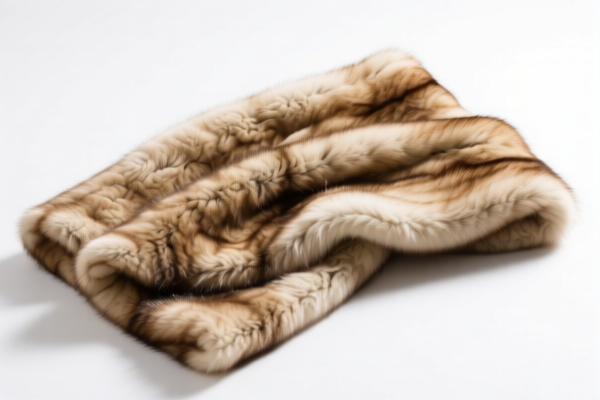
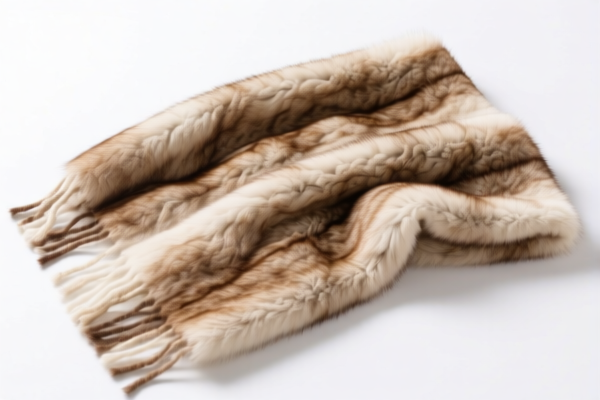
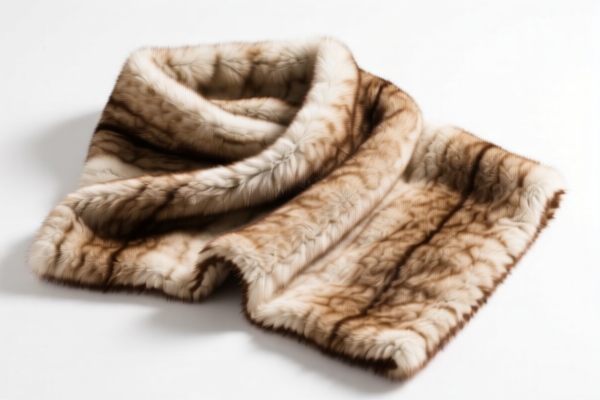
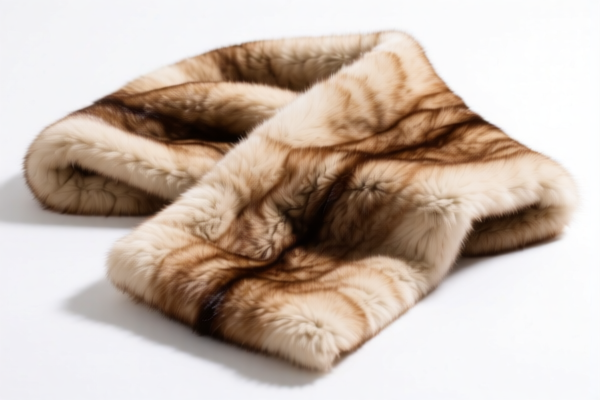
AI Analysis
🧣 Winter Fur Shawl (冬季皮草披肩)
🌐 HS Code Reference & Customs Clearance Guide | 2026 Tariff Analysis | Strategic Compliance Strategy
📌 1. Product Definition & Classification Logic: What Exactly is a "Fur Shawl"?
A Winter Fur Shawl is a luxury textile accessory designed for warmth and fashion. In international trade, its classification is not based on its shape alone, but on its material composition and functional nature.
The Critical Distinction: * Category A: Pure Fur/Mink Products → Classified under Chapter 43 (Articles of fur skins). These are considered "Fur Garments/Accessories." * Category B: Textile-Backed/Non-Cotton Fur → Classified under Chapter 61/62 (Clothing accessories). These are treated as "Textile Articles with Fur Trim/Backing."
⚠️ Key Classification Point:
- If the shawl is primarily fur skins (e.g., mink, fox) with minimal textile backing → HS 4303.
- If the shawl is fabric-based (silk, wool, synthetic) with fur elements or is a "non-cotton fur" textile article → HS 6117 / 6214.
- Misclassification Risk: Classifying a pure fur item as a textile accessory (6117/6214) can lead to severe penalties, as Chapter 43 items often face different duty structures and regulatory controls (e.g., CITES, fur labeling laws).
📦 2. HS Code Classification Matrix (2026 Latest Tariff Data)
Based on the provided data, here are the five potential HS Code classifications for Winter Fur Shawls, sorted by material logic:
| HS Code | Product Description & Classification Logic | Material/Shape Attribute | Total Tax Rate |
|---|---|---|---|
4303.10.00.60 |
Fur Shawl (Garment Accessory) | Material: Fur/Skin. Shape: Garment Accessory. Fits "Other" category under Chapter 43. | 39.0% |
4303.10.00.30 |
Fur Shawl (Fur Skin Article) | Material: Fur/Skin. Shape: Fur Article. Specific attribute match for 4303.10.00.30. | 39.0% |
6117.10.60.20 |
Shawl (Non-Cotton Fur) | Material: Non-cotton fur. Shape: Shawl. Fits "Other" category for textile accessories. | 27.0% |
6214.90.00.90 |
Shawl (Other Textile Material) | Material: Fur or Non-Cotton Textile. Shape: Shawl. Fallback logic for "Other" textile materials. | 28.8% |
6214.10.20.00 |
Shawl (Silk/Similar) | Material: Silk or similar fabric (inferred). Shape: Shawl. No material conflict. | 21.4% |
🔍 Detailed Breakdown: - Chapter 43 (4303.10.00.30 & .60): These items are classified as fur goods. They carry the highest total tax rate (39.0%) due to the "Base Tariff + Section 301 Tariff + 122-Clause Tariff." - Chapter 61/62 (6117.10.60.20, 6214.90.00.90, 6214.10.20.00): These are classified as textile accessories. The tax rates vary significantly based on the base material (3.9% to 11.3% base) plus the standard Section 301 (7.5%) and 122-Clause (10%) tariffs.
💰 3. 2026 Tariff Rate详解 (Tax Structure Breakdown)
✅ Applicable Jurisdiction: USA (US)
✅ Origin: China (CN)
✅ Effective Date: 2025/2026 Period
🎯 1. High-Tax Group: Chapter 43 (Pure Fur Items)
HS Codes: 4303.10.00.30, 4303.10.00.60
Total Tax Rate: 39.0%
| Component | Rate | Explanation |
|---|---|---|
| Base Tariff | 4.0% | Standard MFN duty for fur articles. |
| Section 301 Tariff | 25.0% | Additional duty on Chinese-origin goods under Trade Act Section 301. |
| 122-Clause Tariff | 10% | Specific punitive tariff for certain Chinese textile/fur imports. |
| TOTAL | 39.0% | High Duty Category |
📌 Analysis:
- Both4303.10.00.30and4303.10.00.60share the same 39.0% rate.
- The difference lies in the sub-category definition (.30 vs .60), but the tax impact is identical.
- Advice: If the product is 100% fur, avoid trying to force it into Chapter 61/62 unless you can legally prove it is a "textile accessory" with minor fur trim, as customs will scrutinize this heavily.
🎯 2. Mid-Tax Group: Textile Accessories (Non-Silk)
HS Codes: 6214.90.00.90, 6117.10.60.20
Total Tax Rates: 28.8% / 27.0%
A. 6214.90.00.90 (Other Textile Materials)
| Component | Rate | Explanation |
|---|---|---|
| Base Tariff | 11.3% | Standard duty for other textile shawls. |
| Section 301 Tariff | 7.5% | Standard Section 301 duty for this category. |
| 122-Clause Tariff | 10% | Additional punitive tariff. |
| TOTAL | 28.8% | Moderate-High Duty |
📌 Analysis:
- This category applies if the shawl is made of "other textile materials" (e.g., wool, synthetic blends) with fur elements or is classified as a "fur" textile under broader definitions.
- The base tariff (11.3%) is higher than silk, leading to a higher total tax.
B. 6117.10.60.20 (Non-Cotton Fur/Textile)
| Component | Rate | Explanation |
|---|---|---|
| Base Tariff | 9.5% | Standard duty for other made-up clothing accessories. |
| Section 301 Tariff | 7.5% | Standard Section 301 duty. |
| 122-Clause Tariff | 10% | Additional punitive tariff. |
| TOTAL | 27.0% | Moderate Duty |
📌 Analysis:
- This is a specific code for "Other made-up clothing accessories."
- It applies to shawls that are non-cotton and may include fur-like textures or materials that don't fit strictly into silk or pure fur categories.
🎯 3. Low-Tax Group: Silk/Shawl
HS Code: 6214.10.20.00
Total Tax Rate: 21.4%
| Component | Rate | Explanation |
|---|---|---|
| Base Tariff | 3.9% | Low duty for silk shawls. |
| Section 301 Tariff | 7.5% | Standard Section 301 duty. |
| 122-Clause Tariff | 10% | Additional punitive tariff. |
| TOTAL | 21.4% | Lowest Duty Category |
📌 Analysis:
- This code is for Silk Shawls.
- CRITICAL: If your "Fur Shawl" is actually made of faux fur on silk fabric or is primarily silk with minimal fur trim, it might qualify here.
- However, if it is real fur, customs will likely reject this classification because the primary material is not silk. Misclassification can lead to audits.
🛠️ 4. Customs Clearance Recommendations (Strategic Advice)
✅ 1. Documentation Checklist (Essential for Clearance)
| Document | Requirement | Reason |
|---|---|---|
| Product Composition Report | ✔️ Mandatory | Must specify % of fur vs. textile. Determines Chapter 43 vs. 61/62. |
| Photos of Product | ✔️ Mandatory | Show texture, lining, and any labels. Helps customs verify "Fur" vs. "Faux Fur." |
| Commercial Invoice | ✔️ Mandatory | Must clearly state "Fur Shawl" and describe material (e.g., "Mink Fur," "Wool Blend"). |
| CITES Certificate | ✔️ If Applicable | Required if the fur comes from endangered species (e.g., specific fox, mink varieties). |
| Fur Labeling Statement | ✔️ Mandatory | Comply with US Fur Products Labeling Act. Must list fiber content accurately. |
✅ 2. Classification Strategy & Risk Mitigation
🚫 Do NOT Classify Real Fur as Textile (6117/6214)
- Risk: If you declare a 100% mink shawl as
6117.10.60.20(27.0%) instead of4303.10.00.60(39.0%), you will be accused of duty evasion. - Consequence: Back taxes + penalties + potential seizure.
✅ Do Optimize Material Description for "Accessory" Status
- If the shawl is primarily fabric with fur trim or lining, consider
6117.10.60.20(27.0%) or6214.90.00.90(28.8%). - If the shawl is faux fur (synthetic), it should never be classified under Chapter 43 (4303). It should go to Chapter 61 or 62.
- Faux Fur Shawl: Likely
6117.10.60.20or6214.90.00.90. Avoid4303entirely to prevent animal product compliance issues.
✅ Check for "Fur" vs. "Faux Fur"
- Real Fur: Chapter 43 (39.0%).
- Faux Fur (Synthetic): Chapter 61/62 (21.4% - 28.8%).
- Action: Ensure your invoice explicitly states "FAUX FUR" if applicable. This can save you 10-17.6% in taxes and avoids CITES complications.
✅ 3. Special Note on 122-Clause Tariffs
- All listed HS Codes include a 10% "122-Clause" tariff.
- This is a specific punitive duty for certain Chinese imports.
- No Standard Exemptions apply unless the product qualifies for a specific exclusion list (which is rare for apparel/accessories).
- Calculation: Total Tax = (Base + Section 301) + 10%.
🌍 5. Global Market Comparison (2026)
| Market | Recommended HS Code (Real Fur) | Tax Rate | Key Compliance Note |
|---|---|---|---|
| 🇺🇸 USA | 4303.10.00.30/60 |
39.0% | Strict fur labeling, potential CITES. |
| 🇪🇺 EU | 4303.10 |
~2.5% + VAT | No Section 301. CITES is critical. |
| 🇨🇳 China | 4303.10 |
~10% | Import duty on foreign fur. |
| 🇬🇧 UK | 4303.10 |
~2.5% + VAT | Post-Brexit rules. CITES applies. |
📌 Conclusion for USA:
The US has the highest effective tax rate (39.0%) for real fur shawls.
- Strategy: If possible, source faux fur alternatives to benefit from lower textile duties (21.4%-28.8%) and avoid animal product regulations.
- If Real Fur is Essential: Ensure precise documentation to avoid misclassification penalties.
📌 6. Common Pitfalls & How to Avoid Them
❌ Pitfall 1: Declaring "Fur Shawl" as "Textile Scarf" (6214.10.20.00)
👉 Consequence: Customs detects fur material. Penalty for misdeclaration. Tax difference of 17.6% applied + fines.
❌ Pitfall 2: Ignoring "122-Clause" Tariff in Costing
👉 Consequence: Margin erosion. The 10% surcharge is automatic and non-negotiable for Chinese-origin goods in this category.
❌ Pitfall 3: Failing to Distinguish "Fur" from "Faux Fur"
👉 Consequence: Real fur requires CITES; faux fur does not. Mixing them up causes shipment delays at the border.
✅ Best Practice:
"Label Accurately, Document Material %, and Verify CITES Status."
🎯 7. Final Recommendation
- For Real Fur: Expect 39.0% total tax. Use
4303.10.00.30or4303.10.00.60. - For Faux Fur/Synthetic: Use
6117.10.60.20(27.0%) or6214.90.00.90(28.8%). - For Silk with Fur Trim: Only use
6214.10.20.00(21.4%) if silk is the dominant material and fur is minimal trim.
📞 Pro Tip:
Apply for an HS Code Advance Ruling from US Customs and Border Protection (CBP) if your product is on the boundary between fur and textile. This provides legal certainty and protects against retroactive duties.
✨ Smart Classification = Lower Duties = Higher Profits!
💼 Ensure your "Fur Shawl" is classified correctly to avoid 39% traps!
Customer Reviews
About HS Code Classification
The Harmonized System (HS) is an internationally standardized nomenclature developed by the World Customs Organization (WCO) to classify traded products. Over 200 countries use the HS system as the basis for customs tariffs, trade statistics, and import/export regulations.
Each HS code follows a hierarchical structure:
- Chapter (2 digits) — Broad category of goods (e.g., Chapter 84: Machinery and Mechanical Appliances)
- Heading (4 digits) — More specific grouping within the chapter
- Subheading (6 digits) — Internationally standardized breakdown, used by all WCO member countries
- National subdivisions (8-10 digits) — Country-specific extensions for further classification, such as US HTSUS 10-digit codes
Correct HS code classification is essential for smooth customs clearance, accurate duty payment, and compliance with trade regulations. Misclassification can lead to customs delays, overpayment of duties, or penalties.
When importing from CN to US, the applicable tariff rates may include:
- Most-Favored-Nation (MFN) rate — The standard duty rate applied to WTO members
- General rate — Applied to countries without trade agreements
- Trade remedy duties — Additional tariffs such as Section 301 (anti-dumping), Section 232 (national security), or countervailing duties
The information provided on this page is for reference purposes only. For official classification, please consult with your local customs authority or a licensed customs broker.