Fur Warm Accessories
CN → US| HS Code | Tariff Rate | Origin | Destination | Doc |
|---|---|---|---|---|
| 4303100060 | 39.0% | CN | US | Official Doc |
| 4303900000 | 35.0% | CN | US | Official Doc |
| 6217109520 | 32.1% | CN | US | Official Doc |
| 6217108500 | 24.6% | CN | US | Official Doc |
| 6117101000 | 27.1% | CN | US | Official Doc |
Product Images
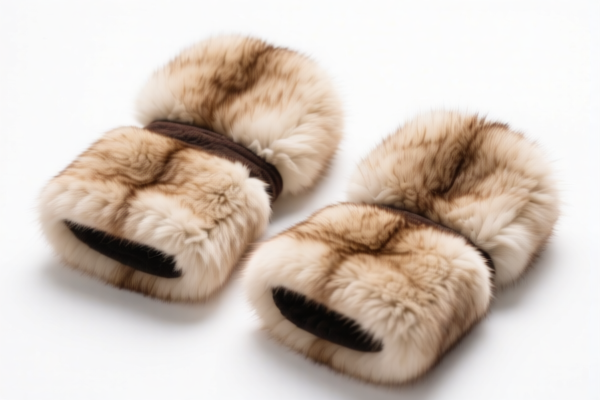
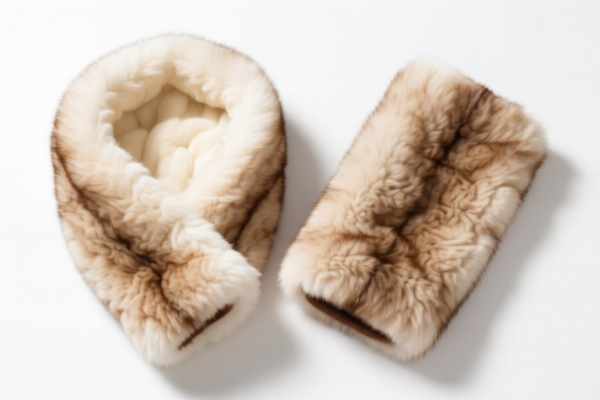
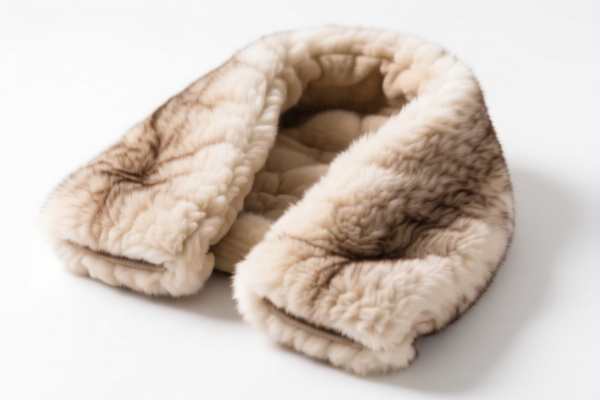
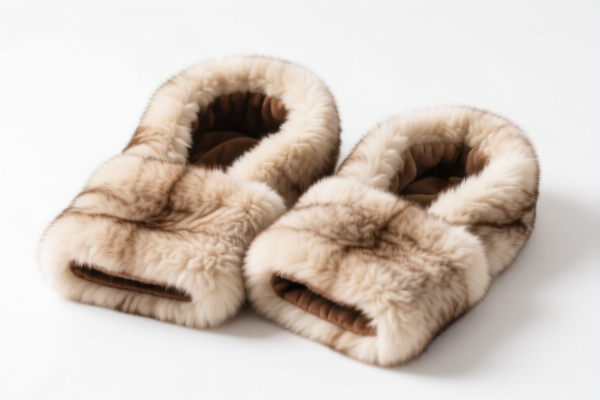
AI Analysis
🧣 Fur Warm Accessories (皮毛保暖配件)
🌐 HS Code Reference & Customs Clearance Guide | 2026 Latest Tariff Analysis | Professional-Level Strategy for US Imports
📌 I. Product Definition & Classification: What Exactly Are "Fur Warm Accessories"?
Fur warm accessories are versatile fashion items designed to provide thermal insulation and style. In international trade, their classification depends heavily on the material composition, construction method (knitted vs. woven), and specific usage. They are generally categorized as either specialized fur goods or general clothing accessories.
Key Distinction:
- Primary Fur Goods: Items made primarily of fur skins or leather with fur, often classified under Heading 4303.
- Clothing Accessories: Items like scarves, muffs, or trims that may be made of fur or fur-like materials, classified under 6117 (knitted) or 6217 (non-knitted).
⚠️ Critical Classification Point:
- If the item is primarily fur skins/leather → Likely 4303.xx
- If the item is knitted/crocheted fur trim or scarf → Likely 6117.xx
- If the item is woven/other fur trim or scarf → Likely 6217.xx
📦 II. HS Code Classification Details (2026 Latest Tariff Authority Comparison)
| HS Code | Product Description | Application Scenario | Material/Structure |
|---|---|---|---|
4303.10.00.60 |
Articles of apparel, clothing accessories, etc., of fur skins | High-end fur collars, full fur muff, fur trim | ✅ Fur Skins/Leather |
4303.90.00.00 |
Other articles of fur skins | Miscellaneous fur accessories not specified elsewhere | ✅ Fur Skins/Leather |
6217.10.95.20 |
Other made-up clothing accessories, knitted/crocheted? No, woven/non-knitted. Note: Data says "Fine animal hair" | Woven fur trim, fabric-based fur accessories | ✅ Fine Animal Hair/Fur-like |
6217.10.85.00 |
Other made-up clothing accessories (non-knitted/crocheted) | Woven fur scarves, belts, or trims | ✅ Fur/Fur-like Material |
6117.10.10.00 |
Accessories of knitted or crocheted fur | Knitted fur scarves, hats, warmers | ✅ Knitted/Crocheted Fine Animal Hair |
6117.80.95.20 |
Other knitted/crocheted accessories (fine animal hair) | Knitted fur muff, specialized warmers | ✅ Knitted/Crocheted Fine Animal Hair |
🔍 Key Reminder:
- Heading 4303 is for "Articles of Apparel, Clothing Accessories and Other Articles of Fur Skins." This is the primary category for genuine fur products. - Headings 6117 & 6217 are for "Other Made-up Clothing Accessories." If the fur is processed into fabric or knitwear, it may fall here. - Misclassification Risk: Declaring a fur collar as a "textile accessory" (6217) when it is actually fur skins (4303) can lead to higher tariffs or rejection.
💰 III. 2026 Latest Tariff Rate Breakdown (Including Surtaxes & Policy Add-ons)
✅ Applicable Country: United States (US)
✅ Origin: China (CN)
✅ Effective Time: Post-2025 (Current Trade Rules)
🎯 1. 4303.10.00.60 & 4303.90.00.00 – Fur Skin Articles
| Item | Content |
|---|---|
| Base Duty Rate | 4.0% (for .60), 0.0% (for .00) |
| Section 301 Surtax | +25% |
| Section 122 Duty | +10% (Specific to certain textile/apparel categories under new trade rules) |
| Total Rate | 39.0% (.60), 35.0% (.00) |
| Calculation | CIF Value × Total Rate |
| De Minimis Eligibility | ❌ No (High risk of scrutiny) |
| Legal Basis | USITC Tariff Schedule + Section 301 Footnotes + Section 122 Rules |
📌 Explanation:
- Section 301 (25%): Applies to most Chinese-origin goods. - Section 122 (10%): A specific additional duty applicable to certain apparel/fur articles under recent trade policy adjustments. - Base Duty: Varies slightly by subheading. For4303.10.00.60, it is 4%; for4303.90.00.00, it is 0%. - Total Burden: These are very high tariffs. Importers must factor in nearly 40% extra cost.
🎯 2. 6217.10.95.20 – Other Made-Up Clothing Accessories (Woven/Non-Knitted)
| Item | Content |
|---|---|
| Base Duty Rate | 14.6% |
| Section 301 Surtax | +7.5% |
| Section 122 Duty | +10% |
| Total Rate | 32.1% |
| Calculation | CIF Value × 32.1% |
| De Minimis Eligibility | ❌ No |
| Legal Basis | USITC:6217.10.95.20 → FOOTNOTE:Section 301 → IEEPA:122 |
📌 Note:
- This code applies if the item is not made of raw fur skins but rather fine animal hair or fur-like material in a woven/fabric form. - The base duty is higher (14.6%), but the Section 301 surtax is lower (7.5% vs 25%).
🎯 3. 6217.10.85.00 – Other Made-Up Clothing Accessories (Woven/Non-Knitted)
| Item | Content |
|---|---|
| Base Duty Rate | 14.6% |
| Section 301 Surtax | 0.0% (Exempt or Not Applicable in this sub-subheading) |
| Section 122 Duty | +10% |
| Total Rate | 24.6% |
| Calculation | CIF Value × 24.6% |
| De Minimis Eligibility | ❌ No |
| Legal Basis | USITC:6217.10.85.00 → Section 301 Exemption → IEEPA:122 |
📌 Optimization Point:
- This is the most cost-effective option among the listed codes. - Condition: The item must strictly qualify for6217.10.85.00(likely specific types of woven fur accessories). - Savings: Significant reduction compared to 4303 codes.
🎯 4. 6117.10.10.00 & 6117.80.95.20 – Knitted/Crocheted Accessories
| Item | Content |
|---|---|
| Base Duty Rate | 9.6% (.10), 14.6% (.80) |
| Section 301 Surtax | +7.5% |
| Section 122 Duty | +10% |
| Total Rate | 27.1% (.10), 32.1% (.80) |
| Calculation | CIF Value × Total Rate |
| De Minimis Eligibility | ❌ No |
| Legal Basis | USITC:6117.xx → Section 301 → IEEPA:122 |
📌 Note:
- If the fur accessory is knitted (e.g., a knitted fur scarf), it falls under Chapter 61. -6117.10.10.00(27.1%) is cheaper than6117.80.95.20(32.1%).
🛠️ IV. Customs Clearance Practical Advice (Real-World Pitfall Avoidance)
✅ 1. Preparation Checklist (All Required)
| Document | Mandatory | Description |
|---|---|---|
| ✅ Product Specifications | ✔️ | Detailed breakdown of materials (e.g., "100% Rabbit Fur" vs. "Polyester Faux Fur") |
| ✅ Material Composition Certificate | ✔️ | Crucial for distinguishing between Heading 4303 (Fur) and 61/62 (Textiles) |
| ✅ Product Photos | ✔️ | Clear images showing fur texture, stitching, and labels |
| ✅ Commercial Invoice | ✔️ | Must clearly state "Fur Warm Accessories" and correct HS Code |
| ✅ Bill of Lading/Air Waybill | ✔️ | Match description with invoice |
| ✅ C-TPAT Certificate | ✔️ | If applicable, for faster clearance |
✅ 2. Declaration Strategy (Key Rules)
🔥 "Material Defines Category, Code Defines Tax!"
| Scenario | Correct Declaration | Wrong Declaration | Result |
|---|---|---|---|
| Genuine Fur Collar | 4303.10.00.60 |
6217.10.85.00 |
Audit Risk: Customs may reclassify and charge 39% |
| Knitted Fur Scarf | 6117.10.10.00 |
4303.90.00.00 |
Risk: Misclassification penalty |
| Woven Fur Trim | 6217.10.85.00 |
4303.10.00.60 |
Savings: 24.6% vs 39.0% |
| Faux Fur (Synthetic) | Check Chapter 61/62 | 4303.xx |
Critical: Do NOT declare faux fur as real fur under 4303 |
⚠️ Warning:
- If the item is faux fur (synthetic), it cannot be classified under 4303. It must go to 61xx or 62xx. - Ensure the description distinguishes between "Fur Skins" (4303) and "Articles of Fur" (which might include processed fur fabrics).
✅ 3. Special Circumstances
| Scenario | Handling Advice |
|---|---|
| C-Endangered Species (CITES) | If fur comes from protected species (e.g., seal, specific fox), additional CITES permits are required. |
| Mixed Materials | If the accessory has fur + textile parts, apply the "Material of Value" rule. If fur is primary → 4303. |
| Samples vs. Commercial | Both are subject to the same tariffs if value exceeds de minimis thresholds for Section 301/122. |
| Re-export | Ensure the HS Code is consistent with the original export declaration to avoid discrepancies. |
🌍 V. Global Market Comparison (2026 Latest)
| Country/Region | Recommended HS Code | Est. Total Duty (China Origin) | Key Requirements |
|---|---|---|---|
| 🇺🇸 USA | 4303.10.00.60 / 6217.10.85.00 |
24.6% – 39.0% | Section 301 + Section 122 |
| 🇨🇳 China | 4303.10.00.60 / 6217.10.85.00 |
10% – 14% | No additional surtaxes |
| 🇪🇺 EU | 4303.10.00 / 6217.10 |
12% – 16% | No Section 301/122 |
| 🇬🇧 UK | 4303.10.00 / 6217.10 |
12% – 16% | No additional surtaxes |
| 🇯🇵 Japan | 4303.10.00 / 6217.10 |
8% – 12% | No additional surtaxes |
📌 Conclusion:
- USA has the highest duties due to Section 301 and Section 122. - Optimization: If possible, design the product to qualify for6217.10.85.00(24.6%) instead of4303(39%) by using fur-like fabrics or ensuring it falls under the correct subheading.
📌 VI. Common Mistakes & Pitfalls (Lessons Learned)
❌ Mistake 1: Declaring "Fur Scarf" as 6217.10.85.00 when it is actually made of raw fur skins.
👉 Result: Customs reclassification to 4303.10.00.60 → 14.4% additional duty penalty.
❌ Mistake 2: Ignoring Section 122 (10%).
👉 Result: Underpayment of duties, leading to audits and back taxes.
❌ Mistake 3: Confusing Knitted (61) vs. Woven (62).
👉 Result: Misclassification. Knitted fur accessories go to 6117; woven to 6217. The duty rates differ.
❌ Mistake 4: Using "Fur" generically without specifying material.
👉 Result: Customs may assign a default high-risk code or reject the entry.
✅ Correct Approach:
"Fur Collar, Rabbit Skin, Woven Lining, Model XYZ" →
4303.10.00.60
"Faux Fur Scarf, Polyester, Knitted, Model XYZ" →6117.10.10.00
🎯 VII. Conclusion: Professional Classification Saves Money!
🎯 Remember the Rules:
🔹 "Real Fur = 4303 (High Tax) / 61-62 (Lower Tax if Fabric)"
🔹 "Knitted = 6117 / Woven = 6217"
🔹 "Section 301 + Section 122 = High Cost in US"
🔹 "Choose6217.10.85.00for 24.6% if Possible!"
📌 Pro Tip:
- If your product is faux fur, ensure it is never described as "fur skins" to avoid CITES issues and misclassification.
- Apply for an Advance Ruling from CBP if the material composition is ambiguous.
📣 Call to Action:
📞 Consult a Customs Broker + Provide Material Spec Sheet + Verify HS Code
🚀 Ensure Smooth Clearance, Minimize Duty, Maximize Profit!
✨ Professional Classification, From Accurate HS Code!
💼 Every Percent Matters in Your Supply Chain!
Customer Reviews
About HS Code Classification
The Harmonized System (HS) is an internationally standardized nomenclature developed by the World Customs Organization (WCO) to classify traded products. Over 200 countries use the HS system as the basis for customs tariffs, trade statistics, and import/export regulations.
Each HS code follows a hierarchical structure:
- Chapter (2 digits) — Broad category of goods (e.g., Chapter 84: Machinery and Mechanical Appliances)
- Heading (4 digits) — More specific grouping within the chapter
- Subheading (6 digits) — Internationally standardized breakdown, used by all WCO member countries
- National subdivisions (8-10 digits) — Country-specific extensions for further classification, such as US HTSUS 10-digit codes
Correct HS code classification is essential for smooth customs clearance, accurate duty payment, and compliance with trade regulations. Misclassification can lead to customs delays, overpayment of duties, or penalties.
When importing from CN to US, the applicable tariff rates may include:
- Most-Favored-Nation (MFN) rate — The standard duty rate applied to WTO members
- General rate — Applied to countries without trade agreements
- Trade remedy duties — Additional tariffs such as Section 301 (anti-dumping), Section 232 (national security), or countervailing duties
The information provided on this page is for reference purposes only. For official classification, please consult with your local customs authority or a licensed customs broker.