Fur jackets
CN → US| HS Code | Tariff Rate | Origin | Destination | Doc |
|---|---|---|---|---|
| 4203104030 | 41.0% | CN | US | Official Doc |
| 4203104060 | 41.0% | CN | US | Official Doc |
| 4107117040 | 15.0% | CN | US | Official Doc |
| 4107127040 | 15.0% | CN | US | Official Doc |
Product Images
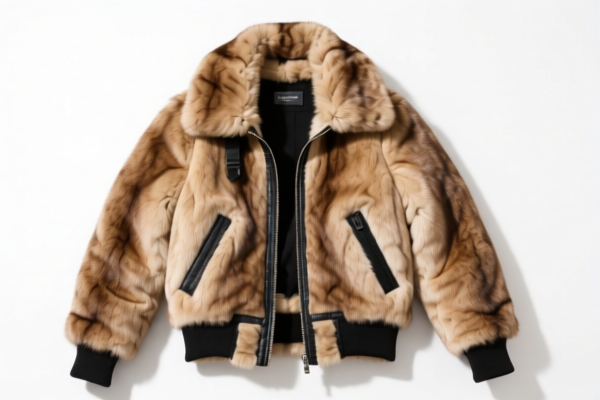
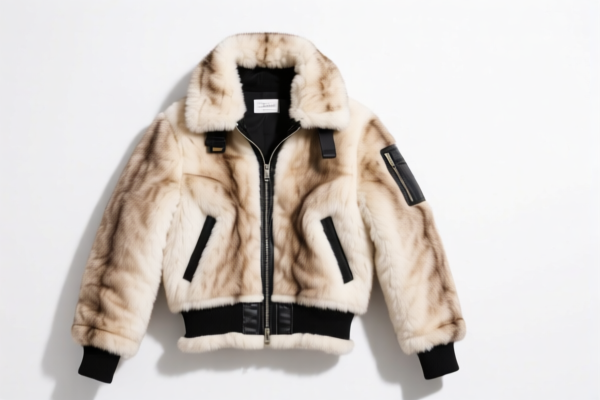
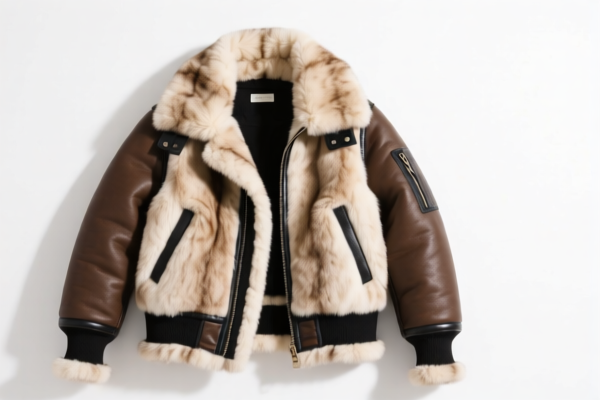
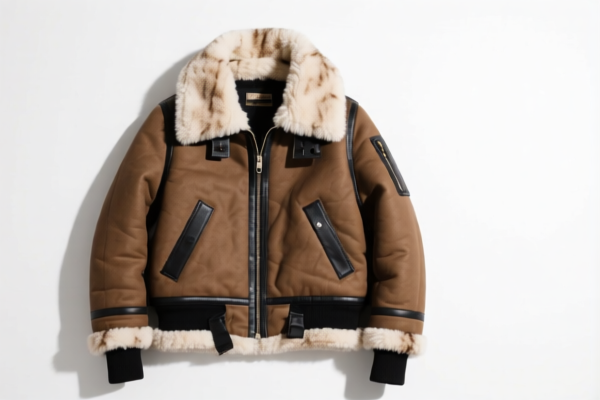
AI Analysis
🧥 Fur Jackets (皮草服装)
🌐 HS Code Reference & Customs Clearance Guide | 2026 Tariff Analysis | Strategic Compliance for US Imports
📌 I. Product Definition & Classification: What Exactly is "Fur Apparel"?
Fur jackets represent a high-value, high-risk category in international trade due to complex material compositions and stringent regulatory oversight. In customs classification, "Fur Apparel" is not a single category but depends heavily on the material composition (natural fur vs. textile/fake fur) and the construction method (knitted vs. woven).
Key Distinction Criteria: * Natural Fur (Animal Hair/Skin): Classified under Chapter 43. Requires precise identification of the animal source (e.g., mink vs. other). * Textile-Based Fur (Woven/Knitted): Classified under Chapter 61 or 62. This includes "faux fur" or fur-like textiles. * Mixed Materials: If the primary characteristic is fur skin, it may still fall under Chapter 43. If it is primarily textile with fur trim, it often falls under Chapter 61/62.
⚠️ Critical Classification Point:
- If the garment is made entirely or primarily of animal fur skins → Chapter 43 (4303.10.x)
- If the garment is made of textile materials (including artificial fur) → Chapter 61 (Knitted) or 62 (Woven)
- Misclassification Risk: Declaring natural fur as "textile fur" to avoid higher tariffs or regulatory scrutiny is illegal and carries severe penalties.
📦 II. HS Code Breakdown & Tax Analysis (2026 Latest Data)
Based on the provided data, here is the detailed breakdown of the five potential HS Codes for Fur Jackets imported from China to the US.
| HS Code | Description & Summary | Material/Construction Type |
|---|---|---|
4303.10.00.30 |
Fur Garments: Classified as fur-skin garments, meeting shape and use criteria. | ✅ Natural Fur (Primary material) |
4303.10.00.60 |
Other Fur Garments: Classified as other fur-skin garments (not specifically mink). | ✅ Natural Fur (Other species) |
6201.90.29.60 |
Outerwear: Classified as other textile materials/fibers finished coats/jackets. | ❌ Textile/Faux Fur (Woven) |
6102.30.05.00 |
Knitted Outerwear: Classified as knitted/crocheted fur-like articles. | ❌ Textile/Faux Fur (Knitted) |
6201.20.11.20 |
Animal Hair Garments: Classified as animal hair/fur category coats/jackets. | ⚠️ Special Case: Often interpreted as "Animal Hair" textiles (e.g., wool/shearling) rather than full skins. |
💰 III. 2026 Tariff Rate Detailed Explanation
✅ Applicable Country: United States (US)
✅ Origin: China (CN)
✅ Effective Date: Current US Trade Policy (Section 301, Section 122, IEEPA)
The tax structure for Fur Jackets is complex because it combines Base Tariffs, Section 301 Add-on Tariffs, and Section 122 Tariffs.
🎯 1. Natural Fur Jackets (Chapter 43)
HS Codes: 4303.10.00.30 & 4303.10.00.60
| Item | Detail |
|---|---|
| Base Tariff | 4.0% (ad valorem) |
| Section 301 Tariff | +25.0% (High punitive tariff on Chinese goods) |
| Section 122 Tariff | +10.0% (Specific add-on for certain apparel/textiles from China) |
| Total Tax Rate | 39.0% |
| Calculation | CIF Value × 39.0% |
| De Minimis Exemption | ❌ Not Applicable (Section 122 and Section 301 tariffs generally negate the $800 de minimis exemption for this category). |
📌 Legal Path:
USITC:4303.10.00.30/60→Section 301: Footnote 9903.88.01 (25%)→Section 122: 19 USC 1862 (10%)→Base: 4%🔍 Explanation:
- Natural fur is treated as a luxury/good subject to high protectionism.
- The 25% is the standard Section 301 rate for many Chapter 43 items.
- The 10% is the Section 122 tariff, which specifically targets apparel and textiles to protect US manufacturing.
- Total 39% is a significant cost factor.
🎯 2. Textile/Faux Fur Jackets (Woven - Chapter 62)
HS Codes: 6201.90.29.60
| Item | Detail |
|---|---|
| Base Tariff | 2.8% |
| Section 301 Tariff | +7.5% (Note: Some 62xx items have reduced 301 rates compared to 43xx) |
| Section 122 Tariff | +10.0% |
| Total Tax Rate | 22.8% |
| Calculation | CIF Value × 22.8% |
| De Minimis Exemption | ❌ Likely Not Applicable (Due to Section 122). |
📌 Legal Path:
USITC:6201.90.29.60→Section 301: Reduced Rate (7.5%)→Section 122: 10%→Base: 2.8%🔍 Explanation:
- Woven textile fur (faux fur) is taxed lower than natural fur.
- However, the 10% Section 122 tariff still applies heavily, pushing the total to 22.8%.
🎯 3. Knitted/Faux Fur Jackets (Chapter 61)
HS Code: 6102.30.05.00
| Item | Detail |
|---|---|
| Base Tariff | 5.3% |
| Section 301 Tariff | +7.5% |
| Section 122 Tariff | +10.0% |
| Total Tax Rate | 22.8% |
| Calculation | CIF Value × 22.8% |
| De Minimis Exemption | ❌ Likely Not Applicable. |
📌 Legal Path:
USITC:6102.30.05.00→Section 301: 7.5%→Section 122: 10%→Base: 5.3%🔍 Explanation:
- Knitted garments often have slightly different base rates but are subject to the same punitive add-ons (Section 301 + Section 122).
- Total 22.8%, same as woven textiles in this specific data set.
🎯 4. Animal Hair Garments (Special Case)
HS Code: 6201.20.11.20
| Item | Detail |
|---|---|
| Base Tariff | 41¢/kg (Specific Rate) + 16.3% (Ad Valorem) |
| Section 301 Tariff | +7.5% |
| Section 122 Tariff | +10.0% |
| Total Tax Structure | 41¢/kg + 16.3% + 7.5% + 10.0% |
| De Minimis Exemption | ❌ Not Applicable. |
📌 Legal Path:
USITC:6201.20.11.20→Section 301: 7.5%→Section 122: 10%→Base: Mixed (Specific + Ad Valorem)🔍 Explanation:
- This is a complex mixed-rate category. It is likely used for garments where "animal hair" (like wool or shearling) is the dominant textile characteristic, but not full fur skins.
- Warning: The specific rate (41¢/kg) must be calculated based on the net weight. The ad valorem percentages are then applied to the value.
- Total Impact: This can be either cheaper or more expensive depending on the weight/value ratio of the shipment, but it is generally more complex to calculate.
🛠️ IV. Customs Clearance Practical Advice (Avoiding Pitfalls)
✅ 1. Documentation Checklist (Non-Negotiable)
| Document | Required? | Notes |
|---|---|---|
| Detailed Product Description | ✅ Mandatory | Must specify: "Fur Jacket," Material (Mink/Real/Faux), Fabrication (Knitted/Woven). |
| Material Composition Label | ✅ Mandatory | e.g., "100% Rabbit Fur" or "100% Polyester Faux Fur." |
| Commercial Invoice | ✅ Mandatory | Must match HS Code classification precisely. |
| Packing List | ✅ Mandatory | Include net weight (critical for 6201.20.11.20). |
| Animal Health Certificate | ✅ For Natural Fur | If importing Chapter 43, CITES permits may be required for endangered species. |
| Fur Marking Label | ✅ Mandatory | US law requires "Fur Product of Country X" labeling. |
✅ 2. Classification Strategy & Cost Optimization
🔥 "Know Your Material, Know Your Rate!"
| Scenario | Recommended HS Code | Tax Rate | Strategy |
|---|---|---|---|
| 100% Natural Mink/Rabbit/Sheepskin | 4303.10.00.30 / 60 |
39.0% | High Risk. Ensure CITES compliance. Budget for high duty. |
| High-Quality Faux Fur (Woven) | 6201.90.29.60 |
22.8% | Cost-Effective. Lower duty than natural fur. Ensure marketing does not mislead. |
| Knitted Acrylic/Polyester Fur | 6102.30.05.00 |
22.8% | Cost-Effective. Same rate as woven. Check knitting structure. |
| Shearling/Wool Blend (Not Full Skin) | 6201.20.11.20 |
Mixed | Complex. Use only if clearly "Animal Hair" textile, not fur skin. Consult broker. |
⚠️ CRITICAL WARNING:
Do NOT misclassify Natural Fur (4303) as Textile Fur (6102/6201) to save ~16%.
- Consequence: Customs will reclassify, impose penalties, and potentially seize goods.
- Detection: Customs uses X-ray and material testing to detect real fur.
✅ 3. Specific Clearance Tips
-
Section 122 Impact:
The 10% Section 122 tariff applies to almost all apparel imports from China under these codes. Do not assume "de minimis" ($800) applies. Most fur jackets exceed $800, so duties apply. -
CITES Compliance (For Natural Fur):
If the fur comes from protected species (e.g., certain wild cats, mink bred for fur may have specific rules), you need CITES Permits. Failure to provide these results in seizure and fines. -
Labeling Requirements:
US Law (15 U.S.C. § 63 et seq.) requires a permanent label stating:- Country of Origin
- Fiber Content (e.g., "Real Mink Fur")
- Dealer ID
- Do not use "Fur" if it is Faux. Use "Artificial Fur" or "Synthetic Fabric" to avoid FTC violations.
-
Weight Declaration for
6201.20.11.20:
If you use this code, the 41¢/kg charge is added on top of the ad valorem. Heavy fur jackets will incur high specific duties. Calculate carefully before choosing this code.
🌍 V. Global Market Comparison (2026)
| Market | Recommended HS Code | Total Tax Estimate | Notes |
|---|---|---|---|
| 🇺🇸 USA | 4303.10.00.30 / 6201.90.29.60 |
22.8% - 39.0% | High Section 301 & 122 tariffs. Strict CITES/Fur Labeling laws. |
| 🇨🇳 China | 4303.10.00 / 6201.90 |
Low/0% | Import duty is low, but VAT (13%) applies. |
| 🇪🇺 EU | 4303.10 / 6201.90 |
Varies (5-12%) | No Section 122 equivalent. Strict EU Fur Labeling regulations. |
| 🇨🇦 Canada | 4303.10 / 6201.90 |
~12-14% | CUSMA may apply if originating in NA. |
📌 Conclusion for US Importers:
- Fur Jackets from China are expensive to import into the US.
- Natural Fur (39%) is significantly more expensive than Faux Fur (22.8%).
- Compliance is key: Mislabeling natural fur as faux is a major red flag for CBP (Customs and Border Protection).
📌 VI. Common Mistakes & Pitfalls (Lessons Learned)
❌ Mistake 1: Declaring Real Mink as "Synthetic Fur"
👉 Result: Seizure, fines, and blacklisting. CBP tests materials.
❌ Mistake 2: Ignoring Section 122 (10%)
👉 Result: Underpayment of duties. Even if base rate is low, Section 122 adds 10%.
❌ Mistake 3: Using De Minimis ($800) for Fur
👉 Result: Section 122 tariffs often negate de minimis benefits for apparel. Check current enforcement.
❌ Mistake 4: No CITES Permits for Natural Fur
👉 Result: Goods detained for weeks, potential destruction if permits are missing.
✅ Correct Action:
"Fur Jacket, Mink, 100% Real Fur, Woven, Made in China. HS: 4303.10.00.30. CITES Permit Attached. Labeled: 'Real Mink Fur, Made in China.'"
🎯 VII. Final Recommendation: Strategic Sourcing
🎯 Remember This Mantra:
🔹 "Real Fur = 39% Tax + CITES Hassle"
🔹 "Faux Fur = 22.8% Tax + Less Regulatory Burden"
🔹 "Classify Accurately or Pay the Price!"📌 Tip:
If your brand allows, consider sourcing High-Quality Faux Fur jackets.
- Lower tariffs (22.8% vs 39%)
- Lower ethical scrutiny
- Easier clearance
- Broader consumer appeal in eco-conscious markets
📣 Immediate Action:
📞 Consult a Licensed Customs Broker before shipping.
📄 Prepare CITES Documents if using natural fur.
🏷️ Ensure Proper Labeling to avoid FTC violations.
🚀 Accurate Classification Saves Money and Prevents Delays!
✨ Professional Compliance is the Best Customs Strategy!
💼 Your Profit Margin Depends on Accurate HS Codes!
Customer Reviews
About HS Code Classification
The Harmonized System (HS) is an internationally standardized nomenclature developed by the World Customs Organization (WCO) to classify traded products. Over 200 countries use the HS system as the basis for customs tariffs, trade statistics, and import/export regulations.
Each HS code follows a hierarchical structure:
- Chapter (2 digits) — Broad category of goods (e.g., Chapter 84: Machinery and Mechanical Appliances)
- Heading (4 digits) — More specific grouping within the chapter
- Subheading (6 digits) — Internationally standardized breakdown, used by all WCO member countries
- National subdivisions (8-10 digits) — Country-specific extensions for further classification, such as US HTSUS 10-digit codes
Correct HS code classification is essential for smooth customs clearance, accurate duty payment, and compliance with trade regulations. Misclassification can lead to customs delays, overpayment of duties, or penalties.
When importing from CN to US, the applicable tariff rates may include:
- Most-Favored-Nation (MFN) rate — The standard duty rate applied to WTO members
- General rate — Applied to countries without trade agreements
- Trade remedy duties — Additional tariffs such as Section 301 (anti-dumping), Section 232 (national security), or countervailing duties
The information provided on this page is for reference purposes only. For official classification, please consult with your local customs authority or a licensed customs broker.