Fur tanned Sheepskin
CN → US| HS Code | Tariff Rate | Origin | Destination | Doc |
|---|---|---|---|---|
| 4303100060 | 39.0% | CN | US | Official Doc |
| 4303100030 | 39.0% | CN | US | Official Doc |
| 4205001000 | 35.0% | CN | US | Official Doc |
| 4114100000 | 38.2% | CN | US | Official Doc |
| 4114207000 | 36.6% | CN | US | Official Doc |
Product Images
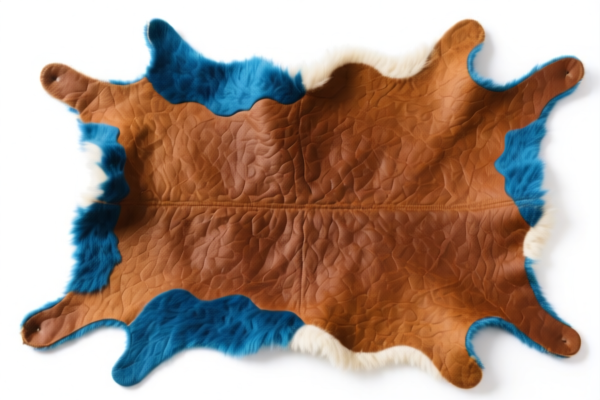
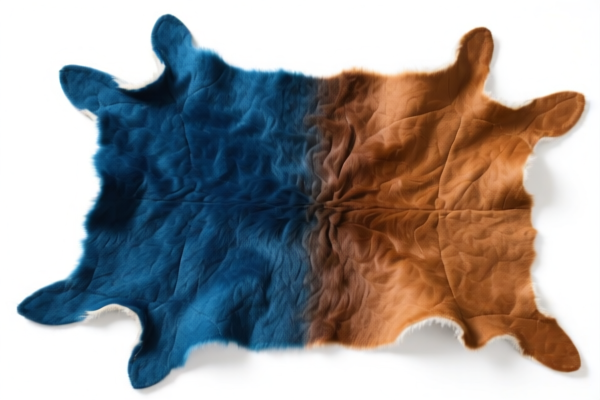
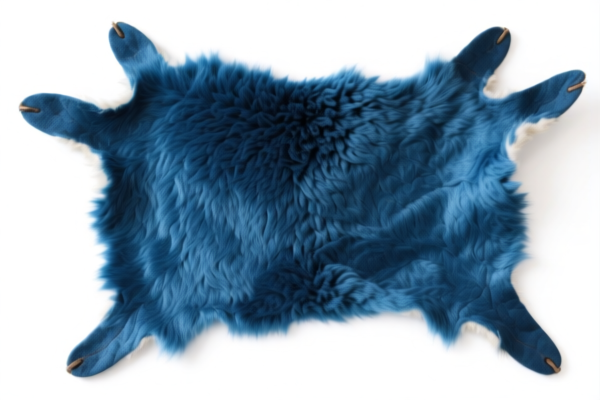
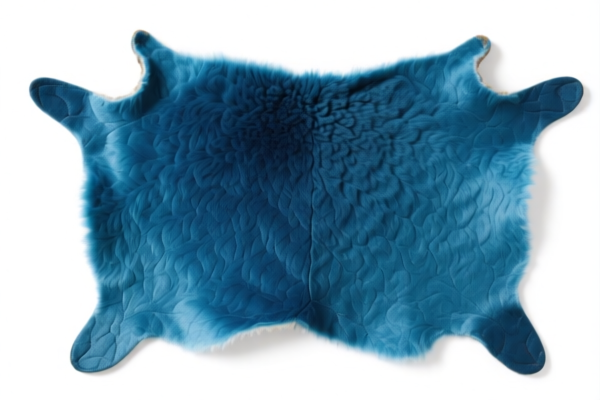
AI Analysis
🐑 Fur Tanned Sheepskin (Tanned Sheepskins & Furskins)
🌐 HS Code Reference & Customs Clearance Guide | 2026 Latest Tariff Analysis | Professional Clearance Strategy
📌 I. Product Definition & Classification: What Exactly is "Fur Tanned Sheepskin"?
Tanned Sheepskins refer to raw sheep hides or pelts that have undergone chemical or mechanical processes to preserve them and make them resistant to decay. In international trade, these products are categorized based on their final form and material composition:
- Raw Tanned Hides/Pelts (Unworked): Sheepskins that have been tanned but not yet cut or sewn into specific goods. They fall under Chapter 41 (Leather).
- Articles of Furskin (Finished Goods): Sheepskins that are processed into clothing, accessories, or decorative items. If classified strictly as "fur" due to the hair structure and treatment, they may fall under Chapter 43 (Furskins).
- Leather Accessories/Other: If the sheepskin is used for non-apparel items (e.g., upholstery, bags) and classified under general leather goods.
⚠️ Key Distinction Point:
- If the product is a finished garment or accessory primarily recognized as "fur" (hair-on, decorative), it likely falls under Chapter 43.
- If it is a raw or semi-processed hide used for industrial leather applications (e.g., upholstery, lining), it falls under Chapter 41.
- US Trade Policy Impact: All entries originate from China and are subject to additional tariffs under Section 301 and IEEPA.
📦 II. HS Code Classification Details (2026 Latest Tariff Authority Comparison)
| HS Code | Product Description | Application Scenario | Material Definition |
|---|---|---|---|
4303.10.00.60 |
Articles of furskin, other than astrakhan, broadtail, caracul, persian, or chinchilla; made of other furskin | Other fur articles (not mink). Fits clothing/accessory form. | Broad category of "fur" excluding specific luxury furs. |
4303.10.00.30 |
Articles of furskin, made of other furskin | Other fur articles. Fits fur material definition & clothing/accessory form. | General "fur" classification for non-specified types. |
4205.00.10.00 |
Other articles of leather | Other leather articles. Sheepskin considered broad-leather. Fits finished goods scope. | Treated as "leather" rather than "fur" (e.g., upholstery, belts). |
4114.10.00.00 |
Chamois-dressed leather and combination chamois-dressed leather | Sheepskin home decor tanned leather. Fits leather product attribute. | Chamois-style tanning, often used for soft leather goods. |
4114.20.70.00 |
Other leather further worked than chamois-dressed leather | Sheepskin home decor tanned leather. Presumed other leather form (lacquered/coated). | Processed leather, possibly lacquered or coated, for home decor. |
🔍 Key Reminder:
- Chapter 43 (4303.xx) is typically for fashion-oriented fur goods (coats, hats, trim).
- Chapter 41/42 (4114.xx, 4205.xx) is typically for industrial or functional leather goods (upholstery, bags, belts) where the hair is removed or the hide is heavily processed into "leather."
- Misclassification Risk: Declaring a fur coat as "leather" (Chapter 41) to avoid higher fur duties may lead to customs audits. Conversely, declaring raw hides as "furskin" may incur unnecessary luxury surcharges.
💰 III. 2026 Latest Tariff Rate Breakdown (Including Surcharges & Policy Add-ons)
✅ Applicable Country: United States (US)
✅ Origin: China (CN)
✅ Effective Time: November 10, 2025 onwards (including subsequent imports)
🎯 1. 4303.10.00.60 & 4303.10.00.30 —— Articles of Furskin (Other)
| Item | Content |
|---|---|
| Base Tariff | 4.0% (ad valorem) |
| Section 301 Surcharge | +25.0% (USITC Footnote 9903.88.01 / Section 301) |
| IEEPA Surcharge | +10.0% (Against Chinese/HK products, effective Nov 10, 2025) |
| Total Tax Rate | 39.0% |
| Tax Calculation | CIF Value × 39.0% |
| De Minimis Exemption | ❌ Not Eligible (deny_de_minimis) |
| Legal Basis Path | IEEPA:9903.01.25 → Section 301: 9903.88.01 → HS: 4303.10.00.60/30 |
📌 Explanation:
- "Base Tariff 4.0%": Standard Most Favored Nation (MFN) rate for other furskin articles.
- "Section 301 25%": Additional tariff under US Trade Act Section 301 for Chinese-origin goods.
- "IEEPA 10%": Additional tariff under the International Emergency Economic Powers Act targeting specific Chinese imports.
- Total 39%: This is a high tariff rate. Must be pre-calculated in landed cost models!
🎯 2. 4205.00.10.00 —— Other Articles of Leather
| Item | Content |
|---|---|
| Base Tariff | 0.0% |
| Section 301 Surcharge | +25.0% |
| IEEPA Surcharge | +10.0% |
| Total Tax Rate | 35.0% |
| Tax Calculation | CIF Value × 35.0% |
| De Minimis Exemption | ❌ Not Eligible |
| Legal Basis Path | IEEPA:9903.01.25 → Section 301: 9903.88.01 → HS: 4205.00.10.00 |
📌 Note:
- If the sheepskin is classified as a "leather article" (e.g., upholstery, non-apparel items) rather than "fur," the base rate is lower (0% vs 4%).
- However, surcharges remain identical (35% total).
- Strategic Insight: If the product can be legitimately classified under Chapter 41/42 (e.g., sheepskin for car interiors), the total duty is 4% lower than Chapter 43.
🎯 3. 4114.10.00.00 —— Chamois-Dressed Leather
| Item | Content |
|---|---|
| Base Tariff | 3.2% |
| Section 301 Surcharge | +25.0% |
| IEEPA Surcharge | +10.0% |
| Total Tax Rate | 38.2% |
| Tax Calculation | CIF Value × 38.2% |
| De Minimis Exemption | ❌ Not Eligible |
| Legal Basis Path | IEEPA:9903.01.25 → Section 301: 9903.88.01 → HS: 4114.10.00.00 |
📌 Note:
- Chamois-dressed leather is a specific tanning process resulting in soft, absorbent leather.
- If sheepskin is processed this way for home decor (e.g., cushions, throws), it may fall here.
- Total 38.2% is slightly lower than fur classification but higher than standard leather articles.
🎯 4. 4114.20.70.00 —— Other Further Worked Leather
| Item | Content |
|---|---|
| Base Tariff | 1.6% |
| Section 301 Surcharge | +25.0% |
| IEEPA Surcharge | +10.0% |
| Total Tax Rate | 36.6% |
| Tax Calculation | CIF Value × 36.6% |
| De Minimis Exemption | ❌ Not Eligible |
| Legal Basis Path | IEEPA:9903.01.25 → Section 301: 9903.88.01 → HS: 4114.20.70.00 |
📌 Note:
- This category includes lacquered or coated sheepskin often used for home decor.
- Lowest Base Rate (1.6%) among all options, resulting in 36.6% total.
- Best Option? If the product is indeed "home decor sheepskin" (not apparel), this is the most cost-effective classification.
🛠️ IV. Customs Clearance Practical Advice (Real-World Pitfall Guide)
✅ 1. Required Documentation Checklist (No Exceptions)
| Document | Required | Description |
|---|---|---|
| ✅ Product Specification Sheet | ✔️ | Material: Sheepskin; Tanning process: Vegetable/Chrome/Chamois; End-use: Apparel/Home Decor. |
| ✅ Technical Data Sheet | ✔️ | Details on whether hair is present, thickness, and final form (raw, semi-finished, finished). |
| ✅ Product Photos | ✔️ | Clear images showing front/back, label, and any distinctive features (e.g., lacquer coating, chamois finish). |
| ✅ Commercial Invoice | ✔️ | Must explicitly state: "Tanned Sheepskin, HS Code: [XXXX], Made in China." |
| ✅ Packing List | ✔️ | Item count, gross/net weight, dimensions. |
| ✅ Certificate of Origin | ✔️ | Critical for verifying Chinese origin to apply correct surcharges. |
✅ 2. Declaration Strategy (Key Mnemonic)
🔥 "Form Defines Code, Use Determines Chapter, Hair vs. Leather, Tariff Differs!"
| Scenario | Correct Declaration | Incorrect Practice |
|---|---|---|
| Fur Coat/Accessories | 4303.10.00.30/60 (Furskin) |
Misdeclare as "Leather" → Risk of audit, penalties, and retroactive duties. |
| Sheepskin Upholstery/Decor | 4114.20.70.00 (Leather) |
Misdeclare as "Fur" → Higher base rate (4% vs 1.6%). |
| Raw Tanned Hides | 4103/4104 (Raw Leather) |
Misdeclare as "Finished Article" → Higher duty on finished goods. |
| Chamois-Finish Sheepskin | 4114.10.00.00 |
Misdeclare as "General Leather" → Miss out on specific category benefits. |
✅ 3. Special Case Handling
| Situation | Handling Advice |
|---|---|
| Mixed Shipments (Garments + Decor) | Split Declaration: Apparel under Ch. 43, Decor under Ch. 41/42. Do not lump together. |
| OEM Custom Sheepskin | Provide design specs and end-use confirmation to support "Home Decor" or "Industrial" classification. |
| Lacquered/Coated Sheepskin | Provide chemical treatment reports to prove it falls under "Further Worked Leather" (4114.20) rather than raw fur. |
| Sheepskin with Hair Retained | If hair is intact and product is fashion-oriented, must use Chapter 43. Attempts to use Ch. 41 will be rejected. |
🌍 V. Global Major Market Clearance Comparison (2026 Latest)
| Country/Region | Recommended HS Code | Tariff | Certification Requirements | Notes |
|---|---|---|---|---|
| 🇺🇸 USA | 4303.10.00.30 (Fur) or 4114.20.70.00 (Leather) |
39.0% (Fur) / 36.6% (Leather) | None specific | High surcharges apply. |
| 🇨🇳 China | 4303.10 or 4114.10 |
0%~5% | None | Low import duty, high domestic processing value. |
| 🇪🇺 EU | 4303.10 or 4114.10 |
0%~12% | REACH (Chemicals) | CITES may apply if exotic; sheepskin generally safe. |
| 🇬🇧 UK | 4303.10 or 4114.10 |
0%~12% | UKCA (if applicable) | Post-Brexit rules mirror EU but separate certification. |
| 🇦🇺 Australia | 4303.10 or 4114.10 |
5% | None | Low tariff, straightforward clearance. |
📌 Conclusion:
- USA is the most expensive market due to Section 301 and IEEPA surcharges.
- Classification Choice Matters: Choosing "Leather" (Chapter 41) over "Fur" (Chapter 43) can save 2.4% to 4.0% in total duties for non-apparel sheepskin products.
- EU/UK/AU are significantly more cost-effective for sheepskin imports.
📌 VI. Common Mistakes & Pitfall Guide (Blood-Tested Lessons)
❌ Mistake 1: Declaring a fur coat as "Leather Jacket" to avoid Chapter 43 duties.
👉 Consequence: Customs audit, seizure, fines, and forced payment of back duties + penalties.
👉 Reality: Fur coats have hair; leather jackets do not (or hair is removed). The distinction is physical.
❌ Mistake 2: Classifying sheepskin home decor (e.g., rugs, cushions) as furskin.
👉 Consequence: Overpaying tariff. Base rate 4.0% vs 1.6% for 4114.20.70.00.
👉 Reality: If the end-use is home decor and not fashion, Chapter 41/42 may be more appropriate and cheaper.
❌ Mistake 3: Ignoring IEEPA 10% Surcharge.
👉 Consequence: Underestimating landed cost by 10%.
👉 Reality: This surcharge is mandatory for Chinese-origin goods effective Nov 2025.
✅ Correct Practice:
"Tanned Sheepskin, Chamois-Dressed, for Home Decor Use, HS Code: 4114.20.70.00, Made in China, Subject to Section 301 & IEEPA Duties."
🎯 VII. Conclusion: Professional Declaration, Cost Savings, Efficiency!
🎯 Remember the Mnemonic:
🔹 "Fur for Fashion, Leather for Utility, Check the Hair, Don't Miss the Fee!"
🔹 "HS Code determines fate, 2.4% difference, declare correctly, save thousands!"
🔹 "USA Surcharges 35-39%, Global Markets 0-12%, Plan Your Supply Chain!"
📌 Pro Tip:
If your sheepskin products are not apparel (e.g., for cars, homes, bags), aggressively explore Chapter 41/42 classifications (
4114.10,4114.20,4205.00).
-4114.20.70.00offers the lowest total duty (36.6%) for Chinese sheepskin home decor.
- Always provide technical data proving the end-use and tanning process to support this classification.
📣 Immediate Action:
📞 Contact a professional customs broker + Provide Product Photos + Request HS Code Advance Ruling (if possible).
🚀 Let your sheepskin products clear smoothly, minimize costs, and maximize profit!
✨ Professional Clearance Starts with Accurate Classification!
💼 Every cent of your cost deserves precise calculation!
Customer Reviews
About HS Code Classification
The Harmonized System (HS) is an internationally standardized nomenclature developed by the World Customs Organization (WCO) to classify traded products. Over 200 countries use the HS system as the basis for customs tariffs, trade statistics, and import/export regulations.
Each HS code follows a hierarchical structure:
- Chapter (2 digits) — Broad category of goods (e.g., Chapter 84: Machinery and Mechanical Appliances)
- Heading (4 digits) — More specific grouping within the chapter
- Subheading (6 digits) — Internationally standardized breakdown, used by all WCO member countries
- National subdivisions (8-10 digits) — Country-specific extensions for further classification, such as US HTSUS 10-digit codes
Correct HS code classification is essential for smooth customs clearance, accurate duty payment, and compliance with trade regulations. Misclassification can lead to customs delays, overpayment of duties, or penalties.
When importing from CN to US, the applicable tariff rates may include:
- Most-Favored-Nation (MFN) rate — The standard duty rate applied to WTO members
- General rate — Applied to countries without trade agreements
- Trade remedy duties — Additional tariffs such as Section 301 (anti-dumping), Section 232 (national security), or countervailing duties
The information provided on this page is for reference purposes only. For official classification, please consult with your local customs authority or a licensed customs broker.