Fur winter shawls
CN → US| HS Code | Tariff Rate | Origin | Destination | Doc |
|---|---|---|---|---|
| 4303100060 | 39.0% | CN | US | Official Doc |
| 4303100030 | 39.0% | CN | US | Official Doc |
| 6214900090 | 28.8% | CN | US | Official Doc |
| 6214200000 | 24.2% | CN | US | Official Doc |
| 6117101000 | 27.1% | CN | US | Official Doc |
| 6117106020 | 27.0% | CN | US | Official Doc |
Product Images
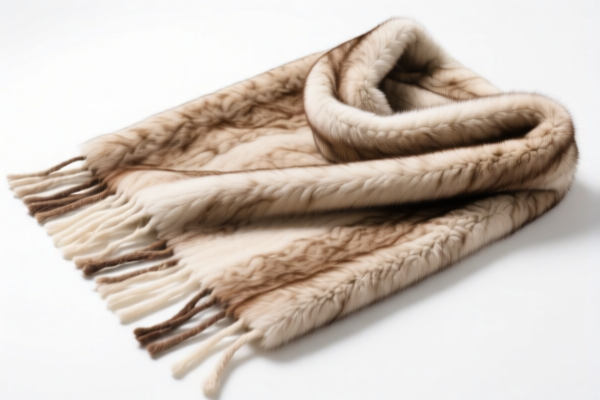
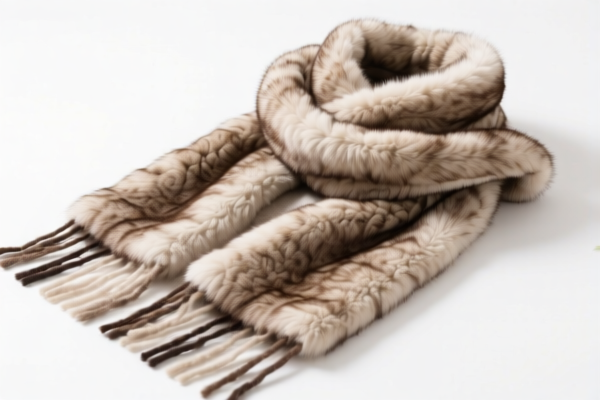
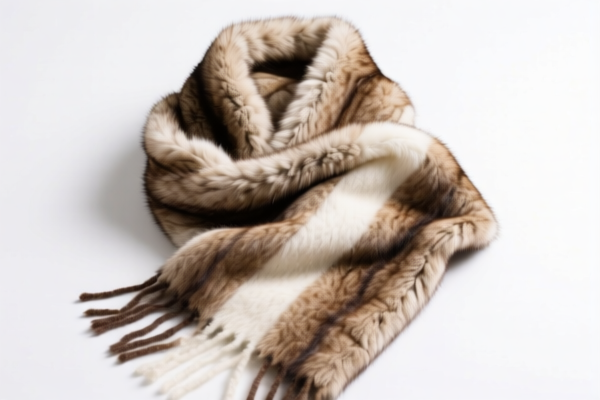
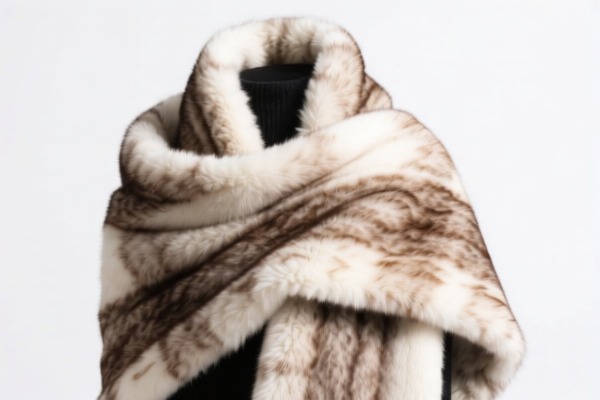
AI Analysis
🐾 Fur Winter Shawls & Accessories (Furskin Apparel & Textiles)
🌐 HS Code Reference & Customs Clearance Guide | 2026 Latest Tariff Analysis | Professional Clearance Strategy
📌 I. Product Definition & Classification: What are "Fur Winter Shawls"?
"Fur winter shawls" generally fall into two distinct categories in international trade, depending on the material and construction method. The HS Code classification is critical because the tax rates differ drastically between genuine fur articles and textile wool/fine animal hair articles.
🧥 Category A: Genuine Fur Articles (4303)
If the shawl, scarf, or accessory is made primarily of furskins (e.g., mink, fox, rabbit, lamb), it is classified under Chapter 43. * Key Feature: Made from animal pelts/skins with the fur retained. * Typical Items: Mink stoles, whole-skin fur shawls, fur-lined winter wraps.
🧶 Category B: Textile/Wool Articles (6117 / 6214)
If the item is a shawl, scarf, or muffler made of woven or knitted textile materials, including wool or fine animal hair (e.g., cashmere, alpaca, camel hair), it is classified under Chapter 61 or 62. * Key Feature: Made from spun yarns/fibers, not whole skins. * Typical Items: Cashmere shawls, wool scarves, knitted fur-look accessories (synthetic or wool blend).
⚠️ Critical Distinction:
- If it is whole fur skin → Chapter 43 (4303)
- If it is knitted/woven wool or fine hair → Chapter 61 or 62 (6117/6214)
📦 II. HS Code Classification Details (2026 Latest Tariff Reference)
Based on the provided data, here is the exact mapping for "Fur Winter Shawls" and related accessories:
| HS Code | Product Description | Material/Type | Key Characteristics |
|---|---|---|---|
4303.10.00.30 |
Articles of apparel and clothing accessories: Of mink | Genuine Fur (Mink) | Specific to mink fur. High value, strict regulation. |
4303.10.00.60 |
Articles of apparel and clothing accessories: Other | Genuine Fur (Other) | Includes fox, rabbit, lamb, etc. (Non-mink furs). |
6117.10.10.00 |
Shawls, scarves...: Of wool or fine animal hair (Knitted) | Wool / Fine Hair (Knitted) | Knitted or crocheted cashmere, alpaca, wool blends. |
6117.10.60.20 |
Shawls, scarves...: Other (Knitted) | Other Textiles (Knitted) | Knitted scarves made of synthetic, cotton, or mixed fibers. |
6214.20.00.00 |
Shawls, scarves...: Of wool or fine animal hair (Woven) | Wool / Fine Hair (Woven) | Woven cashmere, wool, or fine hair shawls. |
6214.90.00.90 |
Shawls, scarves...: Of other textile materials (Woven) | Other Textiles (Woven) | Woven scarves made of silk, polyester, cotton, etc. |
🔍 Focus Reminder:
- "Fur" in the user query usually implies Chapter 43.
- "Winter Shawl" made of wool/cashmere falls under Chapter 61/62.
- Tax Impact: Fur articles (4303) face 29% total tax, while Textile/Wool shawls (6117/6214) face 0% tax. This is a massive cost difference!
💰 III. 2026 Tariff Rate Breakdown (Detailed Tax Explanation)
✅ Applicable Market: United States (US)
✅ Origin: China (CN)
✅ Status: Active (2026 Tariff Schedule)
🎯 1. 🐾 Genuine Fur Shawls & Accessories (HS Code: 4303.10.00.30 & 4303.10.00.60)
These items are subject to high tariffs due to trade restrictions and additional duties.
| Item | Details |
|---|---|
| Base Tariff | 4.0% |
| Additional Duty (Section 301/IEEPA) | 25.0% |
| Total Tax Rate | 29.0% |
| Tax Calculation | CIF Value × 29% |
| De Minimis Exemption? | ❌ No (Generally not applicable for these high-value/high-tariff goods) |
| Legal Basis | USITC: 4303.10.00.30/60 + Footnote: 9903.88.01 |
📌 Explanation:
- The 29% total rate is the sum of the Base Tariff (4%) and the Additional Duty (25%).
- This applies to all articles of mink (4303.10.00.30) and other fur (4303.10.00.60).
- Risk: High tariff impact on profit margins. Importers must budget for nearly 30% of the CIF value in taxes alone.
🎯 2. 🧶 Wool/Fine Animal Hair Shawls (HS Code: 6117.10.10.00 & 6214.20.00.00)
These items are duty-free from both base and additional tariffs.
| Item | Details |
|---|---|
| Base Tariff | 0.0% |
| Additional Duty | 0.0% |
| Total Tax Rate | 0.0% |
| Tax Calculation | CIF Value × 0% = $0 |
| De Minimis Exemption? | ✅ Yes (If value <$800, may enter under Section 321) |
| Legal Basis | USITC: 6117.10.10.00 / 6214.20.00.00 |
📌 Explanation:
- Zero Duty: No base tariff and no additional 25% duty applies to wool or fine animal hair shawls.
- Cost Advantage: Significant savings compared to fur articles.
- Note: This applies only if the material is truly wool or fine animal hair (e.g., cashmere). Synthetic blends may fall under different subheadings but often still enjoy 0% base rates.
🎯 3. 🧵 Other Textile Shawls (HS Code: 6117.10.60.20 & 6214.90.00.90)
Also duty-free.
| Item | Details |
|---|---|
| Base Tariff | 0.0% |
| Additional Duty | 0.0% |
| Total Tax Rate | 0.0% |
| Tax Calculation | CIF Value × 0% = $0 |
| Legal Basis | USITC: 6117.10.60.20 / 6214.90.00.90 |
📌 Explanation:
- Covers knitted or woven shawls made of non-wool/textile materials (e.g., silk, polyester, cotton).
- Also benefits from 0% total tax.
🛠️ IV. Customs Clearance Practical Advice (Avoid Pitfalls)
✅ 1. Preparation Checklist (Mandatory)
| Document | Required? | Notes |
|---|---|---|
| ✅ Product Composition Label | ✔️ | Must clearly state material: "100% Mink Fur" vs. "100% Cashmere Wool". |
| ✅ Commercial Invoice | ✔️ | Describe item accurately: "Mink Fur Stole" vs. "Wool Knitted Shawl". |
| ✅ Material Certificate | ✔️ | For fur: Proof of origin and species. For wool: Proof of fiber content. |
| ✅ CITES Permits (if applicable) | ✔️ | If the fur is from endangered species (e.g., certain furbearers), CITES docs are mandatory. |
| ✅ Photos | ✔️ | Clear images of the item, label, and fur texture. |
✅ 2. Classification Strategy (Critical)
| Scenario | Correct HS Code | Tax Rate | Mistake to Avoid |
|---|---|---|---|
| Mink Fur Stole | 4303.10.00.30 |
29% | ❌ Misclassifying as "Textile Shawl" → Smuggling/Penalty |
| Fox/Rabbit Fur Wrap | 4303.10.00.60 |
29% | ❌ Using "Other Textile" code → Seizure |
| Cashmere Shawl (Knitted) | 6117.10.10.00 |
0% | ❌ Calling it "Fur" → Unnecessary 29% tax |
| Wool Shawl (Woven) | 6214.20.00.00 |
0% | ❌ Wrong material description → Delay |
| Synthetic Scarf | 6117.10.60.20 |
0% | ❌ N/A |
🔥 Golden Rule:
"Fur = 29% Tax; Wool/Textile = 0% Tax."
Always verify the material composition before declaring. Misclassifying wool as fur wastes money; misclassifying fur as wool risks legal penalties.
✅ 3. Special Considerations for Fur
| Issue | Advice |
|---|---|
| Endangered Species | Check CITES lists. If the fur species is protected, you need CITES Import Permits in addition to standard customs docs. |
| Brand Restrictions | Some brands (e.g., Gucci, Burberry) have strict anti-fur policies. Ensure your supplier is authorized to export. |
| Country of Origin | Even if made in China, if the fur is sourced from Canada/US, additional rules may apply. |
🌍 V. Global Market Comparison (2026)
| Country | Fur Shawl Tax | Wool Shawl Tax | Notes |
|---|---|---|---|
| 🇺🇸 USA | 29% | 0% | High duties on fur; 0% on textiles. |
| 🇨🇳 China | Varies | Varies | Import duties may apply for re-export. |
| 🇪🇺 EU | High | 0-6% | EU has strict CITES and animal welfare laws. |
| 🇬🇧 UK | High | 0-6% | Post-Brexit tariffs apply. |
📌 Conclusion:
- USA is 0% for wool/textile shawls, making them highly competitive.
- Fur shawls face a 29% penalty in the US, reducing competitiveness.
- Exporters should consider promoting wool/cashmere products to US markets for lower costs and smoother clearance.
📌 VI. Common Errors & Pitfalls (Lessons Learned)
❌ Error 1: Declaring a Mink Fur Stole as "Wool Shawl" (6117.10.10.00)
👉 Result: Customs inspection reveals real fur → Penalty, seizure, and possible legal action for misdeclaration.
❌ Error 2: Declaring a Cashmere Shawl as "Fur" (4303.10.00.60)
👉 Result: Paying 29% tax unnecessarily when the correct rate is 0%. Financial loss!
❌ Error 3: Ignoring CITES Regulations for exotic fur
👉 Result: Goods held at customs indefinitely, fines, and potential criminal charges.
✅ Correct Practice:
- Use precise language: "100% Mink Fur Stole" or "100% Cashmere Knitted Shawl".
- Provide material test reports if there is any doubt.
- Double-check HS Code based on actual material, not just product type.
🎯 VII. Conclusion: Smart Classification, Maximize Profit!
🎯 Remember:
🔹 "Fur = 29% Tax; Wool = 0% Tax."
🔹 "Misclassification is costly and dangerous."
🔹 "Verify material before declaring!"
📌 Pro Tip:
If you are exporting wool/cashmere shawls to the US, you can leverage Section 321 De Minimis (if value <$800) for even faster and cheaper clearance. For fur, always budget for 29% tax and ensure CITES compliance.
📣 Act Now:
📞 Consult a licensed customs broker for HS Code Pre-Ruling.
🚀 Ensure your product labels match the HS Code description exactly.
💼 Save money, avoid risks, and clear customs smoothly!
✨ Professional Customs Clearance Starts with Accurate Classification!
💼 Every dollar saved in tariffs is pure profit!
Customer Reviews
About HS Code Classification
The Harmonized System (HS) is an internationally standardized nomenclature developed by the World Customs Organization (WCO) to classify traded products. Over 200 countries use the HS system as the basis for customs tariffs, trade statistics, and import/export regulations.
Each HS code follows a hierarchical structure:
- Chapter (2 digits) — Broad category of goods (e.g., Chapter 84: Machinery and Mechanical Appliances)
- Heading (4 digits) — More specific grouping within the chapter
- Subheading (6 digits) — Internationally standardized breakdown, used by all WCO member countries
- National subdivisions (8-10 digits) — Country-specific extensions for further classification, such as US HTSUS 10-digit codes
Correct HS code classification is essential for smooth customs clearance, accurate duty payment, and compliance with trade regulations. Misclassification can lead to customs delays, overpayment of duties, or penalties.
When importing from CN to US, the applicable tariff rates may include:
- Most-Favored-Nation (MFN) rate — The standard duty rate applied to WTO members
- General rate — Applied to countries without trade agreements
- Trade remedy duties — Additional tariffs such as Section 301 (anti-dumping), Section 232 (national security), or countervailing duties
The information provided on this page is for reference purposes only. For official classification, please consult with your local customs authority or a licensed customs broker.