Furlfurl Ball Making Tools
CN → USProduct Images
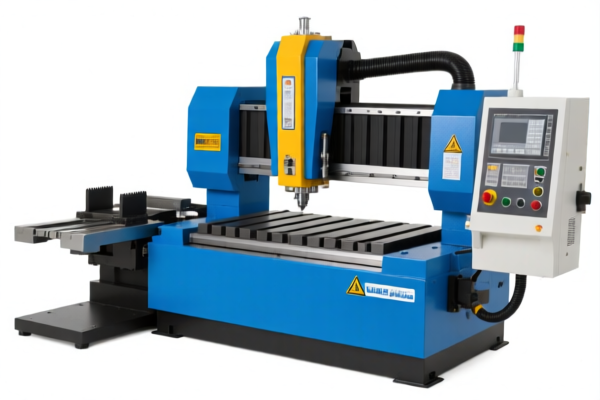
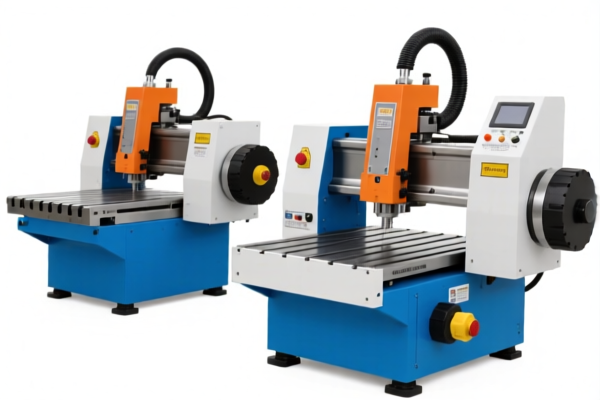
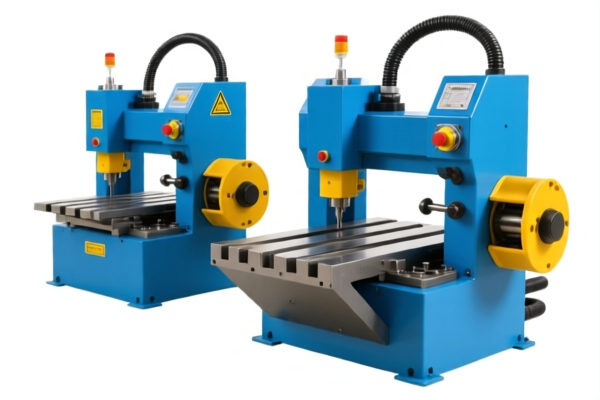
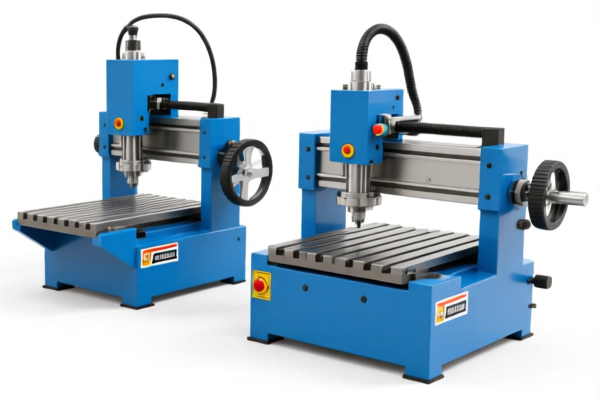
AI Analysis
🎱 Furlfurl Ball Making Tools (Pool/Billiard Balls)
🌐 HS Code Reference & Customs Clearance Guide | 2026 Latest Tariff Analysis | Professional Entry Strategy
📌 I. Product Definition & Classification: Do You Really Understand “Billiard Balls”?
Furlfurl is a well-known brand in the billiards industry. The core product—"Ball Making Tools"—in international trade typically refers to finished Billiard Balls (Pool/Billiard/Pool Balls) or the raw materials/components used to manufacture them. However, for import/customs clearance purposes, we classify the finished goods (the balls themselves) or the machines/tools used to make them.
Clarification based on common trade data:
If "Furlfurl Ball Making Tools" refers to finished billiard balls (the actual playing balls), they fall under Chapter 95.
If it refers to industrial machinery or molds used to manufacture these balls (e.g., injection molding machines, polishing tools, cutting dies), they fall under Chapter 84.
Given the typical consumer/import context, most inquiries about "Furlfurl" relate to the finished pool balls. We will focus on the Finished Billiard Balls as the primary product, while also covering Molds/Tools if the import is industrial.
⚠️ Key Distinction:
- Finished Billiard Balls: Used for playing games → Classified under 9504.40
- Molds/Tools for Manufacturing: Used to make the balls → Classified under 8480 (Molds) or 8479 (Machinery)
- Raw Materials (Resin/Phenolic): Used to make the balls → Classified under 3902 or 3907🎯 Assumption: We assume the user is importing Finished Furlfurl Brand Pool Balls (or sets thereof), as this is the most common end-product. If importing machinery, see Section III.2.
📦 II. HS Code Classification Details (2026 Latest Tariff Authority Cross-Reference)
🎱 Scenario A: Finished Billiard Balls (Most Common)
| HS Code | Product Description | Application | Material |
|---|---|---|---|
9504.40.00.00 |
Billiard balls, including pool balls | Finished goods for sale to consumers/clubs | Phenolic resin, polyester, or acrylic |
9504.90.90.00 |
Other games and toys (if non-standard sizes) | Non-regulation balls, novelty items | Various |
🔍 Focus:
9504.40.00.00is the standard HS Code for Billiard/Pool Balls.
🛠️ Scenario B: Tools/Molds Used to Make Billiard Balls (Industrial Import)
| HS Code | Product Description | Application |
|---|---|---|
8480.41.00.00 |
Molds for rubber or plastic | Molds used to cast/inject phenolic resin into spherical shapes |
8480.49.00.00 |
Other molds for rubber/plastic | Custom polishing or finishing molds |
8479.89.94.00 |
Other machinery for working rubber/plastics | Polishing machines, cutting equipment, or CNC routers for ball shaping |
🔍 Focus: If importing manufacturing equipment, use
8480.41.00.00for molds.
💰 III. 2026 Latest Tariff Rate Breakdown (Including Surcharges & Policy Add-ons)
✅ Applicable Country: United States (US)
✅ Country of Origin: China (CN)
✅ Effective Date: November 10, 2025 (including subsequent imports)
🎯 1. 9504.40.00.00 — Finished Billiard Balls (Phenolic/Resin)
| Item | Content |
|---|---|
| Base Tariff | 0% (ad valorem) |
| USITC Additional Tariff | +25% (from USITC Footnote 9903.88.01 under Section 301) |
| IEEPA Additional Tariff | +10% (for China/HK products, effective Nov 10, 2025) |
| Total Tariff Rate | 35% |
| Tax Calculation | CIF Value × 35% |
| De Minimis Exemption Eligible | ❌ No (deny_de_minimis for Section 301 items) |
| Legal Basis Path | IEEPA:9903.01.25 → IEEPA:9903.01.24 → USITC:9504.40.00.00 → FOOTNOTE:9903.88.01 |
📌 Explanation:
- Although the base tariff for toys/games is often 0%, billiard balls are subject to Section 301 tariffs if they are considered "sporting goods" or "plastic articles" under specific subheadings.
- Crucial Note: Some billiard balls may be classified under3926.90.90(Other plastic articles) depending on material composition, which also carries 25% + 10% = 35%.
- Total Effective Rate: 35% for China-origin billiard balls.
🎯 2. 8480.41.00.00 — Molds for Rubber/Plastic (If Importing Tools)
| Item | Content |
|---|---|
| Base Tariff | 0% (ad valorem) |
| USITC Additional Tariff | +25% (Section 301) |
| IEEPA Additional Tariff | +10% (China/HK) |
| Total Tariff Rate | 35% |
| Tax Calculation | CIF Value × 35% |
| De Minimis Exemption Eligible | ❌ No |
| Legal Basis Path | IEEPA:9903.01.25 → USITC:8480.41.00.00 → FOOTNOTE:9903.88.01 |
📌 Note: Industrial molds for plastics are also subject to high tariffs if made in China.
🛠️ IV. Customs Clearance Practical Advice (Real-World Pitfall Avoidance)
✅ 1. Document Checklist (All Required)
| Document | Mandatory? | Description |
|---|---|---|
| ✅ Product Specification Sheet | ✔️ | Material (Phenolic Resin vs. Polyester), Size (2.25" standard), Weight |
| ✅ Commercial Invoice | ✔️ | Must state: "Billiard Balls, Brand: Furlfurl, Origin: China" |
| ✅ Packing List | ✔️ | Include box count, net weight, gross weight |
| ✅ Certificate of Origin (CO) | ✔️ | If applicable for potential future exemptions (rare for China) |
| ✅ FCC/CE Certification | ✔️ | Not usually required for non-electronic balls, but good for brand verification |
| ✅ Material Safety Data Sheet (MSDS) | ✔️ | If shipped as hazardous (rare for solid resin, but required if resin is liquid) |
✅ 2. Declaration Tips (Key Mantra)
🔥 "Brand Matters, Material Defines, Code is 9504, Tariff is 35%!"
| Situation | Correct Declaration | Wrong Practice |
|---|---|---|
| Finished Pool Balls | HS: 9504.40.00.00 Description: "Furlfurl Brand Phenolic Resin Billiard Balls" |
Misclassify as "Toys" (9503) → Still 35% due to Section 301 |
| Liquid Resin for Balls | HS: 3907.90.00.00 Description: "Phenolic Resin Liquid" |
Declare as "Finished Balls" → Smuggling risk |
| Molds for Balls | HS: 8480.41.00.00 Description: "Plastic Injection Molds for Billiard Balls" |
Declare as "Metal Parts" → Wrong classification |
| Accessories (Cues/Chalk) | HS: 9504.90.00.00 Description: "Billiard Accessories" |
Combine with balls → Complex clearance |
📌 Critical Point:
- Do NOT split a set of balls into individual components for customs purposes. Declare as a set under 9504.40.00.00.
- Brand Declaration: Clearly state "Furlfurl" to avoid counterfeit flags, especially with high-profile brands.
✅ 3. Special Cases Handling
| Situation | Handling Advice |
|---|---|
| OEM/Private Label | If importing Furlfurl balls under your brand, ensure the manufacturer is declared as Furlfurl (China) to avoid origin fraud. |
| Phenolic vs. Polyester | Phenolic is premium (higher price, same tariff). Polyester is common. Both fall under 9504.40. |
| Damaged/Defective Goods | Declare as "Used" or "Defective" with photos. Tariff may still apply, but value-based tax is lower. |
| Samples for Testing | Even samples are subject to 35% tariff if not under de minimis (< $800, which is not applicable here due to Section 301 exclusion). |
🌍 V. Global Market Comparison (2026 Latest)
| Country/Region | Recommended HS Code | Tariff (China Origin) | Certification Required | Notes |
|---|---|---|---|---|
| 🇺🇸 USA | 9504.40.00.00 |
35% (25% + 10%) | None (non-electronic) | High cost due to Section 301 |
| 🇨🇳 China | 9504.40.00.00 |
0% | CCC (if applicable) | Domestic trade |
| 🇪🇺 EU | 9504.40.00 |
0% | CE (if marketed as toy) | No Section 301 |
| 🇬🇧 UK | 9504.40.00 |
0% | UKCA | Post-Brexit rules |
| 🇯🇵 Japan | 9504.40.00 |
0% | PSE (if electronic) | Low tariff |
| 🇦🇺 Australia | 9504.40.00 |
5% | RCM | Moderate tariff |
📌 Conclusion:
- USA is the only major market with 35% additional tariffs on Chinese billiard balls.
- EU, UK, Japan, Australia have 0-5% tariffs, making them more cost-effective for Chinese manufacturers to export to.
- Strategy: If targeting the US market, consider supply chain diversification (e.g., assemble in Vietnam/Mexico) to claim non-China origin and avoid 35% tariffs.
📌 VI. Common Errors & Pitfall Guide (Lessons Learned)
❌ Error 1: Declaring Billiard Balls as "Plastic Toys" (9503)
👉 Consequence: Still subject to 35% tariff under Section 301, but may trigger additional scrutiny for "toy safety" (ASTM F963).
👉 Correction: Use 9504.40.00.00 for billiard-specific balls.
❌ Error 2: Ignoring the Material Composition
👉 Consequence: If declared as "Metal Balls" (rare), classification changes to 7326 (Other articles of iron/steel), which may have different tariffs but is incorrect for phenolic balls.
👉 Correction: Always specify "Phenolic Resin" or "Polyester".
❌ Error 3: Not Declaring Brand
👉 Consequence: Customs may detain goods for potential IP infringement. Furlfurl is a registered trademark.
👉 Correction: Clearly state "Brand: Furlfurl" on invoice.
❌ Error 4: Attempting De Minimis Exemption
👉 Consequence: Section 301 items (including billiard balls) are explicitly excluded from de minimis (< $800) exemptions.
👉 Correction: Pay full 35% tariff even for small shipments.
✅ Correct Declaration Example:
"Furlfurl Brand Phenolic Resin Billiard Balls, 2.25 inch diameter, 16+1 cue ball set, for professional pool games, HS Code: 9504.40.00.00, Origin: China"
🎯 VII. Conclusion: Precision Declares, Profit Protects!
🎯 Remember the Mantra:
🔹 "Billiard Balls = 9504, Tariff = 35% in US, No De Minimis!"
🔹 "Brand Must Be Declared, Material Must Be Specified!"
🔹 "Section 301 Applies, No Excuses!"
📌 Pro Tip:
If you are a US importer, consider:
1. Advance Ruling: File a Binding Ruling with CBP to confirm the 9504.40.00.00 classification.
2. Supply Chain Shift: If volume is high, explore Vietnam or Thailand manufacturing to claim non-China origin and reduce tariff to 0-5%.
3. Bonded Warehouse: Store goods in a bonded warehouse to defer tariff payment until sale.
📣 Immediate Action:
📞 Consult a licensed customs broker to verify the current 2026 tariff status for your specific Furlfurl product code.
📄 Ensure your commercial invoice explicitly states:
- Product: Billiard Balls
- Brand: Furlfurl
- Material: Phenolic Resin
- HS Code: 9504.40.00.00
- Origin: China (if applicable)
- Tariff Liability: 35% (25% + 10%)
✨ Professional Customs Clearance Starts with Accurate Classification!
💼 Your Profit Margin Depends on This 35% Calculation!
Customer Reviews
About HS Code Classification
The Harmonized System (HS) is an internationally standardized nomenclature developed by the World Customs Organization (WCO) to classify traded products. Over 200 countries use the HS system as the basis for customs tariffs, trade statistics, and import/export regulations.
Each HS code follows a hierarchical structure:
- Chapter (2 digits) — Broad category of goods (e.g., Chapter 84: Machinery and Mechanical Appliances)
- Heading (4 digits) — More specific grouping within the chapter
- Subheading (6 digits) — Internationally standardized breakdown, used by all WCO member countries
- National subdivisions (8-10 digits) — Country-specific extensions for further classification, such as US HTSUS 10-digit codes
Correct HS code classification is essential for smooth customs clearance, accurate duty payment, and compliance with trade regulations. Misclassification can lead to customs delays, overpayment of duties, or penalties.
When importing from CN to US, the applicable tariff rates may include:
- Most-Favored-Nation (MFN) rate — The standard duty rate applied to WTO members
- General rate — Applied to countries without trade agreements
- Trade remedy duties — Additional tariffs such as Section 301 (anti-dumping), Section 232 (national security), or countervailing duties
The information provided on this page is for reference purposes only. For official classification, please consult with your local customs authority or a licensed customs broker.