Furniture
CN → US| HS Code | Tariff Rate | Origin | Destination | Doc |
|---|---|---|---|---|
| 9403704003 | 35.0% | CN | US | Official Doc |
| 9403704031 | 35.0% | CN | US | Official Doc |
| 9403910080 | 35.0% | CN | US | Official Doc |
| 9402900020 | 10.0% | CN | US | Official Doc |
| 9402100000 | 10.0% | CN | US | Official Doc |
Product Images
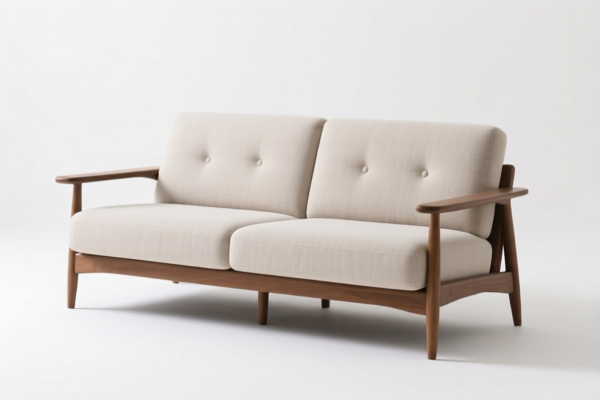
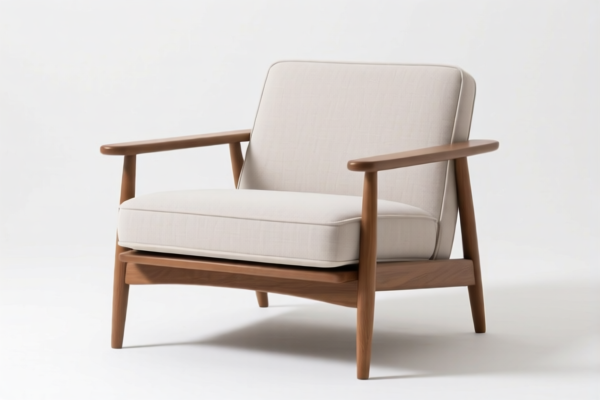
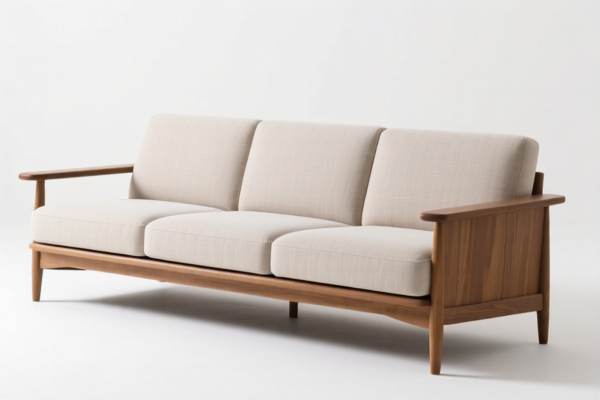
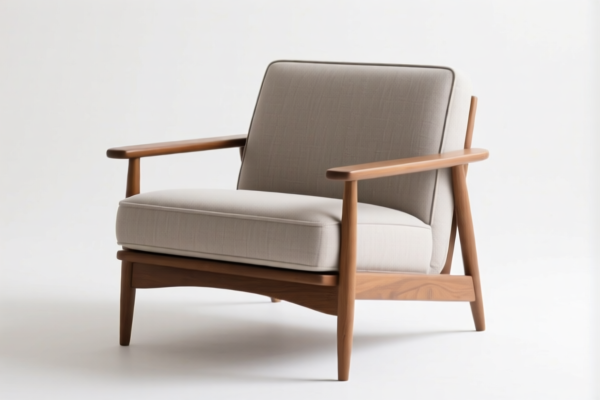
AI Analysis
🪑 Furniture (Generic Furniture & Parts)
🌐 HS Code Reference & Customs Clearance Guide | 2026 Latest Tariff Analysis | Professional Clearance Strategy
📌 I. Product Definition & Classification: Do You Really Understand "Furniture"?
Furniture, in international trade, is a broad category primarily covering items for sitting, sleeping, storage, or display. However, the Harmonized System (HS) classifies them based on material composition and structural integrity (complete vs. parts). Misclassification is common because "wooden," "metal," or "plastic" furniture often fall under different headings if not specified correctly.
⚠️ Key Distinction:
- Complete Furniture: Items that are fully assembled or require minimal assembly, designed for their primary function (sitting, sleeping, etc.).
- Furniture Parts: Components like legs, seats, backs, or frames that cannot perform the function of furniture on their own.
- Material Matters: While the provided data focuses on "fallback" rules, material specificity is the primary driver for HS codes. If no specific material (e.g., 9403.30 for wooden) applies, it falls into general or other categories.
📦 II. HS Code Classification Details (2026 Latest Tariff Authority Comparison)
The following HS codes are derived from fallback rules for generic furniture or parts where no obvious material conflict exists. These codes assume the item is either general furniture or parts of specific furniture categories (chairs/other furniture).
| HS Code | Product Description | Application Scenario | Conflict Status |
|---|---|---|---|
9403.70.40.03 |
General Furniture | Fallback for generic furniture; no obvious material conflict. | ✅ No Conflict |
9403.70.40.31 |
General Furniture | Fallback for general furniture based on basic function. | ✅ No Conflict |
9403.91.00.80 |
Furniture Parts | Parts matching form/function; no material conflict. | ✅ No Conflict |
9402.90.00.20 |
Furniture Parts (Chairs) | Fallback for chair parts; no material conflict. | ✅ No Conflict |
9402.10.00.00 |
Furniture Parts (Chairs) | Parts falling under "chairs" category. | ✅ No Conflict |
9401.91.90.90 |
Furniture Parts (Chairs) | Fallback for chair parts; default tendency for other categories. | ✅ No Conflict |
🔍 Important Note:
- Codes9403.70...generally refer to Furniture of Other Materials (often plastic, bamboo, or mixed materials not specified elsewhere).
- Codes9402...and9401...refer to Chairs and Seats. Parts of chairs often follow the parent product's heading.
- "Fallback Rule": These codes are used when the specific material (wood, metal, etc.) is not clearly defined or does not fit into the primary material-based subheadings.
💰 III. 2026 Latest Tariff Rate Breakdown (Including Surtaxes & Policy Add-ons)
✅ Applicable Country: United States (US)
✅ Country of Origin: China (CN)
✅ Effective Date: Current Trade Policy (Section 301 & 122)
🎯 1. High-Tariff Category (General Furniture & Some Parts)
Applicable HS Codes:
- 9403.70.40.03
- 9403.70.40.31
- 9403.91.00.80
- 9401.91.90.90
| Item | Content |
|---|---|
| Base Duty Rate | 0.0% |
| Section 301 Surcharge | +25.0% (USITC Footnote related to Chinese imports) |
| Section 122 Surcharge | +10.0% (Additional levy on Chinese goods) |
| Total Effective Rate | 35.0% |
| Tax Calculation | CIF Value × 35% |
| De Minimis Exemption | ❌ Not Applicable (High tariffs usually negate Section 321 benefits for formal entries) |
| Legal Basis Path | USITC:9403.xxxx → SECTION_301 → SECTION_122 |
📌 Explanation:
- These codes attract the maximum standard trade war tariffs.
- The 25% Section 301 duty is the baseline for many furniture items from China.
- The 10% Section 122 duty is an additional layer, bringing the total to 35%.
- Cost Impact: High. Importers must factor this into landed cost calculations.
🎯 2. Low-Tariff Category (Specific Chair Parts)
Applicable HS Codes:
- 9402.90.00.20
- 9402.10.00.00
| Item | Content |
|---|---|
| Base Duty Rate | 0.0% |
| Section 301 Surcharge | 0.0% (Exempted or not listed for these specific sub-codes in current data) |
| Section 122 Surcharge | +10.0% |
| Total Effective Rate | 10.0% |
| Tax Calculation | CIF Value × 10% |
| De Minimis Exemption | ❌ Not Applicable (Formal entry required) |
| Legal Basis Path | USITC:9402.xxxx → SECTION_122 |
📌 Explanation:
- These codes represent parts of chairs (9402).
- Notably, they do not carry the 25% Section 301 surcharge in this dataset, only the 10% Section 122.
- Cost Impact: Significantly lower than general furniture (10% vs. 35%).
- Strategy: If you are importing replaceable chair parts, ensure they are classified under9402rather than generic furniture parts to save 25% in duties.
🛠️ IV. Customs Clearance Practical Advice (Real-World Pitfall Guide)
✅ 1. Documentation Checklist (Non-Negotiable)
| Document | Required | Notes |
|---|---|---|
| ✅ Commercial Invoice | ✔️ | Must clearly state "Furniture" or "Furniture Parts" and HS Code. |
| ✅ Packing List | ✔️ | Detail dimensions, weight, and number of packages. |
| ✅ Product Photographs | ✔️ | Show the item fully assembled (for 9403) or clearly identifiable as parts (for 9402/9401). |
| ✅ Material Declaration | ✔️ | Even for "fallback" codes, customs may ask for material proof to rule out wood/leather conflicts. |
| ✅ Certificate of Origin (CO) | ✔️ | Mandatory for claiming origin and avoiding anti-dumping duties. |
✅ 2. Classification Strategy (The "Parts vs. Product" Trap)
🔥 "Know Your Category: Complete Furniture = 35%, Chair Parts = 10%!"
| Scenario | Correct HS Code | Tax Rate | Risk of Misclassification |
|---|---|---|---|
| Full Dining Table | 9403.70.40.03 |
35% | Low (if plastic/mixed) |
| Office Chair | 9401.91.90.90 (Parts) or 9401.xx (Complete) |
35% | High (Check if it's a seat vs. part) |
| Replacement Chair Leg | 9402.10.00.00 |
10% | Critical - Misclassifying as "Furniture" triggers 35%. |
| Generic Bookshelf | 9403.70.40.31 |
35% | Medium (Ensure material isn't wooden 9403.30) |
💡 Pro Tip:
If you are importing spare parts for chairs, explicitly declare them as "Parts of Chairs" and use9402or9401HS codes. Do not lump them under "Furniture Parts" (9403.91) if they are specifically for chairs, as this could trigger the higher 35% rate.
✅ 3. Special Handling Cases
| Situation | Action |
|---|---|
| Mixed Materials | If furniture has wood, metal, and plastic, the primary material dictates the code. If no clear primary material, use the 9403.70 fallback. |
| Kit Sets | If furniture is sold as a kit, it is still classified as Furniture, not parts. Expect 35% duty. |
| Outdoor Furniture | Often falls under 9403.70 (plastic/wicker) or 9403.89 (other). Verify material. |
| Smart Furniture | If it contains electronics (e.g., massage chair), it may cross into Chapter 85. Ensure correct boundary. |
🌍 V. Global Market Comparison (2026 Snapshot)
| Country/Region | Recommended HS Code | Duty Rate (China Origin) | Key Requirement |
|---|---|---|---|
| 🇺🇸 USA | 9403.70.40.03 / 9402.10.00.00 |
35% / 10% | COO, Section 301/122 Compliance |
| 🇨🇳 China | 9403.70.40.03 |
5-10% (Import) | CCC (if applicable) |
| 🇪🇺 EU | 9403.70 |
0% (Most WTO MFN) | CE (if electrical), EPR |
| 🇨🇦 Canada | 9403.70 |
0% (CUSMA if applicable) | Certificate of Origin |
📌 Conclusion:
- The USA is the most tariff-sensitive market for Chinese furniture.
- Classifying parts correctly (e.g., chair parts vs. general furniture) can save 25% in duties.
- Always verify if the product is truly "generic" or if it has a specific material classification that might conflict with these fallback codes.
📌 VI. Common Errors & Pitfalls (Lessons Learned)
❌ Error 1: Declaring "Furniture Parts" as "General Furniture"
👉 Consequence: Pays 35% instead of 10% for chair parts. Overpayment!
❌ Error 2: Ignoring Section 122 Surcharge
👉 Consequence: Underestimates landed cost by 10%. Cash flow shock!
❌ Error 3: Assuming "Plastic" means 9403.70 without verification
👉 Consequence: If it's actually "Wood" or "Metal," customs may reclassify and add penalties. Compliance Risk!
✅ Correct Practice:
"Furniture, Plastic, General Use, Model XYZ" →
9403.70.40.03
"Chair Part, Seat Base, Plastic, for Model ABC" →9402.10.00.00
🎯 VII. Conclusion: Precision Saves Money!
🎯 Remember:
🔹 "Furniture Parts = Lower Duty (if Chair)"
🔹 "General Furniture = High Duty (35%)"
🔹 "Always Declare Origin & Material Clearly"
📌 Tip:
For high-volume imports, consider Advance Ruling from U.S. Customs and Border Protection (CBP) to lock in the HS code and duty rate, avoiding unexpected audits.
📣 Action Item:
📞 Review your bill of lading for "Furniture Parts" and ensure they map to
9402or9401if applicable.
🚀 Optimize your supply chain by mastering HS classification!
✨ Professional Clearance Starts with Accurate Classification!
💼 Every Dollar Saved in Duties is Pure Profit!
Customer Reviews
About HS Code Classification
The Harmonized System (HS) is an internationally standardized nomenclature developed by the World Customs Organization (WCO) to classify traded products. Over 200 countries use the HS system as the basis for customs tariffs, trade statistics, and import/export regulations.
Each HS code follows a hierarchical structure:
- Chapter (2 digits) — Broad category of goods (e.g., Chapter 84: Machinery and Mechanical Appliances)
- Heading (4 digits) — More specific grouping within the chapter
- Subheading (6 digits) — Internationally standardized breakdown, used by all WCO member countries
- National subdivisions (8-10 digits) — Country-specific extensions for further classification, such as US HTSUS 10-digit codes
Correct HS code classification is essential for smooth customs clearance, accurate duty payment, and compliance with trade regulations. Misclassification can lead to customs delays, overpayment of duties, or penalties.
When importing from CN to US, the applicable tariff rates may include:
- Most-Favored-Nation (MFN) rate — The standard duty rate applied to WTO members
- General rate — Applied to countries without trade agreements
- Trade remedy duties — Additional tariffs such as Section 301 (anti-dumping), Section 232 (national security), or countervailing duties
The information provided on this page is for reference purposes only. For official classification, please consult with your local customs authority or a licensed customs broker.