Furniture Accessories Chair Accessories
CN → US| HS Code | Tariff Rate | Origin | Destination | Doc |
|---|---|---|---|---|
| 7326908688 | 87.9% | CN | US | Official Doc |
| 3926305000 | 22.8% | CN | US | Official Doc |
| 7326190080 | 87.9% | CN | US | Official Doc |
| 3926301000 | 24.0% | CN | US | Official Doc |
Product Images
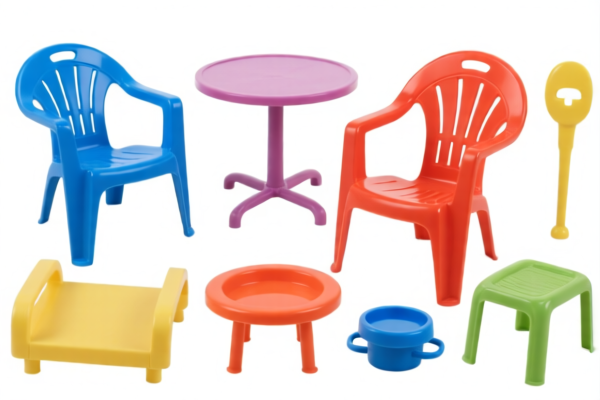
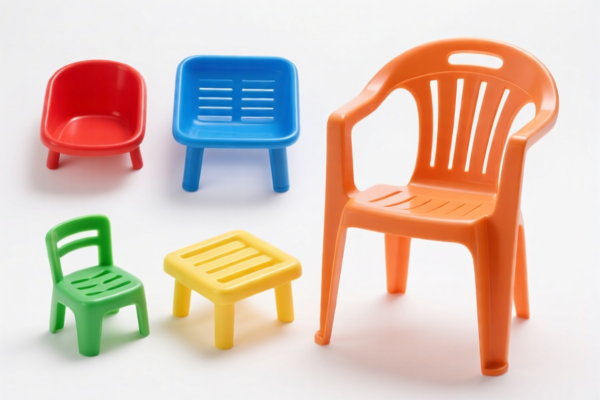
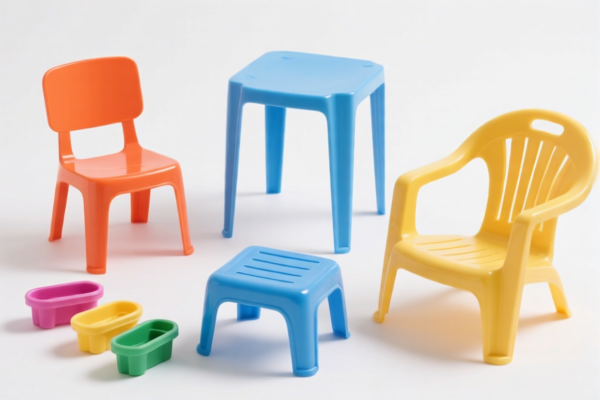
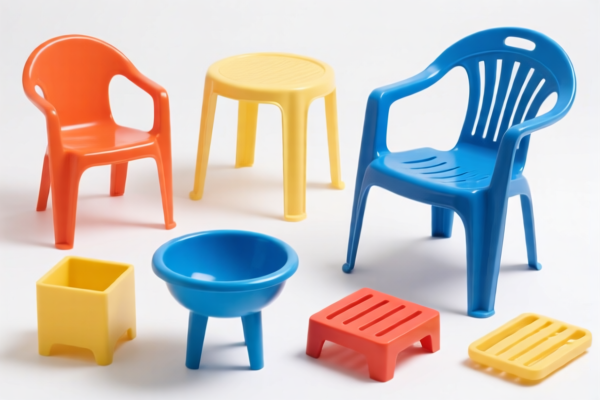
AI Analysis
🪑 Furniture & Chair Accessories: HS Code Classification & US Customs Clearance Guide (2026)
🌐 HS Code Reference & Customs Clearance Guide | Latest 2026 Tariff Analysis | Professional Compliance Strategy
📌 1. Product Definition & Classification: What Exactly Are "Chair Accessories"?
In international trade, "Furniture Accessories" and "Chair Accessories" are broad categories that refer to parts, components, or fittings used to assemble, adjust, or repair seating furniture. They are not complete chairs.
Common examples include: - Metal/Steel Parts: Seat frames, backrest supports, armrest brackets, legs, crossbars. - Plastic/Synthetic Parts: Armrest caps, seat cushions, sliders, casters (wheels), connectors, fasteners. - Hardware: Screws, bolts, hinges, adjustment mechanisms, gas lift pistons.
⚠️ Critical Distinction:
- If the item is a complete chair, it falls under HS 9401.
- If the item is a part/accessory for a chair, it must be classified based on its material composition and function, typically under Chapter 73 (Iron/Steel) or Chapter 39 (Plastics).
- Misclassification is common: Declaring a steel chair frame as "Furniture Part" without specifying material can lead to delays or penalties.
📦 2. HS Code Classification Details (Based on Provided Data)
Based on the material and function, chair accessories are primarily classified into two main groups: Metal (Steel/Iron) and Plastic/Synthetic.
| HS Code | Summary/Description | Material | Tax Rate (Total) | Key Tax Details |
|---|---|---|---|---|
| 7326.90.86.88 | Other articles of iron or steel; inferred as metal chair components | Iron/Steel | 87.9% | Base: 2.9%, Section 301: 25%, Section 122 (Steel): 50% |
| 7326.19.00.80 | Other articles of iron or steel (as spare parts); inferred as steel chair parts | Iron/Steel | 87.9% | Base: 2.9%, Section 301: 25%, Section 122 (Steel): 50% |
| 3926.30.50.00 | Other articles of plastics; inferred as plastic/synthetic furniture/chair parts | Plastic | 22.8% | Base: 5.3%, Section 301: 7.5%, Section 122: 10% |
| 3926.30.10.00 | Other articles of plastics; inferred as plastic furniture accessories | Plastic | 24.0% | Base: 6.5%, Section 301: 7.5%, Section 122: 10% |
🔍 Key Takeaway:
- Metal parts incur a significantly higher total tax rate (87.9%) due to the Section 122 tariff (50%) on steel/aluminum products.
- Plastic parts have a much lower total tax rate (22.8% - 24.0%).
- Material verification is crucial: Misdeclaring plastic parts as metal (or vice versa) can result in severe penalties.
💰 3. 2026 US Tariff Rate Breakdown (Detailed Analysis)
✅ Applicable Country: United States (US)
✅ Origin: China (CN) (Assumed based on Section 122 & 301 context)
✅ Effective Date: Current rates apply as per 2026 data
🎯 1. Metal Chair Accessories (HS 7326.90.86.88 / 7326.19.00.80)
| Item | Detail |
|---|---|
| Base Duty Rate | 2.9% (Ad Valorem) |
| Section 301 Duty | +25.0% (Trade Remedy Tariff) |
| Section 122 Duty | +50.0% (Steel/Aluminum/Coal Tariff) |
| Total Duty Rate | 87.9% |
| Calculation | CIF Value × 87.9% |
| De Minimis Exemption | ❌ Not Eligible |
| Legal Basis | HTSUS 7326.90.86.88 / 7326.19.00.80 + USITC Footnotes + IEEPA/Section 122 |
📌 Explanation:
- The 50% Section 122 tariff is applied specifically to steel and aluminum products originating from China. This makes metal chair frames, legs, and brackets extremely expensive to import.
- The 25% Section 301 tariff is a general trade remedy tariff on Chinese goods.
- Total: 87.9% is a massive cost driver. Companies must consider alternative sourcing (e.g., Vietnam, Mexico) or value-added processing to mitigate this.
🎯 2. Plastic Chair Accessories (HS 3926.30.50.00 / 3926.30.10.00)
| Item | Detail |
|---|---|
| Base Duty Rate | 5.3% (HS 3926.30.50.00) OR 6.5% (HS 3926.30.10.00) |
| Section 301 Duty | +7.5% |
| Section 122 Duty | +10.0% |
| Total Duty Rate | 22.8% (for .50.00) OR 24.0% (for .10.00) |
| Calculation | CIF Value × 22.8% / 24.0% |
| De Minimis Exemption | ❌ Not Eligible |
| Legal Basis | HTSUS 3926.30.x0.00 + USITC Footnotes + IEEPA |
📌 Explanation:
- Plastic parts face a much lower burden. The Section 122 tariff for plastics is only 10% (compared to 50% for steel).
- The Section 301 tariff for plastics is 7.5% (compared to 25% for steel).
- Total: ~23-24% is manageable but still significant.
- Differentiation:
- 3926.30.50.00: Often used for more general plastic articles.
- 3926.30.10.00: Specifically for "Other articles of plastics" that may include specific furniture fittings.
🛠️ 4. Customs Clearance Practical Advice (Avoiding Pitfalls)
✅ 1. Preparation Checklist (Mandatory Documents)
| Document | Requirement | Purpose |
|---|---|---|
| ✅ Product Specifications | ✔️ Must include material (Steel/Plastic), dimensions, weight. | To confirm HS Code classification (Metal vs. Plastic). |
| ✅ Material Test Report | ✔️ ISO, RoHS, or SGS report stating composition. | Critical to prove if part is steel or plastic. Misdeclaration leads to audits. |
| ✅ Product Photos | ✔️ Clear images of the part, label, and packaging. | Visual verification by CBP (Customs and Border Protection). |
| ✅ Commercial Invoice | ✔️ Must state: "Plastic Chair Armrest" or "Steel Chair Leg", NOT just "Furniture Accessory". | Prevents ambiguity. Generic terms raise red flags. |
| ✅ Packing List | ✔️ Itemized list of all accessories. | Ensures quantity matches invoice. |
| ✅ Country of Origin Certificate | ✔️ If claiming preferential rates under USMCA (Mexico/Canada). | Potential tax savings if parts are sourced from USMCA countries. |
✅ 2. Declaration Best Practices
🔥 Golden Rule: "Declare Material First, Function Second!"
| Scenario | Correct Declaration | Incorrect Declaration | Consequence |
|---|---|---|---|
| Steel Chair Frame | "Steel Chair Frame Component, HS 7326.90.86.88" | "Furniture Part" | CBP reclassifies, delays shipment, applies correct tax + penalty. |
| Plastic Armrest Cap | "Plastic Armrest Cap, HS 3926.30.50.00" | "Plastic Accessory" | Ambiguity may lead to audit. |
| Mixed Package (Steel + Plastic) | Split Declaration: List steel and plastic items separately with their respective HS Codes. | "Mixed Furniture Parts" | High risk of classification error. Must split for accurate duty calculation. |
✅ 3. Special Cases & Mitigation Strategies
| Situation | Strategy |
|---|---|
| High Metal Duty (87.9%) | Consider supply chain diversification: Source steel parts from Vietnam or Mexico (check for USMCA eligibility) to avoid Section 122. |
| Plastic Parts with Metal Inserts | If a plastic part has a metal core/screw, it may be classified as steel (Chapter 73). Ensure metal content is minimal or removable to stay in Chapter 39. |
| Gas Lift/Pistons | These are mechanical devices. If primarily metal, they fall under HS 7326. If they contain significant hydraulic/pneumatic components, check HS 8412 (Engines/Pumps) – but usually, chair lift parts are still 7326. |
| Casters/Wheels | Plastic wheels with metal axles: Often classified as 8708.99 (Vehicle parts) or 9403.90 (Furniture parts). If classified as 9403.90, check if Section 122 applies. Note: The provided data does not include 9403.90, so stick to 7326/3926 if they are simple parts. |
🌍 5. Global Market Comparison (2026)
| Country | Recommended HS Code (Chair Parts) | Duty Rate (China Origin) | Notes |
|---|---|---|---|
| 🇺🇸 USA | 7326.90.86.88 (Steel) / 3926.30.50.00 (Plastic) | 87.9% (Steel) / 22.8% (Plastic) | High Section 122 & 301 tariffs. |
| 🇨🇳 China | 7326.90 / 3926.30 | ~2-6% | Low import duty, but export taxes may apply. |
| 🇪🇺 EU | 7326.90 / 3926.30 | 0-4.5% | No Section 122 equivalent. Standard MFN rates apply. |
| 🇲🇽 Mexico | 7326.90 / 3926.30 | 0% (under USMCA if compliant) | Best alternative for US-bound goods. |
| 🇻🇳 Vietnam | 7326.90 / 3926.30 | 0-10% (under GSP or bilateral treaties) | Check for anti-circumvention rules. |
📌 Conclusion:
- USA is the most expensive market due to Section 122 (Steel) and Section 301 tariffs.
- Mexico (USMCA) is the best alternative for metal parts to avoid Section 122.
- Plastic parts are less penalized globally.
📌 6. Common Mistakes & Pitfalls (Learn from Errors!)
❌ Mistake 1: Declaring "Furniture Accessory" without specifying material.
👉 Result: CBP will apply the highest duty rate or delay for inspection.
👉 Solution: Always specify "Steel" or "Plastic".
❌ Mistake 2: Misdeclaring plastic parts with small metal components as "Plastic" to avoid 87.9% tax.
👉 Result: Audit, penalty, and back taxes.
👉 Solution: If metal is integral, declare as metal. If metal is minor (e.g., a single screw), consult a customs broker.
❌ Mistake 3: Ignoring Section 122 on steel products.
👉 Result: Underpayment of duties.
👉 Solution: Verify if the part is made of steel/aluminum. If yes, assume 50% Section 122 applies.
✅ Correct Declaration Example:
"Steel Chair Backrest Frame, Model XYZ, Made of Iron, HS 7326.90.86.88"
🎯 7. Final Advice: Optimize Costs & Compliance
🎯 Key Strategies: 1. Material Optimization: Design chair accessories to use plastic or aluminum (if aluminum, check Section 122 rules) to avoid the 50% steel tariff. 2. Supply Chain Diversification: Source metal parts from Mexico (USMCA) or Vietnam to avoid US Section 122 & 301 tariffs. 3. Pre-Classification Ruling: Apply for a CBP Binding Ruling before shipping. This provides legal certainty on HS Code and duty rate. 4. Accurate Documentation: Ensure invoices, packing lists, and specs are 100% consistent.
📞 Action Item:
- Contact your customs broker with product photos and material specs.
- Request a HS Code pre-classification for your specific chair accessories.
- Evaluate total landed cost including 87.9% vs 22.8% duty.
✨ Professional Clearance Starts with Accurate Classification!
💼 Save Money, Avoid Delays, Stay Compliant!
Customer Reviews
About HS Code Classification
The Harmonized System (HS) is an internationally standardized nomenclature developed by the World Customs Organization (WCO) to classify traded products. Over 200 countries use the HS system as the basis for customs tariffs, trade statistics, and import/export regulations.
Each HS code follows a hierarchical structure:
- Chapter (2 digits) — Broad category of goods (e.g., Chapter 84: Machinery and Mechanical Appliances)
- Heading (4 digits) — More specific grouping within the chapter
- Subheading (6 digits) — Internationally standardized breakdown, used by all WCO member countries
- National subdivisions (8-10 digits) — Country-specific extensions for further classification, such as US HTSUS 10-digit codes
Correct HS code classification is essential for smooth customs clearance, accurate duty payment, and compliance with trade regulations. Misclassification can lead to customs delays, overpayment of duties, or penalties.
When importing from CN to US, the applicable tariff rates may include:
- Most-Favored-Nation (MFN) rate — The standard duty rate applied to WTO members
- General rate — Applied to countries without trade agreements
- Trade remedy duties — Additional tariffs such as Section 301 (anti-dumping), Section 232 (national security), or countervailing duties
The information provided on this page is for reference purposes only. For official classification, please consult with your local customs authority or a licensed customs broker.