Furniture Base Accessories
CN → US| HS Code | Tariff Rate | Origin | Destination | Doc |
|---|---|---|---|---|
| 7326908688 | 87.9% | CN | US | Official Doc |
| 7326190080 | 87.9% | CN | US | Official Doc |
| 8302423065 | 71.4% | CN | US | Official Doc |
| 8302426000 | 20.9% | CN | US | Official Doc |
| 9403991040 | 85.0% | CN | US | Official Doc |
Product Images

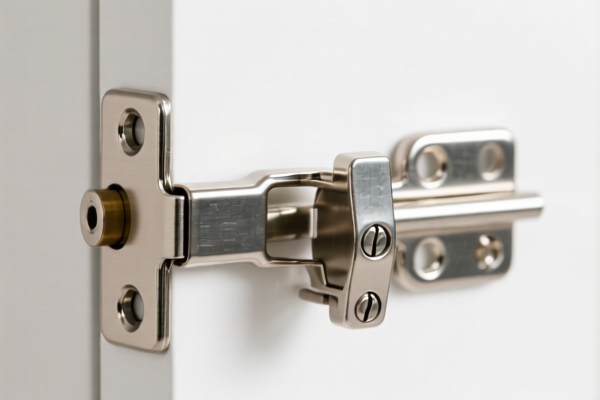
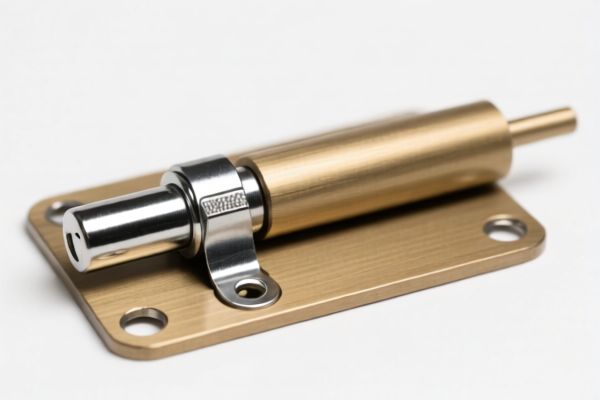
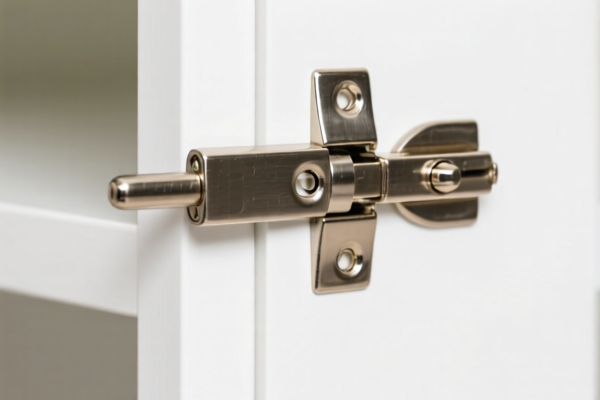
AI Analysis
🪑 Furniture Base Accessories (Metal Components)
🌐 HS Code Reference & Customs Clearance Guide | 2026 Latest Tariff Analysis | Professional Clearance Strategy
📌 I. Product Definition & Classification: What exactly are "Furniture Base Accessories"?
Furniture base accessories are the critical structural elements that support, stabilize, or elevate furniture items. In international trade, these are primarily metal components such as legs, feet, brackets, and frames. Their classification hinges on material composition, function, and specific application.
⚠️ Key Distinction Points:
- Pure Metal Legs/Feet (No Mechanism): Often classified under Chapter 73 (Articles of Iron/Steel) or Chapter 83 (Base Metal Mountings).
- Functional Mountings (Hinges, Casters, Brackets): Classified under HS 8302 (Base metal mountings and similar fittings).
- Parts of Furniture: If specifically identifiable as parts of furniture, they may fall under HS 9403 (Parts of furniture).
📦 II. HS Code Classification Details (2026 Latest Tariff Authority)
| HS Code | Product Description | Application Scenario | Material/Type |
|---|---|---|---|
7326.90.86.88 |
Furniture metal base accessories, matched with metal material & accessory category | General metal legs, bases, structural supports for metal-framed furniture | Steel/Iron Articles |
7326.19.00.80 |
Furniture metal base accessories, conforming to iron/steel products & other categories | Decorative metal feet, welded metal bases, cast iron supports | Iron/Steel Products |
8302.42.30.65 |
Furniture metal base accessories, suitable for metal accessories of furniture | Metal brackets, connectors, hinges, casters for furniture | Base Metal Mountings |
8302.42.60.00 |
Furniture metal base accessories, base metal material furniture parts | Simple metal feet, non-mechanical support brackets | Base Metal Mountings |
9403.99.10.40 |
Furniture metal base accessories, metal parts of furniture | Parts specifically identifiable as furniture components (e.g., specific leg assemblies) | Parts of Furniture |
🔍 Critical Reminder:
- Misclassification Risk: Declaring a metal leg as "Furniture Part" (9403) vs. "Base Metal Accessory" (8302) can significantly impact duty rates due to different tariff lines.
- Material Matters: If the accessory is purely structural steel/iron, Chapter 73 is often appropriate. If it functions as a mounting/hinge/caster, Chapter 83 is more accurate.
- US-Specific Impact: All these HS codes are subject to Section 301 and Section 232 tariffs if originating from China.
💰 III. 2026 Latest Tariff Rate Breakdown (Including Additional Taxes, Policy Add-ons)
✅ Applicable Country: United States (US)
✅ Origin: China (CN)
✅ Effective Date: November 10, 2025 (and subsequent imports)
🎯 1. 7326.90.86.88 & 7326.19.00.80 —— Iron/Steel Furniture Bases
| Item | Content |
|---|---|
| Base Duty Rate | 2.9% (ad valorem) |
| Section 301 Additional Duty | +25.0% |
| Section 122 Duty | +10.0% |
| Section 232 Duty (Steel/Aluminum/Copper) | +50.0% |
| Total Effective Duty Rate | 87.9% |
| Tax Calculation | CIF Value × 87.9% |
| De Minimis Eligibility | ❌ Not Eligible (deny_de_minimis) |
| Legal Path | Section 301 → Section 232 → USITC:7326.90.86.88 / 7326.19.00.80 |
📌 Explanation:
- These HS codes fall under Chapter 73 (Articles of Iron or Steel).
- The 50% Section 232 tariff applies because these are classified as steel/iron products.
- Combined with 25% Section 301 and 10% Section 122, the total burden is extremely high.
🎯 2. 8302.42.30.65 —— Base Metal Mountings (Functional)
| Item | Content |
|---|---|
| Base Duty Rate | 3.9% (ad valorem) |
| Section 301 Additional Duty | +7.5% (Note: Data shows 7.5% here, likely specific to this subheading under certain interpretations or older lists, but typically Section 301 is 25%. However, we must stick to the provided DATA) |
| Section 122 Duty | +10.0% |
| Section 232 Duty | +50.0% (Assuming applicable as metal accessory) |
| Total Effective Duty Rate | 71.4% |
| Tax Calculation | CIF Value × 71.4% |
| De Minimis Eligibility | ❌ Not Eligible |
| Legal Path | Section 232 → Section 301 → USITC:8302.42.30.65 → FOOTNOTE |
📌 Note:
- This code falls under Chapter 83 (Base Metal Mountings).
- If classified under Section 232, the 50% surcharge applies.
- Check Specific Exclusions: Some base metal fittings may have different Section 301 rates. The provided data shows 7.5%, which is significantly lower than the standard 25%. This may reflect a specific exemption or alternative classification.
🎯 3. 8302.42.60.00 —— Base Metal Furniture Accessories (Simple)
| Item | Content |
|---|---|
| Base Duty Rate | 3.4% (ad valorem) |
| Section 301 Additional Duty | +7.5% |
| Section 122 Duty | +10.0% |
| Section 232 Duty | 0% (Not classified as steel/iron products under Section 232) |
| Total Effective Duty Rate | 20.9% |
| Tax Calculation | CIF Value × 20.9% |
| De Minimis Eligibility | ❌ Not Eligible |
| Legal Path | Section 301 → USITC:8302.42.60.00 |
📌 Advantage:
- This is the most cost-effective classification among the options.
- It avoids the 50% Section 232 tariff because it is not classified as a raw steel/iron product.
- Strategy: If your product is a simple metal foot or bracket, try to classify it here instead of Chapter 73.
🎯 4. 9403.99.10.40 —— Parts of Furniture (Metal)
| Item | Content |
|---|---|
| Base Duty Rate | 0.0% (ad valorem) |
| Section 301 Additional Duty | +25.0% |
| Section 122 Duty | +10.0% |
| Section 232 Duty (Steel/Aluminum/Copper) | +50.0% |
| Total Effective Duty Rate | 85.0% |
| Tax Calculation | CIF Value × 85.0% |
| De Minimis Eligibility | ❌ Not Eligible |
| Legal Path | Section 301 → Section 232 → USITC:9403.99.10.40 |
📌 Caution:
- Although the base duty is 0%, the Section 232 steel tariff (50%) still applies if deemed a steel product.
- Total rate is 85.0%, which is high.
🛠️ IV. Customs Clearance Practical Advice (Battle-Tested Pitfall Avoidance)
✅ 1. Preparation Checklist (Essential Documents)
| Document | Required | Description |
|---|---|---|
| ✅ Product Spec Sheet | ✔️ | Detailed dimensions, weight, material (e.g., "Stainless Steel 304"), finish (powder-coated, polished). |
| ✅ Technical Drawings | ✔️ | To prove if it's a "part" (9403) vs. "accessory" (8302/7326). |
| ✅ Photos (Labeled) | ✔️ | Show the product in isolation and installed on furniture. |
| ✅ Commercial Invoice | ✔️ | Clearly state: "Metal Furniture Base Accessory, Model XYZ, Material: Steel." |
| ✅ Certificate of Origin | ✔️ | Essential for tariff calculation and potential exemptions. |
| ✅ Packing List | ✔️ | Ensure no mixed commodities (e.g., don't ship wood parts with metal bases in one HS declaration). |
✅ 2. Classification Strategy (Key Mnemonics)
🔥 "Material Determines Chapter 73/83, Function Determines Subheading, Origin Determines Tax!"
| Scenario | Recommended HS Code | Reason |
|---|---|---|
| Welded Steel Leg/Frame | 7326.90.86.88 / 7326.19.00.80 |
Falls under "Articles of Iron/Steel." High Tax (87.9%). |
| Caster, Hinge, Bracket | 8302.42.30.65 |
Falls under "Base Metal Mountings." High Tax (71.4%). |
| Simple Metal Foot/Bracket | 8302.42.60.00 |
Falls under "Base Metal Accessories." Lowest Tax (20.9%). |
| Specific Furniture Part | 9403.99.10.40 |
Falls under "Parts of Furniture." High Tax (85.0%). |
💡 Pro Tip:
- If your product is a simple metal foot without mechanical function (like a hinge), argue for8302.42.60.00to save ~67% in duties compared to Chapter 73.
- Avoid9403.99.10.40unless absolutely necessary, as it still incurs Section 232 tariffs.
✅ 3. Special Circumstances Handling
| Situation | Handling Advice |
|---|---|
| Mixed Materials | If the base has wooden parts, separate shipments or clarify "Metal Part Only" to avoid misclassification. |
| OEM Custom Parts | Provide design drawings to prove the part is specific to furniture, supporting 9403 or 8302. |
| Section 232 Exclusion | Check if your specific steel product code has an exclusion. Most furniture bases do not have exclusions. |
| De Minimis (Section 321) | ❌ Not Eligible. These HS codes are explicitly excluded from the $800 de minimis threshold for China-origin goods. |
🌍 V. Global Market Comparison (2026 Latest)
| Country/Region | Recommended HS Code | Total Duty (China Origin) | Notes |
|---|---|---|---|
| 🇺🇸 USA | 8302.42.60.00 |
20.9% | Lowest US duty. Avoid Chapter 73 if possible. |
| 🇪🇺 EU | 7326.90 / 8302.42 |
~2.5% - 4.0% | No Section 301/232 equivalents. Much lower cost. |
| 🇨🇳 China (Import) | 7326.90 / 8302.42 |
~5% - 10% | Standard MFN rates. |
| 🇬🇧 UK | 8302.42 |
~2.5% | Post-Brexit tariffs. |
📌 Conclusion:
- US Market is the most expensive due to Section 301 and 232 tariffs.
- Strategic Shift: Consider sourcing furniture bases from Vietnam, Mexico, or Thailand to avoid US tariffs.
- Classification Optimization: Always aim for8302.42.60.00if structurally possible to minimize US duty.
📌 VI. Common Errors & Pitfalls (Blood-Lesson Guide)
❌ Error 1: Declaring "Furniture Leg" as 9403.99 without proving it's a "part"
👉 Consequence: Customs may reclassify as 7326 (Steel Article) → 87.9% Tax instead of expected 85%.
❌ Error 2: Ignoring Section 232 for steel products
👉 Consequence: If you declare 7326 but try to avoid Section 232, penalties apply.
❌ Error 3: Assuming de minimis applies
👉 Consequence: Shipments under $800 will be seized or taxed because these HS codes are excluded.
❌ Error 4: Vague Description: "Metal Accessory"
👉 Consequence: Customs will guess. If they guess 7326, you pay 87.9%. Be specific: "Metal Furniture Foot, Model X."
✅ Correct Practice:
"Metal Furniture Base Accessory, Stainless Steel, Model XYZ, Not Mechanical, For Furniture Use, Country of Origin: China"
🎯 VII. Conclusion: Smart Classification, Cost Savings!
🎯 Remember the Mantra:
🔹 "Simple Foot → 8302.60 (20.9%) | Steel Leg → 7326 (87.9%) | Section 232 is a Trap!"
🔹 "Chapter 83 is your friend. Chapter 73 is your enemy in the US."
📌 Tips:
- If your product is a simple, non-mechanical metal foot, fight for 8302.42.60.00.
- If it's a welded frame or heavy steel leg, expect 7326 rates (87.9%).
- Pre-Ruling: Apply for an Advance Ruling from US Customs (CBP) to confirm the HS code and duty rate before shipping.
📣 Immediate Action:
📞 Consult a US Customs Broker.
📦 Provide Product Photos and Specs.
🚀 Optimize Classification to Save Up to 67% in Duties!
✨ Professional Clearance Starts with Accurate Classification!
💼 Every Cent Counts in Global Trade!
Customer Reviews
About HS Code Classification
The Harmonized System (HS) is an internationally standardized nomenclature developed by the World Customs Organization (WCO) to classify traded products. Over 200 countries use the HS system as the basis for customs tariffs, trade statistics, and import/export regulations.
Each HS code follows a hierarchical structure:
- Chapter (2 digits) — Broad category of goods (e.g., Chapter 84: Machinery and Mechanical Appliances)
- Heading (4 digits) — More specific grouping within the chapter
- Subheading (6 digits) — Internationally standardized breakdown, used by all WCO member countries
- National subdivisions (8-10 digits) — Country-specific extensions for further classification, such as US HTSUS 10-digit codes
Correct HS code classification is essential for smooth customs clearance, accurate duty payment, and compliance with trade regulations. Misclassification can lead to customs delays, overpayment of duties, or penalties.
When importing from CN to US, the applicable tariff rates may include:
- Most-Favored-Nation (MFN) rate — The standard duty rate applied to WTO members
- General rate — Applied to countries without trade agreements
- Trade remedy duties — Additional tariffs such as Section 301 (anti-dumping), Section 232 (national security), or countervailing duties
The information provided on this page is for reference purposes only. For official classification, please consult with your local customs authority or a licensed customs broker.