Furniture Brush
CN → US| HS Code | Tariff Rate | Origin | Destination | Doc |
|---|---|---|---|---|
| 4417006000 | 35.0% | CN | US | Official Doc |
| 9603908050 | 70.3% | CN | US | Official Doc |
| 9603109000 | 27.5% | CN | US | Official Doc |
| 9603298090 | 0.0% | CN | US | Official Doc |
| 8543908885 | 85.0% | CN | US | Official Doc |
Product Images


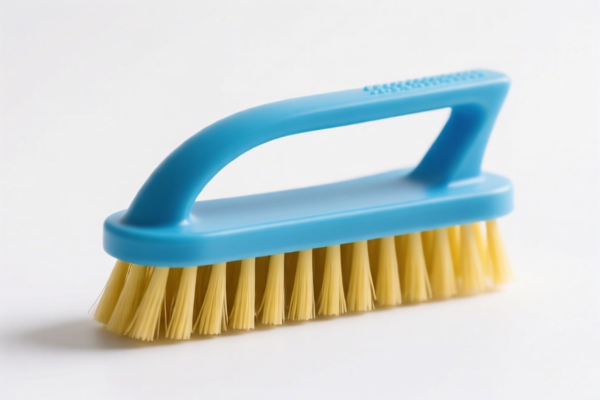
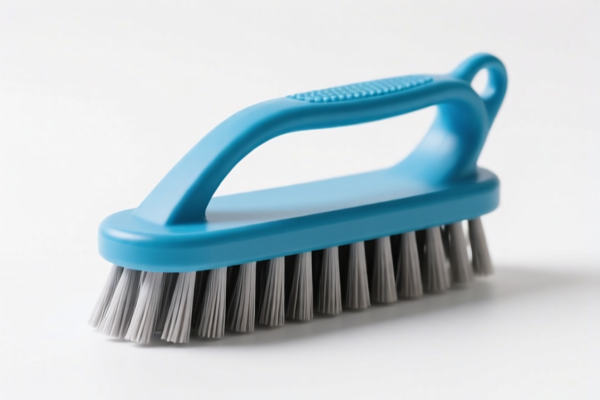
AI Analysis
🧹 Furniture Brush (Cleaning Tools)
🌐 HS Code Reference & Customs Clearance Guide | 2026 Latest Tariff Analysis | Professional Clearance Strategy
📌 I. Product Definition & Classification: Do You Really Know “Furniture Brush”?
A Furniture Brush is a cleaning tool specifically designed for dusting, polishing, or cleaning furniture surfaces. In international trade, its classification depends heavily on its material, form, and specific use case. Based on common sense and functional matching, these brushes are typically classified under Chapter 96 (Articles of plastics, mineral substances or rubber and articles of other materials) or Chapter 44 (Wood and wood articles) if made primarily of wood.
⚠️ Key Distinction Points:
- If the brush is made of wood and used for general cleaning → 4417.00.60.00
- If the brush is made of synthetic bristles/plastic and used for general cleaning → 9603.90.80.50
- If it’s a general-purpose brush falling under “other” categories → 9603.10.90.00
- If it’s a facial/cosmetic brush → 9603.29.80.90
- If it’s an electrical device component (rare but possible) → 8543.90.88.85
📦 II. HS Code Classification Details (2026 Latest Tariff Authority Comparison)
| HS Code | Product Description | Application Scenario | Material Assumption |
|---|---|---|---|
4417.00.60.00 |
Furniture brush, wood-made, matching form and use case | Wooden-handled duster, furniture polish brush | Wood |
9603.90.80.50 |
Cleaning brush, general-purpose, no material conflict | Synthetic bristle brush, plastic handle | Plastic/Synthetic |
9603.10.90.00 |
Other brushes, including sweepers and cleaning brushes | General household cleaning brush | Mixed/Synthetic |
9603.29.80.90 |
Facial brush (personal care) | Cosmetic brush, makeup brush | Bristle + Plastic Handle |
8543.90.88.85 |
Electrical equipment part/component | Non-specific electrical cleaning tool | Plastic/Synthetic Fiber |
🔍 Important Reminder:
- If the brush is wooden, it must be classified under 4417.00.60.00;
- If it’s synthetic, it may fall under 9603.90.80.50 or 9603.10.90.00 depending on specificity;
- If it’s a cosmetic/facial brush, it’s clearly under 9603.29.80.90;
- Electrical components are rare for furniture brushes but possible for motorized cleaning tools.
💰 III. 2026 Latest Tariff Rate Details (Including Additional Taxes & Policy Surcharges)
✅ Applicable Country: United States (US)
✅ Origin: China (CN)
✅ Effective Date: From November 10, 2025 (for subsequent imports)
🎯 1. 4417.00.60.00 —— Wooden Furniture Brush
| Item | Content |
|---|---|
| Base Tariff | 0.0% |
| Section 301 Surcharge | +25.0% |
| 122 Section Surcharge | +10.0% |
| Total Rate | 35.0% |
| Tax Calculation | CIF Value × 35% |
| De Minimis Exemption? | ❌ No |
| Legal Basis Path | Section 301: 9903.01.24 → Section 122: 9903.01.25 → USITC: 4417.00.60.00 |
📌 Explanation:
- “Section 301 Surcharge 25%” comes from the US Trade Act Section 301;
- “Section 122 Surcharge 10%” is an additional surcharge under US law;
- Total 35% is considered high, requiring advance planning.
🎯 2. 9603.90.80.50 —— Synthetic Cleaning Brush
| Item | Content |
|---|---|
| Base Tariff | 2.8% |
| Section 301 Surcharge | +7.5% |
| 122 Section Surcharge | +10.0% |
| Steel/Aluminum/Copper Surcharge | +50.0% (if applicable) |
| Total Rate | 70.3% |
| Tax Calculation | CIF Value × 70.3% |
| De Minimis Exemption? | ❌ No |
| Legal Basis Path | Section 301: 9903.01.24 → Section 122: 9903.01.25 → USITC: 9603.90.80.50 |
📌 Note:
- If the brush contains steel, aluminum, or copper parts, an additional 50% surcharge applies;
- Total rate can reach 70.3%, which is very high.
🎯 3. 9603.10.90.00 —— Other General Cleaning Brush
| Item | Content |
|---|---|
| Base Tariff | 10.0% |
| Section 301 Surcharge | +7.5% |
| 122 Section Surcharge | +10.0% |
| Total Rate | 27.5% |
| Tax Calculation | CIF Value × 27.5% |
| De Minimis Exemption? | ❌ No |
| Legal Basis Path | Section 301: 9903.01.24 → Section 122: 9903.01.25 → USITC: 9603.10.90.00 |
📌 Note:
- This is a lower-rate option compared to9603.90.80.50;
- Suitable for general-purpose brushes without specific material conflicts.
🎯 4. 9603.29.80.90 —— Facial/Cosmetic Brush
| Item | Content |
|---|---|
| Base Tariff | 0.3¢ each + 3.6% |
| Section 301 Surcharge | 0.0% |
| 122 Section Surcharge | +10.0% |
| Total Rate | 0.3¢ each + 13.6% |
| Tax Calculation | Per unit fee + 13.6% of CIF |
| De Minimis Exemption? | ❌ No |
| Legal Basis Path | Section 122: 9903.01.25 → USITC: 9603.29.80.90 |
📌 Note:
- This category applies to personal care brushes, not furniture cleaning brushes;
- Not recommended for furniture brushes unless specifically used for cosmetic purposes.
🎯 5. 8543.90.88.85 —— Electrical Equipment Component
| Item | Content |
|---|---|
| Base Tariff | 0.0% |
| Section 301 Surcharge | +25.0% |
| 122 Section Surcharge | +10.0% |
| Steel/Aluminum/Copper Surcharge | +50.0% (if applicable) |
| Total Rate | 85.0% |
| Tax Calculation | CIF Value × 85.0% |
| De Minimis Exemption? | ❌ No |
| Legal Basis Path | Section 301: 9903.01.24 → Section 122: 9903.01.25 → USITC: 8543.90.88.85 |
📌 Note:
- This category is for electrical components;
- Not suitable for standard furniture brushes;
- Only apply if the brush is part of an electrical cleaning device.
🛠️ IV. Customs Clearance Practical Advice (Real-World Pitfall Avoidance Guide)
✅ 1. Required Documentation Checklist (Must Provide)
| Document | Required | Notes |
|---|---|---|
| ✅ Product Specification Sheet | ✔️ | Includes dimensions, bristle type, handle material |
| ✅ Product Photos (with label) | ✔️ | Clear view of model, brand, input/output parameters |
| ✅ Commercial Invoice | ✔️ | Clearly state “Furniture Brush, Wooden/Synthetic” |
| ✅ Packing List | ✔️ | Specify整机 vs. components, avoid split declarations |
| ✅ Third-Party Test Report | ✔️ | If applicable: RoHS, REACH, CA Prop 65 |
| ✅ Certificate of Origin (CO) | ✔️ | For non-China products, may qualify for preferential rates |
✅ 2. Declaration Tips (Key Mantras)
🔥 “Material matters, use defines code, name precisely, tax drops!”
| Situation | Correct Declaration | Wrong Practice |
|---|---|---|
| Wooden furniture brush | 4417.00.60.00 |
Misdeclare as synthetic → 70.3% |
| Synthetic cleaning brush | 9603.90.80.50 or 9603.10.90.00 |
Misdeclare as cosmetic → 0.3¢+13.6% |
| Cosmetic brush | 9603.29.80.90 |
Misdeclare as cleaning brush → 27.5%-70.3% |
| Electrical cleaning tool | 8543.90.88.85 |
Misdeclare as general brush → 35%-85% |
✅ 3. Special Cases Handling
| Situation | Handling Advice |
|---|---|
| OEM Custom Brushes | Provide client orders + design drawings to avoid “non-standard” classification |
| Brushes with Mixed Materials | Declare based on main component; provide material breakdown |
| Brushes for Medical Use | If specialized, apply for “non-commercial use” exemption with proof |
| Brushes for Industrial Use | May qualify for different rates; consult customs broker in advance |
🌍 V. Global Market Comparison (2026 Latest)
| Country/Region | Recommended HS Code | Tariff | Certification | Notes |
|---|---|---|---|---|
| 🇺🇸 USA | 4417.00.60.00 (wood) / 9603.90.80.50 (synthetic) |
35%-85% | RoHS, CA Prop 65 | High tariffs for Chinese origin |
| 🇨🇳 China | 4417.00.60.00 / 9603.90.80.50 |
5%-10% | CCC | No additional surcharges |
| 🇪🇺 EU | 4417.00.60.00 / 9603.90.80.50 |
0%-5% | CE, REACH | No surcharges |
| 🇦🇺 Australia | 4417.00.60.00 / 9603.90.80.50 |
5%-10% | RCM | No surcharges |
| 🇯🇵 Japan | 4417.00.60.00 / 9603.90.80.50 |
0%-5% | PSE | No surcharges |
📌 Conclusion:
- USA imposes the highest surcharges;
- China-origin furniture brushes face 35%-85% total tariffs;
- Consider supply chain diversification to mitigate risks.
📌 VI. Common Errors & Pitfall Avoidance (Lessons Learned)
❌ Error 1: Declaring wooden brushes as synthetic
👉 Consequence: Tax jumps from 35% to 70.3% → Huge cost increase!
❌ Error 2: Declaring general brushes as cosmetic
👉 Consequence: Tax drops from 35% to 13.6% → Underpayment penalty!
❌ Error 3: Not providing material details
👉 Consequence: Customs delays or rejection → Shipment hold!
❌ Error 4: Using vague terms like “brush”
👉 Consequence: Ambiguity leads to higher scrutiny → Delays
✅ Correct Approach:
“Wooden Furniture Brush, 12-inch, Bristle Type: Horsehair, Handle: Hardwood, Model: XYZ, RoHS Compliant”
🎯 VII. Conclusion: Professional Declaration, Save Time, Reduce Costs!
🎯 Remember the Mantras:
🔹 “Material decides code, use defines rate, precise name, lower tax!”
🔹 “HS Code determines fate, 25% difference, one step wrong, thousands lost!”
📌 Tips:
- If your brushes are originated from Vietnam, Mexico, Thailand, Malaysia, you may apply for IEEPA exemptions, reducing tariffs to 0%-5%;
- Apply for Advance Ruling before shipment to avoid clearance risks.
📣 Take Action Now:
📞 Contact professional customs brokers + Provide product photos + Apply for HS Code Advance Ruling
🚀 Let your furniture brushes clear smoothly, export efficiently, profits double!
✨ Professional Clearance Starts with Accurate Classification!
💼 Every cent of your cost deserves precise calculation!
Customer Reviews
About HS Code Classification
The Harmonized System (HS) is an internationally standardized nomenclature developed by the World Customs Organization (WCO) to classify traded products. Over 200 countries use the HS system as the basis for customs tariffs, trade statistics, and import/export regulations.
Each HS code follows a hierarchical structure:
- Chapter (2 digits) — Broad category of goods (e.g., Chapter 84: Machinery and Mechanical Appliances)
- Heading (4 digits) — More specific grouping within the chapter
- Subheading (6 digits) — Internationally standardized breakdown, used by all WCO member countries
- National subdivisions (8-10 digits) — Country-specific extensions for further classification, such as US HTSUS 10-digit codes
Correct HS code classification is essential for smooth customs clearance, accurate duty payment, and compliance with trade regulations. Misclassification can lead to customs delays, overpayment of duties, or penalties.
When importing from CN to US, the applicable tariff rates may include:
- Most-Favored-Nation (MFN) rate — The standard duty rate applied to WTO members
- General rate — Applied to countries without trade agreements
- Trade remedy duties — Additional tariffs such as Section 301 (anti-dumping), Section 232 (national security), or countervailing duties
The information provided on this page is for reference purposes only. For official classification, please consult with your local customs authority or a licensed customs broker.