Furniture Cleaning Cloth
CN → US| HS Code | Tariff Rate | Origin | Destination | Doc |
|---|---|---|---|---|
| 5907008090 | 35.0% | CN | US | Official Doc |
| 5907001500 | 43.0% | CN | US | Official Doc |
| 6307102027 | 22.8% | CN | US | Official Doc |
| 6302910045 | 26.7% | CN | US | Official Doc |
| 6307102028 | 22.8% | CN | US | Official Doc |
| 6302910005 | 26.7% | CN | US | Official Doc |
Product Images
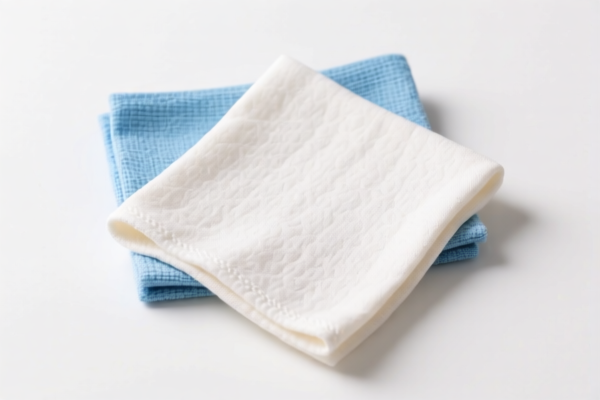
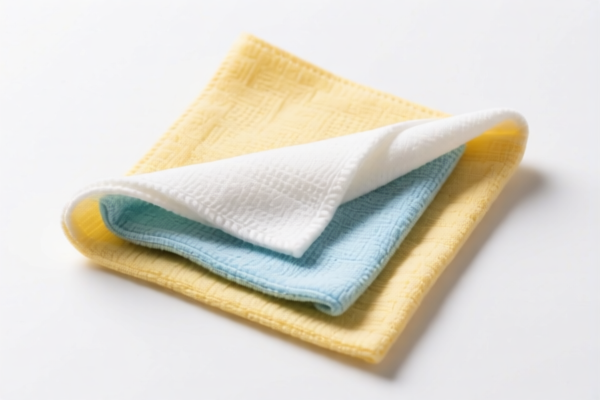
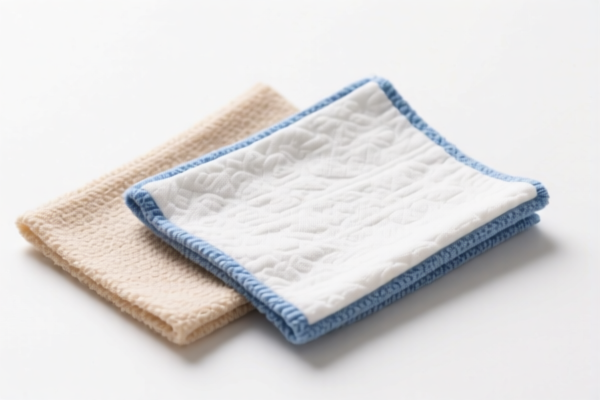
AI Analysis
🧼 Furniture Cleaning Cloth (Household Rags & Textiles)
🌐 HS Code Reference & Customs Clearance Guide | 2026 Latest Tariff Analysis | Professional Clearance Strategy
📌 I. Product Definition & Classification: What Exactly is a "Cleaning Cloth"?
In international trade, "Furniture Cleaning Cloths" are classified based on their material composition, manufacturing process (impregnated/coated vs. plain), and specific use. They generally fall under Chapter 59 (Impregnated textiles) or Chapter 63 (Other made-up textile articles).
Key Distinctions: * Impregnated/Coated Textiles (Chapter 59): Cloths treated with chemicals, wax, polish, or cleaning agents to enhance cleaning efficiency. * Plain Made-up Articles (Chapter 63): Plain woven, knitted, or tufted fabrics (like microfiber or cotton rags) used for general wiping without specific chemical impregnation.
⚠️ Critical Classification Point:
- If the cloth is treated/impregnated (e.g., silicone-infused microfiber) → Likely Chapter 59.
- If the cloth is plain fabric (e.g., standard cotton rag or dry microfiber) → Likely Chapter 63.
- Misclassification Risk: Declaring a plain rag as "impregnated" may trigger higher duties (25%+ Section 301); declaring an impregnated rag as "plain" may lead to rejection or penalty.
📦 II. HS Code Classification Details (2026 Latest Tariff Authority对照)
Based on the provided data, here are the specific HS Codes for Furniture Cleaning Cloths:
| HS Code | Product Description | Material/Process | Total Tax Rate | Key Characteristics |
|---|---|---|---|---|
5907.00.80.90 |
Other impregnated, coated or covered textiles | Fibers/Textile, impregnated/coated | 35.0% | Fits "Other" impregnated textiles; no specific chemical listed. |
5907.00.15.00 |
Impregnated/coated textile fabrics | Fibers/Textile, impregnated/coated | 43.0% | Standard impregnated textile classification. |
6307.10.20.27 |
Rags, cleaning cloths, dusters, polishing pads | Cotton/Other Fiber, Plain Made-up | 22.8% | General "Rag" category; no impregnation specified. |
6302.91.00.45 |
Household linen & similar articles (Cotton) | Cotton, for household use | 26.7% | Specifically for household cleaning/wiping; cotton-based. |
6307.10.20.28 |
Other made-up articles (Rags/Cloths) | Any Fiber, Plain Made-up | 22.8% | Fallback category for rags not specifically listed elsewhere. |
6302.91.00.05 |
Household linen & similar articles (Cotton/Tufted) | Cotton, Tufted/Pile structure | 26.7% | For tufted or pile-type cleaning cloths used in households. |
🔍 Important Note:
- Chapter 59 (Impregnated) carries higher tariffs (35-43%) due to Section 301 and IEEPA surcharges.
- Chapter 63 (Plain Textiles) carries lower tariffs (22.8-26.7%) but still includes significant附加税.
- Material matters: Cotton items (6302 series) have slightly different rates than general rags (6307 series).
💰 III. 2026 Latest Tariff Rate Breakdown (Detailed Tax Components)
✅ Applicable Country: United States (US)
✅ Country of Origin: China (CN)
✅ Effective Time: From November 10, 2025 (including subsequent imports)
🎯 1. Impregnated/Coated Cloths (HS 5907 Series)
Applies to: 5907.00.80.90, 5907.00.15.00
| Component | Rate | Source/Legal Basis | Explanation |
|---|---|---|---|
| Basic MFN Duty | 0% - 8% | HTSUS Base Rate | Varies by subheading. 5907.15 is 8%; 5907.80 is 0%. |
| Section 301 (Trade Act) | +25% | USITC Footnote 9903.88.01 | Applies to Chinese goods under List 3/4. |
| IEEPA Surcharge | +10% | IEEPA:9903.01.25 | Additional tariff for Chinese products under Executive Order. |
| Total Effective Tax | 35% - 43% | Sum of Above | High-risk category for duty costs. |
| De Minimis Eligibility | ❌ Denied | deny_de_minimis | Cannot use $800 de minimis exemption. |
📌 Explanation:
- 35.0% Total (5907.00.80.90): 0% Basic + 25% Section 301 + 10% IEEPA.
- 43.0% Total (5907.00.15.00): 8% Basic + 25% Section 301 + 10% IEEPA.
- These codes assume the cloth is chemically treated (e.g., silicone, wax, or cleaning solution infused).
🎯 2. General Rags & Household Textiles (HS 6307/6302 Series)
Applies to: 6307.10.20.27, 6307.10.20.28, 6302.91.00.45, 6302.91.00.05
| Component | Rate | Source/Legal Basis | Explanation |
|---|---|---|---|
| Basic MFN Duty | 5.3% - 9.2% | HTSUS Base Rate | Varies by specific subheading. |
| Section 301 (Trade Act) | +7.5% | USITC Footnote 9903.88.01 | Reduced rate compared to other categories (List 4B). |
| IEEPA Surcharge | +10% | IEEPA:9903.01.25 | Standard surcharge for Chinese goods. |
| Total Effective Tax | 22.8% - 26.7% | Sum of Above | Moderate-high risk category. |
| De Minimis Eligibility | ❌ Denied | deny_de_minimis | Cannot use $800 de minimis exemption. |
📌 Explanation:
- 22.8% Total (6307.10.20.27&28): 5.3% Basic + 7.5% Section 301 + 10% IEEPA.
- Note: These are "Rags, Cleaning Cloths, Dusters" under Chapter 63.
- 26.7% Total (6302.91.00.45&05): 9.2% Basic + 7.5% Section 301 + 10% IEEPA.
- Note: These fall under "Household Linen," often for cotton-based wiping cloths.
🛠️ IV. Customs Clearance Practical Advice (Battle-Tested Guide)
✅ 1. Essential Documentation Checklist (Non-negotiable)
| Document | Required? | Purpose |
|---|---|---|
| Product Specification Sheet | ✔️ | Must detail material (Cotton, Polyester, Microfiber), weave type, and whether impregnated/coated. |
| Product Photos (Clear Label) | ✔️ | Show packaging, brand, and any "Impregnated with [Chemical]" claims. |
| Commercial Invoice | ✔️ | Must clearly state "Cleaning Cloth" or "Rag" and NOT "Impregnated" if it’s plain. |
| Certificate of Origin (CO) | ✔️ | Crucial for proving Chinese origin to apply correct Section 301/IEEPA rates. |
| Third-Party Test Report | ✔️ | If claiming "Impregnated," provide test results for the chemical treatment. |
| Packing List | ✔️ | Confirm quantity and weight to avoid discrepancies. |
✅ 2. Declaration Strategies (Key Mantras)
🔥 "Plain vs. Impregnated: The 15% Difference!"
| Scenario | Correct Declaration | Wrong Declaration | Consequence |
|---|---|---|---|
| Plain Microfiber Rag | 6307.10.20.27 (22.8%) |
5907.00.80.90 (35.0%) |
Overpaid Tax + Audit Risk |
| Silicone-Infused Cloth | 5907.00.15.00 (43.0%) |
6307.10.20.27 (22.8%) |
Customs Rejection + Penalty |
| Cotton Household Rag | 6302.91.00.45 (26.7%) |
6307.10.20.28 (22.8%) |
Slight Overpayment |
| General "Cleaning Cloth" | 6307.10.20.28 (22.8%) |
Vague "Textile" | Classification Dispute |
✅ 3. Special Handling Tips
| Situation | Advice |
|---|---|
| OEM/Private Label | Ensure the invoice matches the label exactly. If the label says "Microfiber," do not declare as "Cotton." |
| Mixed Shipments | If a container has both impregnated and plain cloths, separate declarations are mandatory. Mixing codes leads to severe penalties. |
| "Wiped" vs. "Impregnated" | "Wiped" with solvent after manufacturing may still be considered impregnated. If no chemical remains, it may qualify for Chapter 63. Provide test data! |
| De Minimis Evasion | Do not try to split large shipments into packages under $800 to avoid tariffs. CBP actively audits this for textiles. All entries are subject to duty. |
🌍 V. Global Market Comparison (2026 Snapshot)
| Market | Recommended HS Code | Est. Total Duty (China Origin) | Notes |
|---|---|---|---|
| 🇺🇸 USA | 6307.10.20.27 / 5907.00.15.00 |
22.8% - 43.0% | High Section 301 & IEEPA surcharges. No de minimis. |
| 🇪🇺 EU | 6307.90.98 |
~0-6% | Generally lower duties, no Section 301. CE marking may be required. |
| 🇨🇦 Canada | 6307.90.98 |
~0-5% | Lower tariffs, FTA benefits if originating. |
| 🇦🇺 Australia | 6307.90.99 |
~5-10% | Moderate duties, no major surcharges. |
📌 Conclusion for US Importers:
- The US market is the most expensive due to political tariffs (Section 301 + IEEPA).
- Chapter 63 (Plain Rags) is significantly cheaper than Chapter 59 (Impregnated).
- Accurate material description is your best defense against audits.
📌 VI. Common Mistakes & Pitfalls (Lessons Learned)
❌ Mistake 1: Declaring "Impregnated Cloths" as "Plain Rags" to save 15% duty.
👉 Result: Customs inspection reveals chemical residue → Back-taxes + 20% penalty.
❌ Mistake 2: Using "Cleaning Cloth" as the only description without specifying material.
👉 Result: CBP assigns a default higher duty code → Unnecessary overpayment.
❌ Mistake 3: Attempting de minimis shipment splitting.
👉 Result: CBP flags pattern → Container held, audit initiated, all shipments blocked.
❌ Mistake 4: Confusing "Household Linen" (6302) with "Other Made-up Articles" (6307).
👉 Result: 1.2% duty difference + potential classification challenge. Be specific.
✅ Best Practice:
"Microfiber Cleaning Cloth, 12x12 inch, Plain Woven, No Impregnation, Made in China"
→ Declared under6307.10.20.27(22.8%).
🎯 VII. Conclusion: Precision Saves Money!
🎯 Key Takeaway:
🔹 "Plain = 22.8% | Impregnated = 35-43%"
🔹 "No De Minimis: Plan for Full Duty!"
🔹 "Material + Process = Code. Get it right, save thousands."
📌 Pro Tip:
If your cleaning cloths are plain microfiber (no chemical treatment), fight for classification under 6307.10.20.27 to save 12-20% in duties compared to impregnated codes. Always provide a material specification sheet to support your claim.
📣 Immediate Action Items:
- Test your product: Is it impregnated? If yes, expect 35%+ duty.
- Prepare docs: Invoice, CO, and Product Spec.
- Apply for Ruling: Consider a Binding Ruling from CBP to lock in your HS Code before shipment.
✨ Professional Clearance Starts with Accurate Classification!
💼 Every 1% of duty saved is pure profit. Don't leave it on the table!
Customer Reviews
About HS Code Classification
The Harmonized System (HS) is an internationally standardized nomenclature developed by the World Customs Organization (WCO) to classify traded products. Over 200 countries use the HS system as the basis for customs tariffs, trade statistics, and import/export regulations.
Each HS code follows a hierarchical structure:
- Chapter (2 digits) — Broad category of goods (e.g., Chapter 84: Machinery and Mechanical Appliances)
- Heading (4 digits) — More specific grouping within the chapter
- Subheading (6 digits) — Internationally standardized breakdown, used by all WCO member countries
- National subdivisions (8-10 digits) — Country-specific extensions for further classification, such as US HTSUS 10-digit codes
Correct HS code classification is essential for smooth customs clearance, accurate duty payment, and compliance with trade regulations. Misclassification can lead to customs delays, overpayment of duties, or penalties.
When importing from CN to US, the applicable tariff rates may include:
- Most-Favored-Nation (MFN) rate — The standard duty rate applied to WTO members
- General rate — Applied to countries without trade agreements
- Trade remedy duties — Additional tariffs such as Section 301 (anti-dumping), Section 232 (national security), or countervailing duties
The information provided on this page is for reference purposes only. For official classification, please consult with your local customs authority or a licensed customs broker.