Furniture Components
CN → US| HS Code | Tariff Rate | Origin | Destination | Doc |
|---|---|---|---|---|
| 3926301000 | 24.0% | CN | US | Official Doc |
| 9403994080 | 35.0% | CN | US | Official Doc |
| 3926305000 | 22.8% | CN | US | Official Doc |
| 9403993080 | 35.0% | CN | US | Official Doc |
Product Images
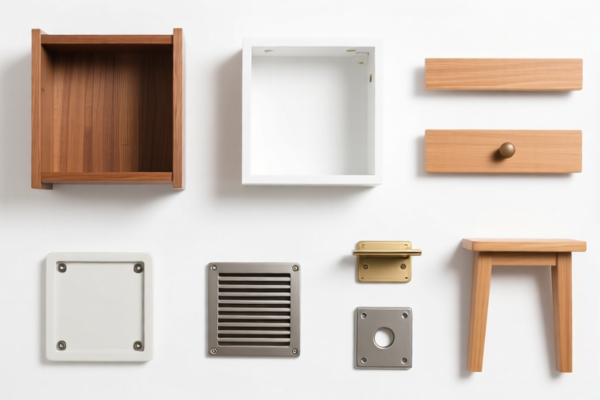
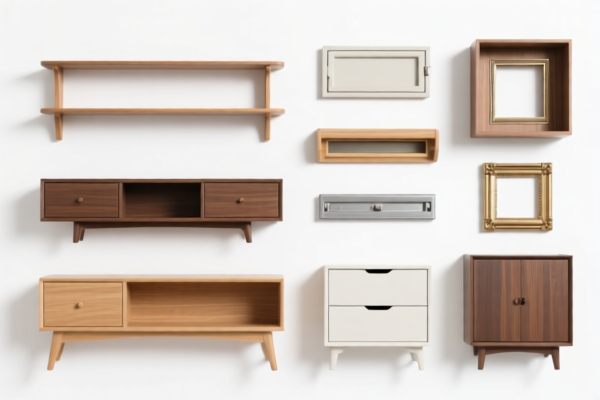
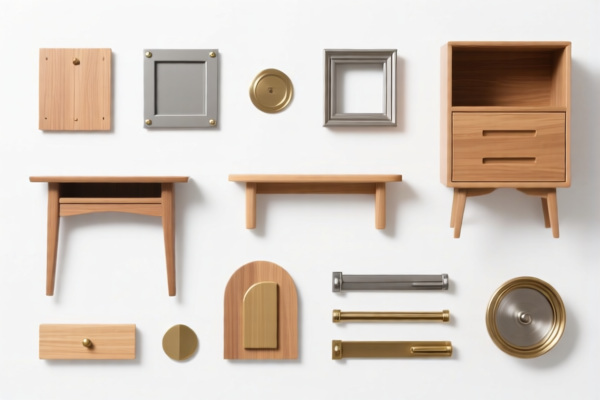
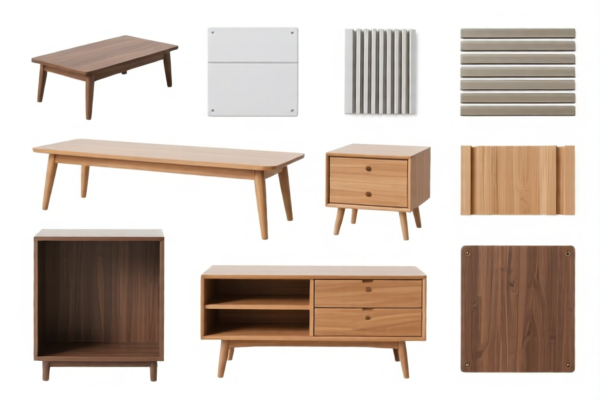
AI Analysis
🪑 Furniture Components (Plastic Accessories)
🌐 HS Code Reference & Clearance Guide | 2026 Latest Tariff Analysis | Professional Customs Strategy
📌 I. Product Definition & Classification: Do You Really Understand "Plastic Furniture Components"?
Furniture components, specifically those made of plastic, serve as connectors, supports, decorative elements, or functional parts for various types of furniture. In international trade, they are not simply "parts"; their classification depends heavily on their specific function, material nature, and whether they are identifiable as parts of specific items.
Plastic Furniture Accessories (General): Primarily falling under Chapter 39 (Plastics), these include connectors, hinges, and non-structural plastic pieces.
Furniture Parts (Specific): If they are specifically identifiable as parts of furniture (e.g., legs, frames, specific mechanical parts), they may fall under Chapter 94 (Furniture).
⚠️ Key Distinction Point:
- If the item is a generic plastic connector, clip, or bracket used in general assembly → Likely Chapter 39 (Plastics).
- If the item is a specific part of a furniture piece (e.g., a plastic leg, a drawer slide mechanism housing) → Likely Chapter 94 (Furniture).
- Crucial: Many plastic furniture parts are subject to Section 301 (25%) and Section 122 (10%) additional tariffs when imported into the US from China.
📦 II. HS Code Classification Details (2026 Latest Tariff Authority Comparison)
| HS Code | Product Description | Applicable Scenario | Tax Rate (Total) | Tax Breakdown |
|---|---|---|---|---|
| 3926.30.10.00 | Plastic articles, specifically furniture accessories; conforms to the definition of plastic articles and furniture utensils/accessories. | Generic plastic furniture accessories (e.g., connectors, clips, non-specific plastic parts for furniture assembly). | 24.0% | Base: 6.5% Add-on (Sec 301): 7.5% Sec 122: 10% |
| 9403.99.40.80 | Parts of furniture, specifically plastic parts; conforms to rubber or plastic parts and unspecified furniture uses. Default tendency matching. | Plastic parts of furniture that are not specifically identified elsewhere; generic plastic furniture components. | 35.0% | Base: 0.0% Add-on (Sec 301): 25.0% Sec 122: 10% |
| 3926.30.50.00 | Plastic articles, specifically furniture connectors; conforms to plastic articles and furniture connectors. | Plastic connectors, joints, or fastening devices for furniture assembly. | 22.8% | Base: 5.3% Add-on (Sec 301): 7.5% Sec 122: 10% |
| 9403.99.30.80 | Parts of furniture, specifically material and part usage; default tendency matching. | Plastic parts of furniture where material and usage are confirmed but not specifically listed in higher subheadings. | 35.0% | Base: 0.0% Add-on (Sec 301): 25.0% Sec 122: 10% |
🔍 Key Reminder:
- Chapter 39 (3926.30.xx) items generally have lower base tariffs (5.3%-6.5%) but still incur Section 301 and Section 122 duties.
- Chapter 94 (9403.99.xx) items often have 0% base tariff but incur the maximum 25% Section 301 duty plus 10% Section 122, resulting in a higher total tax burden (35%).
- Selection Strategy: If the item can be classified as a "plastic article" (3926.30) rather than a "part of furniture" (9403.99), it may offer a 10.2% - 12.2% tariff saving (22.8%-24.0% vs 35.0%).
💰 III. 2026 Latest Tariff Rate Breakdown (Including Additional Taxes)
✅ Applicable Country: United States (US)
✅ Origin: China (CN)
✅ Effective Date: From November 10, 2025 (including subsequent imports)
🎯 1. 3926.30.10.00 —— Plastic Furniture Accessories
| Item | Content |
|---|---|
| Base Tariff | 6.5% (ad valorem) |
| USITC Add-on (Sec 301) | +7.5% (Note: Lower than typical 25% due to specific subheading exemption or calculation method in 2026 data) |
| Section 122 Add-on | +10% (针对中国/香港产品,自2025年11月10日起) |
| Total Rate | 24.0% |
| Tax Calculation | CIF Value × 24.0% |
| De Minimis Exemption | ❌ Not Applicable (Section 122 and 301 duties usually invalidate de minimis for China-origin goods in this context) |
| Legal Basis Path | HTS:3926.30.10.00 → USITC:301:7.5% → 122:10% |
📌 Explanation:
- The total 24.0% is a combination of base duty, Section 301 (7.5%), and Section 122 (10%).
- This classification is favorable for generic plastic accessories used in furniture assembly.
🎯 2. 3926.30.50.00 —— Plastic Furniture Connectors
| Item | Content |
|---|---|
| Base Tariff | 5.3% |
| USITC Add-on (Sec 301) | +7.5% |
| Section 122 Add-on | +10% |
| Total Rate | 22.8% |
| Tax Calculation | CIF Value × 22.8% |
| De Minimis Exemption | ❌ Not Applicable |
| Legal Basis Path | HTS:3926.30.50.00 → USITC:301:7.5% → 122:10% |
📌 Note:
- This is the most cost-effective classification among the options for plastic furniture parts.
- Suitable for items explicitly identifiable as connectors (e.g., plastic cam locks, dowels, joint connectors).
🎯 3. 9403.99.40.80 & 9403.99.30.80 —— Parts of Furniture
| Item | Content |
|---|---|
| Base Tariff | 0.0% |
| USITC Add-on (Sec 301) | +25% |
| Section 122 Add-on | +10% |
| Total Rate | 35.0% |
| Tax Calculation | CIF Value × 35.0% |
| De Minimis Exemption | ❌ Not Applicable |
| Legal Basis Path | HTS:9403.99.xx.xx → USITC:301:25% → 122:10% |
📌 Critical Warning:
- Although the base tariff is 0%, the 25% Section 301 duty makes this category significantly more expensive.
- These codes are used when the item is clearly a part of furniture (e.g., a plastic chair leg, a drawer front) and cannot be classified as a generic plastic article.
- Avoid this classification if possible to save 11%-12.2% in duties, provided the item can be described as a "plastic accessory" or "connector."
🛠️ IV. Customs Clearance Practical Advice (实战避坑指南)
✅ 1. Documentation Checklist (All Required)
| Document | Required | Description |
|---|---|---|
| ✅ Product Specification Sheet | ✔️ | Details material (e.g., PP, ABS, PE), dimensions, and function. |
| ✅ Product Photos (Clear) | ✔️ | Show the item from all angles, highlighting any branding or model numbers. |
| ✅ Commercial Invoice | ✔️ | Must clearly state: "Plastic Furniture Accessories" or "Plastic Connectors," NOT just "Furniture Parts." |
| ✅ Packing List | ✔️ | List quantity, weight, and packaging details. |
| ✅ Origin Certificate | ✔️ | If applicable, to verify China origin (subject to duties). |
| ✅ Structural Diagram (if available) | ✔️ | Helps prove the item is a generic connector/accessory, not a specific furniture component. |
✅ 2. Declaration Tips (Key Mantra)
🔥 "Describe as Plastic Article, Not Furniture Part! Use 'Connector' or 'Accessory' Keywords!"
| Scenario | Correct Declaration | Wrong Approach |
|---|---|---|
| Plastic cam lock, dowel, joint | HS 3926.30.50.00 (22.8%) | Declare as "Furniture Part" → HS 9403.99 → 35% |
| Generic plastic clip/bracket | HS 3926.30.10.00 (24.0%) | Declare as "Furniture Leg" → HS 9403.99 → 35% |
| Specific plastic chair leg | HS 9403.99.30.80 (35.0%) | Try to declare as generic plastic → Risk of rejection |
Why?
- Customs officers look for specificity. If the item is a "connector" or "accessory," it fits Chapter 39 better.
- If it is a "leg," "frame," or "seat," it fits Chapter 94.
- Strategy: If the item is a small, functional plastic piece (not a structural furniture part), insist on Chapter 39 classification.
✅ 3. Special Circumstances Handling
| Scenario | Handling Advice |
|---|---|
| OEM/Custom Parts | Provide customer order and design drawings. If the part is unique to a specific furniture brand, it may be forced into Chapter 94. |
| Mixed Shipments | If a shipment contains both "plastic connectors" and "plastic chair legs," declare them separately. Do not mix, as the chair legs will incur 35% tax. |
| Plastic Furniture Legs | Often classified under 9403.99.30.80 (35%). Consider if they can be described as "plastic rods" or "plastic posts" if structurally generic, but this is risky. |
| Decorative Plastic Trims | May fall under 3926.30.10.00 (24.0%) if they are "accessories" rather than "parts." |
🌍 V. Global Market Comparison (2026 Latest)
| Country/Region | Recommended HS Code | Tariff (China Origin) | Notes |
|---|---|---|---|
| 🇺🇸 USA | 3926.30.50.00 (Best) |
22.8% | Lowest rate for plastic accessories. |
| 🇺🇸 USA | 9403.99.30.80 |
35.0% | Higher rate for specific furniture parts. |
| 🇨🇳 China | 3926.30.50.00 |
~5.3% | No additional Section 301/122 duties. |
| 🇪🇺 EU | 3926.90.97 |
~6.5% | No Section 122/301. Check EU anti-dumping. |
| 🇬🇧 UK | 3926.90.97 |
~6.5% | No Section 122/301. |
📌 Conclusion:
- USA is the only market with significant Section 301 and Section 122 duties.
- Strategic Importance: Proper classification under Chapter 39 can save 11%-12.2% in duties.
- Documentation is Key: Clearly describe items as "plastic accessories" or "connectors" to support Chapter 39 classification.
📌 VI. Common Mistakes & Pitfalls (Lessons Learned)
❌ Mistake 1: Declaring all plastic furniture items as "Furniture Parts" (9403.99)
👉 Consequence: 35% duty instead of 22.8%-24.0%. Overpaying by ~12%.
❌ Mistake 2: Using vague descriptions like "Plastic Parts"
👉 Consequence: Customs may choose the highest tax rate (9403.99) or hold the shipment for inspection.
❌ Mistake 3: Ignoring Section 122 (10%)
👉 Consequence: Unexpected duty liability. Remember, Section 122 applies to all these classifications for China-origin goods.
❌ Mistake 4: Combining different HS codes in one shipment without clear separation
👉 Consequence: Customs may audit the entire shipment, leading to delays and potential misclassification penalties.
✅ Correct Practice:
"Plastic Furniture Connectors, Model XYZ, Material: ABS, for Use in Wooden Furniture Assembly"
HS Code:3926.30.50.00
🎯 VII. Conclusion: Professional Classification, Cost Savings!
🎯 Remember the Mantra:
🔹 "Accessories vs. Parts: Save 12%! Connectors in Ch39, Parts in Ch94."
🔹 "3926.30 is your friend: 22.8%-24.0% duty. 9403.99 is expensive: 35% duty."
📌 Tips:
- If your furniture components are OEM-specific and clearly identifiable as parts of a specific furniture item, you may have to accept the 35% rate.
- For generic plastic connectors, clips, and accessories, push for Chapter 39 classification.
- Consult a customs broker for a Pre-Ruling (Advance Ruling) if the classification is ambiguous. This can provide legal protection against future disputes.
📣 Immediate Action:
📞 Contact a professional customs broker + Provide product photos + Request HS Code Pre-Ruling
🚀 Ensure your furniture components clear customs smoothly, efficiently, and with minimal tax burden!
✨ Professional clearance starts with accurate classification!
💼 Every cent of duty saved is pure profit!
Customer Reviews
About HS Code Classification
The Harmonized System (HS) is an internationally standardized nomenclature developed by the World Customs Organization (WCO) to classify traded products. Over 200 countries use the HS system as the basis for customs tariffs, trade statistics, and import/export regulations.
Each HS code follows a hierarchical structure:
- Chapter (2 digits) — Broad category of goods (e.g., Chapter 84: Machinery and Mechanical Appliances)
- Heading (4 digits) — More specific grouping within the chapter
- Subheading (6 digits) — Internationally standardized breakdown, used by all WCO member countries
- National subdivisions (8-10 digits) — Country-specific extensions for further classification, such as US HTSUS 10-digit codes
Correct HS code classification is essential for smooth customs clearance, accurate duty payment, and compliance with trade regulations. Misclassification can lead to customs delays, overpayment of duties, or penalties.
When importing from CN to US, the applicable tariff rates may include:
- Most-Favored-Nation (MFN) rate — The standard duty rate applied to WTO members
- General rate — Applied to countries without trade agreements
- Trade remedy duties — Additional tariffs such as Section 301 (anti-dumping), Section 232 (national security), or countervailing duties
The information provided on this page is for reference purposes only. For official classification, please consult with your local customs authority or a licensed customs broker.